Targeting MYC-Driven Mantle Cell Lymphoma with the Multifaceted Inhibitor LCI139: Overcoming Drug Resistance and Enhancing Therapeutic Potential
To address this issue, the multitarget small molecule inhibitor LCI139 was developed using in-silico methods, designed to inhibit three oncogenic targets: CDK9, CDK4/6, and PI3K. LCI139 showed potent inhibitory activity against these targets with very low IC50 values, demonstrating high selectivity over wildtype KRAS.
In a panel of MCL cell lines, LCI139 exhibited strong cytotoxic effects with maximal IC50 values in the nanomolar range for JeKo-1, Mino, and Rec-1 cells. Compared to the single-agent CDK9 inhibitor AZD4573, LCI139 displayed lower toxicity to normal human stromal cells. It induced significant apoptosis in JeKo-1 and Mino cells at concentrations of 100 nM and 200 nM, as evidenced by Annexin V/7-AAD staining and increased cleaved-PARP protein levels.
LCI139 induced cell cycle arrest, with G2/M phase inhibition in JeKo-1 cells and G1 phase arrest in Mino cells. It also significantly reduced the expression of MCL-1 and MYC mRNA and protein in a short-term exposure, suggesting a mechanism involving the downregulation of anti-apoptotic proteins and inhibition of transcriptional CDKs. The compound decreased the stability and half-life of MCL-1 and cMYC proteins, with a decrease in cMYC stability associated with reduced phosphorylation at Ser62.
RNA sequencing analysis revealed that LCI139 overcomes ibrutinib resistance, as shown by its ability to decrease viability in ibrutinib-resistant MCL cell lines with low IC50 values.
In conclusion, LCI139 has demonstrated superior potency against MCL cell lines, including those resistant to ibrutinib, by exhibiting cytotoxic effects, inducing apoptosis, and overcoming resistance at nanomolar doses. These findings indicate the potential of LCI139 as a novel therapeutic agent for MCL.
How to Use Synapse Database to Search and Analyze Translational Medicine Data?
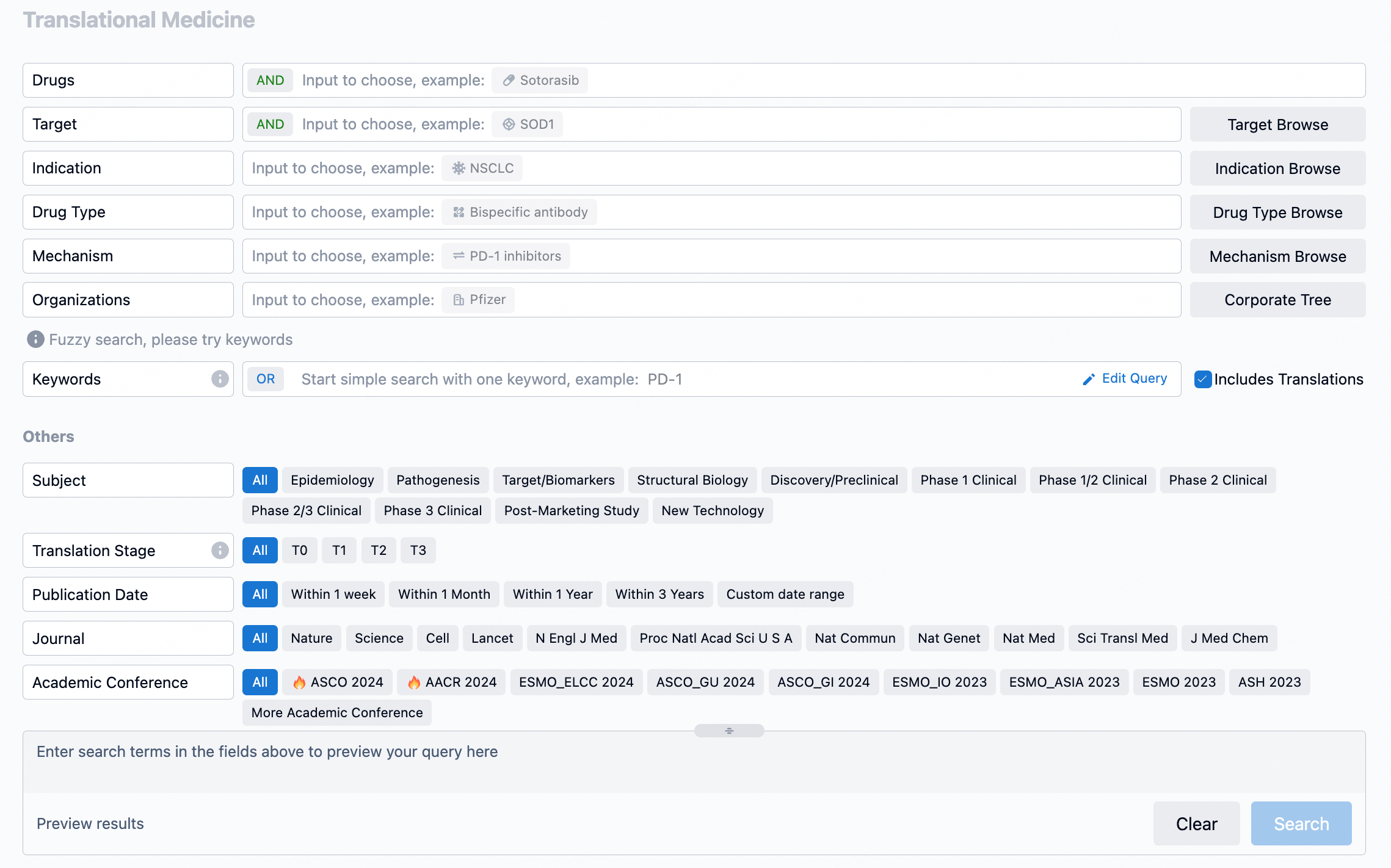
The transational medicine section of the Synapse database supports searches based on fields such as drug, target, and indication, covering the T0-T3 stages of translation. Additionally, it offers a historical conference search function as well as filtering options, view modes, translation services, and highlights summaries, providing you with a unique search experience.
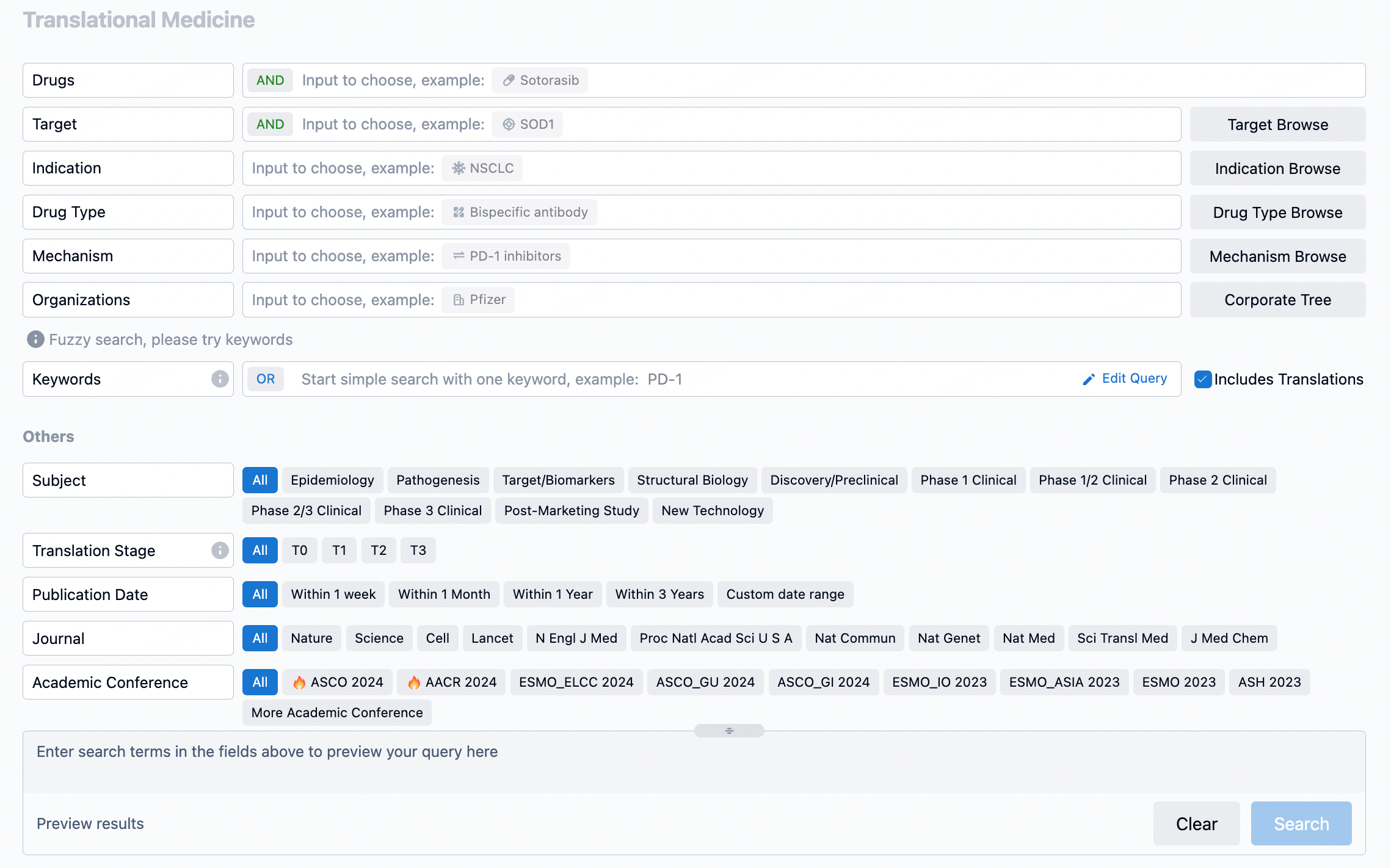
Taking obesity as an example, select "obesity" under the indication category and click search to enter the Translational Medicine results list page. By clicking on the title, you can directly navigate to the original page.
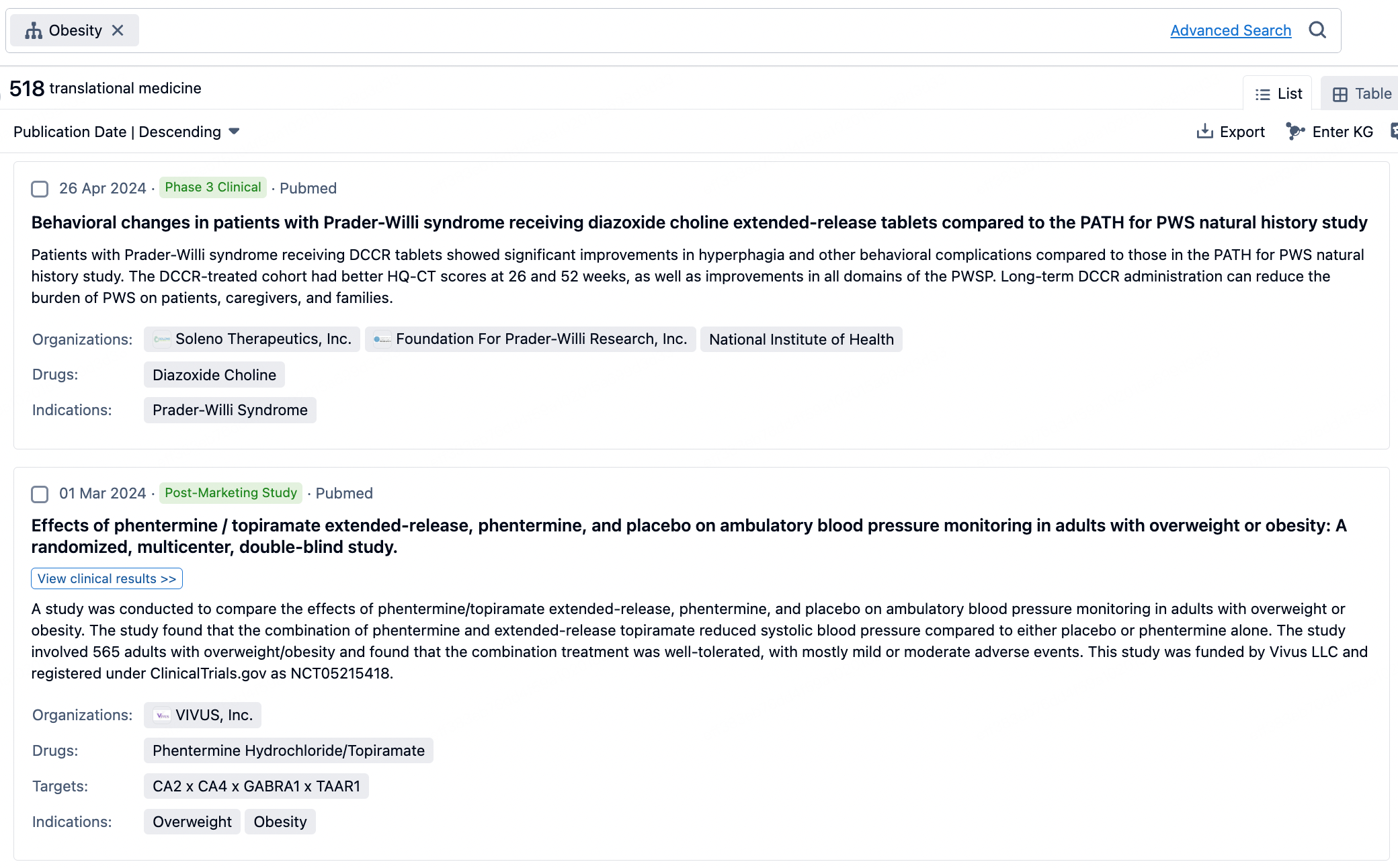
By clicking the analysis button, you can observe that GLP-1R treatment for obesity has gained significant attention over the past three years, with preclinical research still ongoing in 2023. Additionally, there are emerging potential targets, such as GDF15, among others.
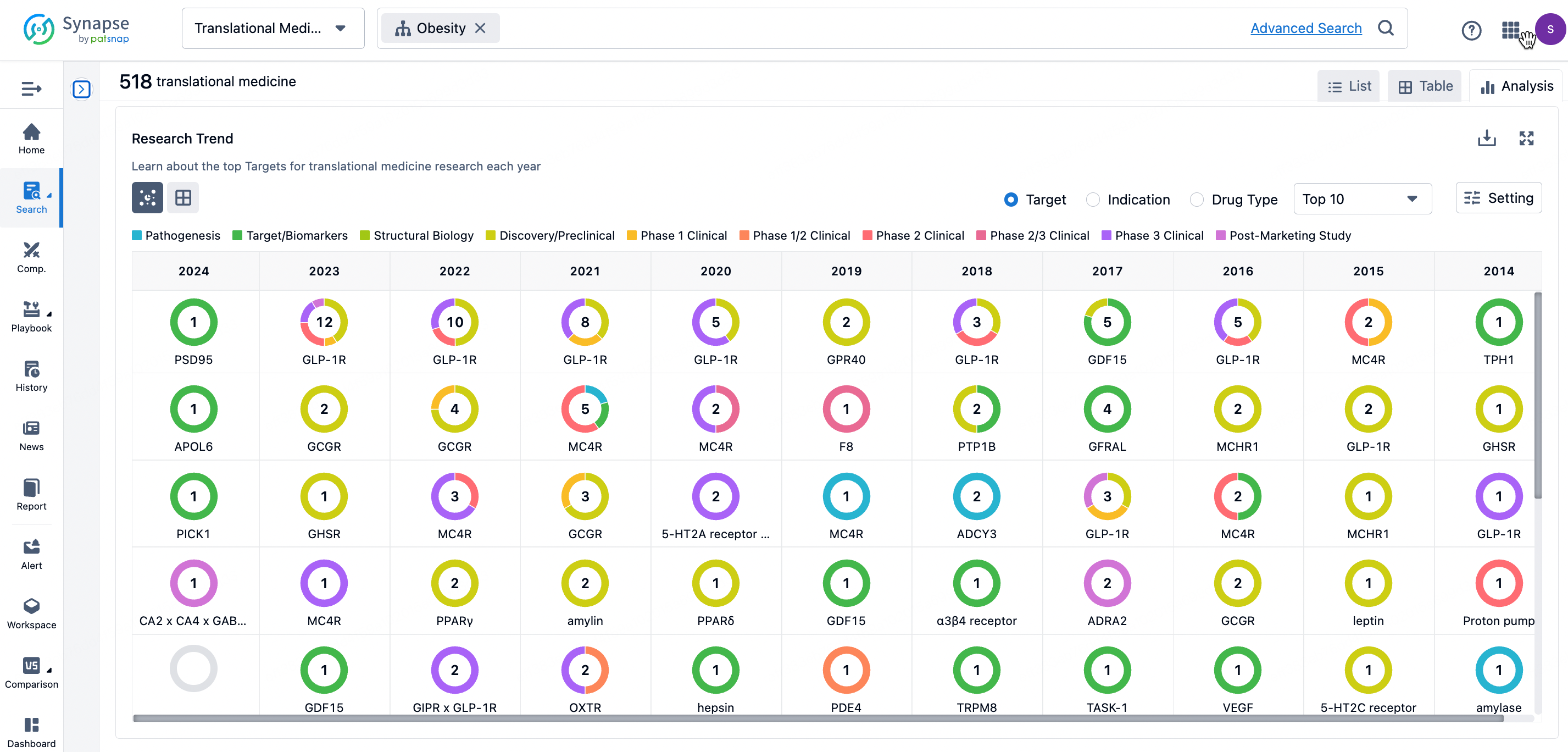
Click on the image below to go directly to the Translational Medicine search interface.