Request Demo
What are GSTP1 inhibitors and how do they work?
21 June 2024
Introduction to GSTP1 Inhibitors
GSTP1 inhibitors are a class of compounds that target the enzyme Glutathione S-Transferase Pi 1 (GSTP1). This enzyme plays a crucial role in the detoxification of harmful substances within the body by catalyzing the conjugation of glutathione to a variety of substrates. GSTP1 is known to be overexpressed in many types of cancer cells and is associated with drug resistance, making it an attractive target for cancer therapy. By inhibiting GSTP1, researchers aim to reduce the resistance of cancer cells to chemotherapy, thereby enhancing the efficacy of cancer treatments.
How do GSTP1 Inhibitors Work?
To understand how GSTP1 inhibitors function, it's essential first to grasp the role of GSTP1 in the body's detoxification system. GSTP1 is one of several isoenzymes in the glutathione S-transferase family that helps protect cells from oxidative stress and the toxic effects of xenobiotics – substances not naturally found in the body. It does this by binding glutathione, a powerful antioxidant, to potentially harmful molecules, rendering them more water-soluble and easier to excrete.
In cancer cells, GSTP1 is often overexpressed, which contributes to the development of resistance to chemotherapy drugs. By detoxifying these drugs, GSTP1 enables cancer cells to survive despite the administration of chemotherapeutic agents. GSTP1 inhibitors work by binding to the active site of the enzyme, preventing it from interacting with glutathione and its substrates. This inhibition can lead to an accumulation of toxic substances within cancer cells, increasing their susceptibility to chemotherapy.
Moreover, some GSTP1 inhibitors are designed to selectively target cancer cells while sparing normal cells, thereby reducing side effects associated with chemotherapy. These inhibitors may also work synergistically with other cancer treatments, enhancing their overall effectiveness.
What are GSTP1 Inhibitors Used For?
The primary application of GSTP1 inhibitors is in the field of oncology. Given the enzyme’s role in drug resistance, these inhibitors are being developed and tested as adjunct therapies in various types of cancer, including breast, lung, ovarian, and colon cancers. By blocking GSTP1 activity, these inhibitors aim to make cancer cells more vulnerable to existing chemotherapy drugs, potentially leading to better treatment outcomes and increased survival rates.
In preclinical studies, GSTP1 inhibitors have shown promise in reversing drug resistance and enhancing the cytotoxic effects of chemotherapeutic agents. For example, a study involving the GSTP1 inhibitor TLK199 demonstrated increased sensitivity of breast cancer cells to doxorubicin, a commonly used chemotherapy drug. Similarly, another GSTP1 inhibitor, ethacrynic acid, has been shown to potentiate the effects of cisplatin in ovarian cancer cells.
Beyond oncology, GSTP1 inhibitors are being explored for their potential in treating other diseases where oxidative stress and detoxification processes play a significant role. Researchers are investigating the use of these inhibitors in neurodegenerative diseases such as Parkinson’s and Alzheimer’s, where oxidative damage is a contributing factor to neuronal death.
Furthermore, GSTP1 inhibitors also hold potential in the management of inflammatory diseases. By modulating the detoxification pathways, these inhibitors may help reduce inflammation and tissue damage associated with chronic inflammatory conditions.
In conclusion, GSTP1 inhibitors represent a promising avenue in the development of new therapeutic strategies, particularly in cancer treatment. By targeting the enzyme responsible for drug resistance, these inhibitors could significantly enhance the effectiveness of chemotherapy and improve patient outcomes. As research continues, the potential applications of GSTP1 inhibitors may expand, offering hope for better management of various diseases characterized by oxidative stress and detoxification challenges.
GSTP1 inhibitors are a class of compounds that target the enzyme Glutathione S-Transferase Pi 1 (GSTP1). This enzyme plays a crucial role in the detoxification of harmful substances within the body by catalyzing the conjugation of glutathione to a variety of substrates. GSTP1 is known to be overexpressed in many types of cancer cells and is associated with drug resistance, making it an attractive target for cancer therapy. By inhibiting GSTP1, researchers aim to reduce the resistance of cancer cells to chemotherapy, thereby enhancing the efficacy of cancer treatments.
How do GSTP1 Inhibitors Work?
To understand how GSTP1 inhibitors function, it's essential first to grasp the role of GSTP1 in the body's detoxification system. GSTP1 is one of several isoenzymes in the glutathione S-transferase family that helps protect cells from oxidative stress and the toxic effects of xenobiotics – substances not naturally found in the body. It does this by binding glutathione, a powerful antioxidant, to potentially harmful molecules, rendering them more water-soluble and easier to excrete.
In cancer cells, GSTP1 is often overexpressed, which contributes to the development of resistance to chemotherapy drugs. By detoxifying these drugs, GSTP1 enables cancer cells to survive despite the administration of chemotherapeutic agents. GSTP1 inhibitors work by binding to the active site of the enzyme, preventing it from interacting with glutathione and its substrates. This inhibition can lead to an accumulation of toxic substances within cancer cells, increasing their susceptibility to chemotherapy.
Moreover, some GSTP1 inhibitors are designed to selectively target cancer cells while sparing normal cells, thereby reducing side effects associated with chemotherapy. These inhibitors may also work synergistically with other cancer treatments, enhancing their overall effectiveness.
What are GSTP1 Inhibitors Used For?
The primary application of GSTP1 inhibitors is in the field of oncology. Given the enzyme’s role in drug resistance, these inhibitors are being developed and tested as adjunct therapies in various types of cancer, including breast, lung, ovarian, and colon cancers. By blocking GSTP1 activity, these inhibitors aim to make cancer cells more vulnerable to existing chemotherapy drugs, potentially leading to better treatment outcomes and increased survival rates.
In preclinical studies, GSTP1 inhibitors have shown promise in reversing drug resistance and enhancing the cytotoxic effects of chemotherapeutic agents. For example, a study involving the GSTP1 inhibitor TLK199 demonstrated increased sensitivity of breast cancer cells to doxorubicin, a commonly used chemotherapy drug. Similarly, another GSTP1 inhibitor, ethacrynic acid, has been shown to potentiate the effects of cisplatin in ovarian cancer cells.
Beyond oncology, GSTP1 inhibitors are being explored for their potential in treating other diseases where oxidative stress and detoxification processes play a significant role. Researchers are investigating the use of these inhibitors in neurodegenerative diseases such as Parkinson’s and Alzheimer’s, where oxidative damage is a contributing factor to neuronal death.
Furthermore, GSTP1 inhibitors also hold potential in the management of inflammatory diseases. By modulating the detoxification pathways, these inhibitors may help reduce inflammation and tissue damage associated with chronic inflammatory conditions.
In conclusion, GSTP1 inhibitors represent a promising avenue in the development of new therapeutic strategies, particularly in cancer treatment. By targeting the enzyme responsible for drug resistance, these inhibitors could significantly enhance the effectiveness of chemotherapy and improve patient outcomes. As research continues, the potential applications of GSTP1 inhibitors may expand, offering hope for better management of various diseases characterized by oxidative stress and detoxification challenges.
How to obtain the latest development progress of all targets?
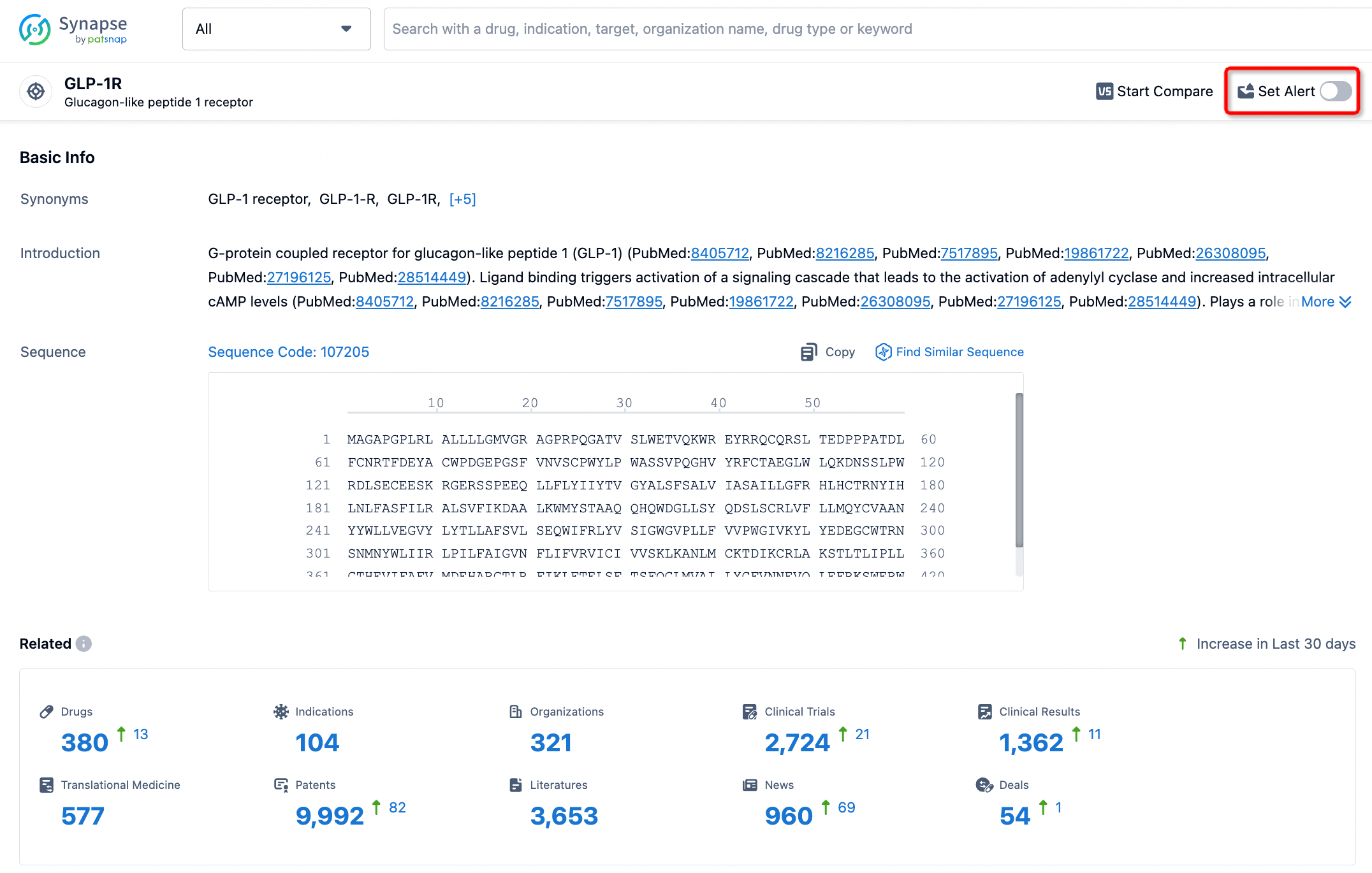
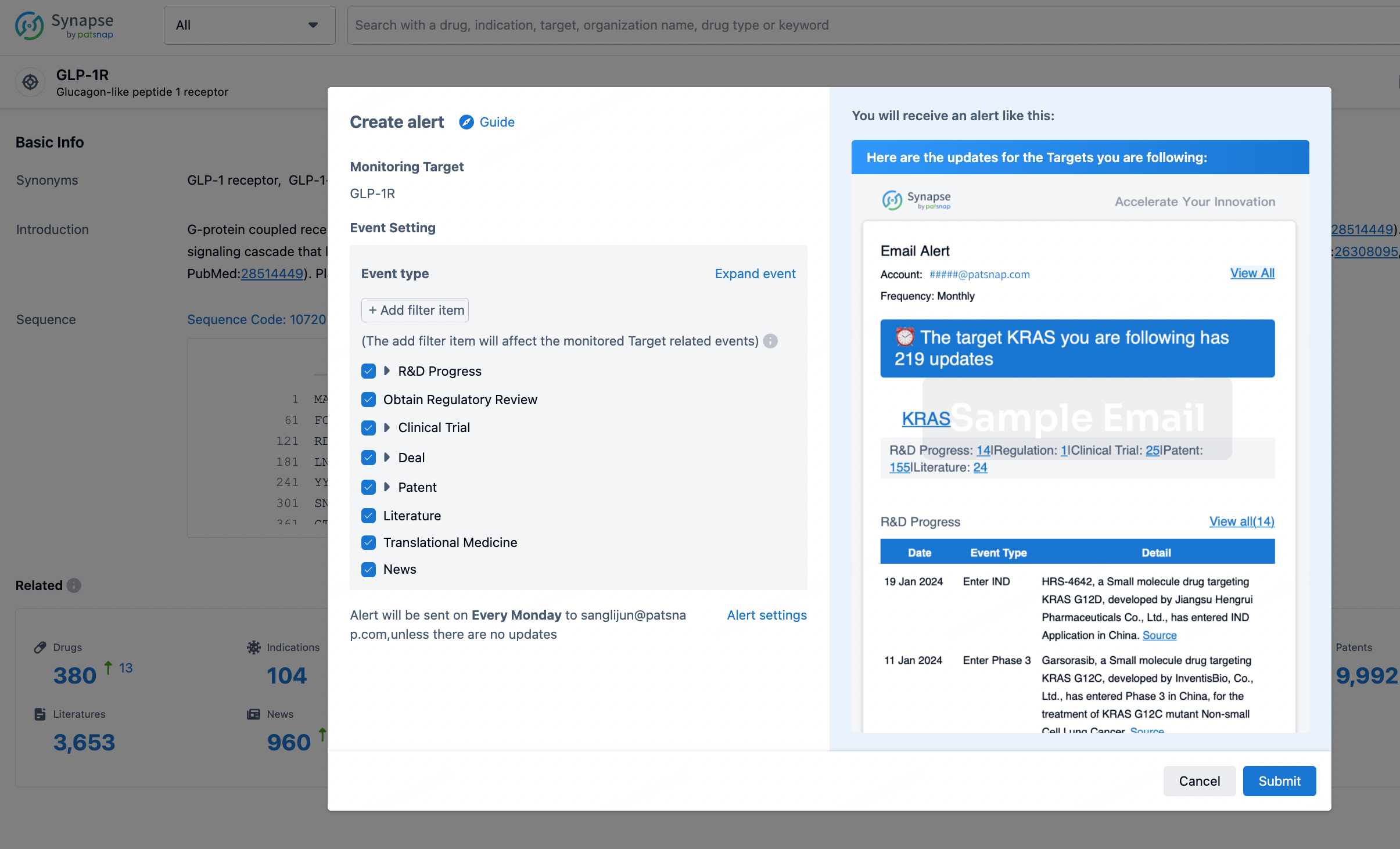
In the Synapse database, you can stay updated on the latest research and development advances of all targets. This service is accessible anytime and anywhere, with updates available daily or weekly. Use the "Set Alert" function to stay informed. Click on the image below to embark on a brand new journey of drug discovery!
AI Agents Built for Biopharma Breakthroughs
Accelerate discovery. Empower decisions. Transform outcomes.
Get started for free today!
Accelerate Strategic R&D decision making with Synapse, PatSnap’s AI-powered Connected Innovation Intelligence Platform Built for Life Sciences Professionals.
Start your data trial now!
Synapse data is also accessible to external entities via APIs or data packages. Empower better decisions with the latest in pharmaceutical intelligence.