Request Demo
What are Interleukins replacements and how do they work?
25 June 2024
Interleukins are a group of cytokines that play pivotal roles in regulating immune responses, inflammation, and hematopoiesis. As fundamental mediators of the immune system, their dysregulation is often implicated in a variety of diseases, including autoimmune disorders, inflammatory conditions, and cancers. Interleukin replacements have emerged as a promising therapeutic approach to address deficiencies or imbalances in these critical signaling molecules.
Interleukin replacements involve the administration of recombinant interleukins or interleukin analogs to restore normal immune functioning. These exogenous interleukins can compensate for the body's inability to produce adequate quantities of specific interleukins or can modulate immune responses in a controlled manner. The recombinant interleukins are typically produced using advanced biotechnological techniques, involving the insertion of the interleukin gene into bacterial, yeast, or mammalian cell lines, which then express the protein. The end product is then purified and formulated for therapeutic use.
The principle behind interleukin replacements is relatively straightforward: by supplying the body with exogenous interleukins, it is possible to correct immune deficiencies or manipulate immune responses to achieve a therapeutic effect. For example, in the context of immune deficiencies, such as in patients with chronic granulomatous disease (CGD) or severe combined immunodeficiency (SCID), interleukin replacements can help to stimulate the immune system and enhance the patient's ability to fight infections.
Similarly, in cancer therapy, interleukin replacements can be used to boost the immune system's ability to recognize and destroy cancer cells. Interleukin-2 (IL-2), one of the most well-known interleukins, has been used in treating metastatic renal cell carcinoma and metastatic melanoma by promoting the proliferation and activation of cytotoxic T cells and natural killer (NK) cells. Moreover, interleukin-7 (IL-7) and interleukin-15 (IL-15) are being explored for their potential to enhance the expansion of memory T cells and improve immunosurveillance against tumors.
Interleukin replacements have a broad spectrum of applications across various medical conditions. One of the primary uses is in the management of autoimmune and inflammatory diseases. For instance, interleukin-1 receptor antagonist (IL-1Ra), which inhibits the activity of interleukin-1, is used in treating rheumatoid arthritis, an autoimmune disease characterized by chronic inflammation of the joints. By blocking interleukin-1 activity, IL-1Ra can reduce inflammation and alleviate symptoms in affected patients.
Another significant application of interleukin replacements is in treating hematological and oncological conditions. As mentioned earlier, IL-2 has been extensively used in cancer therapy. Additionally, interleukin-11 (IL-11) is used to manage thrombocytopenia (low platelet count) induced by chemotherapy. By promoting megakaryocyte maturation and platelet production, IL-11 can help reduce the risk of bleeding in cancer patients undergoing chemotherapy.
Interleukin replacements also hold promise in treating infectious diseases. For example, interleukin-12 (IL-12) has been investigated for its potential to enhance the immune response against chronic viral infections such as hepatitis B and C. IL-12 can stimulate the production of interferon-gamma (IFN-γ) and enhance the cytotoxic activity of T cells and NK cells, thereby helping to control viral replication.
Furthermore, interleukin replacements are being explored for their role in vaccine development. Interleukin-4 (IL-4) and interleukin-13 (IL-13) are being studied as adjuvants to enhance the immune response to vaccines, particularly in populations with weakened immune systems, such as the elderly.
In conclusion, interleukin replacements represent a versatile and innovative therapeutic strategy for modulating the immune system. They offer significant potential in treating a wide range of conditions, from autoimmune and inflammatory diseases to cancers and infectious diseases. As research continues to advance, the development of more targeted and effective interleukin replacement therapies is likely to further enhance their clinical utility and improve patient outcomes.
Interleukin replacements involve the administration of recombinant interleukins or interleukin analogs to restore normal immune functioning. These exogenous interleukins can compensate for the body's inability to produce adequate quantities of specific interleukins or can modulate immune responses in a controlled manner. The recombinant interleukins are typically produced using advanced biotechnological techniques, involving the insertion of the interleukin gene into bacterial, yeast, or mammalian cell lines, which then express the protein. The end product is then purified and formulated for therapeutic use.
The principle behind interleukin replacements is relatively straightforward: by supplying the body with exogenous interleukins, it is possible to correct immune deficiencies or manipulate immune responses to achieve a therapeutic effect. For example, in the context of immune deficiencies, such as in patients with chronic granulomatous disease (CGD) or severe combined immunodeficiency (SCID), interleukin replacements can help to stimulate the immune system and enhance the patient's ability to fight infections.
Similarly, in cancer therapy, interleukin replacements can be used to boost the immune system's ability to recognize and destroy cancer cells. Interleukin-2 (IL-2), one of the most well-known interleukins, has been used in treating metastatic renal cell carcinoma and metastatic melanoma by promoting the proliferation and activation of cytotoxic T cells and natural killer (NK) cells. Moreover, interleukin-7 (IL-7) and interleukin-15 (IL-15) are being explored for their potential to enhance the expansion of memory T cells and improve immunosurveillance against tumors.
Interleukin replacements have a broad spectrum of applications across various medical conditions. One of the primary uses is in the management of autoimmune and inflammatory diseases. For instance, interleukin-1 receptor antagonist (IL-1Ra), which inhibits the activity of interleukin-1, is used in treating rheumatoid arthritis, an autoimmune disease characterized by chronic inflammation of the joints. By blocking interleukin-1 activity, IL-1Ra can reduce inflammation and alleviate symptoms in affected patients.
Another significant application of interleukin replacements is in treating hematological and oncological conditions. As mentioned earlier, IL-2 has been extensively used in cancer therapy. Additionally, interleukin-11 (IL-11) is used to manage thrombocytopenia (low platelet count) induced by chemotherapy. By promoting megakaryocyte maturation and platelet production, IL-11 can help reduce the risk of bleeding in cancer patients undergoing chemotherapy.
Interleukin replacements also hold promise in treating infectious diseases. For example, interleukin-12 (IL-12) has been investigated for its potential to enhance the immune response against chronic viral infections such as hepatitis B and C. IL-12 can stimulate the production of interferon-gamma (IFN-γ) and enhance the cytotoxic activity of T cells and NK cells, thereby helping to control viral replication.
Furthermore, interleukin replacements are being explored for their role in vaccine development. Interleukin-4 (IL-4) and interleukin-13 (IL-13) are being studied as adjuvants to enhance the immune response to vaccines, particularly in populations with weakened immune systems, such as the elderly.
In conclusion, interleukin replacements represent a versatile and innovative therapeutic strategy for modulating the immune system. They offer significant potential in treating a wide range of conditions, from autoimmune and inflammatory diseases to cancers and infectious diseases. As research continues to advance, the development of more targeted and effective interleukin replacement therapies is likely to further enhance their clinical utility and improve patient outcomes.
How to obtain the latest development progress of all targets?
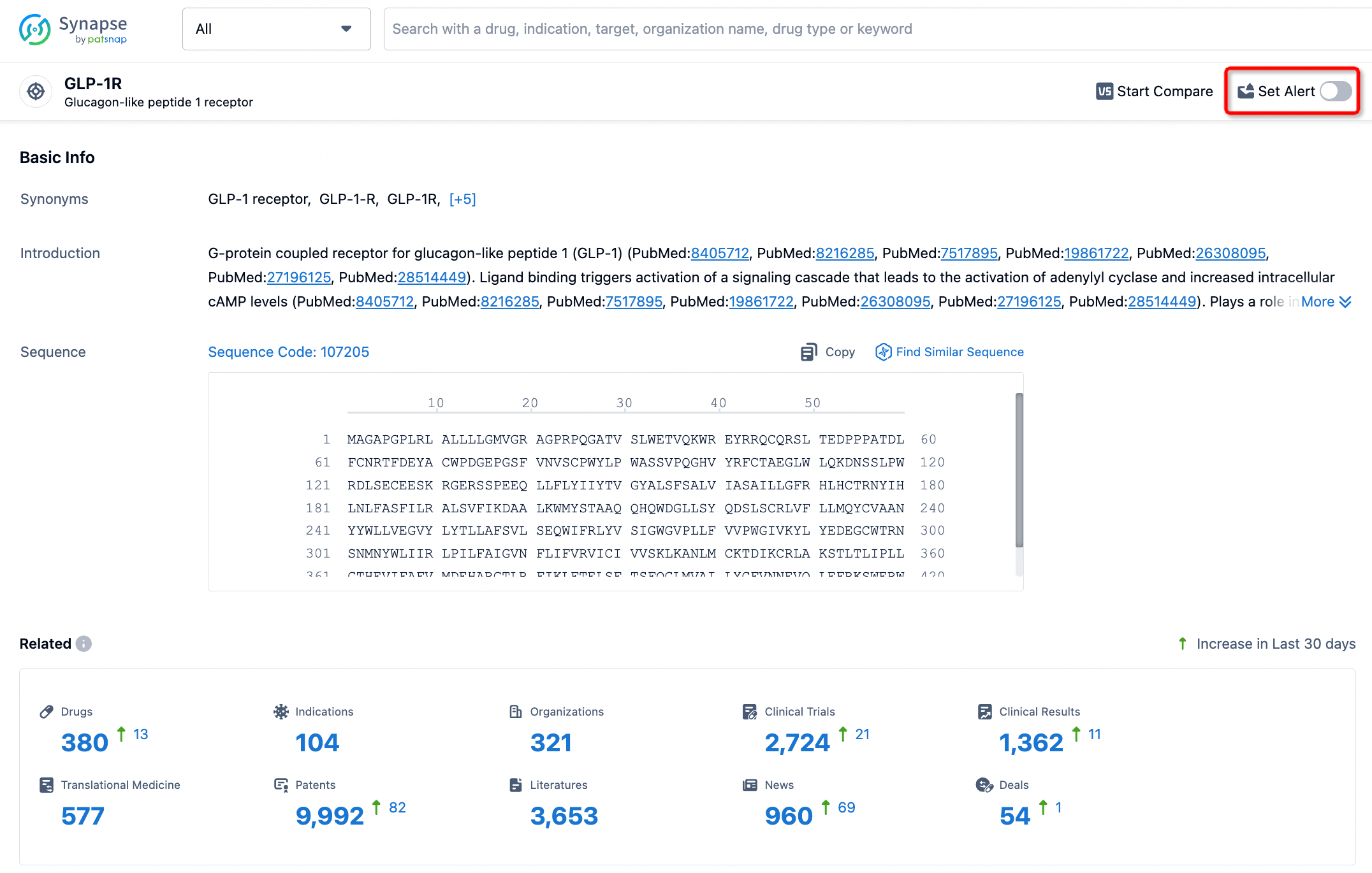
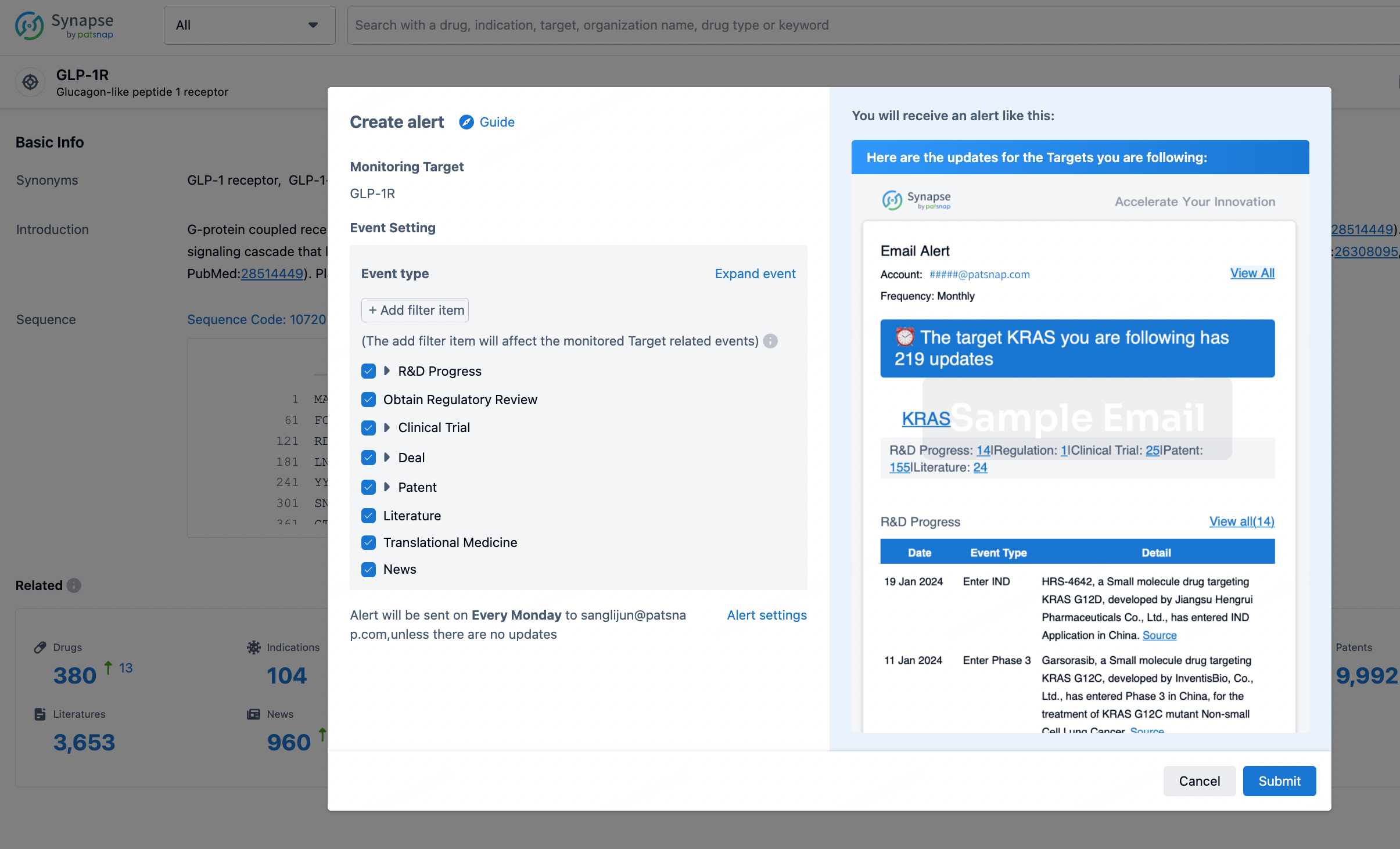
In the Synapse database, you can stay updated on the latest research and development advances of all targets. This service is accessible anytime and anywhere, with updates available daily or weekly. Use the "Set Alert" function to stay informed. Click on the image below to embark on a brand new journey of drug discovery!
AI Agents Built for Biopharma Breakthroughs
Accelerate discovery. Empower decisions. Transform outcomes.
Get started for free today!
Accelerate Strategic R&D decision making with Synapse, PatSnap’s AI-powered Connected Innovation Intelligence Platform Built for Life Sciences Professionals.
Start your data trial now!
Synapse data is also accessible to external entities via APIs or data packages. Empower better decisions with the latest in pharmaceutical intelligence.