Request Demo
What are Krka's recent drug deals?
20 March 2025
Overview of Krka
Company Background
Krka is a leading pharmaceutical company based in Slovenia, renowned for its long-standing commitment to research, development, manufacturing, and marketing of innovative drug products. The company has built a strong reputation through the production of high-quality branded medicines, which are marketed under its own well-recognized brand names. Over the years, Krka’s strategy has been centered on maintaining a high degree of vertical integration, ensuring consistency across multiple stages of drug development, production, and distribution. This comprehensive approach has allowed the company to manage costs effectively while focusing on quality and regulatory compliance. Moreover, its robust portfolio, built over decades, demonstrates a clear commitment to advancing therapeutic areas—particularly in treatments for severe allergic conditions, among other indications.
Market Position and Strategy
Krka has managed to carve out an influential position within the global pharmaceutical market. By continuously expanding its product range and entering competitive therapeutic segments, the company has consistently demonstrated resilience and adaptability. The strategic emphasis on adding new products and reinforcing its portfolio has not only enhanced its financial performance—as seen by its significant net profit growth in various reports—but also strengthened its market positioning amid increasing global competition. The company’s market strategy is informed by a dual focus: harnessing its capabilities in research and development to launch innovative products, and leveraging established brand recognition to secure market share. This dual strategy plays a critical role in sustaining its current operations and formulating new business deals that drive further growth.
Recent Drug Deals by Krka
Major Deals and Partnerships
One of the most notable recent drug-related initiatives involving Krka is reflected in the clinical study comparing its DEXAMETHASONE injection with another therapeutic candidate, DEXAMETHASONE-AGIO injection, developed by Agio Pharmaceuticals Ltd. This trial—characterized as a prospective, randomized, double-blind, and active-controlled study—aims to assess the efficacy and safety of these two formulations for treating severe or incapacitating allergic conditions affecting the skin and respiratory tract. In this study, Krka’s product is used as the standard of care against which the investigational product is measured. This arrangement not only positions Krka as a reliable benchmark in therapeutic performance but also indirectly markets its dexamethasone injection as a gold standard in clinical settings.
This clinical study is a clear example of a strategic drug deal wherein Krka’s product is leveraged as part of a comparative clinical trial. It demonstrates how the company is effectively using its robust and proven product portfolio to engage in market differentiation. By participating in such a high-quality, methodologically rigorous study, Krka reinforces both its scientific credibility and its commitment to improving patient outcomes in segments where severe allergic conditions are prevalent.
Furthermore, this deal highlights Krka’s collaborative approach in the pharmaceutical industry. Even when direct partnerships are not explicitly announced as licensing or acquisition agreements, engaging as a reliable comparator in clinical trials with other drug developers like Agio Pharmaceuticals enables Krka to integrate its products into broader research and development networks. This kind of involvement is essential for networking across international markets, tapping into different regulatory frameworks, and showcasing product effectiveness on a global stage.
In addition to the clinical trial highlighted above, Krka has consistently demonstrated its interest in exploring innovative market approaches that include strategic acquisitions, partnerships, and licensing agreements. While detailed public announcements of every individual drug deal may not always be available like in some major merger and acquisition news, the company’s overall product strategy—evident from its dynamic product portfolio expansion and targeted clinical research initiatives—suggests that Krka is actively involved in securing and developing drug deals that complement its existing strengths. These initiatives are seen across various therapeutic areas and are designed to further consolidate its market presence and long-term growth prospects.
Objectives and Strategic Goals
The strategic goals underpinning Krka’s recent drug deals can be summarized as follows:
1. Enhancing Clinical Credibility and Market Adoption:
By engaging in studies such as the one comparing its dexamethasone injection with a competitor's product, Krka can effectively demonstrate the clinical efficacy and safety of its products. Such studies are designed to validate its products under rigorous conditions, thereby enhancing clinical credibility among physicians and healthcare providers. The goal here is not only to confirm the effectiveness of its drug formulations but also to use the clinical data as a marketing tool for broader adoption in the healthcare market.
2. Expanding Therapeutic Offerings:
The recent study focuses on severe or incapacitating allergic conditions of the skin and respiratory tract—a therapeutic area that carries significant unmet medical needs. By focusing efforts on such areas, Krka aligns with its broader strategy to broaden its therapeutic portfolio and enter niches where innovative treatments can significantly improve patient outcomes. This strategic emphasis is in line with the company’s objective to continually add new, high-quality products to its range.
3. Leveraging Established Market Presence for Strategic Negotiations:
Krka’s continued commitment to maintaining its own brand and ensuring product recognition permits it to negotiate on favorable terms in clinical trials and drug deals. Its strong market presence provides a platform for strategic partnerships, wherein Krka's products can serve both as comparators in clinical studies and as standalone commercial products with established safety and efficacy profiles. This approach is fundamental to building long-term alliances with collaborators, regulators, and healthcare institutions around the world.
4. Optimizing Global Market Penetration and Financial Growth:
Beyond clinical validation, these drug deals are also leveraged to support global market expansion efforts. Such strategic moves often play a pivotal role in elevating revenue streams and ensuring that the company’s product catalog remains competitive in a constantly evolving global market. With reports indicating significant year-over-year financial growth, it is evident that these recent initiatives are aligned with Krka’s financial and market expansion objectives.
Impact of Recent Deals
Market Expansion and Growth
Krka’s involvement in high-profile clinical trials and comparative studies has multifaceted implications for its market expansion and growth:
1. Increased Market Acceptance:
By showcasing its dexamethasone injection through direct comparison with emerging products, Krka reinforces the clinical and economic value of its offerings in the eyes of healthcare professionals. Successful outcomes from such studies drive higher market penetration, as clinicians develop increased trust in Krka’s products. This enhanced acceptance can lead to broader prescription practices, contributing directly to increased market share.
2. Financial Growth and Improved Profitability:
The company’s strong financial performance, evidenced by a net profit increase of approximately 30% year-over-year in some periods, is bolstered by these strategic drug deals. Clinical trials and effective product comparisons enhance the company's portfolio and can lead to expanded sales volumes, thus positively impacting the overall revenue and profitability. This financial growth, in turn, allows Krka to reinvest in further research and development and maintain its competitive edge in the market.
3. Regulatory and Market Reinforcement:
Positive outcomes from clinical studies can lead to faster and more favorable regulatory outcomes in various jurisdictions around the world. This regulatory reinforcement is critical for market expansion, as it ensures that products meet stringent quality and effectiveness standards, thereby boosting confidence among both regulatory bodies and end-users alike.
4. Strategically Positioned Against Competitors:
In a highly competitive industry, positioning one’s products as benchmarks through well-conducted clinical studies provides a significant competitive advantage. Krka’s dexamethasone injection being utilized as a comparator in studies against drugs from other manufacturers not only validates its clinical superiority but also highlights it as a preferred partner in further drug deals and collaborations. As such, these initiatives promise future market growth through increased trust and a stronger competitive positioning in the global pharmaceutical arena.
Technological and Research Advancements
The recent drug deals have also had a significant impact on Krka’s research and technological development:
1. Enhanced Research Collaborations:
Participation in high-quality, multinational clinical trials and drug studies fosters closer collaborations with other leading drug developers and research institutions. This networking enriches Krka’s pool of scientific knowledge and leads to pooling of resources, expertise, and technologies, which in turn enhances its R&D capabilities.
2. Upgraded Technological Capabilities:
The integration of modern clinical trial technologies—ranging from advanced digital data collection and analysis to the use of innovative drug formulations—ensures that Krka remains at the forefront of pharmaceutical technology. These technological advancements are crucial in improving the speed, accuracy, and efficiency of drug development processes. For instance, the ongoing clinical trial involving its dexamethasone injection is likely to incorporate modern methodologies that not only streamline data collection but also enhance the robustness of clinical results.
3. Pipeline Diversification and Accelerated Drug Development:
Engaging in comparative clinical trials and strategic drug deals provides Krka with insightful data that can inform future product development. The feedback obtained from these studies is integrated into subsequent R&D endeavors, thereby accelerating the pace at which new products are developed, validated, and brought to market. This cycle of continuous improvement supports sustained innovation and positions Krka as a forward-thinking player in the pharmaceutical industry.
4. Integration of Digital and Analytical Technologies:
The ongoing trend towards integrating digital technologies in drug development—such as data-driven decision-making, real-time monitoring of clinical outcomes, and advanced analytics—further supports Krka’s growth strategy. By embedding these technologies into its clinical trials and drug deals, the company not only improves its operational efficiency but also enhances its ability to respond to emerging market trends and regulatory challenges.
Challenges and Future Prospects
Current Challenges in the Pharmaceutical Market
Despite Krka’s strong strategic initiatives and robust clinical programs, the pharmaceutical market faces several challenges that could impact its future growth trajectory:
1. Regulatory and Compliance Hurdles:
The evolving regulatory landscape across different global markets poses a continuous challenge. Ensuring compliance while maintaining product quality and safety standards requires constant adaptation and investment in regulatory sciences. Although positive clinical outcomes enhance regulatory confidence, the process to navigate diverse international regulatory systems remains complex and resource-intensive.
2. Heightened Competitive Pressure:
With rapid innovation and a surge in global research activities, the competitive landscape of the pharmaceutical industry is intensifying. Competitors are continuously advancing their R&D capabilities, sometimes leveraging artificial intelligence and other advanced technologies. This creates pressure on established companies like Krka to not only maintain but continuously improve their product portfolios and clinical outcomes.
3. Pricing Pressures and Market Access Issues:
In many regions, as part of broader healthcare cost-containment policies, pricing pressures are becoming increasingly significant. Whether it is through governmental negotiations or market-driven discounting, the pressure to keep drug prices competitive while ensuring profitability is an important hurdle. This is particularly true in markets where health technology assessments (HTAs) and cost-effectiveness evaluations are stringent and constantly evolving.
4. Global Economic and Political Uncertainties:
Economic fluctuations, trade policies, and geopolitical tensions can adversely affect supply chain reliability and market expansion plans. Such uncertainties may delay or complicate the implementation of strategic drug deals and cross-border collaborations, necessitating robust risk management strategies for companies like Krka.
Future Growth Opportunities for Krka
Looking ahead, Krka is well-positioned to capitalize on several growth opportunities despite the challenges:
1. Leveraging Clinical Trial Data for Market Expansion:
The positive outcomes from recent clinical studies, such as the comparative trial of the dexamethasone injection, serve as a powerful testament to Krka’s product efficacy and safety. This data can be harnessed in regulatory submissions across multiple markets, ultimately facilitating broader market penetration and accelerated launch of new products.
2. Expanding into Emerging Therapeutic Areas:
The strategic focus on therapeutic segments with significant unmet medical needs—such as severe allergic conditions—opens up significant potential for market expansion. By diversifying its portfolio and tapping into niche therapeutic areas, Krka can capture new patient segments and mitigate the risks associated with market saturation in more traditional treatment domains.
3. Partnerships and Collaborative Research Opportunities:
The company’s participation in multinational clinical trials not only strengthens its product offerings but also creates opportunities for future partnerships. Collaborations with both regional and international pharmaceutical companies can lead to joint development efforts, technology transfer agreements, and inclusion in global clinical research networks. These partnerships are instrumental in sharing costs, accelerating drug development timelines, and increasing overall market competitiveness.
4. Adoption of Digital and Analytical Innovations:
Embracing digital transformation in drug development and clinical trial management is another avenue for future growth. By integrating advanced data analytics, real-time digital monitoring, and automation into its R&D and marketing strategies, Krka can optimize its operational efficiencies. This strategic technological adoption not only furthers research advancements but also enhances the ability to respond dynamically to market demands.
5. Financial Strength and Reinforcement of Market Reputation:
The strong financial performance, highlighted by consistent net profit growth, provides Krka with the necessary capital to reinvest in new drug development initiatives and strategic acquisitions. Strong financial health enables the company to navigate market uncertainties and invest in long-term projects that promise higher returns. Furthermore, its commitment to quality and reliability continues to enhance its market reputation, making it a preferred partner in strategic drug deals and research collaborations.
6. Focus on Global Expansion:
With an extensive experience in managing its own brand and high-quality product portfolio, Krka is poised to explore new geographical markets. The company’s strategic drug deals and partnerships can be leveraged to enter emerging markets, where demand for affordable yet effective medications is growing. Such global expansion efforts, coupled with localized partnerships, could significantly enhance its revenue streams and global market share.
Conclusion
In summary, Krka's recent drug deals—most notably the clinical trial comparing its dexamethasone injection with Agio Pharmaceuticals’ DEXAMETHASONE-AGIO injection—exemplify its strategic approach to leveraging established quality products to reinforce market dominance and clinical credibility. This deal has been instrumental in showcasing Krka’s commitment to addressing unmet therapeutic needs, particularly in severe allergic conditions. Moreover, Krka’s overarching strategy of expanding its therapeutic portfolio, enhancing R&D capabilities, and leveraging clinical data to support regulatory submissions is reflected in its broader business operations. The company’s strong financial performance, as evidenced by robust profit growth, further underscores its ability to invest in and execute these strategic drug deals.
From various perspectives—ranging from clinical research excellence and technological innovation to strategic market positioning and global expansion prospects—Krka continues to position itself as an influential player in the competitive pharmaceutical landscape. While challenges such as regulatory complexities, competitive pressures, pricing negotiations, and global economic uncertainties persist, the company’s proactive strategies and strong financial foundation enable it to embark on numerous growth opportunities. By continuing to embrace innovation, foster strategic collaborations, and optimize its product portfolio, Krka is well-equipped to drive future success in both established and emerging markets.
In conclusion, Krka’s recent drug deals reflect a well-balanced blend of clinical excellence, market strategy, and technological advancement. This multifaceted approach not only cements the company’s reputation as a leader in pharmaceutical innovation but also lays a solid foundation for long-term market expansion and sustainable growth. As the company continues to navigate the evolving pharmaceutical landscape, its commitment to developing high-quality, effective therapies will remain the cornerstone of its success and growth opportunities in the future.
Company Background
Krka is a leading pharmaceutical company based in Slovenia, renowned for its long-standing commitment to research, development, manufacturing, and marketing of innovative drug products. The company has built a strong reputation through the production of high-quality branded medicines, which are marketed under its own well-recognized brand names. Over the years, Krka’s strategy has been centered on maintaining a high degree of vertical integration, ensuring consistency across multiple stages of drug development, production, and distribution. This comprehensive approach has allowed the company to manage costs effectively while focusing on quality and regulatory compliance. Moreover, its robust portfolio, built over decades, demonstrates a clear commitment to advancing therapeutic areas—particularly in treatments for severe allergic conditions, among other indications.
Market Position and Strategy
Krka has managed to carve out an influential position within the global pharmaceutical market. By continuously expanding its product range and entering competitive therapeutic segments, the company has consistently demonstrated resilience and adaptability. The strategic emphasis on adding new products and reinforcing its portfolio has not only enhanced its financial performance—as seen by its significant net profit growth in various reports—but also strengthened its market positioning amid increasing global competition. The company’s market strategy is informed by a dual focus: harnessing its capabilities in research and development to launch innovative products, and leveraging established brand recognition to secure market share. This dual strategy plays a critical role in sustaining its current operations and formulating new business deals that drive further growth.
Recent Drug Deals by Krka
Major Deals and Partnerships
One of the most notable recent drug-related initiatives involving Krka is reflected in the clinical study comparing its DEXAMETHASONE injection with another therapeutic candidate, DEXAMETHASONE-AGIO injection, developed by Agio Pharmaceuticals Ltd. This trial—characterized as a prospective, randomized, double-blind, and active-controlled study—aims to assess the efficacy and safety of these two formulations for treating severe or incapacitating allergic conditions affecting the skin and respiratory tract. In this study, Krka’s product is used as the standard of care against which the investigational product is measured. This arrangement not only positions Krka as a reliable benchmark in therapeutic performance but also indirectly markets its dexamethasone injection as a gold standard in clinical settings.
This clinical study is a clear example of a strategic drug deal wherein Krka’s product is leveraged as part of a comparative clinical trial. It demonstrates how the company is effectively using its robust and proven product portfolio to engage in market differentiation. By participating in such a high-quality, methodologically rigorous study, Krka reinforces both its scientific credibility and its commitment to improving patient outcomes in segments where severe allergic conditions are prevalent.
Furthermore, this deal highlights Krka’s collaborative approach in the pharmaceutical industry. Even when direct partnerships are not explicitly announced as licensing or acquisition agreements, engaging as a reliable comparator in clinical trials with other drug developers like Agio Pharmaceuticals enables Krka to integrate its products into broader research and development networks. This kind of involvement is essential for networking across international markets, tapping into different regulatory frameworks, and showcasing product effectiveness on a global stage.
In addition to the clinical trial highlighted above, Krka has consistently demonstrated its interest in exploring innovative market approaches that include strategic acquisitions, partnerships, and licensing agreements. While detailed public announcements of every individual drug deal may not always be available like in some major merger and acquisition news, the company’s overall product strategy—evident from its dynamic product portfolio expansion and targeted clinical research initiatives—suggests that Krka is actively involved in securing and developing drug deals that complement its existing strengths. These initiatives are seen across various therapeutic areas and are designed to further consolidate its market presence and long-term growth prospects.
Objectives and Strategic Goals
The strategic goals underpinning Krka’s recent drug deals can be summarized as follows:
1. Enhancing Clinical Credibility and Market Adoption:
By engaging in studies such as the one comparing its dexamethasone injection with a competitor's product, Krka can effectively demonstrate the clinical efficacy and safety of its products. Such studies are designed to validate its products under rigorous conditions, thereby enhancing clinical credibility among physicians and healthcare providers. The goal here is not only to confirm the effectiveness of its drug formulations but also to use the clinical data as a marketing tool for broader adoption in the healthcare market.
2. Expanding Therapeutic Offerings:
The recent study focuses on severe or incapacitating allergic conditions of the skin and respiratory tract—a therapeutic area that carries significant unmet medical needs. By focusing efforts on such areas, Krka aligns with its broader strategy to broaden its therapeutic portfolio and enter niches where innovative treatments can significantly improve patient outcomes. This strategic emphasis is in line with the company’s objective to continually add new, high-quality products to its range.
3. Leveraging Established Market Presence for Strategic Negotiations:
Krka’s continued commitment to maintaining its own brand and ensuring product recognition permits it to negotiate on favorable terms in clinical trials and drug deals. Its strong market presence provides a platform for strategic partnerships, wherein Krka's products can serve both as comparators in clinical studies and as standalone commercial products with established safety and efficacy profiles. This approach is fundamental to building long-term alliances with collaborators, regulators, and healthcare institutions around the world.
4. Optimizing Global Market Penetration and Financial Growth:
Beyond clinical validation, these drug deals are also leveraged to support global market expansion efforts. Such strategic moves often play a pivotal role in elevating revenue streams and ensuring that the company’s product catalog remains competitive in a constantly evolving global market. With reports indicating significant year-over-year financial growth, it is evident that these recent initiatives are aligned with Krka’s financial and market expansion objectives.
Impact of Recent Deals
Market Expansion and Growth
Krka’s involvement in high-profile clinical trials and comparative studies has multifaceted implications for its market expansion and growth:
1. Increased Market Acceptance:
By showcasing its dexamethasone injection through direct comparison with emerging products, Krka reinforces the clinical and economic value of its offerings in the eyes of healthcare professionals. Successful outcomes from such studies drive higher market penetration, as clinicians develop increased trust in Krka’s products. This enhanced acceptance can lead to broader prescription practices, contributing directly to increased market share.
2. Financial Growth and Improved Profitability:
The company’s strong financial performance, evidenced by a net profit increase of approximately 30% year-over-year in some periods, is bolstered by these strategic drug deals. Clinical trials and effective product comparisons enhance the company's portfolio and can lead to expanded sales volumes, thus positively impacting the overall revenue and profitability. This financial growth, in turn, allows Krka to reinvest in further research and development and maintain its competitive edge in the market.
3. Regulatory and Market Reinforcement:
Positive outcomes from clinical studies can lead to faster and more favorable regulatory outcomes in various jurisdictions around the world. This regulatory reinforcement is critical for market expansion, as it ensures that products meet stringent quality and effectiveness standards, thereby boosting confidence among both regulatory bodies and end-users alike.
4. Strategically Positioned Against Competitors:
In a highly competitive industry, positioning one’s products as benchmarks through well-conducted clinical studies provides a significant competitive advantage. Krka’s dexamethasone injection being utilized as a comparator in studies against drugs from other manufacturers not only validates its clinical superiority but also highlights it as a preferred partner in further drug deals and collaborations. As such, these initiatives promise future market growth through increased trust and a stronger competitive positioning in the global pharmaceutical arena.
Technological and Research Advancements
The recent drug deals have also had a significant impact on Krka’s research and technological development:
1. Enhanced Research Collaborations:
Participation in high-quality, multinational clinical trials and drug studies fosters closer collaborations with other leading drug developers and research institutions. This networking enriches Krka’s pool of scientific knowledge and leads to pooling of resources, expertise, and technologies, which in turn enhances its R&D capabilities.
2. Upgraded Technological Capabilities:
The integration of modern clinical trial technologies—ranging from advanced digital data collection and analysis to the use of innovative drug formulations—ensures that Krka remains at the forefront of pharmaceutical technology. These technological advancements are crucial in improving the speed, accuracy, and efficiency of drug development processes. For instance, the ongoing clinical trial involving its dexamethasone injection is likely to incorporate modern methodologies that not only streamline data collection but also enhance the robustness of clinical results.
3. Pipeline Diversification and Accelerated Drug Development:
Engaging in comparative clinical trials and strategic drug deals provides Krka with insightful data that can inform future product development. The feedback obtained from these studies is integrated into subsequent R&D endeavors, thereby accelerating the pace at which new products are developed, validated, and brought to market. This cycle of continuous improvement supports sustained innovation and positions Krka as a forward-thinking player in the pharmaceutical industry.
4. Integration of Digital and Analytical Technologies:
The ongoing trend towards integrating digital technologies in drug development—such as data-driven decision-making, real-time monitoring of clinical outcomes, and advanced analytics—further supports Krka’s growth strategy. By embedding these technologies into its clinical trials and drug deals, the company not only improves its operational efficiency but also enhances its ability to respond to emerging market trends and regulatory challenges.
Challenges and Future Prospects
Current Challenges in the Pharmaceutical Market
Despite Krka’s strong strategic initiatives and robust clinical programs, the pharmaceutical market faces several challenges that could impact its future growth trajectory:
1. Regulatory and Compliance Hurdles:
The evolving regulatory landscape across different global markets poses a continuous challenge. Ensuring compliance while maintaining product quality and safety standards requires constant adaptation and investment in regulatory sciences. Although positive clinical outcomes enhance regulatory confidence, the process to navigate diverse international regulatory systems remains complex and resource-intensive.
2. Heightened Competitive Pressure:
With rapid innovation and a surge in global research activities, the competitive landscape of the pharmaceutical industry is intensifying. Competitors are continuously advancing their R&D capabilities, sometimes leveraging artificial intelligence and other advanced technologies. This creates pressure on established companies like Krka to not only maintain but continuously improve their product portfolios and clinical outcomes.
3. Pricing Pressures and Market Access Issues:
In many regions, as part of broader healthcare cost-containment policies, pricing pressures are becoming increasingly significant. Whether it is through governmental negotiations or market-driven discounting, the pressure to keep drug prices competitive while ensuring profitability is an important hurdle. This is particularly true in markets where health technology assessments (HTAs) and cost-effectiveness evaluations are stringent and constantly evolving.
4. Global Economic and Political Uncertainties:
Economic fluctuations, trade policies, and geopolitical tensions can adversely affect supply chain reliability and market expansion plans. Such uncertainties may delay or complicate the implementation of strategic drug deals and cross-border collaborations, necessitating robust risk management strategies for companies like Krka.
Future Growth Opportunities for Krka
Looking ahead, Krka is well-positioned to capitalize on several growth opportunities despite the challenges:
1. Leveraging Clinical Trial Data for Market Expansion:
The positive outcomes from recent clinical studies, such as the comparative trial of the dexamethasone injection, serve as a powerful testament to Krka’s product efficacy and safety. This data can be harnessed in regulatory submissions across multiple markets, ultimately facilitating broader market penetration and accelerated launch of new products.
2. Expanding into Emerging Therapeutic Areas:
The strategic focus on therapeutic segments with significant unmet medical needs—such as severe allergic conditions—opens up significant potential for market expansion. By diversifying its portfolio and tapping into niche therapeutic areas, Krka can capture new patient segments and mitigate the risks associated with market saturation in more traditional treatment domains.
3. Partnerships and Collaborative Research Opportunities:
The company’s participation in multinational clinical trials not only strengthens its product offerings but also creates opportunities for future partnerships. Collaborations with both regional and international pharmaceutical companies can lead to joint development efforts, technology transfer agreements, and inclusion in global clinical research networks. These partnerships are instrumental in sharing costs, accelerating drug development timelines, and increasing overall market competitiveness.
4. Adoption of Digital and Analytical Innovations:
Embracing digital transformation in drug development and clinical trial management is another avenue for future growth. By integrating advanced data analytics, real-time digital monitoring, and automation into its R&D and marketing strategies, Krka can optimize its operational efficiencies. This strategic technological adoption not only furthers research advancements but also enhances the ability to respond dynamically to market demands.
5. Financial Strength and Reinforcement of Market Reputation:
The strong financial performance, highlighted by consistent net profit growth, provides Krka with the necessary capital to reinvest in new drug development initiatives and strategic acquisitions. Strong financial health enables the company to navigate market uncertainties and invest in long-term projects that promise higher returns. Furthermore, its commitment to quality and reliability continues to enhance its market reputation, making it a preferred partner in strategic drug deals and research collaborations.
6. Focus on Global Expansion:
With an extensive experience in managing its own brand and high-quality product portfolio, Krka is poised to explore new geographical markets. The company’s strategic drug deals and partnerships can be leveraged to enter emerging markets, where demand for affordable yet effective medications is growing. Such global expansion efforts, coupled with localized partnerships, could significantly enhance its revenue streams and global market share.
Conclusion
In summary, Krka's recent drug deals—most notably the clinical trial comparing its dexamethasone injection with Agio Pharmaceuticals’ DEXAMETHASONE-AGIO injection—exemplify its strategic approach to leveraging established quality products to reinforce market dominance and clinical credibility. This deal has been instrumental in showcasing Krka’s commitment to addressing unmet therapeutic needs, particularly in severe allergic conditions. Moreover, Krka’s overarching strategy of expanding its therapeutic portfolio, enhancing R&D capabilities, and leveraging clinical data to support regulatory submissions is reflected in its broader business operations. The company’s strong financial performance, as evidenced by robust profit growth, further underscores its ability to invest in and execute these strategic drug deals.
From various perspectives—ranging from clinical research excellence and technological innovation to strategic market positioning and global expansion prospects—Krka continues to position itself as an influential player in the competitive pharmaceutical landscape. While challenges such as regulatory complexities, competitive pressures, pricing negotiations, and global economic uncertainties persist, the company’s proactive strategies and strong financial foundation enable it to embark on numerous growth opportunities. By continuing to embrace innovation, foster strategic collaborations, and optimize its product portfolio, Krka is well-equipped to drive future success in both established and emerging markets.
In conclusion, Krka’s recent drug deals reflect a well-balanced blend of clinical excellence, market strategy, and technological advancement. This multifaceted approach not only cements the company’s reputation as a leader in pharmaceutical innovation but also lays a solid foundation for long-term market expansion and sustainable growth. As the company continues to navigate the evolving pharmaceutical landscape, its commitment to developing high-quality, effective therapies will remain the cornerstone of its success and growth opportunities in the future.
Discover Eureka LS: AI Agents Built for Biopharma Efficiency
Stop wasting time on biopharma busywork. Meet Eureka LS - your AI agent squad for drug discovery.
▶ See how 50+ research teams saved 300+ hours/month
From reducing screening time to simplifying Markush drafting, our AI Agents are ready to deliver immediate value. Explore Eureka LS today and unlock powerful capabilities that help you innovate with confidence.
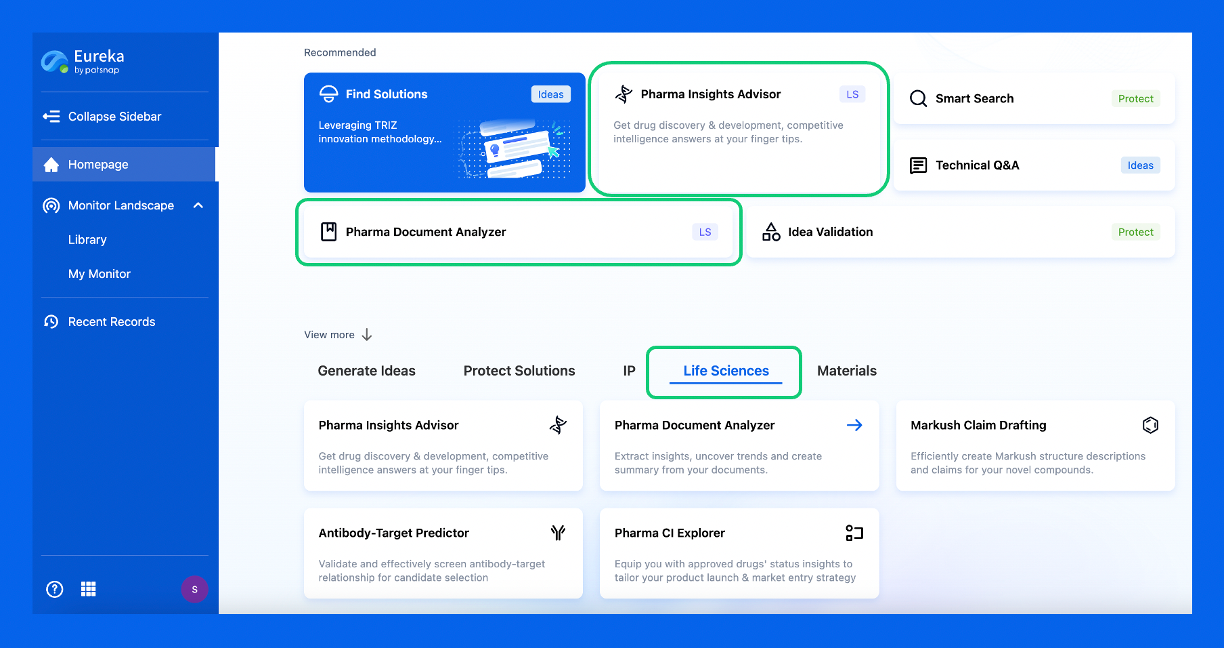
AI Agents Built for Biopharma Breakthroughs
Accelerate discovery. Empower decisions. Transform outcomes.
Get started for free today!
Accelerate Strategic R&D decision making with Synapse, PatSnap’s AI-powered Connected Innovation Intelligence Platform Built for Life Sciences Professionals.
Start your data trial now!
Synapse data is also accessible to external entities via APIs or data packages. Empower better decisions with the latest in pharmaceutical intelligence.