Request Demo
What are TGF-β inhibitors and how do they work?
21 June 2024
Transforming Growth Factor-Beta (TGF-β) inhibitors are emerging as a promising class of therapeutics in the field of medicine, particularly in oncology and fibrotic diseases. The quest to understand and manipulate the TGF-β pathway has led to significant advancements, offering new hopes for patients with conditions that were previously difficult to treat. As researchers continue to unravel the complexities of TGF-β signaling, the potential applications of these inhibitors are becoming increasingly evident.
TGF-β is a multifunctional cytokine that plays a crucial role in regulating cell growth, differentiation, and immune responses. It is involved in a myriad of physiological processes, including tissue regeneration, wound healing, and immune regulation. However, dysregulation of TGF-β signaling is implicated in various pathologies, such as cancer, fibrosis, and autoimmune diseases. The development of TGF-β inhibitors aims to modulate this pathway to restore normal cellular function and combat disease progression.
TGF-β inhibitors work by targeting different components of the TGF-β signaling pathway. The pathway begins when TGF-β ligands bind to type I and type II serine/threonine kinase receptors on the cell surface. This interaction triggers the phosphorylation of receptor-regulated SMAD proteins (R-SMADs), which form complexes with co-SMADs. These complexes then translocate to the nucleus, where they regulate the expression of target genes involved in cell proliferation, apoptosis, and differentiation.
Several strategies have been employed to inhibit the TGF-β pathway. One approach involves the use of monoclonal antibodies that neutralize TGF-β ligands, preventing them from binding to their receptors. Another strategy includes small molecule inhibitors that block the kinase activity of TGF-β receptors, thereby inhibiting the downstream phosphorylation of SMAD proteins. Additionally, antisense oligonucleotides and RNA interference techniques have been explored to reduce the expression of TGF-β ligands and receptors.
The therapeutic applications of TGF-β inhibitors are vast, reflecting the diverse roles of TGF-β in various diseases. In oncology, TGF-β is known to contribute to tumor progression and metastasis by promoting epithelial-mesenchymal transition (EMT), immune evasion, and angiogenesis. TGF-β inhibitors can potentially reverse these effects, thereby inhibiting tumor growth and improving responses to other cancer therapies. Clinical trials are currently investigating the efficacy of TGF-β inhibitors in treating various cancers, including glioblastoma, pancreatic cancer, and metastatic breast cancer.
In addition to cancer, TGF-β inhibitors show promise in the treatment of fibrotic diseases, characterized by excessive extracellular matrix deposition and tissue scarring. Conditions such as idiopathic pulmonary fibrosis, liver cirrhosis, and systemic sclerosis are linked to aberrant TGF-β signaling. By inhibiting TGF-β activity, it is possible to reduce fibrosis, improve organ function, and enhance the quality of life for patients suffering from these debilitating conditions.
Autoimmune diseases, wherein the immune system mistakenly attacks healthy tissue, also present a potential therapeutic avenue for TGF-β inhibitors. Given TGF-β's role in immune regulation, modulating this pathway could help in restoring immune tolerance and reducing inflammatory responses. Research is ongoing to explore the benefits of TGF-β inhibitors in conditions like systemic lupus erythematosus and rheumatoid arthritis.
While the therapeutic potential of TGF-β inhibitors is compelling, their development is not without challenges. The pleiotropic nature of TGF-β means that inhibiting its signaling can have widespread effects, some of which may be undesirable. For instance, TGF-β has a dual role in cancer, acting as a tumor suppressor in early stages and a tumor promoter in later stages. Thus, careful consideration of the timing and context of TGF-β inhibition is crucial to maximizing therapeutic benefits while minimizing adverse effects.
In conclusion, TGF-β inhibitors represent a significant advancement in the treatment of cancer, fibrotic diseases, and autoimmune disorders. By targeting a key regulatory pathway, these inhibitors offer the potential to modulate disease processes at a fundamental level. As research progresses, the refinement of these therapies promises to bring new hope to patients facing challenging and often life-threatening conditions.
TGF-β is a multifunctional cytokine that plays a crucial role in regulating cell growth, differentiation, and immune responses. It is involved in a myriad of physiological processes, including tissue regeneration, wound healing, and immune regulation. However, dysregulation of TGF-β signaling is implicated in various pathologies, such as cancer, fibrosis, and autoimmune diseases. The development of TGF-β inhibitors aims to modulate this pathway to restore normal cellular function and combat disease progression.
TGF-β inhibitors work by targeting different components of the TGF-β signaling pathway. The pathway begins when TGF-β ligands bind to type I and type II serine/threonine kinase receptors on the cell surface. This interaction triggers the phosphorylation of receptor-regulated SMAD proteins (R-SMADs), which form complexes with co-SMADs. These complexes then translocate to the nucleus, where they regulate the expression of target genes involved in cell proliferation, apoptosis, and differentiation.
Several strategies have been employed to inhibit the TGF-β pathway. One approach involves the use of monoclonal antibodies that neutralize TGF-β ligands, preventing them from binding to their receptors. Another strategy includes small molecule inhibitors that block the kinase activity of TGF-β receptors, thereby inhibiting the downstream phosphorylation of SMAD proteins. Additionally, antisense oligonucleotides and RNA interference techniques have been explored to reduce the expression of TGF-β ligands and receptors.
The therapeutic applications of TGF-β inhibitors are vast, reflecting the diverse roles of TGF-β in various diseases. In oncology, TGF-β is known to contribute to tumor progression and metastasis by promoting epithelial-mesenchymal transition (EMT), immune evasion, and angiogenesis. TGF-β inhibitors can potentially reverse these effects, thereby inhibiting tumor growth and improving responses to other cancer therapies. Clinical trials are currently investigating the efficacy of TGF-β inhibitors in treating various cancers, including glioblastoma, pancreatic cancer, and metastatic breast cancer.
In addition to cancer, TGF-β inhibitors show promise in the treatment of fibrotic diseases, characterized by excessive extracellular matrix deposition and tissue scarring. Conditions such as idiopathic pulmonary fibrosis, liver cirrhosis, and systemic sclerosis are linked to aberrant TGF-β signaling. By inhibiting TGF-β activity, it is possible to reduce fibrosis, improve organ function, and enhance the quality of life for patients suffering from these debilitating conditions.
Autoimmune diseases, wherein the immune system mistakenly attacks healthy tissue, also present a potential therapeutic avenue for TGF-β inhibitors. Given TGF-β's role in immune regulation, modulating this pathway could help in restoring immune tolerance and reducing inflammatory responses. Research is ongoing to explore the benefits of TGF-β inhibitors in conditions like systemic lupus erythematosus and rheumatoid arthritis.
While the therapeutic potential of TGF-β inhibitors is compelling, their development is not without challenges. The pleiotropic nature of TGF-β means that inhibiting its signaling can have widespread effects, some of which may be undesirable. For instance, TGF-β has a dual role in cancer, acting as a tumor suppressor in early stages and a tumor promoter in later stages. Thus, careful consideration of the timing and context of TGF-β inhibition is crucial to maximizing therapeutic benefits while minimizing adverse effects.
In conclusion, TGF-β inhibitors represent a significant advancement in the treatment of cancer, fibrotic diseases, and autoimmune disorders. By targeting a key regulatory pathway, these inhibitors offer the potential to modulate disease processes at a fundamental level. As research progresses, the refinement of these therapies promises to bring new hope to patients facing challenging and often life-threatening conditions.
How to obtain the latest development progress of all targets?
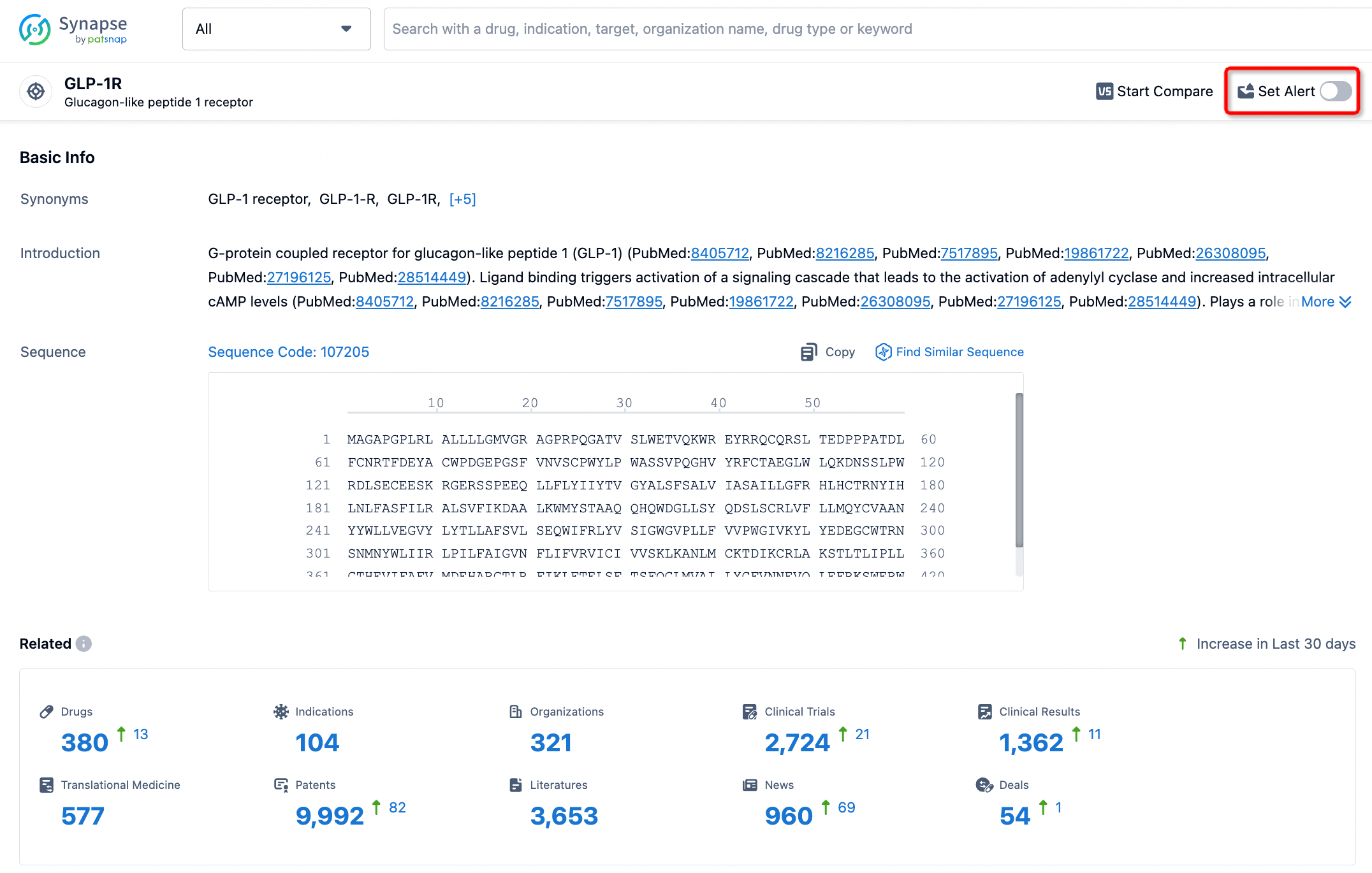
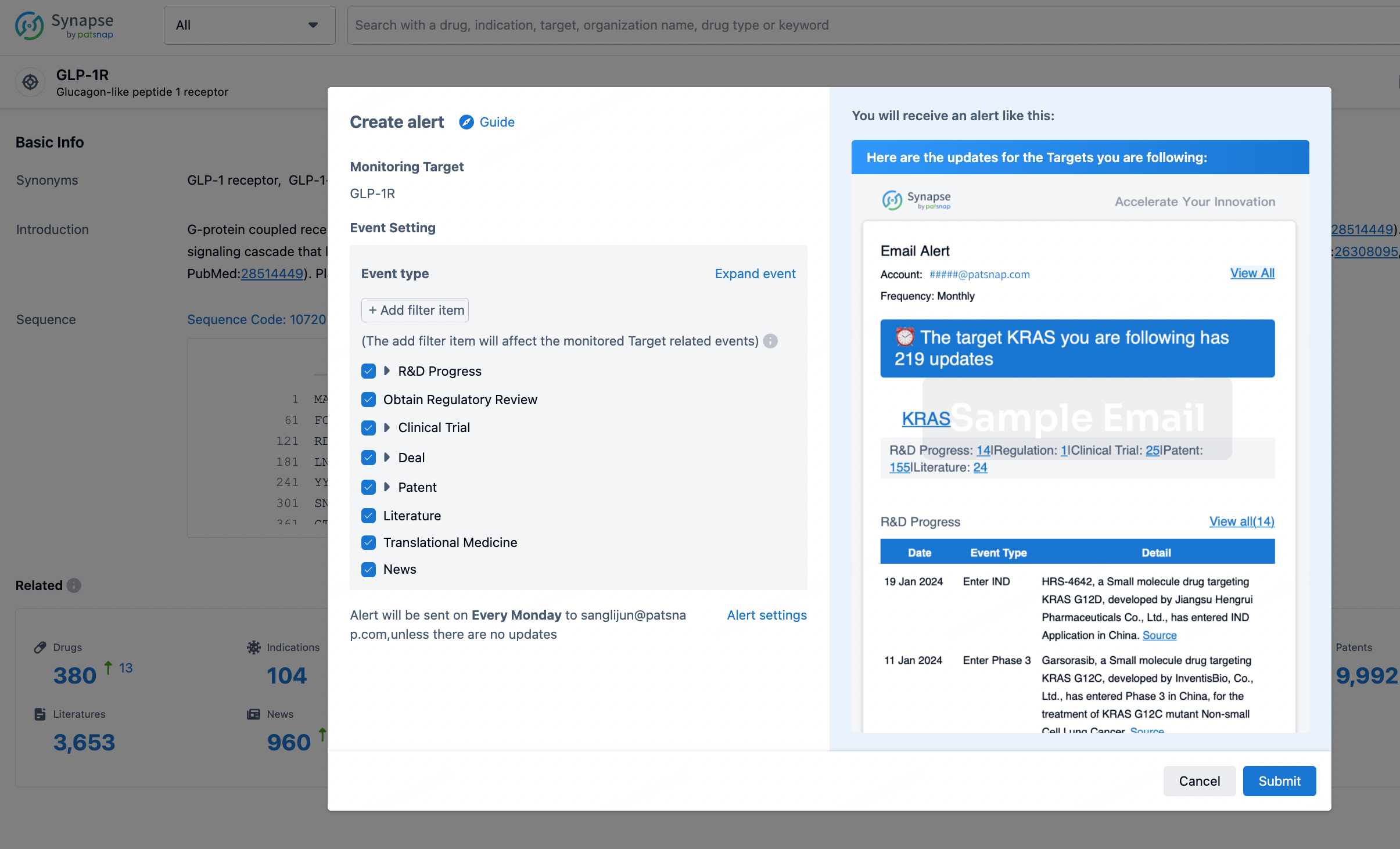
In the Synapse database, you can stay updated on the latest research and development advances of all targets. This service is accessible anytime and anywhere, with updates available daily or weekly. Use the "Set Alert" function to stay informed. Click on the image below to embark on a brand new journey of drug discovery!

AI Agents Built for Biopharma Breakthroughs
Accelerate discovery. Empower decisions. Transform outcomes.
Get started for free today!
Accelerate Strategic R&D decision making with Synapse, PatSnap’s AI-powered Connected Innovation Intelligence Platform Built for Life Sciences Professionals.
Start your data trial now!
Synapse data is also accessible to external entities via APIs or data packages. Empower better decisions with the latest in pharmaceutical intelligence.