Request Demo
What are TGF-β1 inhibitors and how do they work?
21 June 2024
Transforming Growth Factor-beta 1 (TGF-β1) is an integral cytokine that plays a pivotal role in various cellular processes, such as cell growth, differentiation, apoptosis, and immune response regulation. However, aberrant TGF-β1 signaling has been implicated in the pathogenesis of numerous diseases, including cancer, fibrosis, and autoimmune disorders. Consequently, TGF-β1 inhibitors have emerged as a promising therapeutic strategy to modulate this pathway and provide clinical benefits in treating these conditions. In this blog post, we will explore the mechanisms by which TGF-β1 inhibitors operate, their clinical applications, and their potential in transforming disease management.
TGF-β1 inhibitors function by targeting various components of the TGF-β1 signaling pathway to mitigate its effects. The TGF-β1 pathway begins when the TGF-β1 ligand binds to its receptor on the cell surface, initiating a cascade of intracellular events. This binding activates the Smad proteins, which translocate to the nucleus and regulate gene expression. TGF-β1 inhibitors can disrupt this pathway at multiple levels. Some inhibitors target the ligand itself, preventing it from binding to its receptor. Others inhibit the receptors (TGF-β1 receptor type I and II) directly, blocking the signal transduction. Additionally, several inhibitors focus on the Smad proteins or other downstream signaling molecules to prevent the transcriptional activation of TGF-β1-responsive genes. By interfering with these key steps, TGF-β1 inhibitors can effectively attenuate the pathological actions of TGF-β1 in various diseases.
The therapeutic applications of TGF-β1 inhibitors are broad and hold significant promise for clinical use. In oncology, TGF-β1 plays a dual role, acting as a tumor suppressor in early stages of cancer but promoting tumor progression and metastasis in later stages. TGF-β1 inhibitors have been shown to inhibit tumor growth, reduce metastasis, and enhance the efficacy of other cancer therapies, such as immunotherapy and chemotherapy. Several clinical trials are currently investigating the efficacy of TGF-β1 inhibitors in various cancer types, including breast, lung, and pancreatic cancers.
In the realm of fibrotic diseases, TGF-β1 is a key driver of fibrosis, a pathological process characterized by excessive deposition of extracellular matrix components leading to tissue scarring and organ dysfunction. This is evident in conditions such as idiopathic pulmonary fibrosis, liver cirrhosis, and renal fibrosis. By inhibiting TGF-β1 signaling, these inhibitors can reduce fibroblast activation, extracellular matrix production, and ultimately, fibrosis progression. This approach shows great potential in treating fibrotic diseases that currently have limited therapeutic options.
Autoimmune disorders represent another critical area where TGF-β1 inhibitors can be beneficial. TGF-β1 plays a complex role in immune regulation, and its dysregulation can contribute to the development of autoimmune diseases such as rheumatoid arthritis, systemic lupus erythematosus, and multiple sclerosis. By modulating TGF-β1 activity, these inhibitors can help balance immune responses, reduce inflammation, and prevent tissue damage associated with autoimmune conditions.
In addition to these primary applications, TGF-β1 inhibitors are also being explored for their potential in treating cardiovascular diseases, chronic kidney disease, and even in promoting wound healing and tissue regeneration. The versatility of TGF-β1 inhibitors in targeting multiple pathways and processes underscores their potential as a multifaceted therapeutic tool.
In conclusion, TGF-β1 inhibitors represent a burgeoning field of research with immense therapeutic potential across a spectrum of diseases. By understanding and harnessing the mechanisms by which these inhibitors operate, researchers and clinicians can develop novel treatment strategies that address the underlying pathologies of cancer, fibrosis, autoimmune disorders, and beyond. As our knowledge of TGF-β1 signaling and its inhibitors continues to expand, so too does the promise of more effective and targeted therapies that can improve patient outcomes and revolutionize disease management.
TGF-β1 inhibitors function by targeting various components of the TGF-β1 signaling pathway to mitigate its effects. The TGF-β1 pathway begins when the TGF-β1 ligand binds to its receptor on the cell surface, initiating a cascade of intracellular events. This binding activates the Smad proteins, which translocate to the nucleus and regulate gene expression. TGF-β1 inhibitors can disrupt this pathway at multiple levels. Some inhibitors target the ligand itself, preventing it from binding to its receptor. Others inhibit the receptors (TGF-β1 receptor type I and II) directly, blocking the signal transduction. Additionally, several inhibitors focus on the Smad proteins or other downstream signaling molecules to prevent the transcriptional activation of TGF-β1-responsive genes. By interfering with these key steps, TGF-β1 inhibitors can effectively attenuate the pathological actions of TGF-β1 in various diseases.
The therapeutic applications of TGF-β1 inhibitors are broad and hold significant promise for clinical use. In oncology, TGF-β1 plays a dual role, acting as a tumor suppressor in early stages of cancer but promoting tumor progression and metastasis in later stages. TGF-β1 inhibitors have been shown to inhibit tumor growth, reduce metastasis, and enhance the efficacy of other cancer therapies, such as immunotherapy and chemotherapy. Several clinical trials are currently investigating the efficacy of TGF-β1 inhibitors in various cancer types, including breast, lung, and pancreatic cancers.
In the realm of fibrotic diseases, TGF-β1 is a key driver of fibrosis, a pathological process characterized by excessive deposition of extracellular matrix components leading to tissue scarring and organ dysfunction. This is evident in conditions such as idiopathic pulmonary fibrosis, liver cirrhosis, and renal fibrosis. By inhibiting TGF-β1 signaling, these inhibitors can reduce fibroblast activation, extracellular matrix production, and ultimately, fibrosis progression. This approach shows great potential in treating fibrotic diseases that currently have limited therapeutic options.
Autoimmune disorders represent another critical area where TGF-β1 inhibitors can be beneficial. TGF-β1 plays a complex role in immune regulation, and its dysregulation can contribute to the development of autoimmune diseases such as rheumatoid arthritis, systemic lupus erythematosus, and multiple sclerosis. By modulating TGF-β1 activity, these inhibitors can help balance immune responses, reduce inflammation, and prevent tissue damage associated with autoimmune conditions.
In addition to these primary applications, TGF-β1 inhibitors are also being explored for their potential in treating cardiovascular diseases, chronic kidney disease, and even in promoting wound healing and tissue regeneration. The versatility of TGF-β1 inhibitors in targeting multiple pathways and processes underscores their potential as a multifaceted therapeutic tool.
In conclusion, TGF-β1 inhibitors represent a burgeoning field of research with immense therapeutic potential across a spectrum of diseases. By understanding and harnessing the mechanisms by which these inhibitors operate, researchers and clinicians can develop novel treatment strategies that address the underlying pathologies of cancer, fibrosis, autoimmune disorders, and beyond. As our knowledge of TGF-β1 signaling and its inhibitors continues to expand, so too does the promise of more effective and targeted therapies that can improve patient outcomes and revolutionize disease management.
How to obtain the latest development progress of all targets?
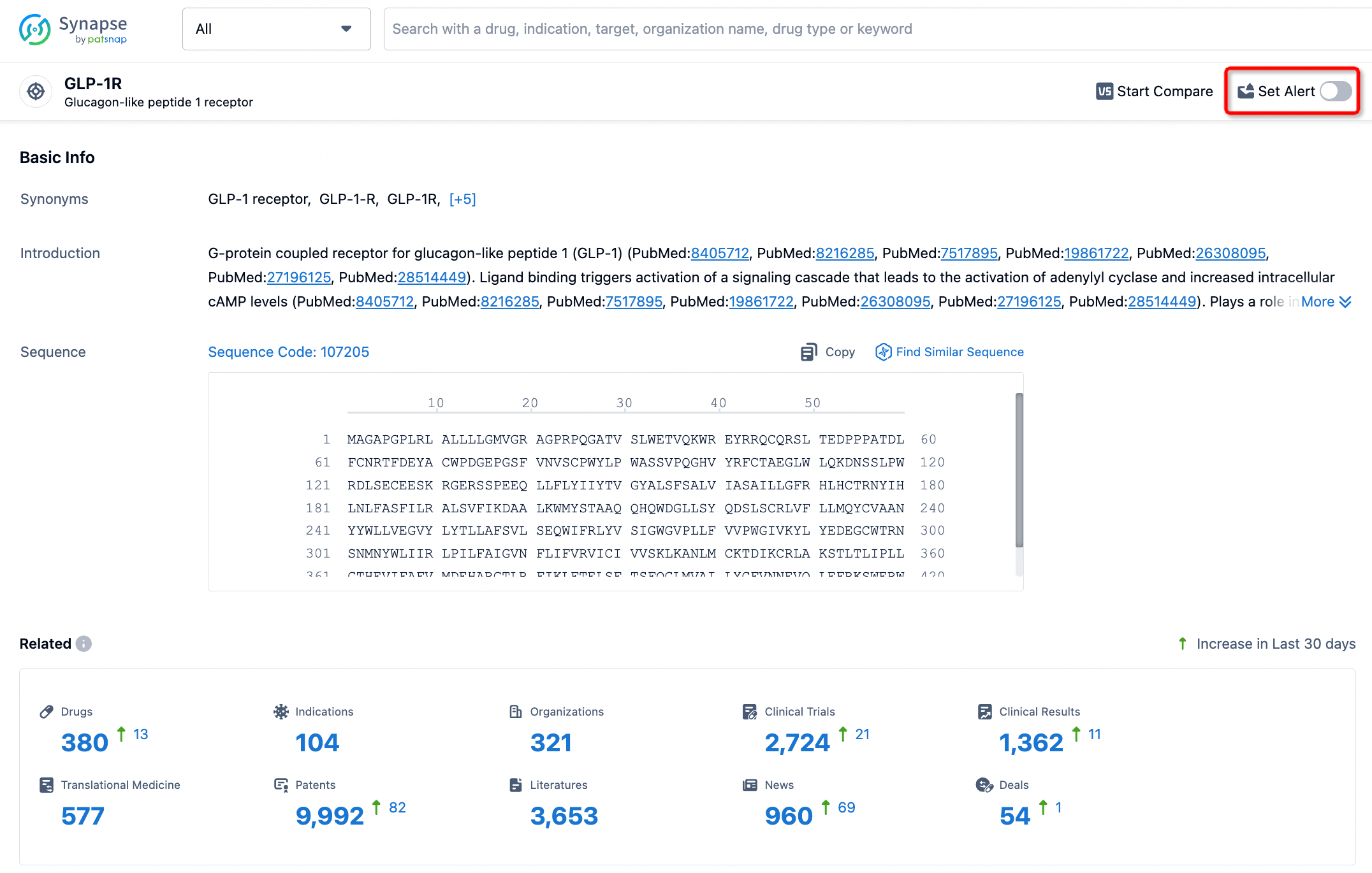
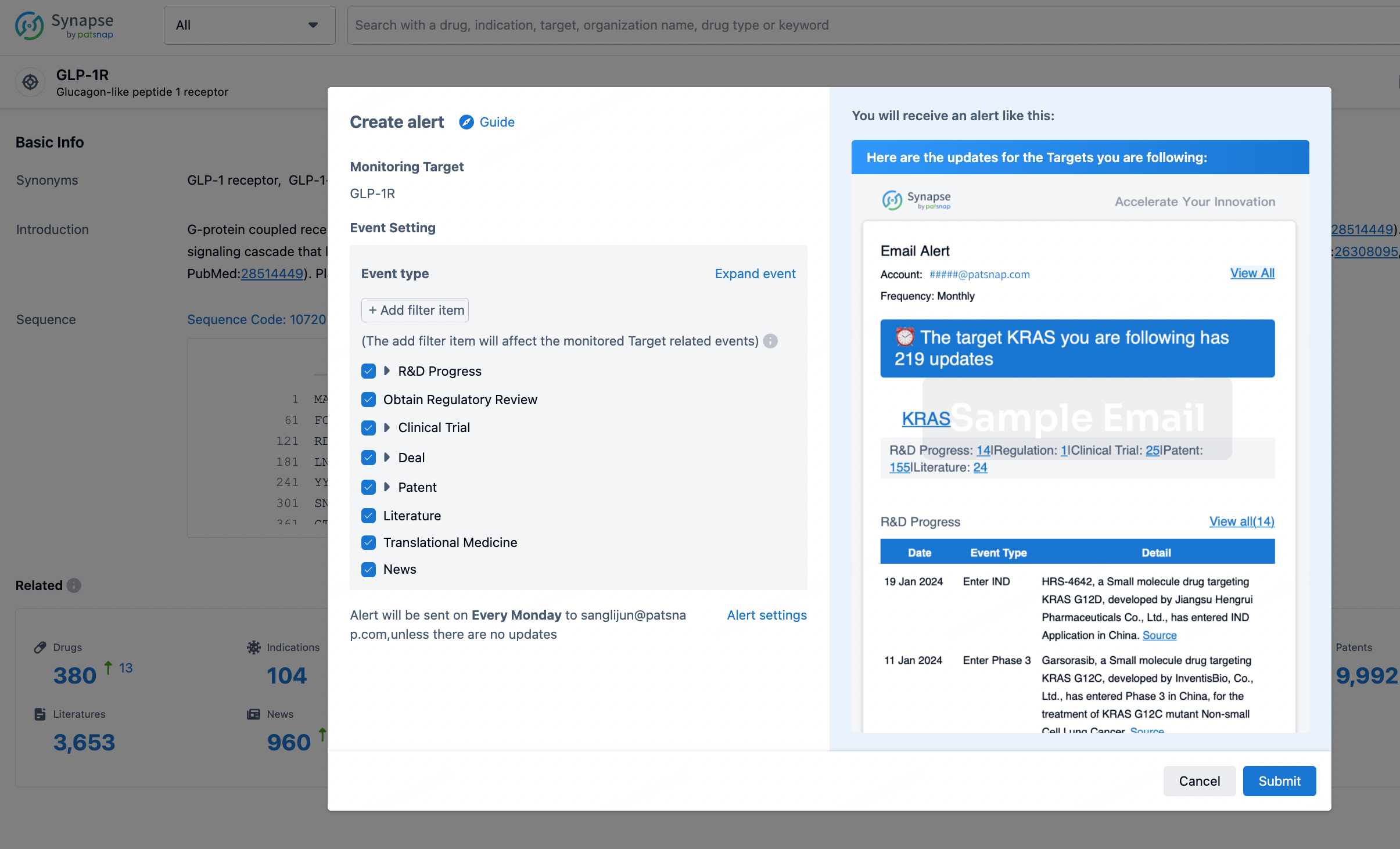
In the Synapse database, you can stay updated on the latest research and development advances of all targets. This service is accessible anytime and anywhere, with updates available daily or weekly. Use the "Set Alert" function to stay informed. Click on the image below to embark on a brand new journey of drug discovery!
AI Agents Built for Biopharma Breakthroughs
Accelerate discovery. Empower decisions. Transform outcomes.
Get started for free today!
Accelerate Strategic R&D decision making with Synapse, PatSnap’s AI-powered Connected Innovation Intelligence Platform Built for Life Sciences Professionals.
Start your data trial now!
Synapse data is also accessible to external entities via APIs or data packages. Empower better decisions with the latest in pharmaceutical intelligence.