Request Demo
What are the side effects of Lisocabtagene maraleucel?
12 July 2024
Lisocabtagene maraleucel (liso-cel) is an advanced therapeutic option for certain types of blood cancers, specifically large B-cell lymphomas. As a chimeric antigen receptor T-cell (CAR T-cell) therapy, it involves genetically modifying a patient's T-cells to target and destroy cancer cells. While this innovative treatment offers hope for patients with otherwise refractory cancers, it is not without its side effects. Understanding these side effects is crucial for both patients and healthcare providers to manage them effectively and improve patient outcomes.
One of the most common and potentially serious side effects of lisocabtagene maraleucel is cytokine release syndrome (CRS). CRS occurs when the infused T-cells activate and release a large amount of cytokines into the bloodstream. Symptoms of CRS can range from mild to severe and may include fever, fatigue, headache, muscle and joint pain, nausea, and low blood pressure. In severe cases, CRS can lead to organ dysfunction and can be life-threatening. Prompt recognition and treatment of CRS are essential, often involving supportive care and medications such as tocilizumab, which blocks the effects of IL-6, a cytokine commonly involved in this response.
Another significant side effect is neurotoxicity, also known as immune effector cell-associated neurotoxicity syndrome (ICANS). Neurotoxicity can manifest as confusion, difficulty speaking, tremors, seizures, and in severe cases, coma. The onset of neurotoxicity typically occurs within a few days to a few weeks after the infusion of lisocabtagene maraleucel. Management of neurotoxicity often involves corticosteroids and supportive care, and patients are closely monitored for any signs of neurological impairment.
Infections are a notable side effect due to the immunosuppressive nature of the CAR T-cell therapy and the preconditioning chemotherapy that patients receive prior to the infusion. Patients are at increased risk for bacterial, viral, and fungal infections. Preventative measures, including prophylactic antibiotics, antiviral agents, and antifungal medications, are commonly employed to mitigate this risk. Additionally, patients are monitored closely for signs of infection, and prompt treatment is initiated if an infection occurs.
Patients undergoing lisocabtagene maraleucel therapy may also experience hematologic toxicities. These can include low levels of blood cells such as neutropenia (low white blood cells), thrombocytopenia (low platelets), and anemia (low red blood cells). These conditions can make patients more susceptible to infections, bleeding, and fatigue. Management strategies include growth factor support, transfusions, and other supportive care measures to maintain adequate blood cell levels.
Some patients may experience cardiovascular side effects, including hypotension (low blood pressure) and arrhythmias (irregular heartbeats). These effects are often associated with CRS but can also occur independently. Continuous monitoring of cardiovascular function and appropriate interventions are essential in managing these side effects.
Gastrointestinal symptoms, such as nausea, vomiting, diarrhea, and abdominal pain, can also occur with lisocabtagene maraleucel therapy. These symptoms can often be managed with standard supportive care, including antiemetics and hydration.
It is also important to note that secondary malignancies are a potential long-term side effect of CAR T-cell therapies, including lisocabtagene maraleucel. Although rare, patients need long-term follow-up to monitor for the development of new cancers.
In conclusion, while lisocabtagene maraleucel represents a breakthrough in the treatment of certain blood cancers, it comes with a range of potential side effects. Cytokine release syndrome, neurotoxicity, infections, hematologic toxicities, cardiovascular effects, gastrointestinal symptoms, and the risk of secondary malignancies are all important considerations. Effective management of these side effects requires a multidisciplinary approach and close monitoring to ensure patient safety and optimize treatment outcomes. As with any medical treatment, patients should have thorough discussions with their healthcare providers to understand the risks and benefits of lisocabtagene maraleucel therapy.
One of the most common and potentially serious side effects of lisocabtagene maraleucel is cytokine release syndrome (CRS). CRS occurs when the infused T-cells activate and release a large amount of cytokines into the bloodstream. Symptoms of CRS can range from mild to severe and may include fever, fatigue, headache, muscle and joint pain, nausea, and low blood pressure. In severe cases, CRS can lead to organ dysfunction and can be life-threatening. Prompt recognition and treatment of CRS are essential, often involving supportive care and medications such as tocilizumab, which blocks the effects of IL-6, a cytokine commonly involved in this response.
Another significant side effect is neurotoxicity, also known as immune effector cell-associated neurotoxicity syndrome (ICANS). Neurotoxicity can manifest as confusion, difficulty speaking, tremors, seizures, and in severe cases, coma. The onset of neurotoxicity typically occurs within a few days to a few weeks after the infusion of lisocabtagene maraleucel. Management of neurotoxicity often involves corticosteroids and supportive care, and patients are closely monitored for any signs of neurological impairment.
Infections are a notable side effect due to the immunosuppressive nature of the CAR T-cell therapy and the preconditioning chemotherapy that patients receive prior to the infusion. Patients are at increased risk for bacterial, viral, and fungal infections. Preventative measures, including prophylactic antibiotics, antiviral agents, and antifungal medications, are commonly employed to mitigate this risk. Additionally, patients are monitored closely for signs of infection, and prompt treatment is initiated if an infection occurs.
Patients undergoing lisocabtagene maraleucel therapy may also experience hematologic toxicities. These can include low levels of blood cells such as neutropenia (low white blood cells), thrombocytopenia (low platelets), and anemia (low red blood cells). These conditions can make patients more susceptible to infections, bleeding, and fatigue. Management strategies include growth factor support, transfusions, and other supportive care measures to maintain adequate blood cell levels.
Some patients may experience cardiovascular side effects, including hypotension (low blood pressure) and arrhythmias (irregular heartbeats). These effects are often associated with CRS but can also occur independently. Continuous monitoring of cardiovascular function and appropriate interventions are essential in managing these side effects.
Gastrointestinal symptoms, such as nausea, vomiting, diarrhea, and abdominal pain, can also occur with lisocabtagene maraleucel therapy. These symptoms can often be managed with standard supportive care, including antiemetics and hydration.
It is also important to note that secondary malignancies are a potential long-term side effect of CAR T-cell therapies, including lisocabtagene maraleucel. Although rare, patients need long-term follow-up to monitor for the development of new cancers.
In conclusion, while lisocabtagene maraleucel represents a breakthrough in the treatment of certain blood cancers, it comes with a range of potential side effects. Cytokine release syndrome, neurotoxicity, infections, hematologic toxicities, cardiovascular effects, gastrointestinal symptoms, and the risk of secondary malignancies are all important considerations. Effective management of these side effects requires a multidisciplinary approach and close monitoring to ensure patient safety and optimize treatment outcomes. As with any medical treatment, patients should have thorough discussions with their healthcare providers to understand the risks and benefits of lisocabtagene maraleucel therapy.
How to obtain the latest development progress of all drugs?
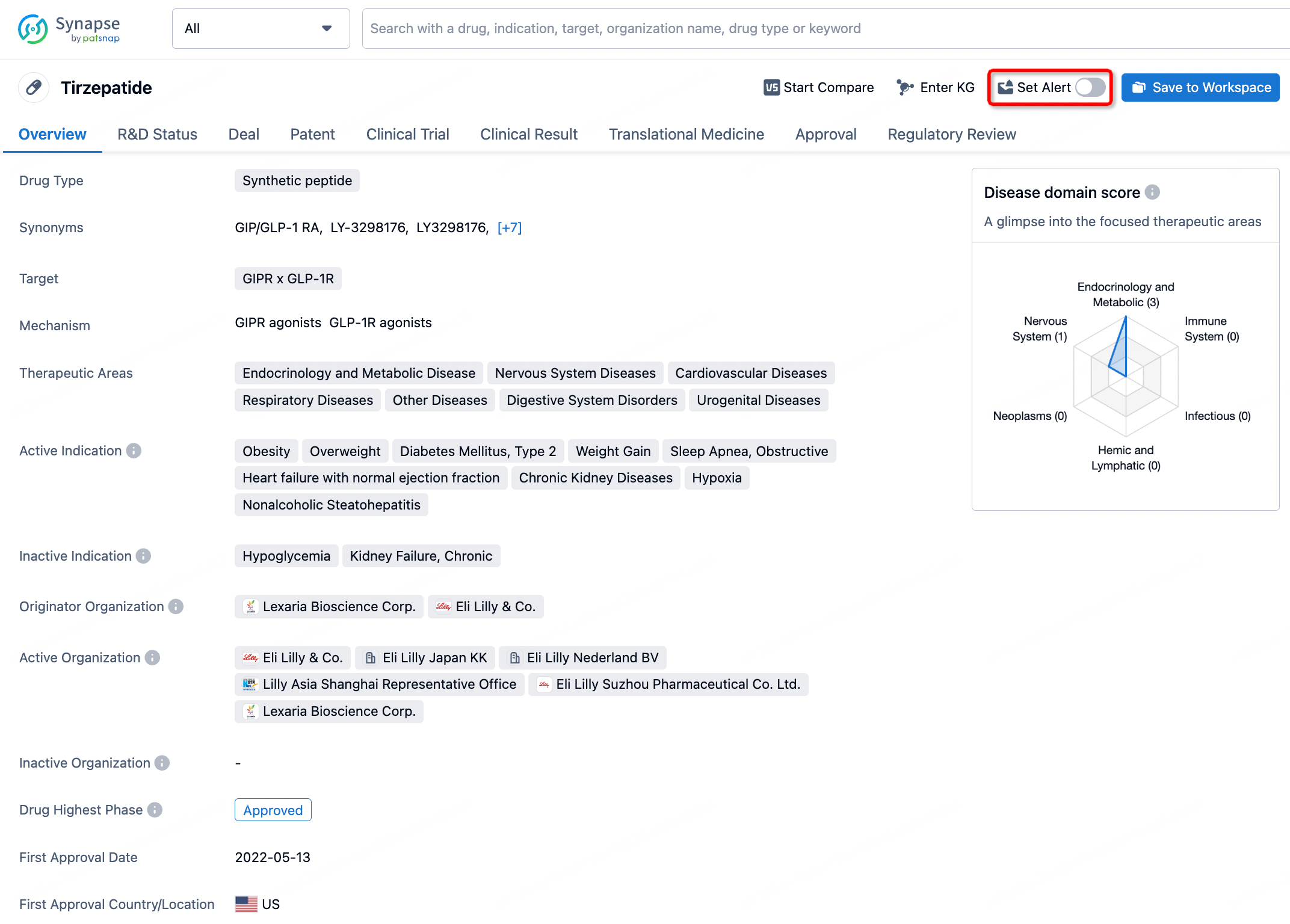
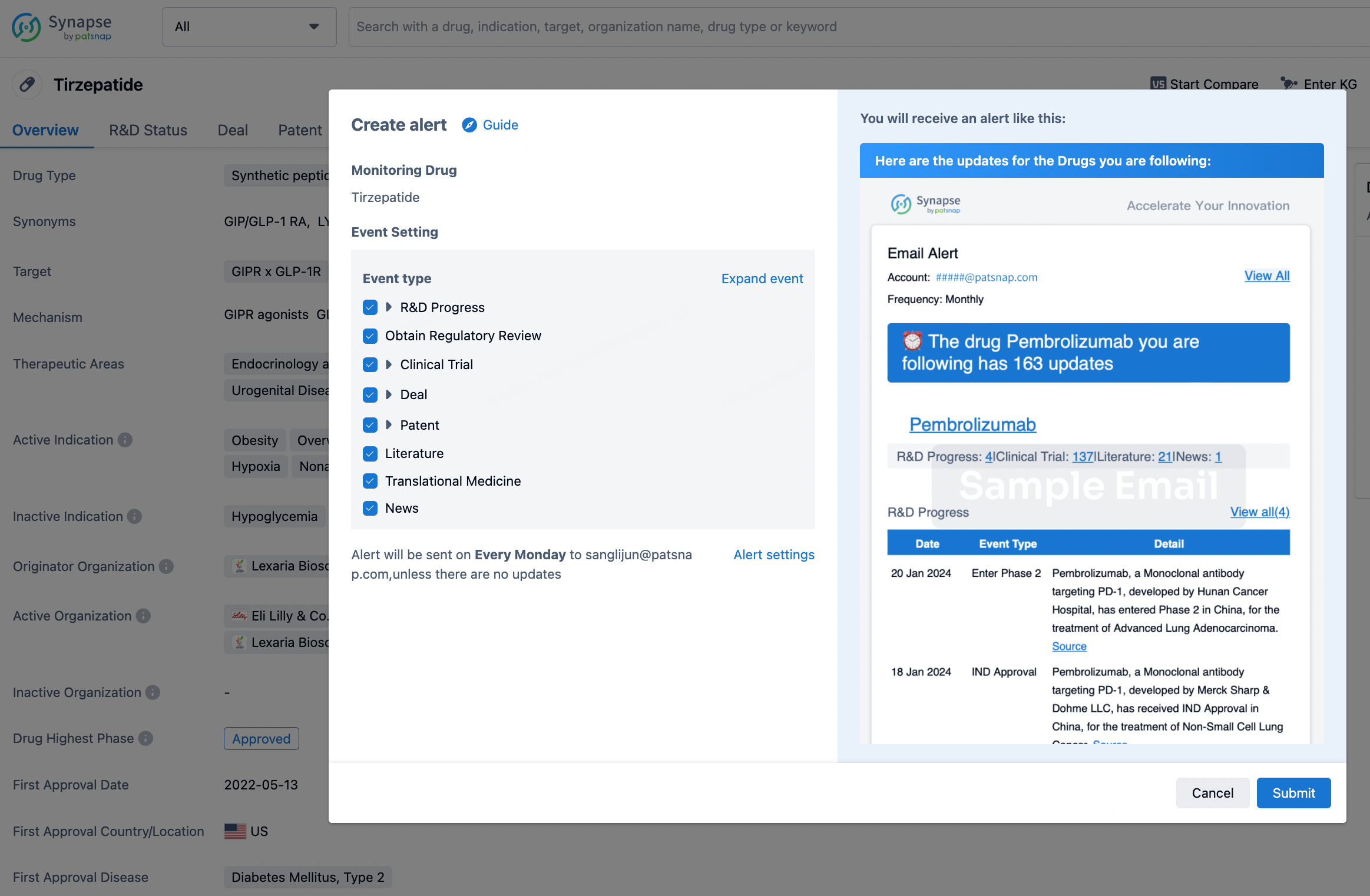
In the Synapse database, you can stay updated on the latest research and development advances of all drugs. This service is accessible anytime and anywhere, with updates available daily or weekly. Use the "Set Alert" function to stay informed. Click on the image below to embark on a brand new journey of drug discovery!
AI Agents Built for Biopharma Breakthroughs
Accelerate discovery. Empower decisions. Transform outcomes.
Get started for free today!
Accelerate Strategic R&D decision making with Synapse, PatSnap’s AI-powered Connected Innovation Intelligence Platform Built for Life Sciences Professionals.
Start your data trial now!
Synapse data is also accessible to external entities via APIs or data packages. Empower better decisions with the latest in pharmaceutical intelligence.