Request Demo
What are the side effects of Methylphenobarbital?
15 July 2024
Methylphenobarbital, also known as mephobarbital, is a barbiturate derivative primarily used as an anticonvulsant to manage epilepsy and, in some cases, to treat anxiety and insomnia. While effective for these purposes, it is crucial to understand that methylphenobarbital, like any medication, can produce side effects. These side effects can range from mild to severe and are important to consider for anyone using this drug or contemplating its use. Here, we will explore the various side effects associated with methylphenobarbital, providing a comprehensive overview to help patients and healthcare providers make informed decisions.
**Common Side Effects**
Many patients experience common side effects when taking methylphenobarbital. These side effects are typically mild and may diminish as the body adjusts to the medication. They include:
1. **Drowsiness:** One of the most frequent side effects is drowsiness, which can affect a person's ability to perform tasks that require alertness, such as driving or operating machinery.
2. **Dizziness:** Alongside drowsiness, dizziness is also commonly reported. Patients may feel lightheaded or unsteady, which can increase the risk of falls and accidents.
3. **Headache:** Some individuals may experience headaches while taking methylphenobarbital. These headaches can range from mild to moderate in intensity.
4. **Nausea and Vomiting:** Gastrointestinal distress, including nausea and vomiting, may occur, especially when first starting the medication.
5. **Constipation:** Another common issue is constipation, which can usually be managed with dietary adjustments and hydration.
**Less Common but Serious Side Effects**
While less common, some side effects of methylphenobarbital can be serious and warrant immediate medical attention. These include:
1. **Allergic Reactions:** Signs of an allergic reaction, such as rash, itching, swelling (especially of the face/tongue/throat), severe dizziness, and trouble breathing, require urgent medical intervention.
2. **Mental/Mood Changes:** Some patients may experience significant changes in mood or mental state, such as depression, agitation, confusion, or hallucinations.
3. **Severe Drowsiness or Fatigue:** Extreme tiredness that does not improve with rest can be a sign of a more serious condition.
4. **Difficulty Breathing:** Respiratory depression is a potentially life-threatening side effect, characterized by slow or shallow breathing.
5. **Unusual Bleeding or Bruising:** This can be indicative of a blood disorder or other serious condition and must be assessed by a healthcare provider.
**Long-Term Side Effects**
For individuals who use methylphenobarbital over an extended period, there are additional considerations:
1. **Dependence and Withdrawal:** Long-term use can lead to physical dependence. Abrupt discontinuation can cause withdrawal symptoms such as anxiety, muscle twitching, tremors, dizziness, and, in severe cases, seizures.
2. **Cognitive Impairment:** Chronic use may impair cognitive functions, including memory, concentration, and decision-making abilities.
3. **Tolerance:** Over time, the body may become tolerant to the effects of methylphenobarbital, requiring higher doses to achieve the same therapeutic effects, which can increase the risk of adverse effects.
**Drug Interactions**
Methylphenobarbital can interact with other medications, potentially altering their effects and increasing the risk of side effects. Important interactions include:
1. **Other CNS Depressants:** Combining methylphenobarbital with other central nervous system depressants, such as alcohol, benzodiazepines, or opioids, can potentiate sedative effects and increase the risk of respiratory depression.
2. **Enzyme Inducers/Inhibitors:** Medications that induce or inhibit liver enzymes can affect the metabolism of methylphenobarbital, leading to reduced efficacy or increased toxicity. Examples include certain antibiotics, antifungals, and antiepileptic drugs.
**Managing Side Effects**
Patients and healthcare providers can take several steps to manage and mitigate the side effects of methylphenobarbital:
1. **Gradual Dose Adjustment:** Starting with a low dose and gradually increasing it can help the body adjust and minimize initial side effects.
2. **Monitoring and Communication:** Regular monitoring by a healthcare provider and open communication about any side effects experienced can help in timely identification and management.
3. **Lifestyle Adjustments:** Incorporating healthy habits such as a balanced diet, regular exercise, and adequate hydration can alleviate some side effects like constipation and fatigue.
4. **Alternative Therapies:** In cases of severe or intolerable side effects, alternative medications or therapies should be considered under professional guidance.
In conclusion, while methylphenobarbital is an effective medication for managing certain medical conditions, it is associated with a range of side effects that need to be carefully monitored. Understanding these potential side effects and working closely with a healthcare provider can help ensure the safe and effective use of this drug.
**Common Side Effects**
Many patients experience common side effects when taking methylphenobarbital. These side effects are typically mild and may diminish as the body adjusts to the medication. They include:
1. **Drowsiness:** One of the most frequent side effects is drowsiness, which can affect a person's ability to perform tasks that require alertness, such as driving or operating machinery.
2. **Dizziness:** Alongside drowsiness, dizziness is also commonly reported. Patients may feel lightheaded or unsteady, which can increase the risk of falls and accidents.
3. **Headache:** Some individuals may experience headaches while taking methylphenobarbital. These headaches can range from mild to moderate in intensity.
4. **Nausea and Vomiting:** Gastrointestinal distress, including nausea and vomiting, may occur, especially when first starting the medication.
5. **Constipation:** Another common issue is constipation, which can usually be managed with dietary adjustments and hydration.
**Less Common but Serious Side Effects**
While less common, some side effects of methylphenobarbital can be serious and warrant immediate medical attention. These include:
1. **Allergic Reactions:** Signs of an allergic reaction, such as rash, itching, swelling (especially of the face/tongue/throat), severe dizziness, and trouble breathing, require urgent medical intervention.
2. **Mental/Mood Changes:** Some patients may experience significant changes in mood or mental state, such as depression, agitation, confusion, or hallucinations.
3. **Severe Drowsiness or Fatigue:** Extreme tiredness that does not improve with rest can be a sign of a more serious condition.
4. **Difficulty Breathing:** Respiratory depression is a potentially life-threatening side effect, characterized by slow or shallow breathing.
5. **Unusual Bleeding or Bruising:** This can be indicative of a blood disorder or other serious condition and must be assessed by a healthcare provider.
**Long-Term Side Effects**
For individuals who use methylphenobarbital over an extended period, there are additional considerations:
1. **Dependence and Withdrawal:** Long-term use can lead to physical dependence. Abrupt discontinuation can cause withdrawal symptoms such as anxiety, muscle twitching, tremors, dizziness, and, in severe cases, seizures.
2. **Cognitive Impairment:** Chronic use may impair cognitive functions, including memory, concentration, and decision-making abilities.
3. **Tolerance:** Over time, the body may become tolerant to the effects of methylphenobarbital, requiring higher doses to achieve the same therapeutic effects, which can increase the risk of adverse effects.
**Drug Interactions**
Methylphenobarbital can interact with other medications, potentially altering their effects and increasing the risk of side effects. Important interactions include:
1. **Other CNS Depressants:** Combining methylphenobarbital with other central nervous system depressants, such as alcohol, benzodiazepines, or opioids, can potentiate sedative effects and increase the risk of respiratory depression.
2. **Enzyme Inducers/Inhibitors:** Medications that induce or inhibit liver enzymes can affect the metabolism of methylphenobarbital, leading to reduced efficacy or increased toxicity. Examples include certain antibiotics, antifungals, and antiepileptic drugs.
**Managing Side Effects**
Patients and healthcare providers can take several steps to manage and mitigate the side effects of methylphenobarbital:
1. **Gradual Dose Adjustment:** Starting with a low dose and gradually increasing it can help the body adjust and minimize initial side effects.
2. **Monitoring and Communication:** Regular monitoring by a healthcare provider and open communication about any side effects experienced can help in timely identification and management.
3. **Lifestyle Adjustments:** Incorporating healthy habits such as a balanced diet, regular exercise, and adequate hydration can alleviate some side effects like constipation and fatigue.
4. **Alternative Therapies:** In cases of severe or intolerable side effects, alternative medications or therapies should be considered under professional guidance.
In conclusion, while methylphenobarbital is an effective medication for managing certain medical conditions, it is associated with a range of side effects that need to be carefully monitored. Understanding these potential side effects and working closely with a healthcare provider can help ensure the safe and effective use of this drug.
How to obtain the latest development progress of all drugs?
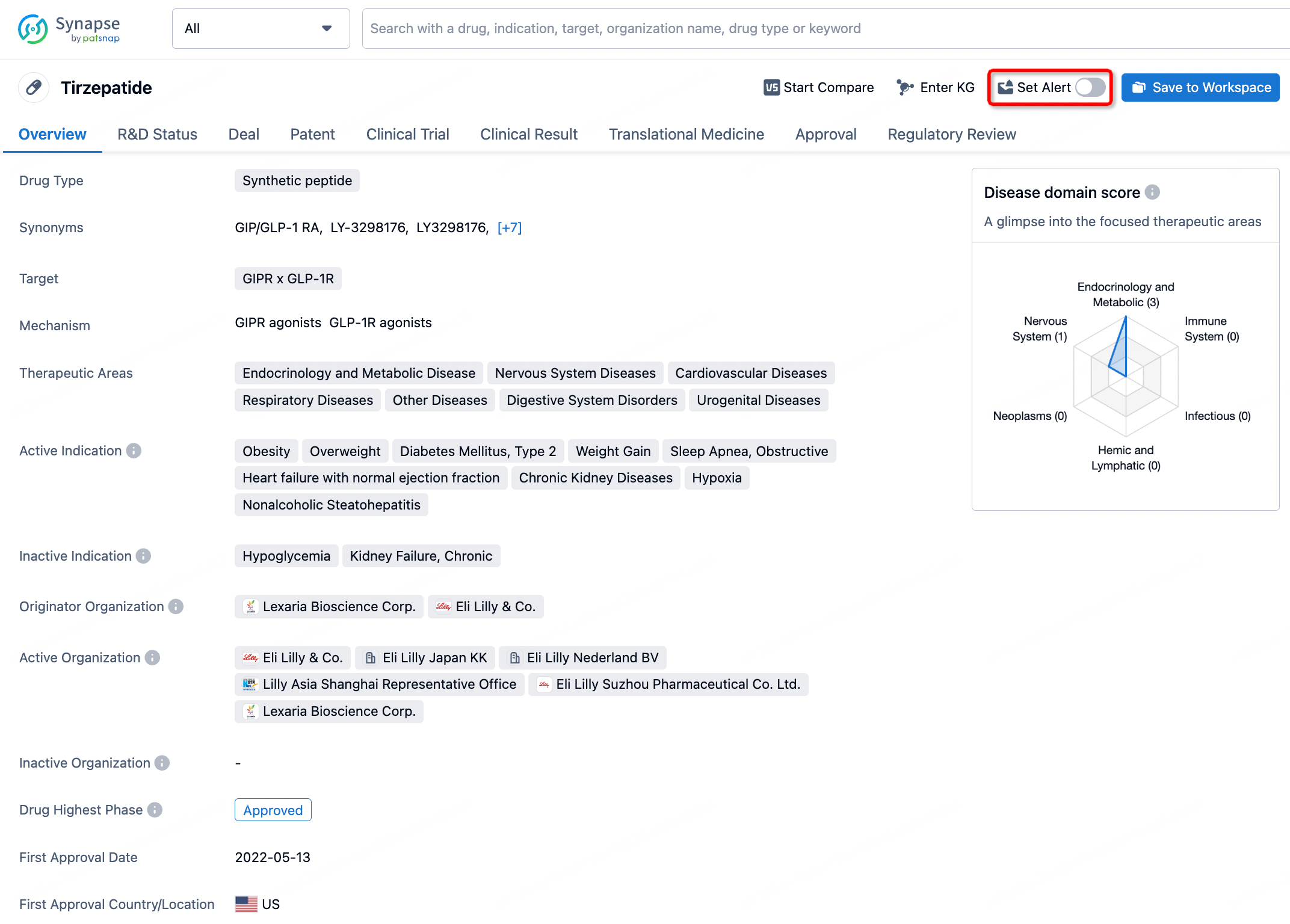
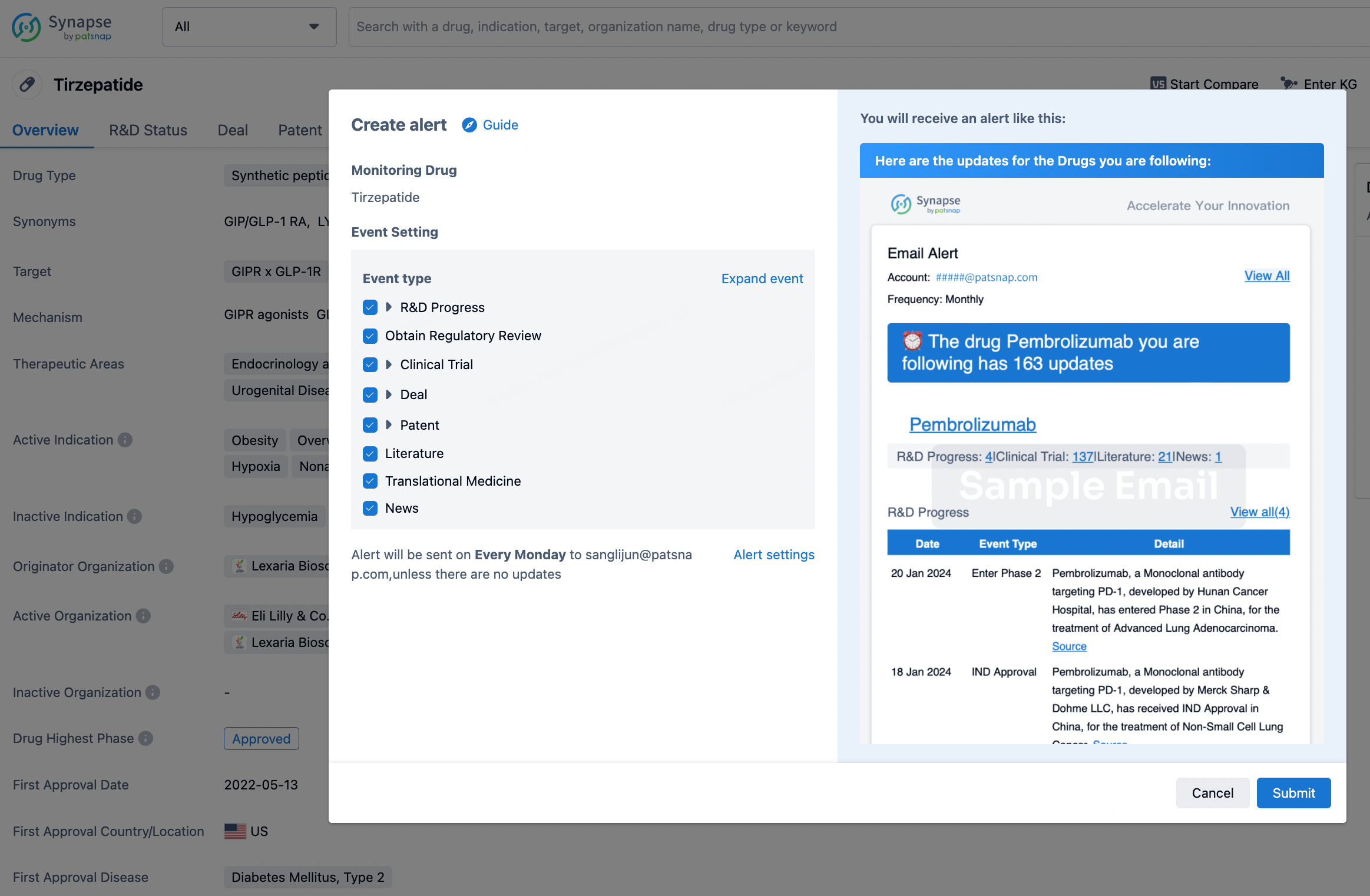
In the Synapse database, you can stay updated on the latest research and development advances of all drugs. This service is accessible anytime and anywhere, with updates available daily or weekly. Use the "Set Alert" function to stay informed. Click on the image below to embark on a brand new journey of drug discovery!

AI Agents Built for Biopharma Breakthroughs
Accelerate discovery. Empower decisions. Transform outcomes.
Get started for free today!
Accelerate Strategic R&D decision making with Synapse, PatSnap’s AI-powered Connected Innovation Intelligence Platform Built for Life Sciences Professionals.
Start your data trial now!
Synapse data is also accessible to external entities via APIs or data packages. Empower better decisions with the latest in pharmaceutical intelligence.