Request Demo
What are the side effects of Palivizumab?
12 July 2024
Palivizumab is a monoclonal antibody primarily used to prevent severe respiratory syncytial virus (RSV) infection in high-risk infants and young children. While it is generally considered safe, like any medical intervention, it can have side effects. Understanding these potential adverse reactions is crucial for parents and healthcare providers to ensure the well-being of the young patients receiving this treatment.
One of the most common side effects of Palivizumab is pain at the injection site. This can manifest as redness, swelling, or discomfort where the shot was administered. This localized reaction is typically mild and resolves on its own without the need for medical intervention. Applying a cold compress to the area and administering a mild pain reliever, like acetaminophen, can help alleviate the discomfort.
Another frequently observed side effect is fever. Following the injection, some children may develop a mild to moderate fever. This is usually temporary and can be managed with over-the-counter fever reducers. However, if the fever persists or is particularly high, it is advisable to consult a healthcare provider to rule out any serious complications.
Upper respiratory tract infections, such as the common cold, have also been reported in some cases. Symptoms may include a runny nose, cough, and congestion. While these symptoms can be concerning, especially in young children, they are generally mild and treatable with supportive care. Ensuring the child stays hydrated and comfortable can help hasten recovery.
Gastrointestinal issues, though less common, can occur. Some children may experience diarrhea, vomiting, or stomach pain after receiving Palivizumab. These symptoms are usually short-lived but can be distressing. Maintaining hydration and providing a bland diet can help manage these symptoms until they resolve.
In rare cases, more serious side effects can occur. These include severe allergic reactions, which may present as hives, difficulty breathing, and swelling of the face, lips, or throat. Anaphylaxis, though extremely rare, is a medical emergency and requires immediate attention. Parents and caregivers should be vigilant for any signs of a severe allergic reaction, especially after the first dose of Palivizumab.
Hypersensitivity reactions, which can include rash, itching, and flushing, might occur in some individuals. These reactions are typically mild and do not pose a significant threat. However, any unusual or persistent symptoms should be reported to a healthcare provider to ensure appropriate management.
Overall, while Palivizumab is an essential preventative measure for RSV in high-risk populations, it is not without its potential side effects. Most of these are mild and manageable, but awareness and prompt action when necessary can help mitigate the risks associated with its use. Parents and caregivers should work closely with their healthcare providers to monitor for any adverse effects and ensure the safety and health of the child receiving Palivizumab.
One of the most common side effects of Palivizumab is pain at the injection site. This can manifest as redness, swelling, or discomfort where the shot was administered. This localized reaction is typically mild and resolves on its own without the need for medical intervention. Applying a cold compress to the area and administering a mild pain reliever, like acetaminophen, can help alleviate the discomfort.
Another frequently observed side effect is fever. Following the injection, some children may develop a mild to moderate fever. This is usually temporary and can be managed with over-the-counter fever reducers. However, if the fever persists or is particularly high, it is advisable to consult a healthcare provider to rule out any serious complications.
Upper respiratory tract infections, such as the common cold, have also been reported in some cases. Symptoms may include a runny nose, cough, and congestion. While these symptoms can be concerning, especially in young children, they are generally mild and treatable with supportive care. Ensuring the child stays hydrated and comfortable can help hasten recovery.
Gastrointestinal issues, though less common, can occur. Some children may experience diarrhea, vomiting, or stomach pain after receiving Palivizumab. These symptoms are usually short-lived but can be distressing. Maintaining hydration and providing a bland diet can help manage these symptoms until they resolve.
In rare cases, more serious side effects can occur. These include severe allergic reactions, which may present as hives, difficulty breathing, and swelling of the face, lips, or throat. Anaphylaxis, though extremely rare, is a medical emergency and requires immediate attention. Parents and caregivers should be vigilant for any signs of a severe allergic reaction, especially after the first dose of Palivizumab.
Hypersensitivity reactions, which can include rash, itching, and flushing, might occur in some individuals. These reactions are typically mild and do not pose a significant threat. However, any unusual or persistent symptoms should be reported to a healthcare provider to ensure appropriate management.
Overall, while Palivizumab is an essential preventative measure for RSV in high-risk populations, it is not without its potential side effects. Most of these are mild and manageable, but awareness and prompt action when necessary can help mitigate the risks associated with its use. Parents and caregivers should work closely with their healthcare providers to monitor for any adverse effects and ensure the safety and health of the child receiving Palivizumab.
How to obtain the latest development progress of all drugs?
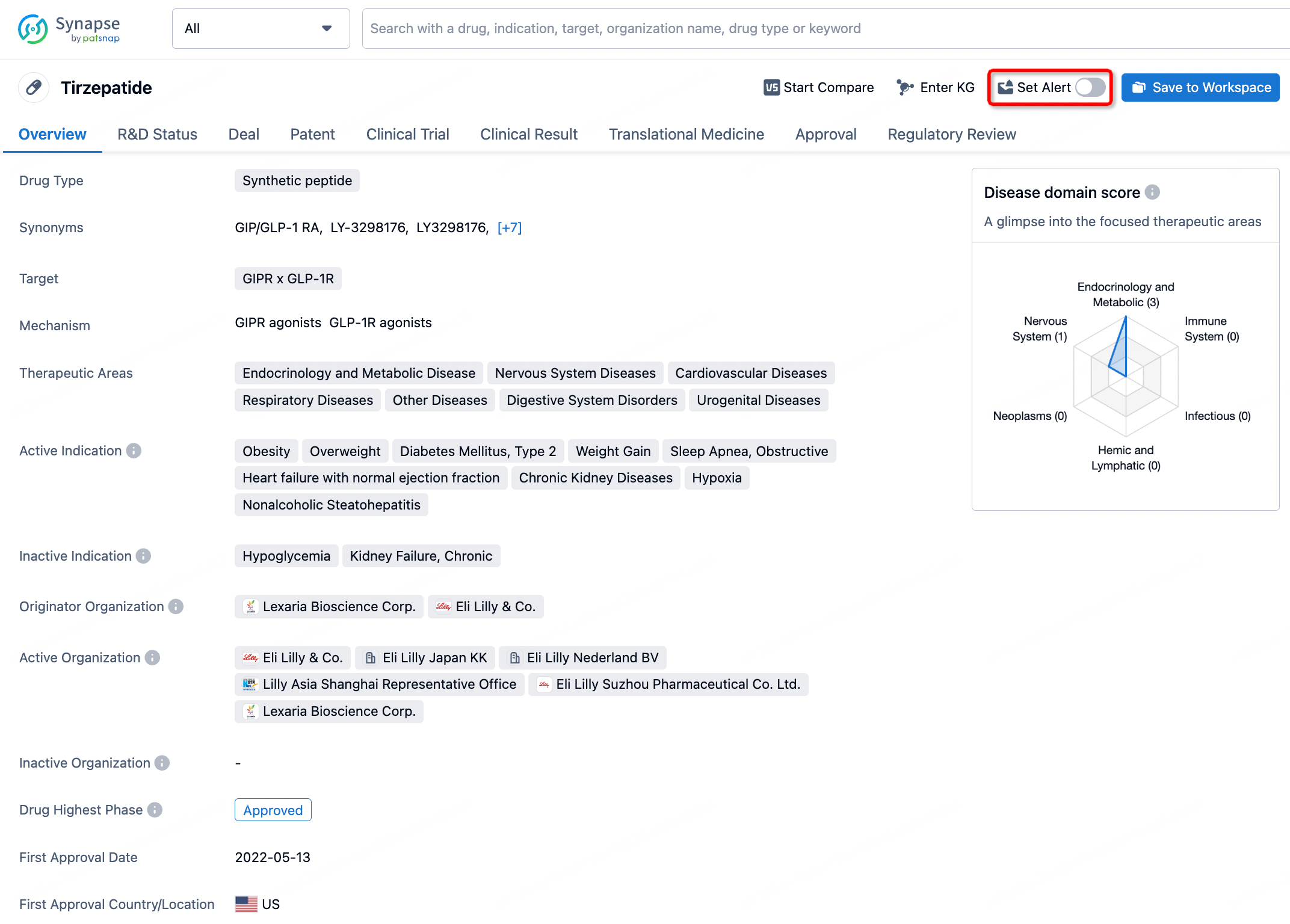
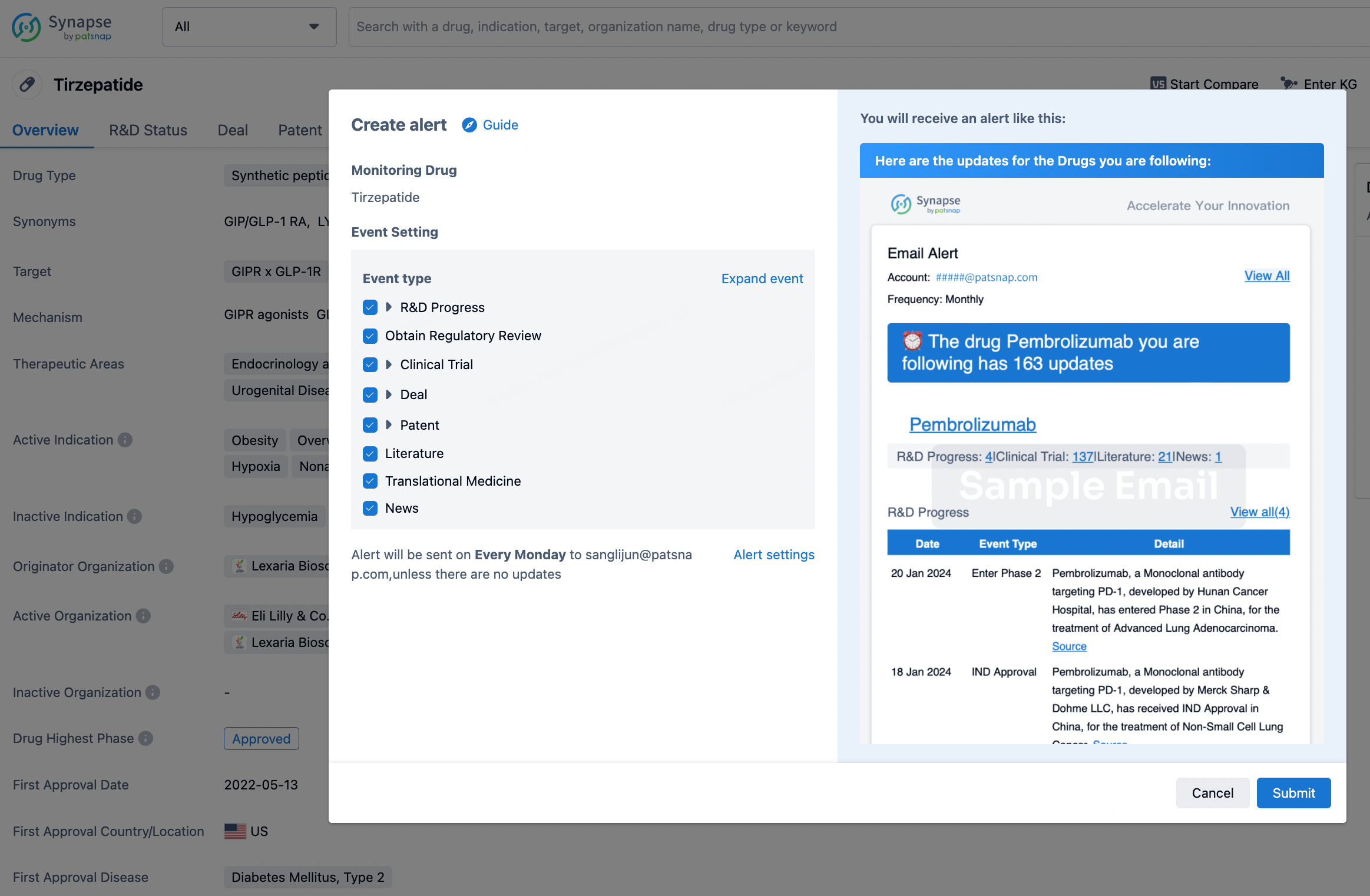
In the Synapse database, you can stay updated on the latest research and development advances of all drugs. This service is accessible anytime and anywhere, with updates available daily or weekly. Use the "Set Alert" function to stay informed. Click on the image below to embark on a brand new journey of drug discovery!
AI Agents Built for Biopharma Breakthroughs
Accelerate discovery. Empower decisions. Transform outcomes.
Get started for free today!
Accelerate Strategic R&D decision making with Synapse, PatSnap’s AI-powered Connected Innovation Intelligence Platform Built for Life Sciences Professionals.
Start your data trial now!
Synapse data is also accessible to external entities via APIs or data packages. Empower better decisions with the latest in pharmaceutical intelligence.