Request Demo
What are the side effects of Pegteograstim?
12 July 2024
Pegteograstim, also known as pegylated filgrastim, is a medication used primarily to reduce the risk of infection in patients undergoing chemotherapy. It works by stimulating the bone marrow to produce more white blood cells, which are crucial for fighting infections. However, like all medications, Pegteograstim comes with its own set of potential side effects. Understanding these side effects can help patients and healthcare providers manage them more effectively.
One of the most common side effects of Pegteograstim is bone pain. This occurs because the medication stimulates the bone marrow to produce more white blood cells, leading to an increased activity within the bones. Patients often report this pain in the lower back, hips, or legs. Over-the-counter pain relievers such as acetaminophen or ibuprofen can often alleviate this discomfort, but it's essential to consult with a healthcare provider before taking any additional medications.
Another frequent side effect is fatigue. While Pegteograstim helps boost the white blood cell count, the body's increased effort to produce these cells can lead to a feeling of overall tiredness and weakness. It's important for patients to listen to their bodies and get adequate rest during this time. Light activities and maintaining a balanced diet can also help manage fatigue.
Some patients may experience gastrointestinal issues such as nausea, vomiting, and diarrhea. These symptoms are generally mild but can be bothersome. Staying hydrated and eating small, frequent meals can help alleviate these symptoms. In some cases, anti-nausea medications may be prescribed by the healthcare provider.
There are also reports of injection site reactions, such as redness, swelling, or pain where the medication was administered. These reactions are usually mild and resolve on their own. Applying a cold compress to the affected area can provide relief. If the reaction persists or worsens, it is essential to seek medical advice.
Less common but more severe side effects include allergic reactions. Symptoms of an allergic reaction can include rash, itching, swelling, severe dizziness, and trouble breathing. If any of these symptoms occur, it is crucial to seek immediate medical attention.
A rare but serious side effect is the development of splenic rupture. The spleen may become enlarged and, in rare cases, rupture. Symptoms include severe pain in the upper left side of the abdomen, which may spread to the shoulder. This condition requires urgent medical attention.
Pegteograstim can also cause changes in blood chemistry, such as elevated levels of certain enzymes found in the liver. Regular blood tests are usually conducted to monitor these levels. If significant changes are detected, the healthcare provider may adjust the treatment plan accordingly.
Infections, though rare, can occur as a side effect of Pegteograstim. Symptoms of infection include fever, chills, and persistent sore throat. It's important to report these symptoms to a healthcare provider immediately for appropriate management.
In very rare cases, Pegteograstim can lead to acute respiratory distress syndrome (ARDS), a severe lung condition. Symptoms include difficulty breathing, rapid breathing, and a significant drop in oxygen levels. This condition requires urgent medical treatment.
Lastly, Pegteograstim can occasionally cause capillary leak syndrome, where fluids and proteins leak out of tiny blood vessels into surrounding tissues. This can lead to swelling, low blood pressure, and decreased blood volume. This is a medical emergency that requires prompt attention.
In conclusion, while Pegteograstim is an effective medication for reducing the risk of infection in chemotherapy patients, it is not without potential side effects. Common issues like bone pain, fatigue, and gastrointestinal discomfort can often be managed with supportive care and medications. However, it is essential to remain vigilant for more severe side effects and seek medical attention when necessary. Open communication with healthcare providers can help ensure that the benefits of Pegteograstim outweigh its risks.
One of the most common side effects of Pegteograstim is bone pain. This occurs because the medication stimulates the bone marrow to produce more white blood cells, leading to an increased activity within the bones. Patients often report this pain in the lower back, hips, or legs. Over-the-counter pain relievers such as acetaminophen or ibuprofen can often alleviate this discomfort, but it's essential to consult with a healthcare provider before taking any additional medications.
Another frequent side effect is fatigue. While Pegteograstim helps boost the white blood cell count, the body's increased effort to produce these cells can lead to a feeling of overall tiredness and weakness. It's important for patients to listen to their bodies and get adequate rest during this time. Light activities and maintaining a balanced diet can also help manage fatigue.
Some patients may experience gastrointestinal issues such as nausea, vomiting, and diarrhea. These symptoms are generally mild but can be bothersome. Staying hydrated and eating small, frequent meals can help alleviate these symptoms. In some cases, anti-nausea medications may be prescribed by the healthcare provider.
There are also reports of injection site reactions, such as redness, swelling, or pain where the medication was administered. These reactions are usually mild and resolve on their own. Applying a cold compress to the affected area can provide relief. If the reaction persists or worsens, it is essential to seek medical advice.
Less common but more severe side effects include allergic reactions. Symptoms of an allergic reaction can include rash, itching, swelling, severe dizziness, and trouble breathing. If any of these symptoms occur, it is crucial to seek immediate medical attention.
A rare but serious side effect is the development of splenic rupture. The spleen may become enlarged and, in rare cases, rupture. Symptoms include severe pain in the upper left side of the abdomen, which may spread to the shoulder. This condition requires urgent medical attention.
Pegteograstim can also cause changes in blood chemistry, such as elevated levels of certain enzymes found in the liver. Regular blood tests are usually conducted to monitor these levels. If significant changes are detected, the healthcare provider may adjust the treatment plan accordingly.
Infections, though rare, can occur as a side effect of Pegteograstim. Symptoms of infection include fever, chills, and persistent sore throat. It's important to report these symptoms to a healthcare provider immediately for appropriate management.
In very rare cases, Pegteograstim can lead to acute respiratory distress syndrome (ARDS), a severe lung condition. Symptoms include difficulty breathing, rapid breathing, and a significant drop in oxygen levels. This condition requires urgent medical treatment.
Lastly, Pegteograstim can occasionally cause capillary leak syndrome, where fluids and proteins leak out of tiny blood vessels into surrounding tissues. This can lead to swelling, low blood pressure, and decreased blood volume. This is a medical emergency that requires prompt attention.
In conclusion, while Pegteograstim is an effective medication for reducing the risk of infection in chemotherapy patients, it is not without potential side effects. Common issues like bone pain, fatigue, and gastrointestinal discomfort can often be managed with supportive care and medications. However, it is essential to remain vigilant for more severe side effects and seek medical attention when necessary. Open communication with healthcare providers can help ensure that the benefits of Pegteograstim outweigh its risks.
How to obtain the latest development progress of all drugs?
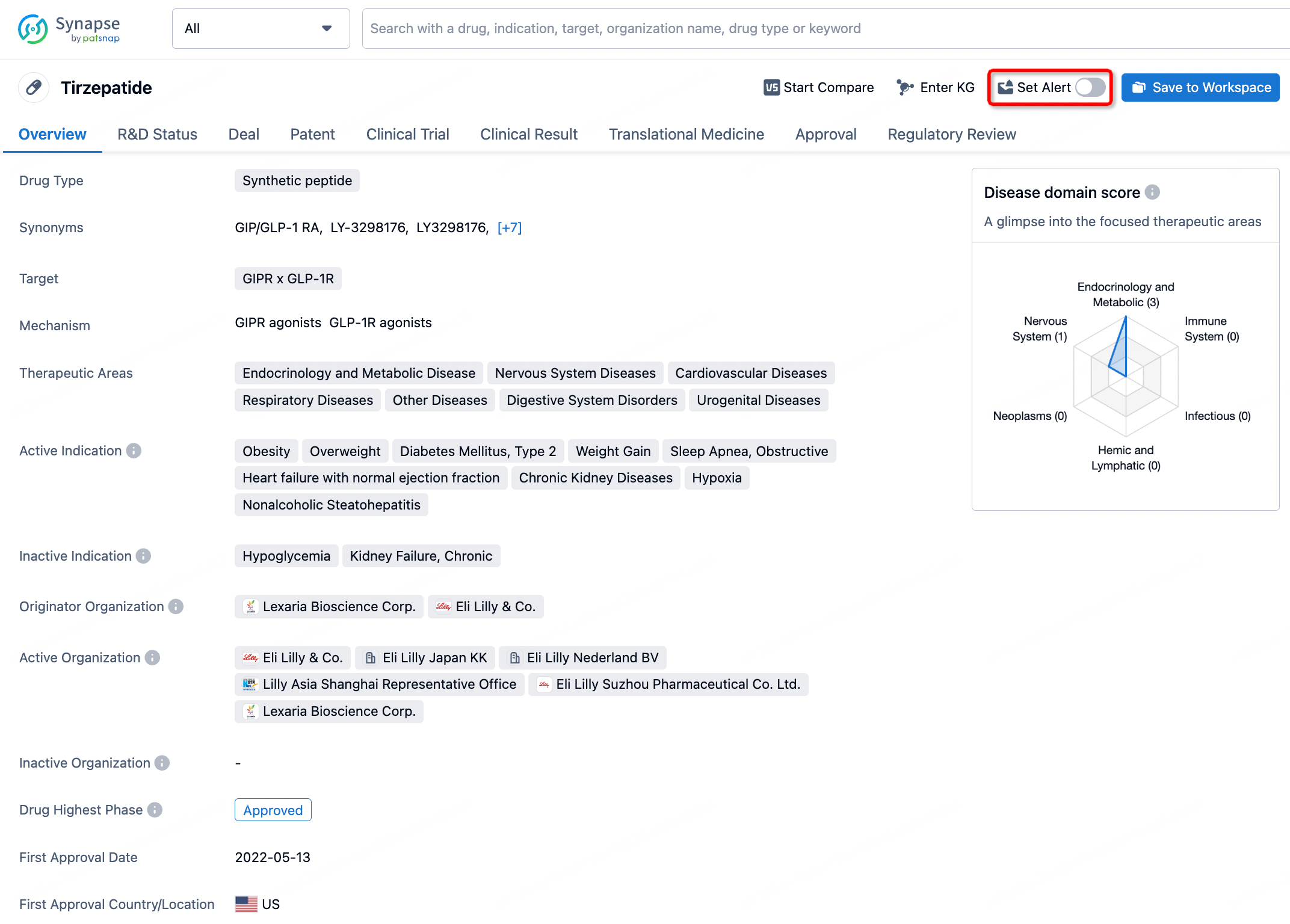
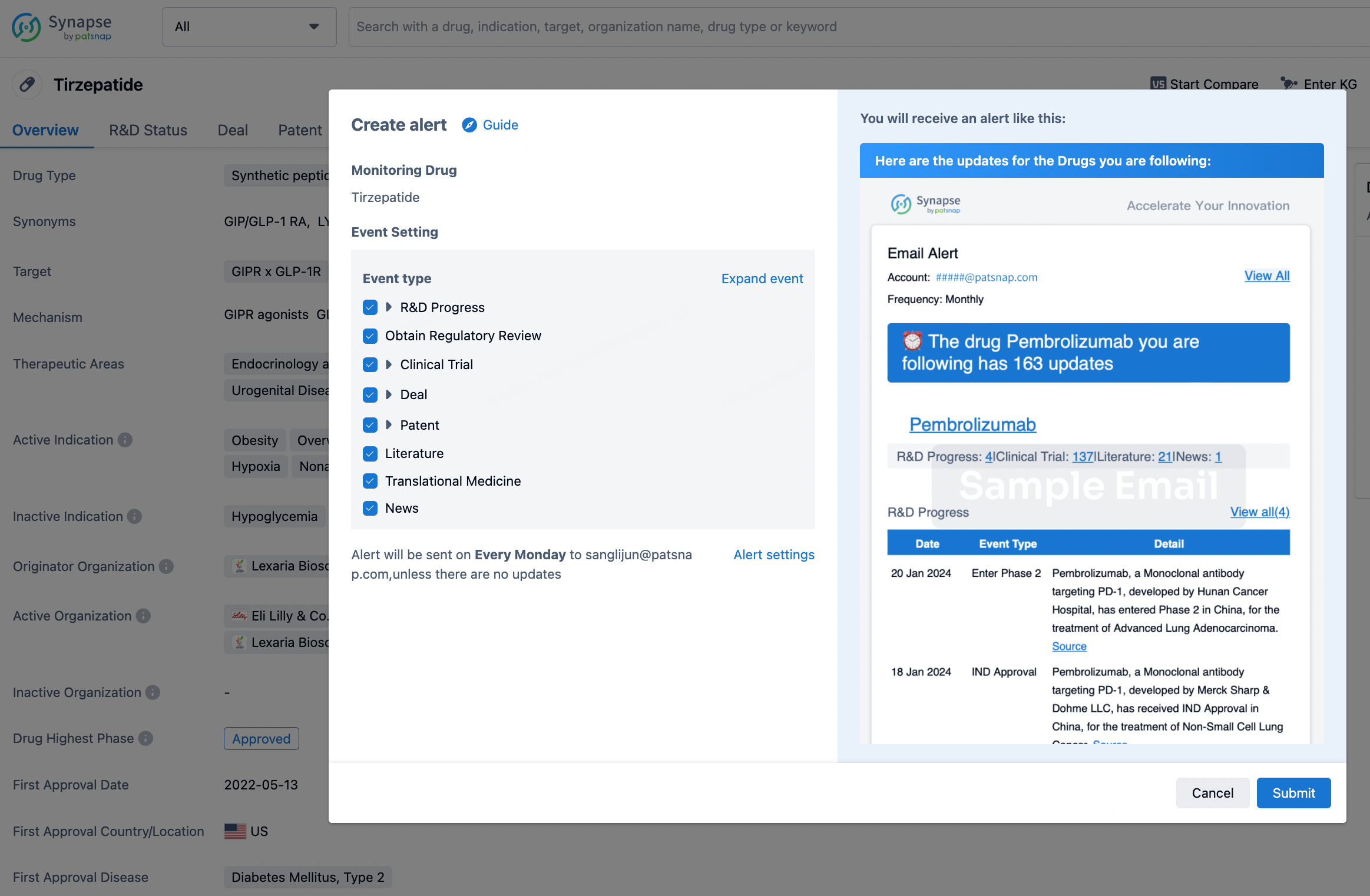
In the Synapse database, you can stay updated on the latest research and development advances of all drugs. This service is accessible anytime and anywhere, with updates available daily or weekly. Use the "Set Alert" function to stay informed. Click on the image below to embark on a brand new journey of drug discovery!
AI Agents Built for Biopharma Breakthroughs
Accelerate discovery. Empower decisions. Transform outcomes.
Get started for free today!
Accelerate Strategic R&D decision making with Synapse, PatSnap’s AI-powered Connected Innovation Intelligence Platform Built for Life Sciences Professionals.
Start your data trial now!
Synapse data is also accessible to external entities via APIs or data packages. Empower better decisions with the latest in pharmaceutical intelligence.