Request Demo
What are the side effects of Phacolysin?
15 July 2024
Phacolysin is a medication often prescribed for a variety of medical conditions, primarily for its anti-inflammatory and analgesic properties. While it can be highly effective for many patients, it's crucial to understand that, like any medication, Phacolysin can have side effects. Being informed about these potential side effects can help you manage them effectively and consult your healthcare provider when necessary.
One of the most common side effects associated with Phacolysin is gastrointestinal discomfort. Patients may experience symptoms such as nausea, vomiting, or diarrhea. These symptoms are usually mild and can often be managed by taking the medication with food or adjusting the dosage under the guidance of a healthcare professional. However, if these symptoms persist or worsen, it is important to seek medical advice.
Another common side effect is dizziness or lightheadedness. This can occur because Phacolysin can affect the central nervous system in some individuals. If you experience dizziness, it is advisable to avoid activities that require full alertness, such as driving or operating heavy machinery, until you know how the medication affects you.
Skin reactions are also possible when taking Phacolysin. Some individuals may develop a rash, itching, or other forms of skin irritation. These reactions are generally mild but can be bothersome. If you notice any severe skin reactions, such as hives or swelling, it is essential to contact your healthcare provider immediately, as this could indicate a more serious allergic reaction.
In some cases, Phacolysin can affect the liver. Although rare, liver-related side effects can include jaundice (yellowing of the skin or eyes), dark urine, and severe abdominal pain. Regular monitoring of liver function through blood tests may be recommended by your healthcare provider to ensure that the medication is not adversely affecting your liver.
Kidney function can also be impacted by Phacolysin, particularly with long-term use. Symptoms of kidney problems may include changes in the frequency or amount of urine, swelling in the legs or ankles, and unexplained fatigue. If you experience any of these symptoms, it is important to seek medical attention promptly.
Additionally, Phacolysin may interact with other medications you are taking. Drug interactions can enhance or reduce the effectiveness of your medications and may increase the risk of side effects. Therefore, it is crucial to inform your healthcare provider about all the medications you are currently taking, including over-the-counter drugs, supplements, and herbal products.
Lastly, although not common, some patients may experience psychological side effects such as mood swings, anxiety, or depression while taking Phacolysin. If you notice any changes in your mental health, it is important to discuss these symptoms with your healthcare provider to determine the best course of action.
In conclusion, while Phacolysin can be an effective treatment for various conditions, it is essential to be aware of the potential side effects. Always take the medication exactly as prescribed and communicate openly with your healthcare provider about any side effects you experience. By staying informed and vigilant, you can manage the side effects of Phacolysin and optimize your treatment outcomes.
One of the most common side effects associated with Phacolysin is gastrointestinal discomfort. Patients may experience symptoms such as nausea, vomiting, or diarrhea. These symptoms are usually mild and can often be managed by taking the medication with food or adjusting the dosage under the guidance of a healthcare professional. However, if these symptoms persist or worsen, it is important to seek medical advice.
Another common side effect is dizziness or lightheadedness. This can occur because Phacolysin can affect the central nervous system in some individuals. If you experience dizziness, it is advisable to avoid activities that require full alertness, such as driving or operating heavy machinery, until you know how the medication affects you.
Skin reactions are also possible when taking Phacolysin. Some individuals may develop a rash, itching, or other forms of skin irritation. These reactions are generally mild but can be bothersome. If you notice any severe skin reactions, such as hives or swelling, it is essential to contact your healthcare provider immediately, as this could indicate a more serious allergic reaction.
In some cases, Phacolysin can affect the liver. Although rare, liver-related side effects can include jaundice (yellowing of the skin or eyes), dark urine, and severe abdominal pain. Regular monitoring of liver function through blood tests may be recommended by your healthcare provider to ensure that the medication is not adversely affecting your liver.
Kidney function can also be impacted by Phacolysin, particularly with long-term use. Symptoms of kidney problems may include changes in the frequency or amount of urine, swelling in the legs or ankles, and unexplained fatigue. If you experience any of these symptoms, it is important to seek medical attention promptly.
Additionally, Phacolysin may interact with other medications you are taking. Drug interactions can enhance or reduce the effectiveness of your medications and may increase the risk of side effects. Therefore, it is crucial to inform your healthcare provider about all the medications you are currently taking, including over-the-counter drugs, supplements, and herbal products.
Lastly, although not common, some patients may experience psychological side effects such as mood swings, anxiety, or depression while taking Phacolysin. If you notice any changes in your mental health, it is important to discuss these symptoms with your healthcare provider to determine the best course of action.
In conclusion, while Phacolysin can be an effective treatment for various conditions, it is essential to be aware of the potential side effects. Always take the medication exactly as prescribed and communicate openly with your healthcare provider about any side effects you experience. By staying informed and vigilant, you can manage the side effects of Phacolysin and optimize your treatment outcomes.
How to obtain the latest development progress of all drugs?
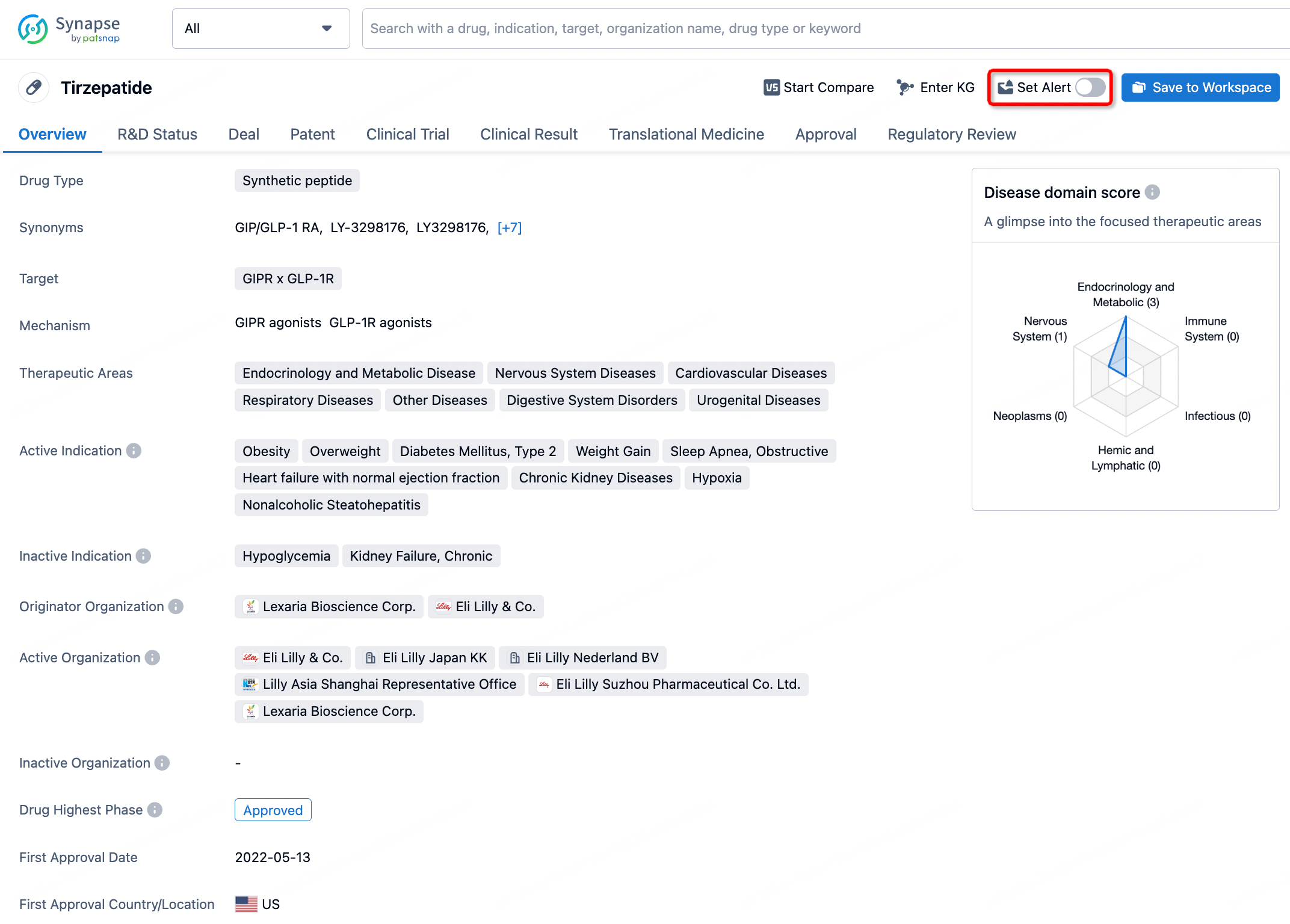
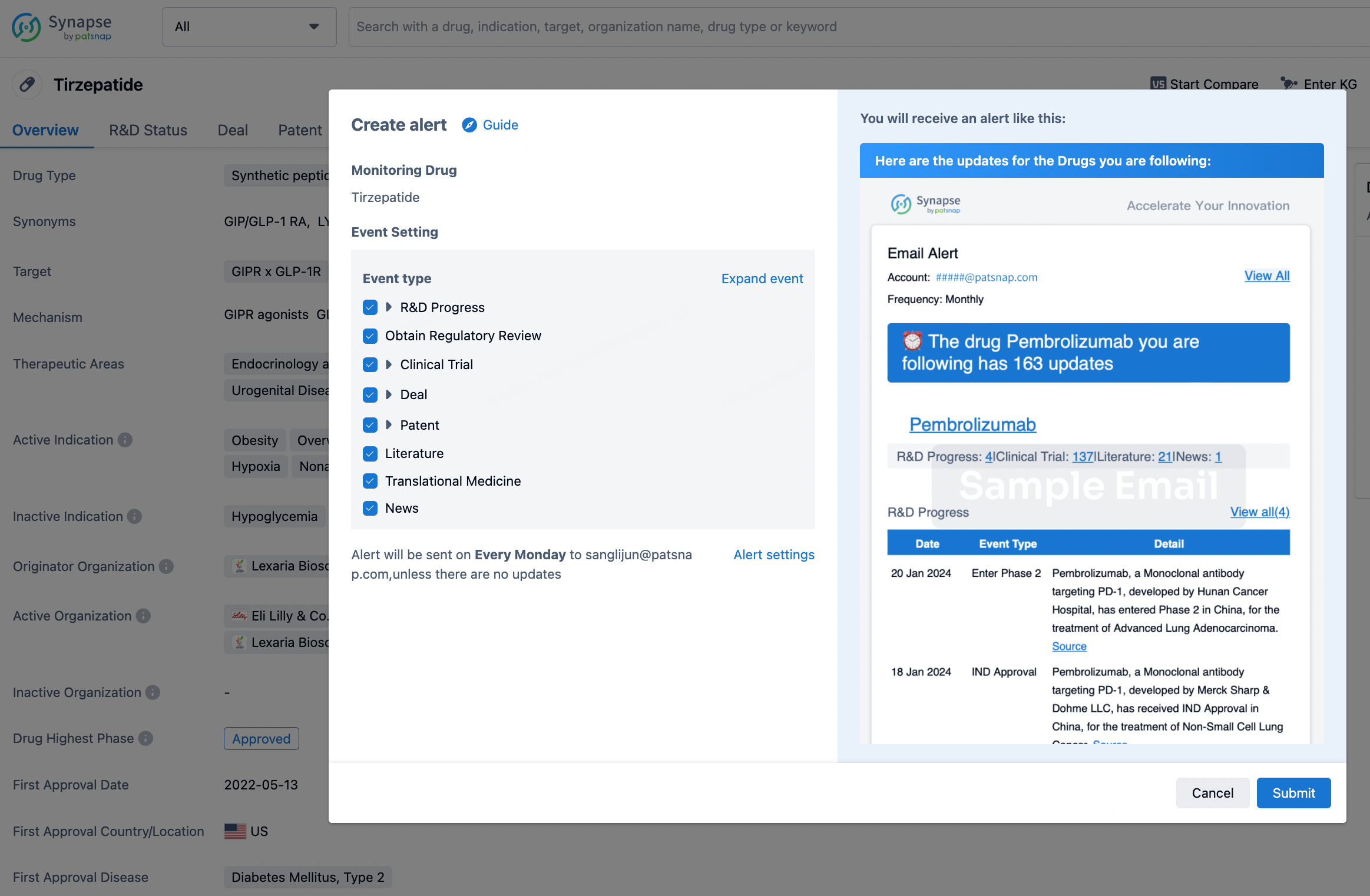
In the Synapse database, you can stay updated on the latest research and development advances of all drugs. This service is accessible anytime and anywhere, with updates available daily or weekly. Use the "Set Alert" function to stay informed. Click on the image below to embark on a brand new journey of drug discovery!
AI Agents Built for Biopharma Breakthroughs
Accelerate discovery. Empower decisions. Transform outcomes.
Get started for free today!
Accelerate Strategic R&D decision making with Synapse, PatSnap’s AI-powered Connected Innovation Intelligence Platform Built for Life Sciences Professionals.
Start your data trial now!
Synapse data is also accessible to external entities via APIs or data packages. Empower better decisions with the latest in pharmaceutical intelligence.