Request Demo
What are the side effects of Unoprostone Isopropyl?
12 July 2024
Unoprostone Isopropyl is a prostaglandin analog used primarily for the treatment of open-angle glaucoma and ocular hypertension. While it is effective in reducing intraocular pressure, like all medications, it can have side effects. Understanding these side effects is crucial for both patients and healthcare providers in order to manage them effectively.
Common Side Effects:
One of the most frequently reported side effects is ocular discomfort. Patients may experience a burning or stinging sensation in the eye immediately after administration. This discomfort is usually temporary but can be unsettling for some users.
Another common side effect is conjunctival hyperemia, which is essentially redness in the eye. This occurs because Unoprostone Isopropyl increases blood flow to the eye, which can make the blood vessels more visible. While generally mild, it can still be noticeable and bothersome.
Dry eye symptoms can also occur. Users may feel that their eyes are dryer than usual, leading to irritation and discomfort. Artificial tears or other lubricating eye drops can often alleviate this symptom.
Less Common Side Effects:
Some patients report experiencing blurred vision shortly after administering Unoprostone Isopropyl. This usually resolves on its own within a few minutes, but it can be disconcerting and may interfere with activities that require sharp vision, such as driving.
Changes in eye color have also been noted but are relatively rare. Prolonged use of the medication can lead to an increase in the brown pigmentation of the iris. This change is usually permanent and may be more noticeable in individuals with lighter-colored eyes.
In addition to changes in eye color, some users might also experience changes in eyelash growth. The eyelashes could become longer, thicker, and potentially misdirected. While some might consider this a cosmetic benefit, it can sometimes lead to discomfort or eye irritation if the lashes grow inwards.
Systemic Side Effects:
Although Unoprostone Isopropyl is an eye drop and its systemic absorption is minimal, there are rare cases where patients have experienced systemic side effects. These can include headaches and dizziness. While these symptoms are uncommon, they are worth noting.
Allergic Reactions:
Allergic reactions to Unoprostone Isopropyl are rare but possible. Symptoms can include rash, itching, swelling, severe dizziness, and difficulty breathing. If any of these symptoms occur, it is crucial to seek medical attention immediately.
Interactions and Precautions:
Patients using Unoprostone Isopropyl should be aware of potential interactions with other medications. It is essential to inform healthcare providers about all the medications being taken, including over-the-counter drugs and supplements, to avoid adverse interactions.
Moreover, since the medication can cause temporary blurred vision, patients should exercise caution when performing tasks that require clear vision, especially immediately after administering the eye drops.
Conclusion:
While Unoprostone Isopropyl is generally well-tolerated and effective in managing intraocular pressure, it is not without side effects. Patients should be aware of both common and rare side effects and communicate any adverse reactions to their healthcare provider. Proper management and monitoring can help mitigate these effects, ensuring the medication's benefits outweigh its risks.
Common Side Effects:
One of the most frequently reported side effects is ocular discomfort. Patients may experience a burning or stinging sensation in the eye immediately after administration. This discomfort is usually temporary but can be unsettling for some users.
Another common side effect is conjunctival hyperemia, which is essentially redness in the eye. This occurs because Unoprostone Isopropyl increases blood flow to the eye, which can make the blood vessels more visible. While generally mild, it can still be noticeable and bothersome.
Dry eye symptoms can also occur. Users may feel that their eyes are dryer than usual, leading to irritation and discomfort. Artificial tears or other lubricating eye drops can often alleviate this symptom.
Less Common Side Effects:
Some patients report experiencing blurred vision shortly after administering Unoprostone Isopropyl. This usually resolves on its own within a few minutes, but it can be disconcerting and may interfere with activities that require sharp vision, such as driving.
Changes in eye color have also been noted but are relatively rare. Prolonged use of the medication can lead to an increase in the brown pigmentation of the iris. This change is usually permanent and may be more noticeable in individuals with lighter-colored eyes.
In addition to changes in eye color, some users might also experience changes in eyelash growth. The eyelashes could become longer, thicker, and potentially misdirected. While some might consider this a cosmetic benefit, it can sometimes lead to discomfort or eye irritation if the lashes grow inwards.
Systemic Side Effects:
Although Unoprostone Isopropyl is an eye drop and its systemic absorption is minimal, there are rare cases where patients have experienced systemic side effects. These can include headaches and dizziness. While these symptoms are uncommon, they are worth noting.
Allergic Reactions:
Allergic reactions to Unoprostone Isopropyl are rare but possible. Symptoms can include rash, itching, swelling, severe dizziness, and difficulty breathing. If any of these symptoms occur, it is crucial to seek medical attention immediately.
Interactions and Precautions:
Patients using Unoprostone Isopropyl should be aware of potential interactions with other medications. It is essential to inform healthcare providers about all the medications being taken, including over-the-counter drugs and supplements, to avoid adverse interactions.
Moreover, since the medication can cause temporary blurred vision, patients should exercise caution when performing tasks that require clear vision, especially immediately after administering the eye drops.
Conclusion:
While Unoprostone Isopropyl is generally well-tolerated and effective in managing intraocular pressure, it is not without side effects. Patients should be aware of both common and rare side effects and communicate any adverse reactions to their healthcare provider. Proper management and monitoring can help mitigate these effects, ensuring the medication's benefits outweigh its risks.
How to obtain the latest development progress of all drugs?
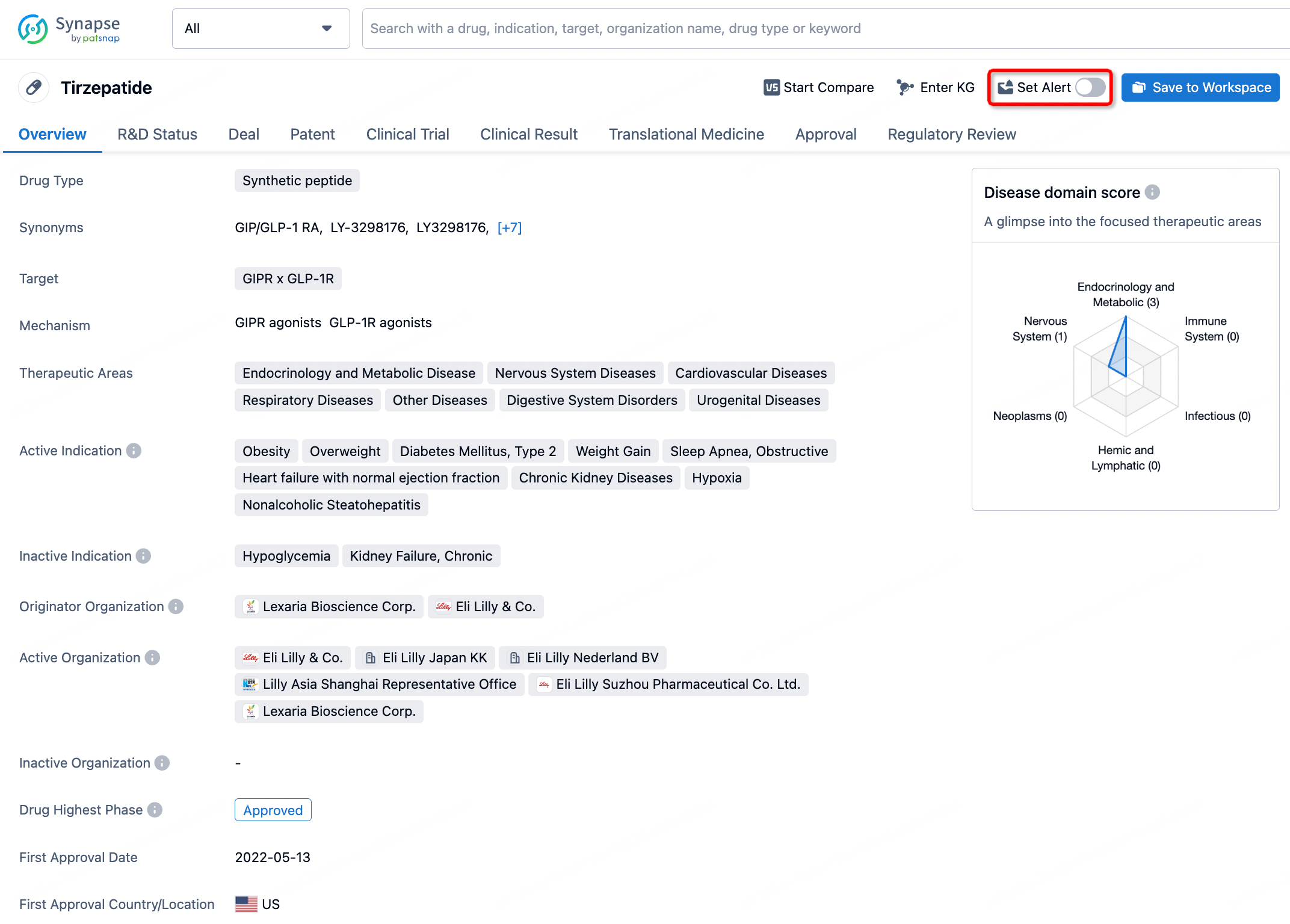
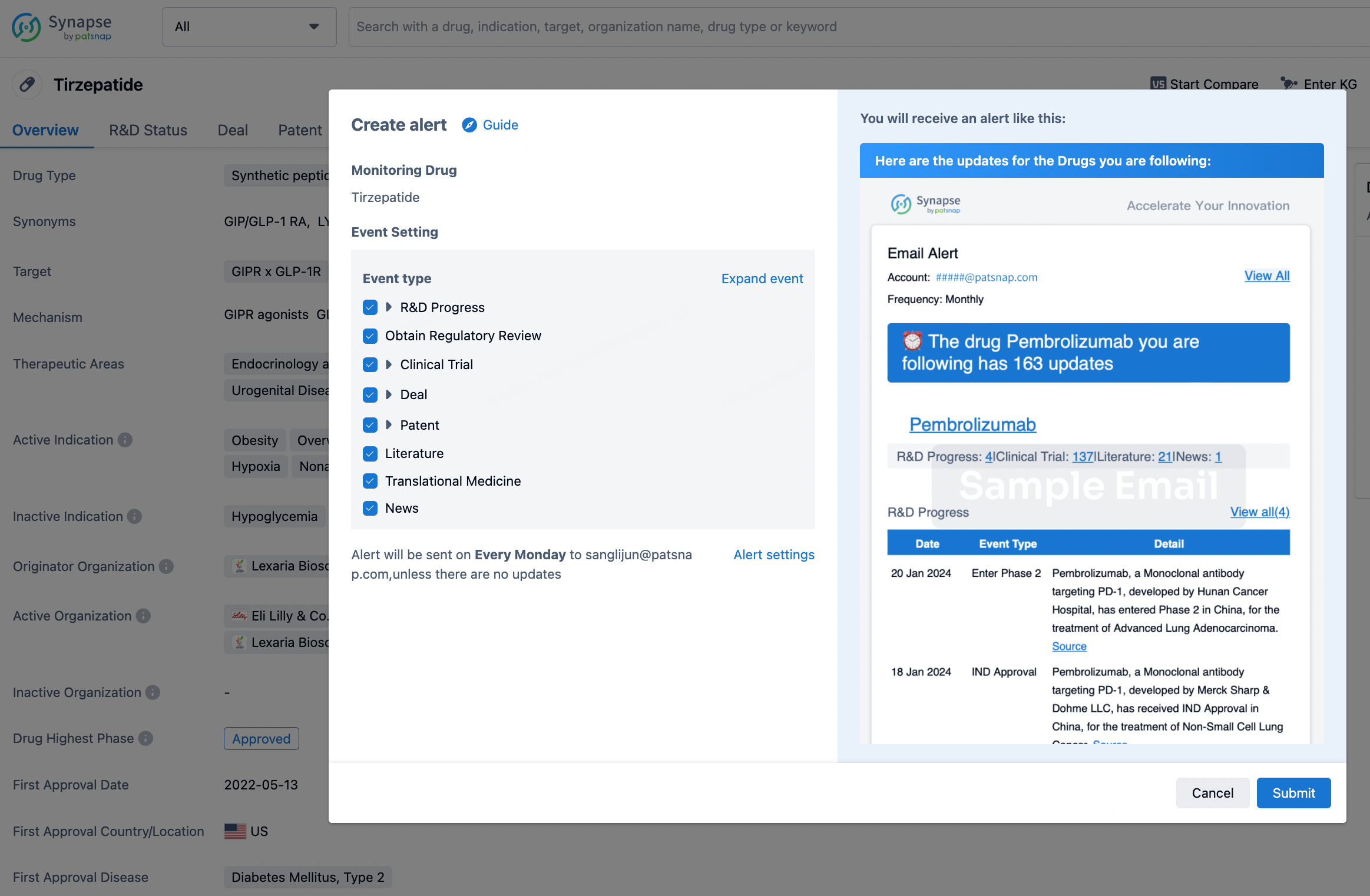
In the Synapse database, you can stay updated on the latest research and development advances of all drugs. This service is accessible anytime and anywhere, with updates available daily or weekly. Use the "Set Alert" function to stay informed. Click on the image below to embark on a brand new journey of drug discovery!
AI Agents Built for Biopharma Breakthroughs
Accelerate discovery. Empower decisions. Transform outcomes.
Get started for free today!
Accelerate Strategic R&D decision making with Synapse, PatSnap’s AI-powered Connected Innovation Intelligence Platform Built for Life Sciences Professionals.
Start your data trial now!
Synapse data is also accessible to external entities via APIs or data packages. Empower better decisions with the latest in pharmaceutical intelligence.