Request Demo
What are the side effects of Valemetostat Tosilate?
12 July 2024
Valemetostat Tosilate is a novel therapeutic agent that has shown promise in the treatment of various cancers, particularly lymphomas. As with any medication, understanding the potential side effects is crucial for both patients and healthcare providers. This article delves into the side effects associated with Valemetostat Tosilate, providing a comprehensive overview of what one might expect when undergoing treatment with this drug.
One of the most common side effects reported with Valemetostat Tosilate is fatigue. Patients often experience a significant decrease in energy levels, which can impact daily activities and overall quality of life. Managing fatigue typically involves a combination of rest, nutritional support, and sometimes medications prescribed by a healthcare professional.
Nausea and vomiting are also frequent complaints among patients taking Valemetostat Tosilate. These gastrointestinal symptoms can be distressing and may require the use of antiemetic drugs to control. In some cases, adjusting the timing of the medication or taking it with food might alleviate these symptoms.
Another notable side effect is hematologic toxicity. This may manifest as neutropenia, anemia, or thrombocytopenia, which are conditions that involve low levels of neutrophils, red blood cells, and platelets, respectively. These conditions can increase the risk of infections, cause fatigue, and lead to easy bruising or bleeding. Regular blood tests are usually required to monitor these parameters, and dose adjustments or supportive therapies might be necessary.
Patients on Valemetostat Tosilate might also experience liver enzyme elevation. Elevated liver enzymes can indicate liver irritation or damage, necessitating close monitoring through blood tests. In severe cases, dose reduction or discontinuation of the drug might be required to prevent further liver damage.
Another side effect to consider is the potential for skin reactions. Rash, itching, and other dermatologic symptoms have been reported. These reactions are generally manageable with topical treatments and antihistamines, but severe cases might require dose modification or discontinuation of the therapy.
Cardiotoxicity, although less common, is a serious side effect. Symptoms might include chest pain, shortness of breath, and irregular heartbeats. Patients with pre-existing heart conditions should be closely monitored for any signs of cardiotoxicity, and immediate medical attention is warranted if symptoms develop.
Peripheral neuropathy is another possible side effect. This condition involves damage to the peripheral nerves, leading to symptoms such as numbness, tingling, and pain, particularly in the hands and feet. These symptoms might persist even after discontinuation of the drug, necessitating early recognition and management.
Lastly, it's important to mention that individual reactions to Valemetostat Tosilate can vary widely. Some patients may experience multiple side effects, while others might tolerate the drug with minimal issues. Therefore, personalized care and continuous monitoring are essential to ensure the best possible outcomes.
In conclusion, while Valemetostat Tosilate offers significant therapeutic benefits for cancer patients, it is associated with a range of side effects that require careful management. Patients should maintain open communication with their healthcare providers to promptly address any adverse effects, and regular monitoring should be conducted to ensure the safe administration of the drug.
One of the most common side effects reported with Valemetostat Tosilate is fatigue. Patients often experience a significant decrease in energy levels, which can impact daily activities and overall quality of life. Managing fatigue typically involves a combination of rest, nutritional support, and sometimes medications prescribed by a healthcare professional.
Nausea and vomiting are also frequent complaints among patients taking Valemetostat Tosilate. These gastrointestinal symptoms can be distressing and may require the use of antiemetic drugs to control. In some cases, adjusting the timing of the medication or taking it with food might alleviate these symptoms.
Another notable side effect is hematologic toxicity. This may manifest as neutropenia, anemia, or thrombocytopenia, which are conditions that involve low levels of neutrophils, red blood cells, and platelets, respectively. These conditions can increase the risk of infections, cause fatigue, and lead to easy bruising or bleeding. Regular blood tests are usually required to monitor these parameters, and dose adjustments or supportive therapies might be necessary.
Patients on Valemetostat Tosilate might also experience liver enzyme elevation. Elevated liver enzymes can indicate liver irritation or damage, necessitating close monitoring through blood tests. In severe cases, dose reduction or discontinuation of the drug might be required to prevent further liver damage.
Another side effect to consider is the potential for skin reactions. Rash, itching, and other dermatologic symptoms have been reported. These reactions are generally manageable with topical treatments and antihistamines, but severe cases might require dose modification or discontinuation of the therapy.
Cardiotoxicity, although less common, is a serious side effect. Symptoms might include chest pain, shortness of breath, and irregular heartbeats. Patients with pre-existing heart conditions should be closely monitored for any signs of cardiotoxicity, and immediate medical attention is warranted if symptoms develop.
Peripheral neuropathy is another possible side effect. This condition involves damage to the peripheral nerves, leading to symptoms such as numbness, tingling, and pain, particularly in the hands and feet. These symptoms might persist even after discontinuation of the drug, necessitating early recognition and management.
Lastly, it's important to mention that individual reactions to Valemetostat Tosilate can vary widely. Some patients may experience multiple side effects, while others might tolerate the drug with minimal issues. Therefore, personalized care and continuous monitoring are essential to ensure the best possible outcomes.
In conclusion, while Valemetostat Tosilate offers significant therapeutic benefits for cancer patients, it is associated with a range of side effects that require careful management. Patients should maintain open communication with their healthcare providers to promptly address any adverse effects, and regular monitoring should be conducted to ensure the safe administration of the drug.
How to obtain the latest development progress of all drugs?
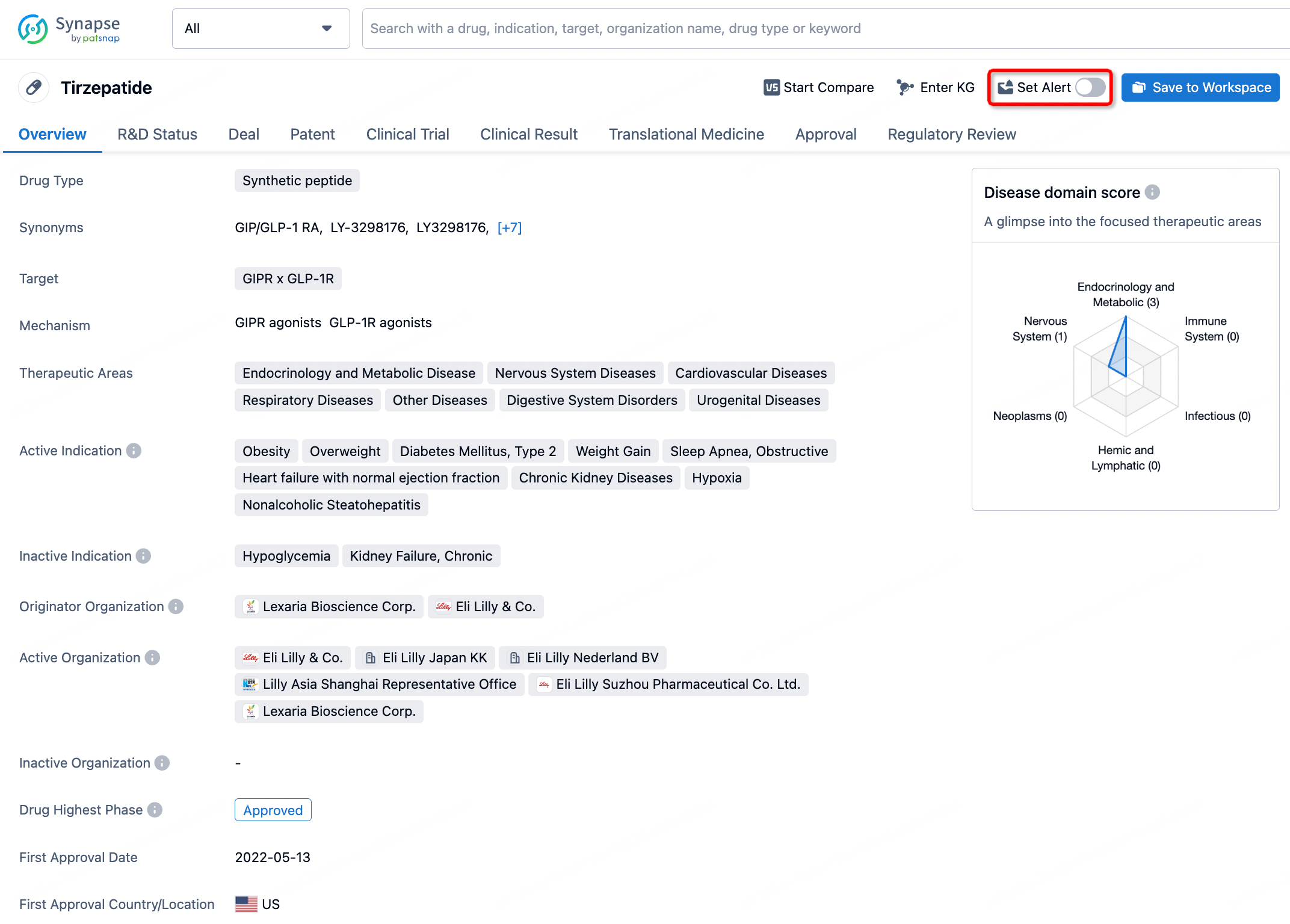
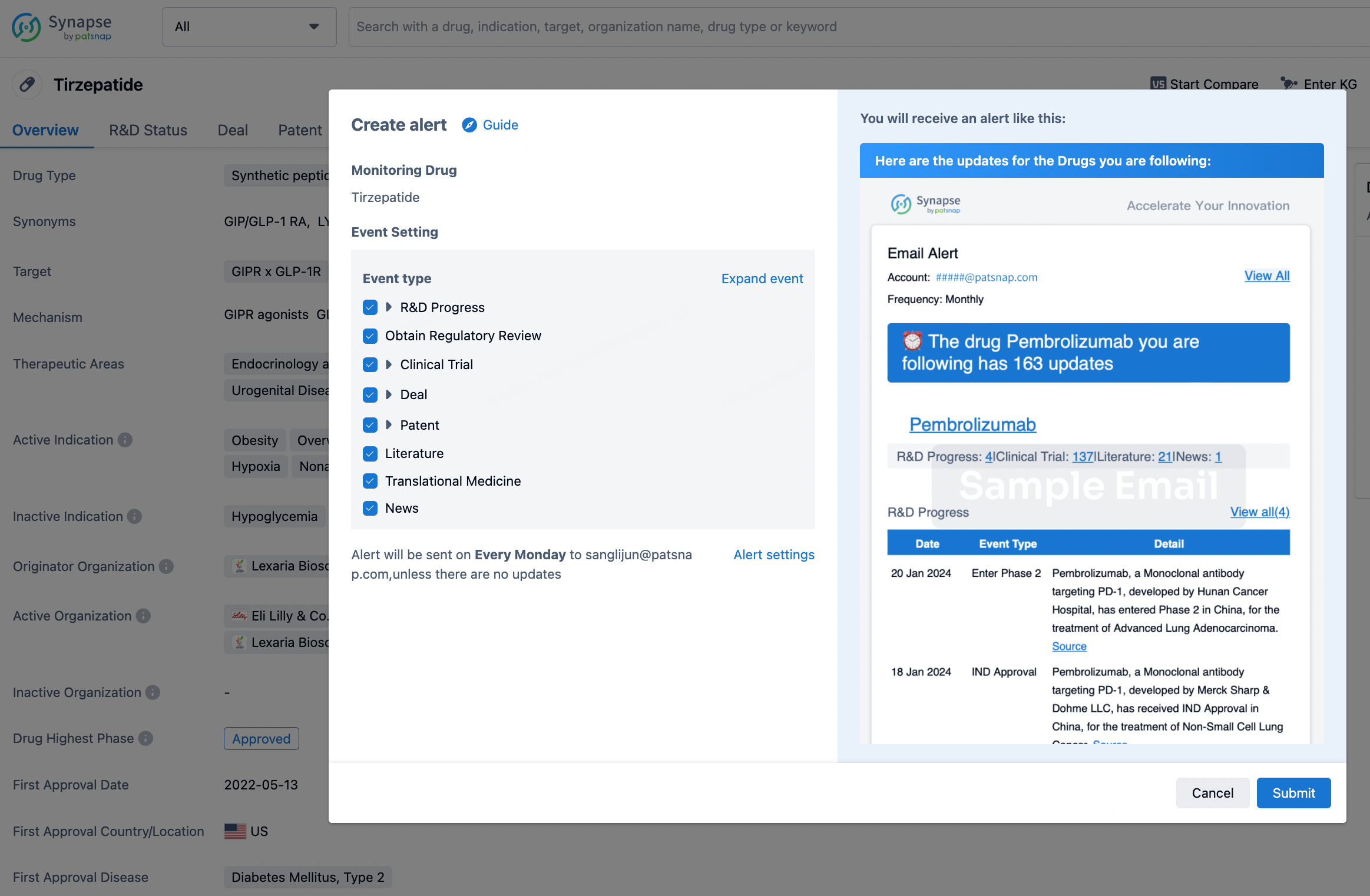
In the Synapse database, you can stay updated on the latest research and development advances of all drugs. This service is accessible anytime and anywhere, with updates available daily or weekly. Use the "Set Alert" function to stay informed. Click on the image below to embark on a brand new journey of drug discovery!

AI Agents Built for Biopharma Breakthroughs
Accelerate discovery. Empower decisions. Transform outcomes.
Get started for free today!
Accelerate Strategic R&D decision making with Synapse, PatSnap’s AI-powered Connected Innovation Intelligence Platform Built for Life Sciences Professionals.
Start your data trial now!
Synapse data is also accessible to external entities via APIs or data packages. Empower better decisions with the latest in pharmaceutical intelligence.