Request Demo
What are Viral nonstructural proteins inhibitors and how do they work?
26 June 2024
In the ever-evolving battle against viral infections, the discovery and development of antiviral drugs have been key to managing and treating diseases ranging from the common cold to more severe illnesses like hepatitis and HIV/AIDS. Among these antiviral strategies, one of the most promising and innovative approaches involves targeting viral nonstructural proteins. These proteins, crucial for the replication and survival of viruses, present a unique and attractive target for antiviral therapies. This article delves into the nature of viral nonstructural proteins inhibitors, their mechanisms of action, and their clinical applications.
Viral nonstructural proteins (NSPs) are proteins that are not part of the virus's structural components, such as the capsid or envelope, but are essential for the virus's replication, transcription, and assembly processes. Unlike structural proteins, NSPs are often enzymatically active and involved in the establishment and maintenance of viral infection within the host cell. Because these proteins are critical to the viral life cycle, disrupting their function can effectively halt the virus's ability to reproduce and spread.
NSPs can be quite diverse, depending on the virus. For example, in hepatitis C virus (HCV), nonstructural proteins include NS3/4A protease, NS5A, and NS5B polymerase, all of which play crucial roles in the viral replication process. Similarly, in coronaviruses like SARS-CoV-2, NSPs include proteins involved in RNA synthesis and processing, such as the RNA-dependent RNA polymerase (RdRp) and the main protease (Mpro).
The primary mechanism by which viral nonstructural protein inhibitors work is by binding to these essential proteins and disrupting their function. This can occur through various modes of action. For instance, some inhibitors are designed to block the active site of viral enzymes, such as proteases or polymerases, preventing them from catalyzing necessary reactions. Others may induce conformational changes in the NSPs, rendering them inactive or unable to interact with other viral or host cell components.
One well-known example is the protease inhibitors used in the treatment of HCV. Drugs like telaprevir and boceprevir target the NS3/4A protease, an enzyme critical for cleaving the viral polyprotein into functional units necessary for replication. By binding to the NS3/4A protease, these inhibitors effectively block the processing of viral proteins, impeding the virus's ability to replicate.
Another example is the polymerase inhibitors, such as remdesivir, used in the treatment of COVID-19. Remdesivir targets the RNA-dependent RNA polymerase (RdRp) of SARS-CoV-2. By incorporating into the nascent viral RNA chain, remdesivir causes premature termination of RNA synthesis, thereby hindering the replication of the virus.
The therapeutic potential of viral nonstructural protein inhibitors is vast, encompassing a broad spectrum of viral infections. These inhibitors are primarily used in the treatment of chronic viral infections where long-term suppression of the virus is needed to prevent disease progression and complications.
In the case of HCV, nonstructural protein inhibitors have revolutionized treatment outcomes. The introduction of direct-acting antivirals (DAAs) targeting NSPs has led to cure rates exceeding 95%, transforming HCV from a chronic, progressive disease into one that can be effectively eradicated in many patients.
Similarly, with the emergence of COVID-19, NSP inhibitors like remdesivir have shown efficacy in reducing the severity and duration of illness in hospitalized patients. Although not a silver bullet, these inhibitors have provided critical tools in the global effort to manage and mitigate the impact of the pandemic.
Beyond these examples, the scope of NSP inhibitors extends to other viral infections, including respiratory syncytial virus (RSV), dengue virus, and HIV. Research is ongoing to identify and develop inhibitors that can target the unique NSPs of these and other viruses, offering hope for new and more effective antiviral therapies.
In conclusion, viral nonstructural protein inhibitors represent a powerful and versatile class of antiviral agents. By targeting the essential proteins required for viral replication, these inhibitors offer a strategic means to combat a wide range of viral infections. As research continues to advance, the development of new NSP inhibitors holds promise for improving patient outcomes and controlling the spread of infectious diseases worldwide.
Viral nonstructural proteins (NSPs) are proteins that are not part of the virus's structural components, such as the capsid or envelope, but are essential for the virus's replication, transcription, and assembly processes. Unlike structural proteins, NSPs are often enzymatically active and involved in the establishment and maintenance of viral infection within the host cell. Because these proteins are critical to the viral life cycle, disrupting their function can effectively halt the virus's ability to reproduce and spread.
NSPs can be quite diverse, depending on the virus. For example, in hepatitis C virus (HCV), nonstructural proteins include NS3/4A protease, NS5A, and NS5B polymerase, all of which play crucial roles in the viral replication process. Similarly, in coronaviruses like SARS-CoV-2, NSPs include proteins involved in RNA synthesis and processing, such as the RNA-dependent RNA polymerase (RdRp) and the main protease (Mpro).
The primary mechanism by which viral nonstructural protein inhibitors work is by binding to these essential proteins and disrupting their function. This can occur through various modes of action. For instance, some inhibitors are designed to block the active site of viral enzymes, such as proteases or polymerases, preventing them from catalyzing necessary reactions. Others may induce conformational changes in the NSPs, rendering them inactive or unable to interact with other viral or host cell components.
One well-known example is the protease inhibitors used in the treatment of HCV. Drugs like telaprevir and boceprevir target the NS3/4A protease, an enzyme critical for cleaving the viral polyprotein into functional units necessary for replication. By binding to the NS3/4A protease, these inhibitors effectively block the processing of viral proteins, impeding the virus's ability to replicate.
Another example is the polymerase inhibitors, such as remdesivir, used in the treatment of COVID-19. Remdesivir targets the RNA-dependent RNA polymerase (RdRp) of SARS-CoV-2. By incorporating into the nascent viral RNA chain, remdesivir causes premature termination of RNA synthesis, thereby hindering the replication of the virus.
The therapeutic potential of viral nonstructural protein inhibitors is vast, encompassing a broad spectrum of viral infections. These inhibitors are primarily used in the treatment of chronic viral infections where long-term suppression of the virus is needed to prevent disease progression and complications.
In the case of HCV, nonstructural protein inhibitors have revolutionized treatment outcomes. The introduction of direct-acting antivirals (DAAs) targeting NSPs has led to cure rates exceeding 95%, transforming HCV from a chronic, progressive disease into one that can be effectively eradicated in many patients.
Similarly, with the emergence of COVID-19, NSP inhibitors like remdesivir have shown efficacy in reducing the severity and duration of illness in hospitalized patients. Although not a silver bullet, these inhibitors have provided critical tools in the global effort to manage and mitigate the impact of the pandemic.
Beyond these examples, the scope of NSP inhibitors extends to other viral infections, including respiratory syncytial virus (RSV), dengue virus, and HIV. Research is ongoing to identify and develop inhibitors that can target the unique NSPs of these and other viruses, offering hope for new and more effective antiviral therapies.
In conclusion, viral nonstructural protein inhibitors represent a powerful and versatile class of antiviral agents. By targeting the essential proteins required for viral replication, these inhibitors offer a strategic means to combat a wide range of viral infections. As research continues to advance, the development of new NSP inhibitors holds promise for improving patient outcomes and controlling the spread of infectious diseases worldwide.
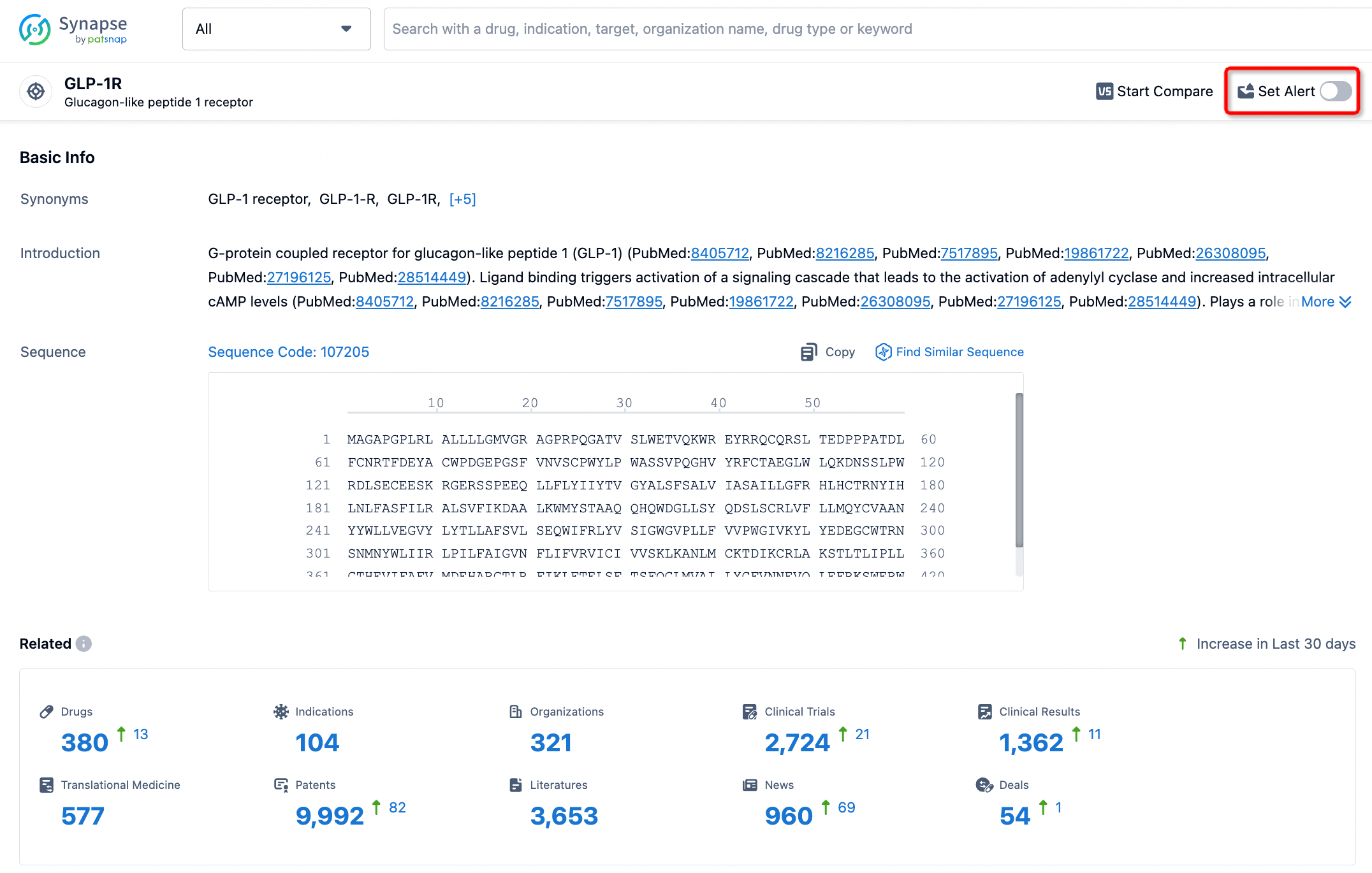
How to obtain the latest development progress of all targets?
In the Synapse database, you can stay updated on the latest research and development advances of all targets. This service is accessible anytime and anywhere, with updates available daily or weekly. Use the "Set Alert" function to stay informed. Click on the image below to embark on a brand new journey of drug discovery!


AI Agents Built for Biopharma Breakthroughs
Accelerate discovery. Empower decisions. Transform outcomes.
Get started for free today!
Accelerate Strategic R&D decision making with Synapse, PatSnap’s AI-powered Connected Innovation Intelligence Platform Built for Life Sciences Professionals.
Start your data trial now!
Synapse data is also accessible to external entities via APIs or data packages. Empower better decisions with the latest in pharmaceutical intelligence.