Request Demo
What clinical trials have been conducted for Apalutamide?
20 March 2025
Introduction to Apalutamide
Apalutamide is a novel, second-generation androgen receptor (AR) inhibitor designed to bind directly to the ligand-binding domain of the receptor and to prevent its activation, nuclear translocation, and DNA binding. This unique mechanism of action makes apalutamide effective in interrupting the androgen signaling pathway, which is critical for the growth and proliferation of prostate cancer cells. It emerged from earlier compounds in the AR antagonist class and was developed to overcome the limitations of first-generation drugs such as bicalutamide, providing a higher binding affinity and a more potent inhibitory effect.
Mechanism of Action
Mechanistically, apalutamide functions by competitively inhibiting the binding of endogenous androgens such as dihydrotestosterone (DHT). By targeting the ligand-binding domain, it not only blocks androgen binding but also prevents androgen receptor nuclear translocation and DNA interaction, thereby interrupting the transcription of androgen-regulated genes that are essential for tumor growth and survival. This targeted approach underpins the clinical efficacy of apalutamide and forms the basis for its development in both metastatic and nonmetastatic castration-resistant prostate cancer (CRPC) settings.
Approved Uses and Indications
Based on the robust clinical evidence generated from pivotal trials, apalutamide is approved for treatment of patients with nonmetastatic castration-resistant prostate cancer (nmCRPC) and has also been evaluated and used in the metastatic hormone-sensitive prostate cancer (mHSPC) setting. The approvals in various geographical regions, such as the United States and Europe, underscore its efficacy in delaying metastasis and improving survival outcomes. These indications are primarily based on its ability to significantly extend metastasis-free survival (MFS) and, in some studies, overall survival (OS) while maintaining quality of life, as reported in influential trials like SPARTAN and TITAN.
Overview of Clinical Trials
Clinical trials are essential for defining the efficacy, safety, and optimal dosing of new drugs. They are usually structured in a series of phases—from early, small-scale studies (Phase I) to large-scale, confirmatory trials (Phase III)—which together build a comprehensive picture of a drug’s performance across a range of patient populations and conditions.
Phases of Clinical Trials
Apalutamide has been evaluated through a spectrum of clinical trial phases:
- Phase I Trials: These early studies primarily focus on safety, tolerability, pharmacokinetics (PK), and sometimes preliminary efficacy. In the case of apalutamide, Phase I investigations have also included bioequivalence studies demonstrating how different formulations perform under fasting and fed conditions in healthy volunteers.
- Phase II Trials: These trials focus on evaluating the effectiveness of apalutamide in specific prostate cancer populations, establishing dose response, and further characterizing its side-effect profile. Some Phase II studies have been single-arm designs, testing outcomes such as prostate-specific antigen (PSA) response rates in patients with metastatic castration-resistant prostate cancer (mCRPC).
- Phase III Trials: These are large, randomized, controlled studies comparing apalutamide to standard-of-care treatments or placebo. Pivotal trials such as the SPARTAN trial in nmCRPC and the TITAN trial in mHSPC have provided the cornerstone data for regulatory approval, demonstrating significant improvements across clinical endpoints like metastasis-free survival, overall survival, and time to symptomatic progression.
Importance in Drug Development
Clinical trials for apalutamide not only addressed its efficacy and safety across different disease settings but also contributed to an evolving understanding of prostate cancer biology, therapy sequencing, and resistance mechanisms. These studies guide therapeutic decision-making and help determine optimal treatment protocols by providing critical data on the timing of intervention, combination treatments, and patient subpopulation benefits. In addition, bioequivalence and pharmacokinetic studies clarify the optimal formulation and dosing regimen, ensuring that the therapeutic benefits observed in controlled trials translate effectively into routine clinical practice.
Clinical Trials for Apalutamide
A broad variety of clinical trials have been conducted for apalutamide, spanning from bioequivalence studies in healthy volunteers to pivotal efficacy and safety trials in advanced prostate cancer patients. These trials address numerous aspects of the drug’s performance under different conditions, elucidate its pharmacokinetic characteristics, and ultimately form the evidence base for its clinical use.
Completed Trials
A significant number of completed clinical trials, detailed in peer-reviewed publications as well as registry entries from the synapse source, have thoroughly evaluated apalutamide:
1. Bioequivalence Studies in Healthy Volunteers
Several clinical trials have focused on the assessment of apalutamide’s bioequivalence under various conditions. For example:
- A single-dose, open-label, two-period, two-crossover bioequivalence study investigated the performance of apalutamide tablets in both fasting and fed states. This study provided data on absorption, distribution, and overall pharmacokinetic profiles essential for ensuring consistency in drug manufacturing and dosing.
- Other similar trials further confirmed the consistency and reliability of the tablet formulation, with endpoints measuring consistent plasma levels and drug exposure under controlled conditions. These studies are critical to establishing that the manufactured product meets both regulatory requirements and clinical performance expectations.
2. Pivotal Efficacy and Safety Trials
- SPARTAN Trial:
The SPARTAN trial was a landmark Phase III study focusing on patients with high-risk nonmetastatic castration-resistant prostate cancer (nmCRPC). It was a randomized, double-blind, placebo-controlled trial in which 1207 patients were enrolled. Patients receiving apalutamide demonstrated a statistically significant improvement in metastasis-free survival (40.5 months with apalutamide vs. 16.2 months with placebo) along with improvements in secondary endpoints such as time to symptomatic progression. This trial played a major role in the regulatory approval of apalutamide for the nmCRPC indication.
- TITAN Trial:
Conducted in the metastatic hormone-sensitive prostate cancer (mHSPC) setting, the TITAN trial evaluated the efficacy of apalutamide when combined with androgen deprivation therapy (ADT). Patients with mHSPC were enrolled, and data from the trial indicated significant improvements in overall survival compared with standard ADT alone. This trial further broadened the scope of apalutamide’s clinical utility beyond the nonmetastatic group, providing robust evidence for its use in a broader range of prostate cancer patients.
- GENESIS and Other Single-Arm Trials in mCRPC:
A multicentre, open-label, single-arm clinical trial—referred to as the GENESIS study—evaluated the efficacy and safety of apalutamide in patients with metastatic castration-resistant prostate cancer (mCRPC). In this trial, 110 patients were treated with apalutamide at a dose of 240 mg daily. The primary endpoint was a PSA response, defined as a ≥50% decline from baseline at 12 weeks, while secondary endpoints included progression-free survival and overall survival. The data from GENESIS complemented the findings from the SPARTAN and TITAN trials and provided insights into apalutamide’s performance in more heavily pretreated populations or in patients with more advanced disease.
3. Other Completed Clinical Trials
- Adaptive Androgen Deprivation and Docetaxel in mHSPC:
Another completed trial evaluated an adaptive treatment strategy combining androgen deprivation therapy with docetaxel in patients with metastatic castration-sensitive prostate cancer. This study added a new dimension by exploring the benefits of combination therapy, thereby optimizing treatment sequencing.
- Combination Trials Involving Surgery:
Surgical trials have also been conducted. One such trial investigated the role of apalutamide when used as an adjunct to radical prostatectomy in patients with high-risk prostate cancer. The trial aimed to assess whether adding apalutamide could improve outcomes, such as pathological response rates, in patients undergoing surgery.
- Docetaxel and AR Pathway Inhibitor Combination Trials:
A Phase III trial exploring the addition of docetaxel to androgen receptor pathway inhibitors in patients with metastatic castration-sensitive prostate cancer was another notable completed study. This trial was designed to evaluate whether the combination could yield survival benefits and improve clinical outcomes beyond ADT alone.
Each of these completed trials addressed specific aspects of apalutamide’s profile—ranging from its pharmacokinetic consistency in healthy subjects to its potent antitumor efficacy and improved survival endpoints in patients with various stages of prostate cancer. The diversity in trial design reflects the multifaceted approach required to fully characterize a drug’s performance in different clinical scenarios.
Ongoing Trials
While many completed studies have established the foundation for the clinical use of apalutamide, several ongoing trials continue to expand our understanding and refine its application:
1. Expanded Indications and Combination Strategies
- Monotherapy and Combination Regimens:
Ongoing studies are further evaluating apalutamide both as a standalone treatment and in combination with other therapeutic modalities. Clinical trials are investigating whether combining apalutamide with cytotoxic agents such as docetaxel, or with novel immunotherapies and targeted agents, can further extend survival or overcome resistance mechanisms that emerge during therapy. These trials often incorporate advanced endpoints such as time to second progression (PFS2) and overall quality of life measures.
- Biomarker-Driven Studies:
Future research as planned and registered in clinical trial databases involves stratifying patients based on molecular signatures and genomic classifier scores. Such trials aim to identify subsets of prostate cancer patients—defined by luminal-like or basal-like subtypes—who may derive the greatest benefit from apalutamide when used along with androgen deprivation therapy. These biomarker-driven trials could revolutionize patient selection and allow for personalized treatment protocols, thereby optimizing outcomes and minimizing unnecessary toxicity.
2. Ongoing Bioequivalence and Pharmacokinetic Studies
Despite many bioequivalence studies already completed, ongoing studies continue to monitor the performance of the latest formulations of apalutamide. These studies ensure that any new formulation or manufacturing change maintains the established efficacy and safety profiles previously demonstrated in completed trials.
3. Trials in Early and Preoperative Settings
There are emerging investigations evaluating the use of apalutamide in earlier-stage disease and even as a neoadjuvant treatment strategy prior to definitive local therapies such as radical prostatectomy or radiation therapy. The outcomes of these trials are expected to provide insights into whether earlier intervention can further delay disease progression, reduce tumor burden, and potentially improve long-term survival. Such trials also seek to explore the impact of apalutamide on the tumor microenvironment and on the induction of immunologic effects that might enhance the response to subsequent treatments.
Overall, the current landscape of clinical trials for apalutamide comprises a diverse set of studies aimed at exploring its full therapeutic potential across different disease settings and in combination with other treatment modalities. This ongoing research further illustrates the commitment of the oncology community to improve personalized care in prostate cancer.
Key Findings and Results
The clinical trials conducted for apalutamide have yielded several key findings:
- Efficacy in Delaying Metastasis:
The SPARTAN trial demonstrated that apalutamide significantly prolongs metastasis-free survival in patients with high-risk nmCRPC. Patients treated with apalutamide experienced a median MFS of approximately 40.5 months compared to 16.2 months in the placebo group, a statistically significant improvement that spurred regulatory approval.
- Survival Benefits and Improved Overall Outcomes:
The TITAN trial, conducted in the mHSPC population, revealed that combining apalutamide with ADT yielded an overall survival benefit over ADT alone. These data support the use of apalutamide in earlier disease settings, underscoring its potential to delay progression and improve overall survival.
- Pharmacokinetic Consistency and Bioequivalence:
Multiple bioequivalence studies confirmed that the tablet formulations of apalutamide, when administered under both fasting and fed conditions, achieve consistent blood levels in healthy volunteers. This is crucial for ensuring that patients receive the intended therapeutic exposure regardless of dietary factors.
- Safety and Tolerability:
In addition to its efficacy, the safety profile of apalutamide has been closely evaluated in these trials. Although common adverse events such as rash, hypothyroidism, and fatigue have been reported, the tolerability is generally acceptable and manageable with appropriate supportive care measures. Data from both the pivotal trials and the dose-ranging pharmacokinetic studies have reinforced that apalutamide is a well-tolerated drug in its approved indications.
- Combination Therapy and Adaptive Strategies:
Some of the completed trials exploring combination strategies, such as those with docetaxel or as part of adaptive therapy protocols, are particularly noteworthy. They indicate that pairing apalutamide with other modalities may enhance survival outcomes and address resistance pathways. These trials hint at the potential for further combination regimens that can be tailored to individual patient profiles.
- Impact on Biomarkers and Patient-Reported Outcomes:
Secondary analyses from these trials have also begun to shed light on the relationship between apalutamide plasma levels and treatment-related adverse events, such as rash, which may correlate with drug exposure. Moreover, patient-reported outcome measures have demonstrated that despite the side effects, quality of life is largely maintained when apalutamide is added to standard ADT.
Collectively, these key results not only validate the clinical utility of apalutamide but also provide a platform for future research focused on optimizing treatment protocols in various prostate cancer settings.
Implications and Future Research
The extensive clinical trial program for apalutamide has significant implications for current treatment protocols and future research directions in prostate cancer.
Impact on Treatment Protocols
The successful demonstration of efficacy and safety in large, randomized Phase III trials has led to a shift in the standard management of certain prostate cancer patient populations:
- Adoption in Clinical Practice:
Based on the robust evidence from trials such as SPARTAN and TITAN, apalutamide has been rapidly incorporated into clinical practice for patients with nmCRPC and mHSPC. Its ability to delay metastasis and improve survival outcomes has redefined treatment paradigms and provided oncologists with an additional, potent option to combine with ADT.
- Improved Patient Stratification:
The outcomes of various trials underscore the value of patient selection based on specific clinical and molecular characteristics. Results suggesting varying responses based on PSA kinetics, disease volume, and other biomarkers indicate that apalutamide can be better targeted to patients likely to derive the most benefit. This supports the use of personalized medicine strategies in prostate cancer management.
- Management of Side Effects and Quality of Life:
The comprehensive safety evaluations in clinical trials have informed clinicians about the management of common adverse events. Understanding the incidence of rash, fatigue, and hypothyroidism, and their relationship to drug plasma levels, allows for tailored supportive care measures. Consequently, treatment protocols have been updated to include appropriate monitoring and mitigation strategies, ensuring that the benefits of therapy are delivered without significantly compromising patients’ quality of life.
- Combination and Sequential Therapy Approaches:
Data from combination trials have prompted a re-examination of sequencing strategies in prostate cancer treatment. The adaptive trials that combine apalutamide with docetaxel or other therapeutic agents have laid the groundwork for future approaches that integrate multiple modalities. This paves the way for more effective treatment regimens, particularly in the metastatic disease context, where overcoming resistance remains a major challenge.
Future Directions and Research Opportunities
The landscape of clinical research for apalutamide continues to evolve, with several potential future directions:
- Optimization of Combination Therapies:
Future trials are expected to further explore combinations of apalutamide with chemotherapy, immunotherapy, and novel targeted agents. The rationale is to synergistically enhance antitumor effects and delay or overcome treatment resistance. Ongoing and future trials should define the best combinations and sequence them in such a way as to maximize overall survival and quality of life.
- Biomarker-Driven Personalized Treatments:
As understanding of the molecular subtypes of prostate cancer advances, future studies are likely to incorporate biomarker and genomic profiling. By identifying patients with specific molecular traits (e.g., luminal-like vs. basal-like subtypes), clinicians can more precisely target therapy with apalutamide. Trials using molecular classifiers and genomic risk scores are anticipated to further refine patient selection, leading to more personalized and effective treatment strategies.
- Neoadjuvant and Preoperative Applications:
Recent research is also focusing on using apalutamide in the neoadjuvant setting before local therapies such as radical prostatectomy or radiation. This strategy could potentially downstage tumors, improve surgical outcomes, and reduce the risk of early recurrence. The design and findings of trials examining apalutamide’s role in preoperative settings will be crucial for expanding its indications and improving long-term outcomes.
- Refinement of Dosing Strategies:
Continued research is also addressing the optimal dosing strategy to balance efficacy with tolerability. Studies investigating dose modifications—especially in populations with smaller body sizes or variable pharmacokinetic profiles—aim to minimize adverse events such as rash while preserving therapeutic efficacy. This research could lead to individualized dosing regimens and inform the design of future trials.
- Long-Term Outcomes and Real-World Data Integration:
As more patients are treated with apalutamide in routine practice, real-world evidence will be imperative for validating the findings from clinical trials. Long-term follow-up studies, post-marketing surveillance, and real-world data integration will help assess the durability of clinical benefits, long-term safety, and overall impact on survival and quality of life across broader patient populations.
- Exploration in Other Disease Settings:
Although apalutamide is primarily used in prostate cancer, its mechanism of action as an AR antagonist prompts further research into its potential applications in other androgen-driven conditions. Future exploratory clinical trials may investigate its role in non-prostate malignancies or in conditions where androgen signaling plays an appreciable role. Such studies could broaden the clinical utility of apalutamide beyond its current indications.
- Adaptive Trial Designs and Innovative Methodologies:
With the advent of big data and precision medicine, future trials will likely incorporate adaptive and innovative designs that allow for modification of treatment arms based on interim results and biomarker-driven stratification. This approach could accelerate drug development, reduce trial durations, and enable early identification of patient subsets most likely to benefit from apalutamide.
Conclusion
In summary, the clinical trial program for apalutamide has been extensive and multifaceted, reflecting the complexity of modern oncology drug development. Beginning with bioequivalence and pharmacokinetic studies in healthy volunteers—ensuring formulation consistency and robust dosing parameters—apalutamide advanced to large-scale Phase III trials such as SPARTAN and TITAN. These pivotal studies have demonstrated significant improvements in metastasis-free survival, overall survival, and time to symptomatic progression in both nonmetastatic castration-resistant and metastatic hormone-sensitive prostate cancer settings.
Completed trials have not only provided evidence for the drug’s efficacy and safety but have also guided treatment protocols by addressing key issues such as patient selection, management of side effects, and combination therapy strategies. Ongoing trials are now extending these findings through combination regimens, biomarker-driven patient stratification, and evaluation in neoadjuvant settings. They continue to refine the understanding of apalutamide’s pharmacodynamics and optimize its use in personalized medicine.
From the detailed evidence presented across multiple clinical trial formats and registration numbers, the global picture emerges that apalutamide is not only a breakthrough in the management of prostate cancer but also a catalyst for future research and innovation in oncology.
In conclusion, the clinical trials conducted for apalutamide have thoroughly evaluated its performance across a range of conditions and settings, providing compelling evidence for its role in prolonging survival and improving patient outcomes. They have laid the foundation for personalized approaches, informed clinical practice, and sparked new research directions that promise to further enhance the management of prostate cancer. Each completed study and ongoing trial adds layers of insight, ensuring that the integration of apalutamide into treatment protocols is supported by high-quality, robust evidence and that future research will continue to optimize its benefits in the era of precision medicine.
Apalutamide is a novel, second-generation androgen receptor (AR) inhibitor designed to bind directly to the ligand-binding domain of the receptor and to prevent its activation, nuclear translocation, and DNA binding. This unique mechanism of action makes apalutamide effective in interrupting the androgen signaling pathway, which is critical for the growth and proliferation of prostate cancer cells. It emerged from earlier compounds in the AR antagonist class and was developed to overcome the limitations of first-generation drugs such as bicalutamide, providing a higher binding affinity and a more potent inhibitory effect.
Mechanism of Action
Mechanistically, apalutamide functions by competitively inhibiting the binding of endogenous androgens such as dihydrotestosterone (DHT). By targeting the ligand-binding domain, it not only blocks androgen binding but also prevents androgen receptor nuclear translocation and DNA interaction, thereby interrupting the transcription of androgen-regulated genes that are essential for tumor growth and survival. This targeted approach underpins the clinical efficacy of apalutamide and forms the basis for its development in both metastatic and nonmetastatic castration-resistant prostate cancer (CRPC) settings.
Approved Uses and Indications
Based on the robust clinical evidence generated from pivotal trials, apalutamide is approved for treatment of patients with nonmetastatic castration-resistant prostate cancer (nmCRPC) and has also been evaluated and used in the metastatic hormone-sensitive prostate cancer (mHSPC) setting. The approvals in various geographical regions, such as the United States and Europe, underscore its efficacy in delaying metastasis and improving survival outcomes. These indications are primarily based on its ability to significantly extend metastasis-free survival (MFS) and, in some studies, overall survival (OS) while maintaining quality of life, as reported in influential trials like SPARTAN and TITAN.
Overview of Clinical Trials
Clinical trials are essential for defining the efficacy, safety, and optimal dosing of new drugs. They are usually structured in a series of phases—from early, small-scale studies (Phase I) to large-scale, confirmatory trials (Phase III)—which together build a comprehensive picture of a drug’s performance across a range of patient populations and conditions.
Phases of Clinical Trials
Apalutamide has been evaluated through a spectrum of clinical trial phases:
- Phase I Trials: These early studies primarily focus on safety, tolerability, pharmacokinetics (PK), and sometimes preliminary efficacy. In the case of apalutamide, Phase I investigations have also included bioequivalence studies demonstrating how different formulations perform under fasting and fed conditions in healthy volunteers.
- Phase II Trials: These trials focus on evaluating the effectiveness of apalutamide in specific prostate cancer populations, establishing dose response, and further characterizing its side-effect profile. Some Phase II studies have been single-arm designs, testing outcomes such as prostate-specific antigen (PSA) response rates in patients with metastatic castration-resistant prostate cancer (mCRPC).
- Phase III Trials: These are large, randomized, controlled studies comparing apalutamide to standard-of-care treatments or placebo. Pivotal trials such as the SPARTAN trial in nmCRPC and the TITAN trial in mHSPC have provided the cornerstone data for regulatory approval, demonstrating significant improvements across clinical endpoints like metastasis-free survival, overall survival, and time to symptomatic progression.
Importance in Drug Development
Clinical trials for apalutamide not only addressed its efficacy and safety across different disease settings but also contributed to an evolving understanding of prostate cancer biology, therapy sequencing, and resistance mechanisms. These studies guide therapeutic decision-making and help determine optimal treatment protocols by providing critical data on the timing of intervention, combination treatments, and patient subpopulation benefits. In addition, bioequivalence and pharmacokinetic studies clarify the optimal formulation and dosing regimen, ensuring that the therapeutic benefits observed in controlled trials translate effectively into routine clinical practice.
Clinical Trials for Apalutamide
A broad variety of clinical trials have been conducted for apalutamide, spanning from bioequivalence studies in healthy volunteers to pivotal efficacy and safety trials in advanced prostate cancer patients. These trials address numerous aspects of the drug’s performance under different conditions, elucidate its pharmacokinetic characteristics, and ultimately form the evidence base for its clinical use.
Completed Trials
A significant number of completed clinical trials, detailed in peer-reviewed publications as well as registry entries from the synapse source, have thoroughly evaluated apalutamide:
1. Bioequivalence Studies in Healthy Volunteers
Several clinical trials have focused on the assessment of apalutamide’s bioequivalence under various conditions. For example:
- A single-dose, open-label, two-period, two-crossover bioequivalence study investigated the performance of apalutamide tablets in both fasting and fed states. This study provided data on absorption, distribution, and overall pharmacokinetic profiles essential for ensuring consistency in drug manufacturing and dosing.
- Other similar trials further confirmed the consistency and reliability of the tablet formulation, with endpoints measuring consistent plasma levels and drug exposure under controlled conditions. These studies are critical to establishing that the manufactured product meets both regulatory requirements and clinical performance expectations.
2. Pivotal Efficacy and Safety Trials
- SPARTAN Trial:
The SPARTAN trial was a landmark Phase III study focusing on patients with high-risk nonmetastatic castration-resistant prostate cancer (nmCRPC). It was a randomized, double-blind, placebo-controlled trial in which 1207 patients were enrolled. Patients receiving apalutamide demonstrated a statistically significant improvement in metastasis-free survival (40.5 months with apalutamide vs. 16.2 months with placebo) along with improvements in secondary endpoints such as time to symptomatic progression. This trial played a major role in the regulatory approval of apalutamide for the nmCRPC indication.
- TITAN Trial:
Conducted in the metastatic hormone-sensitive prostate cancer (mHSPC) setting, the TITAN trial evaluated the efficacy of apalutamide when combined with androgen deprivation therapy (ADT). Patients with mHSPC were enrolled, and data from the trial indicated significant improvements in overall survival compared with standard ADT alone. This trial further broadened the scope of apalutamide’s clinical utility beyond the nonmetastatic group, providing robust evidence for its use in a broader range of prostate cancer patients.
- GENESIS and Other Single-Arm Trials in mCRPC:
A multicentre, open-label, single-arm clinical trial—referred to as the GENESIS study—evaluated the efficacy and safety of apalutamide in patients with metastatic castration-resistant prostate cancer (mCRPC). In this trial, 110 patients were treated with apalutamide at a dose of 240 mg daily. The primary endpoint was a PSA response, defined as a ≥50% decline from baseline at 12 weeks, while secondary endpoints included progression-free survival and overall survival. The data from GENESIS complemented the findings from the SPARTAN and TITAN trials and provided insights into apalutamide’s performance in more heavily pretreated populations or in patients with more advanced disease.
3. Other Completed Clinical Trials
- Adaptive Androgen Deprivation and Docetaxel in mHSPC:
Another completed trial evaluated an adaptive treatment strategy combining androgen deprivation therapy with docetaxel in patients with metastatic castration-sensitive prostate cancer. This study added a new dimension by exploring the benefits of combination therapy, thereby optimizing treatment sequencing.
- Combination Trials Involving Surgery:
Surgical trials have also been conducted. One such trial investigated the role of apalutamide when used as an adjunct to radical prostatectomy in patients with high-risk prostate cancer. The trial aimed to assess whether adding apalutamide could improve outcomes, such as pathological response rates, in patients undergoing surgery.
- Docetaxel and AR Pathway Inhibitor Combination Trials:
A Phase III trial exploring the addition of docetaxel to androgen receptor pathway inhibitors in patients with metastatic castration-sensitive prostate cancer was another notable completed study. This trial was designed to evaluate whether the combination could yield survival benefits and improve clinical outcomes beyond ADT alone.
Each of these completed trials addressed specific aspects of apalutamide’s profile—ranging from its pharmacokinetic consistency in healthy subjects to its potent antitumor efficacy and improved survival endpoints in patients with various stages of prostate cancer. The diversity in trial design reflects the multifaceted approach required to fully characterize a drug’s performance in different clinical scenarios.
Ongoing Trials
While many completed studies have established the foundation for the clinical use of apalutamide, several ongoing trials continue to expand our understanding and refine its application:
1. Expanded Indications and Combination Strategies
- Monotherapy and Combination Regimens:
Ongoing studies are further evaluating apalutamide both as a standalone treatment and in combination with other therapeutic modalities. Clinical trials are investigating whether combining apalutamide with cytotoxic agents such as docetaxel, or with novel immunotherapies and targeted agents, can further extend survival or overcome resistance mechanisms that emerge during therapy. These trials often incorporate advanced endpoints such as time to second progression (PFS2) and overall quality of life measures.
- Biomarker-Driven Studies:
Future research as planned and registered in clinical trial databases involves stratifying patients based on molecular signatures and genomic classifier scores. Such trials aim to identify subsets of prostate cancer patients—defined by luminal-like or basal-like subtypes—who may derive the greatest benefit from apalutamide when used along with androgen deprivation therapy. These biomarker-driven trials could revolutionize patient selection and allow for personalized treatment protocols, thereby optimizing outcomes and minimizing unnecessary toxicity.
2. Ongoing Bioequivalence and Pharmacokinetic Studies
Despite many bioequivalence studies already completed, ongoing studies continue to monitor the performance of the latest formulations of apalutamide. These studies ensure that any new formulation or manufacturing change maintains the established efficacy and safety profiles previously demonstrated in completed trials.
3. Trials in Early and Preoperative Settings
There are emerging investigations evaluating the use of apalutamide in earlier-stage disease and even as a neoadjuvant treatment strategy prior to definitive local therapies such as radical prostatectomy or radiation therapy. The outcomes of these trials are expected to provide insights into whether earlier intervention can further delay disease progression, reduce tumor burden, and potentially improve long-term survival. Such trials also seek to explore the impact of apalutamide on the tumor microenvironment and on the induction of immunologic effects that might enhance the response to subsequent treatments.
Overall, the current landscape of clinical trials for apalutamide comprises a diverse set of studies aimed at exploring its full therapeutic potential across different disease settings and in combination with other treatment modalities. This ongoing research further illustrates the commitment of the oncology community to improve personalized care in prostate cancer.
Key Findings and Results
The clinical trials conducted for apalutamide have yielded several key findings:
- Efficacy in Delaying Metastasis:
The SPARTAN trial demonstrated that apalutamide significantly prolongs metastasis-free survival in patients with high-risk nmCRPC. Patients treated with apalutamide experienced a median MFS of approximately 40.5 months compared to 16.2 months in the placebo group, a statistically significant improvement that spurred regulatory approval.
- Survival Benefits and Improved Overall Outcomes:
The TITAN trial, conducted in the mHSPC population, revealed that combining apalutamide with ADT yielded an overall survival benefit over ADT alone. These data support the use of apalutamide in earlier disease settings, underscoring its potential to delay progression and improve overall survival.
- Pharmacokinetic Consistency and Bioequivalence:
Multiple bioequivalence studies confirmed that the tablet formulations of apalutamide, when administered under both fasting and fed conditions, achieve consistent blood levels in healthy volunteers. This is crucial for ensuring that patients receive the intended therapeutic exposure regardless of dietary factors.
- Safety and Tolerability:
In addition to its efficacy, the safety profile of apalutamide has been closely evaluated in these trials. Although common adverse events such as rash, hypothyroidism, and fatigue have been reported, the tolerability is generally acceptable and manageable with appropriate supportive care measures. Data from both the pivotal trials and the dose-ranging pharmacokinetic studies have reinforced that apalutamide is a well-tolerated drug in its approved indications.
- Combination Therapy and Adaptive Strategies:
Some of the completed trials exploring combination strategies, such as those with docetaxel or as part of adaptive therapy protocols, are particularly noteworthy. They indicate that pairing apalutamide with other modalities may enhance survival outcomes and address resistance pathways. These trials hint at the potential for further combination regimens that can be tailored to individual patient profiles.
- Impact on Biomarkers and Patient-Reported Outcomes:
Secondary analyses from these trials have also begun to shed light on the relationship between apalutamide plasma levels and treatment-related adverse events, such as rash, which may correlate with drug exposure. Moreover, patient-reported outcome measures have demonstrated that despite the side effects, quality of life is largely maintained when apalutamide is added to standard ADT.
Collectively, these key results not only validate the clinical utility of apalutamide but also provide a platform for future research focused on optimizing treatment protocols in various prostate cancer settings.
Implications and Future Research
The extensive clinical trial program for apalutamide has significant implications for current treatment protocols and future research directions in prostate cancer.
Impact on Treatment Protocols
The successful demonstration of efficacy and safety in large, randomized Phase III trials has led to a shift in the standard management of certain prostate cancer patient populations:
- Adoption in Clinical Practice:
Based on the robust evidence from trials such as SPARTAN and TITAN, apalutamide has been rapidly incorporated into clinical practice for patients with nmCRPC and mHSPC. Its ability to delay metastasis and improve survival outcomes has redefined treatment paradigms and provided oncologists with an additional, potent option to combine with ADT.
- Improved Patient Stratification:
The outcomes of various trials underscore the value of patient selection based on specific clinical and molecular characteristics. Results suggesting varying responses based on PSA kinetics, disease volume, and other biomarkers indicate that apalutamide can be better targeted to patients likely to derive the most benefit. This supports the use of personalized medicine strategies in prostate cancer management.
- Management of Side Effects and Quality of Life:
The comprehensive safety evaluations in clinical trials have informed clinicians about the management of common adverse events. Understanding the incidence of rash, fatigue, and hypothyroidism, and their relationship to drug plasma levels, allows for tailored supportive care measures. Consequently, treatment protocols have been updated to include appropriate monitoring and mitigation strategies, ensuring that the benefits of therapy are delivered without significantly compromising patients’ quality of life.
- Combination and Sequential Therapy Approaches:
Data from combination trials have prompted a re-examination of sequencing strategies in prostate cancer treatment. The adaptive trials that combine apalutamide with docetaxel or other therapeutic agents have laid the groundwork for future approaches that integrate multiple modalities. This paves the way for more effective treatment regimens, particularly in the metastatic disease context, where overcoming resistance remains a major challenge.
Future Directions and Research Opportunities
The landscape of clinical research for apalutamide continues to evolve, with several potential future directions:
- Optimization of Combination Therapies:
Future trials are expected to further explore combinations of apalutamide with chemotherapy, immunotherapy, and novel targeted agents. The rationale is to synergistically enhance antitumor effects and delay or overcome treatment resistance. Ongoing and future trials should define the best combinations and sequence them in such a way as to maximize overall survival and quality of life.
- Biomarker-Driven Personalized Treatments:
As understanding of the molecular subtypes of prostate cancer advances, future studies are likely to incorporate biomarker and genomic profiling. By identifying patients with specific molecular traits (e.g., luminal-like vs. basal-like subtypes), clinicians can more precisely target therapy with apalutamide. Trials using molecular classifiers and genomic risk scores are anticipated to further refine patient selection, leading to more personalized and effective treatment strategies.
- Neoadjuvant and Preoperative Applications:
Recent research is also focusing on using apalutamide in the neoadjuvant setting before local therapies such as radical prostatectomy or radiation. This strategy could potentially downstage tumors, improve surgical outcomes, and reduce the risk of early recurrence. The design and findings of trials examining apalutamide’s role in preoperative settings will be crucial for expanding its indications and improving long-term outcomes.
- Refinement of Dosing Strategies:
Continued research is also addressing the optimal dosing strategy to balance efficacy with tolerability. Studies investigating dose modifications—especially in populations with smaller body sizes or variable pharmacokinetic profiles—aim to minimize adverse events such as rash while preserving therapeutic efficacy. This research could lead to individualized dosing regimens and inform the design of future trials.
- Long-Term Outcomes and Real-World Data Integration:
As more patients are treated with apalutamide in routine practice, real-world evidence will be imperative for validating the findings from clinical trials. Long-term follow-up studies, post-marketing surveillance, and real-world data integration will help assess the durability of clinical benefits, long-term safety, and overall impact on survival and quality of life across broader patient populations.
- Exploration in Other Disease Settings:
Although apalutamide is primarily used in prostate cancer, its mechanism of action as an AR antagonist prompts further research into its potential applications in other androgen-driven conditions. Future exploratory clinical trials may investigate its role in non-prostate malignancies or in conditions where androgen signaling plays an appreciable role. Such studies could broaden the clinical utility of apalutamide beyond its current indications.
- Adaptive Trial Designs and Innovative Methodologies:
With the advent of big data and precision medicine, future trials will likely incorporate adaptive and innovative designs that allow for modification of treatment arms based on interim results and biomarker-driven stratification. This approach could accelerate drug development, reduce trial durations, and enable early identification of patient subsets most likely to benefit from apalutamide.
Conclusion
In summary, the clinical trial program for apalutamide has been extensive and multifaceted, reflecting the complexity of modern oncology drug development. Beginning with bioequivalence and pharmacokinetic studies in healthy volunteers—ensuring formulation consistency and robust dosing parameters—apalutamide advanced to large-scale Phase III trials such as SPARTAN and TITAN. These pivotal studies have demonstrated significant improvements in metastasis-free survival, overall survival, and time to symptomatic progression in both nonmetastatic castration-resistant and metastatic hormone-sensitive prostate cancer settings.
Completed trials have not only provided evidence for the drug’s efficacy and safety but have also guided treatment protocols by addressing key issues such as patient selection, management of side effects, and combination therapy strategies. Ongoing trials are now extending these findings through combination regimens, biomarker-driven patient stratification, and evaluation in neoadjuvant settings. They continue to refine the understanding of apalutamide’s pharmacodynamics and optimize its use in personalized medicine.
From the detailed evidence presented across multiple clinical trial formats and registration numbers, the global picture emerges that apalutamide is not only a breakthrough in the management of prostate cancer but also a catalyst for future research and innovation in oncology.
In conclusion, the clinical trials conducted for apalutamide have thoroughly evaluated its performance across a range of conditions and settings, providing compelling evidence for its role in prolonging survival and improving patient outcomes. They have laid the foundation for personalized approaches, informed clinical practice, and sparked new research directions that promise to further enhance the management of prostate cancer. Each completed study and ongoing trial adds layers of insight, ensuring that the integration of apalutamide into treatment protocols is supported by high-quality, robust evidence and that future research will continue to optimize its benefits in the era of precision medicine.
Discover Eureka LS: AI Agents Built for Biopharma Efficiency
Stop wasting time on biopharma busywork. Meet Eureka LS - your AI agent squad for drug discovery.
▶ See how 50+ research teams saved 300+ hours/month
From reducing screening time to simplifying Markush drafting, our AI Agents are ready to deliver immediate value. Explore Eureka LS today and unlock powerful capabilities that help you innovate with confidence.
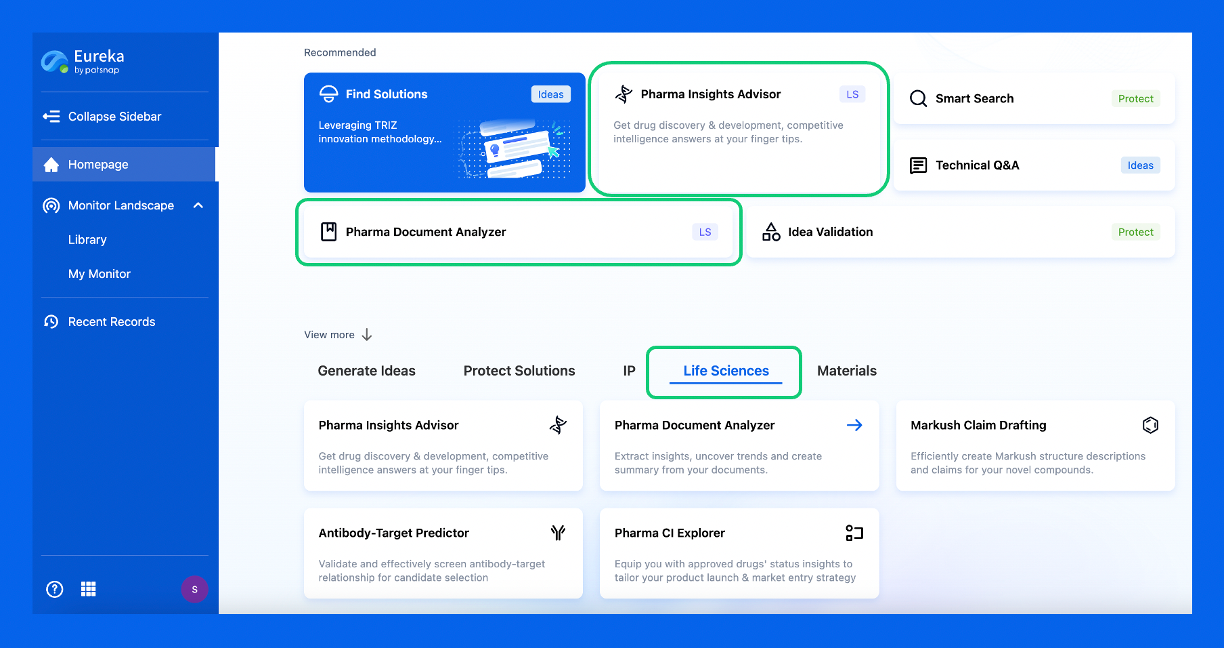
AI Agents Built for Biopharma Breakthroughs
Accelerate discovery. Empower decisions. Transform outcomes.
Get started for free today!
Accelerate Strategic R&D decision making with Synapse, PatSnap’s AI-powered Connected Innovation Intelligence Platform Built for Life Sciences Professionals.
Start your data trial now!
Synapse data is also accessible to external entities via APIs or data packages. Empower better decisions with the latest in pharmaceutical intelligence.