Request Demo
What is Codotussyl used for?
15 June 2024
Codotussyl is a noteworthy medication in the pharmaceutical landscape, primarily known for its efficacy in treating symptoms associated with cough and related respiratory issues. Marketed under various trade names, Codotussyl has found its place in both over-the-counter and prescription drug markets. The drug operates as a potent antitussive, or cough suppressant, making it an indispensable remedy for those suffering from persistent coughs that can interfere with daily life and sleep quality. Developed and researched by leading pharmaceutical companies and research institutions, Codotussyl has undergone rigorous clinical trials to establish its safety and effectiveness. It primarily targets the central nervous system to interrupt the cough reflex pathway, providing relief from the incessant coughing that often accompanies respiratory infections, bronchitis, and other related conditions. Continued research and development efforts are focused on enhancing the drug’s efficacy, minimizing side effects, and expanding its applications.
Codotussyl Mechanism of Action
The mechanism of action of Codotussyl is both fascinating and complex. The drug functions by acting on the central nervous system, specifically targeting the medulla oblongata, which is the part of the brain responsible for the cough reflex. Codotussyl contains active ingredients that bind to opioid receptors in the brain, altering the neural signals that trigger coughing. This binding action effectively dampens the cough reflex, providing symptomatic relief to the patient. Unlike other medications that may simply soothe the throat or thin mucus, Codotussyl's central action means that it can stop a cough at its source. This makes it especially useful for treating dry, non-productive coughs where there is no mucus to expel. However, its opioid-based mechanism also necessitates careful usage and adherence to prescribed doses to avoid potential dependency.
How to Use Codotussyl
The administration of Codotussyl varies depending on its formulation and the specific needs of the patient. It is available in various forms, including syrup, tablets, and extended-release capsules. For immediate relief, the syrup form is often preferred due to its rapid onset of action, typically beginning to take effect within 15-30 minutes. Tablets and capsules may be prescribed for more sustained relief, working over a longer period but with a slightly delayed onset compared to the syrup.
When using Codotussyl, it is crucial to follow the dosage instructions provided by a healthcare professional. For adults, the standard dosage can range from 5 to 10 milliliters of syrup every 4 to 6 hours, not to exceed a certain daily limit. Pediatric dosages are significantly lower and must be carefully calibrated based on the child's weight and age. It is vital to use the measuring device provided with the medication to ensure accurate dosing.
Patients should be aware that Codotussyl can interact with other medications and substances, so a thorough medical history should be provided to the prescribing physician. Additionally, Codotussyl should be stored at room temperature, away from moisture and direct sunlight, to maintain its efficacy.
What is Codotussyl Side Effects
As with any medication, Codotussyl comes with a range of potential side effects that users should be aware of. Common side effects include drowsiness, dizziness, nausea, and constipation. These are generally mild and tend to resolve on their own as the body adjusts to the medication. However, some patients may experience more severe side effects such as respiratory depression, especially if taken in higher than recommended doses. This is particularly concerning given Codotussyl's opioid content, which can depress the respiratory system.
Contraindications for Codotussyl include respiratory conditions like asthma or COPD, where respiratory function is already compromised. It is also contraindicated in individuals with a history of substance abuse, given its potential for dependency. Pregnant and breastfeeding women should avoid using Codotussyl unless absolutely necessary and prescribed by a healthcare provider, as the drug can cross the placental barrier and appear in breast milk.
If any severe side effects or symptoms of an allergic reaction (such as rash, itching, swelling, severe dizziness, or trouble breathing) occur, immediate medical attention should be sought. Long-term use of Codotussyl should be monitored by a healthcare provider to prevent potential dependency or abuse.
What Other Drugs Will Affect Codotussyl
Interactions with other drugs are a critical consideration when taking Codotussyl. Given its central nervous system activity, combining Codotussyl with other CNS depressants can amplify side effects and potentially lead to dangerous respiratory depression. These include alcohol, benzodiazepines, other opioids, and certain sleep medications. Even over-the-counter medications for allergies or sleep that contain antihistamines can interact adversely with Codotussyl.
Patients taking monoamine oxidase inhibitors (MAOIs) should not use Codotussyl, as this combination can lead to severe and potentially life-threatening reactions. Additionally, certain antidepressants and antipsychotic medications can affect how Codotussyl is metabolized in the body, either increasing its effects and side effects or reducing its efficacy.
It is essential for patients to provide a complete list of all medications, supplements, and herbal products they are taking to their healthcare provider before starting Codotussyl. This will help identify potential interactions and allow for adjustments to be made, ensuring safe and effective use of the medication.
In conclusion, Codotussyl is a valuable drug in the management of coughs and related respiratory conditions. While its mechanism of action and efficacy are well-documented, careful usage and awareness of potential side effects and drug interactions are crucial for safe treatment. As research continues, the hope is to further refine Codotussyl’s applications and minimize risks, offering patients reliable relief from disruptive cough symptoms.
Codotussyl Mechanism of Action
The mechanism of action of Codotussyl is both fascinating and complex. The drug functions by acting on the central nervous system, specifically targeting the medulla oblongata, which is the part of the brain responsible for the cough reflex. Codotussyl contains active ingredients that bind to opioid receptors in the brain, altering the neural signals that trigger coughing. This binding action effectively dampens the cough reflex, providing symptomatic relief to the patient. Unlike other medications that may simply soothe the throat or thin mucus, Codotussyl's central action means that it can stop a cough at its source. This makes it especially useful for treating dry, non-productive coughs where there is no mucus to expel. However, its opioid-based mechanism also necessitates careful usage and adherence to prescribed doses to avoid potential dependency.
How to Use Codotussyl
The administration of Codotussyl varies depending on its formulation and the specific needs of the patient. It is available in various forms, including syrup, tablets, and extended-release capsules. For immediate relief, the syrup form is often preferred due to its rapid onset of action, typically beginning to take effect within 15-30 minutes. Tablets and capsules may be prescribed for more sustained relief, working over a longer period but with a slightly delayed onset compared to the syrup.
When using Codotussyl, it is crucial to follow the dosage instructions provided by a healthcare professional. For adults, the standard dosage can range from 5 to 10 milliliters of syrup every 4 to 6 hours, not to exceed a certain daily limit. Pediatric dosages are significantly lower and must be carefully calibrated based on the child's weight and age. It is vital to use the measuring device provided with the medication to ensure accurate dosing.
Patients should be aware that Codotussyl can interact with other medications and substances, so a thorough medical history should be provided to the prescribing physician. Additionally, Codotussyl should be stored at room temperature, away from moisture and direct sunlight, to maintain its efficacy.
What is Codotussyl Side Effects
As with any medication, Codotussyl comes with a range of potential side effects that users should be aware of. Common side effects include drowsiness, dizziness, nausea, and constipation. These are generally mild and tend to resolve on their own as the body adjusts to the medication. However, some patients may experience more severe side effects such as respiratory depression, especially if taken in higher than recommended doses. This is particularly concerning given Codotussyl's opioid content, which can depress the respiratory system.
Contraindications for Codotussyl include respiratory conditions like asthma or COPD, where respiratory function is already compromised. It is also contraindicated in individuals with a history of substance abuse, given its potential for dependency. Pregnant and breastfeeding women should avoid using Codotussyl unless absolutely necessary and prescribed by a healthcare provider, as the drug can cross the placental barrier and appear in breast milk.
If any severe side effects or symptoms of an allergic reaction (such as rash, itching, swelling, severe dizziness, or trouble breathing) occur, immediate medical attention should be sought. Long-term use of Codotussyl should be monitored by a healthcare provider to prevent potential dependency or abuse.
What Other Drugs Will Affect Codotussyl
Interactions with other drugs are a critical consideration when taking Codotussyl. Given its central nervous system activity, combining Codotussyl with other CNS depressants can amplify side effects and potentially lead to dangerous respiratory depression. These include alcohol, benzodiazepines, other opioids, and certain sleep medications. Even over-the-counter medications for allergies or sleep that contain antihistamines can interact adversely with Codotussyl.
Patients taking monoamine oxidase inhibitors (MAOIs) should not use Codotussyl, as this combination can lead to severe and potentially life-threatening reactions. Additionally, certain antidepressants and antipsychotic medications can affect how Codotussyl is metabolized in the body, either increasing its effects and side effects or reducing its efficacy.
It is essential for patients to provide a complete list of all medications, supplements, and herbal products they are taking to their healthcare provider before starting Codotussyl. This will help identify potential interactions and allow for adjustments to be made, ensuring safe and effective use of the medication.
In conclusion, Codotussyl is a valuable drug in the management of coughs and related respiratory conditions. While its mechanism of action and efficacy are well-documented, careful usage and awareness of potential side effects and drug interactions are crucial for safe treatment. As research continues, the hope is to further refine Codotussyl’s applications and minimize risks, offering patients reliable relief from disruptive cough symptoms.
How to obtain the latest development progress of all drugs?
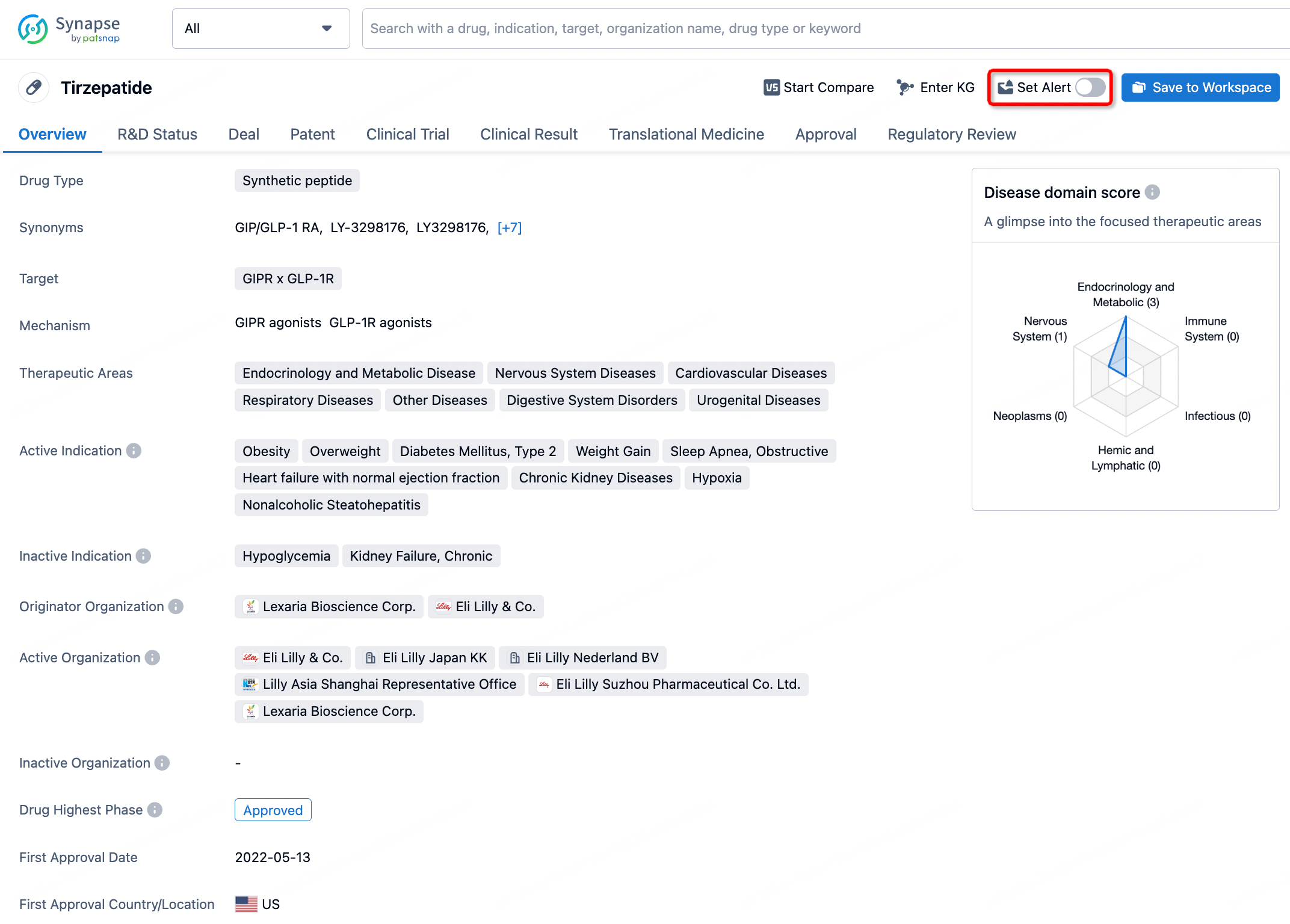
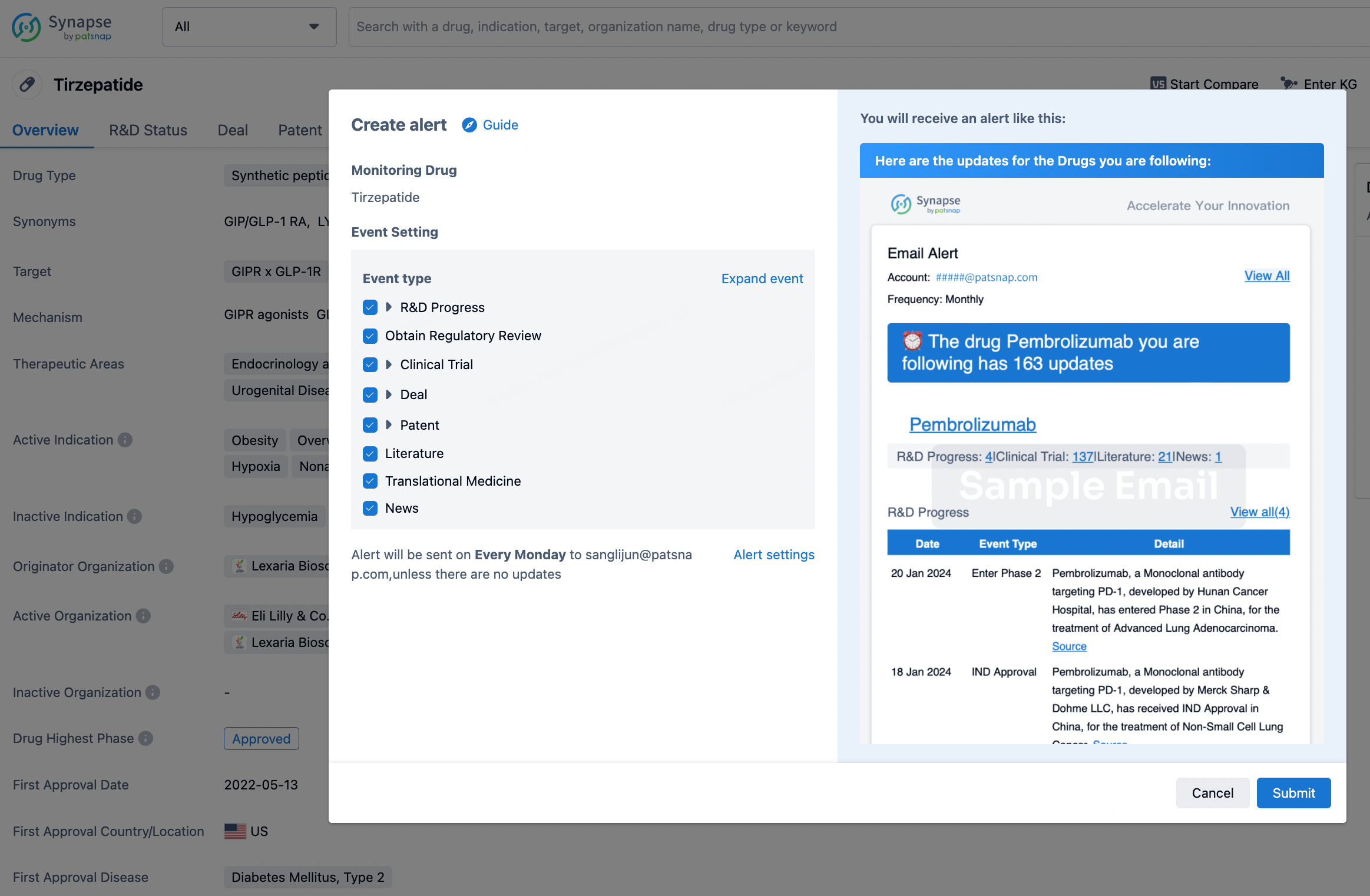
In the Synapse database, you can stay updated on the latest research and development advances of all drugs. This service is accessible anytime and anywhere, with updates available daily or weekly. Use the "Set Alert" function to stay informed. Click on the image below to embark on a brand new journey of drug discovery!

AI Agents Built for Biopharma Breakthroughs
Accelerate discovery. Empower decisions. Transform outcomes.
Get started for free today!
Accelerate Strategic R&D decision making with Synapse, PatSnap’s AI-powered Connected Innovation Intelligence Platform Built for Life Sciences Professionals.
Start your data trial now!
Synapse data is also accessible to external entities via APIs or data packages. Empower better decisions with the latest in pharmaceutical intelligence.