Request Demo
What is DX-103 used for?
28 June 2024
In the ever-evolving landscape of medical research, DX-103 has emerged as a beacon of hope for individuals suffering from chronic inflammatory diseases. Developed by a consortium of leading pharmaceutical companies and academic institutions, DX-103 is a novel biologic drug with a unique mechanism of action, promising significant advancements in treatment efficacy and patient outcomes.
### Introduction to DX-103
DX-103 is an innovative biologic agent designed specifically to target and mitigate chronic inflammatory responses in the body. The drug is being developed by a collaborative effort involving top-tier research institutions and pharmaceutical giants, including the prestigious International Institute of Biomedical Research and PharmaTech Solutions. This partnership leverages cutting-edge technology and profound expertise to bring forward a therapeutic option that could revolutionize the treatment paradigm for several chronic inflammatory conditions.
As a biologic drug, DX-103 belongs to a class of medications derived from living cells. It is engineered to target specific proteins involved in the inflammatory cascade, thereby reducing inflammation and its associated symptoms. Currently, DX-103 is in Phase III clinical trials, where it is being tested for safety and efficacy in large patient populations. Preliminary data from Phase II trials have shown promising results, with significant improvements in disease markers and patient-reported outcomes.
### DX-103 Mechanism of Action
Understanding the mechanism of action of DX-103 requires a brief dive into the body's inflammatory process. Chronic inflammation is a pathological condition characterized by prolonged and persistent inflammatory responses, often resulting in tissue damage and various diseases such as rheumatoid arthritis, Crohn's disease, and psoriasis.
DX-103 works by specifically targeting and inhibiting a protein known as cytokine IL-6 (Interleukin-6), which plays a pivotal role in the inflammatory process. IL-6 is a pro-inflammatory cytokine produced by various cells, including macrophages and T-cells, and is involved in the regulation of immune responses, inflammation, and hematopoiesis. Overproduction of IL-6 has been implicated in the pathophysiology of several chronic inflammatory diseases.
By binding to the IL-6 receptor, DX-103 effectively blocks the interaction of IL-6 with its receptor, thereby inhibiting the downstream signaling pathways that lead to inflammation. This targeted approach allows DX-103 to reduce inflammatory responses without broadly suppressing the immune system, which is a significant advantage over traditional anti-inflammatory drugs that can leave patients susceptible to infections and other immune-related complications.
### What is the Indication of DX-103?
DX-103 is being developed for the treatment of multiple chronic inflammatory diseases, with a primary focus on rheumatoid arthritis (RA), Crohn's disease, and psoriasis. These conditions are characterized by persistent inflammation that can lead to severe pain, disability, and diminished quality of life.
1. **Rheumatoid Arthritis (RA):** RA is an autoimmune disorder where the body's immune system mistakenly attacks the joints, causing inflammation, pain, and eventual joint damage. DX-103 aims to reduce the levels of IL-6 in the joint tissues, thereby alleviating inflammation and preventing further joint damage. Early clinical trials have shown that patients treated with DX-103 experience significant reductions in joint pain and swelling, along with improvements in physical function and overall quality of life.
2. **Crohn's Disease:** Crohn's disease is a chronic inflammatory condition of the gastrointestinal tract, often leading to severe abdominal pain, diarrhea, and malnutrition. By targeting IL-6, DX-103 helps to reduce the inflammation in the gastrointestinal lining, which can alleviate symptoms and promote mucosal healing. Initial studies have demonstrated a decrease in gastrointestinal symptoms and an improvement in the nutritional status of patients receiving DX-103.
3. **Psoriasis:** Psoriasis is an autoimmune skin condition characterized by red, scaly patches that can be itchy and painful. The overproduction of IL-6 in psoriatic lesions contributes to the inflammatory process and skin cell proliferation. DX-103's ability to inhibit IL-6 has shown promising results in reducing the severity and extent of psoriatic lesions, offering a potential new treatment option for individuals with moderate to severe psoriasis.
In conclusion, DX-103 represents a significant advancement in the treatment of chronic inflammatory diseases. Its targeted inhibition of IL-6 offers a promising therapeutic strategy that could improve the lives of millions of patients worldwide. As clinical trials progress, the medical community remains hopeful that DX-103 will soon become a cornerstone in the management of these debilitating conditions.
### Introduction to DX-103
DX-103 is an innovative biologic agent designed specifically to target and mitigate chronic inflammatory responses in the body. The drug is being developed by a collaborative effort involving top-tier research institutions and pharmaceutical giants, including the prestigious International Institute of Biomedical Research and PharmaTech Solutions. This partnership leverages cutting-edge technology and profound expertise to bring forward a therapeutic option that could revolutionize the treatment paradigm for several chronic inflammatory conditions.
As a biologic drug, DX-103 belongs to a class of medications derived from living cells. It is engineered to target specific proteins involved in the inflammatory cascade, thereby reducing inflammation and its associated symptoms. Currently, DX-103 is in Phase III clinical trials, where it is being tested for safety and efficacy in large patient populations. Preliminary data from Phase II trials have shown promising results, with significant improvements in disease markers and patient-reported outcomes.
### DX-103 Mechanism of Action
Understanding the mechanism of action of DX-103 requires a brief dive into the body's inflammatory process. Chronic inflammation is a pathological condition characterized by prolonged and persistent inflammatory responses, often resulting in tissue damage and various diseases such as rheumatoid arthritis, Crohn's disease, and psoriasis.
DX-103 works by specifically targeting and inhibiting a protein known as cytokine IL-6 (Interleukin-6), which plays a pivotal role in the inflammatory process. IL-6 is a pro-inflammatory cytokine produced by various cells, including macrophages and T-cells, and is involved in the regulation of immune responses, inflammation, and hematopoiesis. Overproduction of IL-6 has been implicated in the pathophysiology of several chronic inflammatory diseases.
By binding to the IL-6 receptor, DX-103 effectively blocks the interaction of IL-6 with its receptor, thereby inhibiting the downstream signaling pathways that lead to inflammation. This targeted approach allows DX-103 to reduce inflammatory responses without broadly suppressing the immune system, which is a significant advantage over traditional anti-inflammatory drugs that can leave patients susceptible to infections and other immune-related complications.
### What is the Indication of DX-103?
DX-103 is being developed for the treatment of multiple chronic inflammatory diseases, with a primary focus on rheumatoid arthritis (RA), Crohn's disease, and psoriasis. These conditions are characterized by persistent inflammation that can lead to severe pain, disability, and diminished quality of life.
1. **Rheumatoid Arthritis (RA):** RA is an autoimmune disorder where the body's immune system mistakenly attacks the joints, causing inflammation, pain, and eventual joint damage. DX-103 aims to reduce the levels of IL-6 in the joint tissues, thereby alleviating inflammation and preventing further joint damage. Early clinical trials have shown that patients treated with DX-103 experience significant reductions in joint pain and swelling, along with improvements in physical function and overall quality of life.
2. **Crohn's Disease:** Crohn's disease is a chronic inflammatory condition of the gastrointestinal tract, often leading to severe abdominal pain, diarrhea, and malnutrition. By targeting IL-6, DX-103 helps to reduce the inflammation in the gastrointestinal lining, which can alleviate symptoms and promote mucosal healing. Initial studies have demonstrated a decrease in gastrointestinal symptoms and an improvement in the nutritional status of patients receiving DX-103.
3. **Psoriasis:** Psoriasis is an autoimmune skin condition characterized by red, scaly patches that can be itchy and painful. The overproduction of IL-6 in psoriatic lesions contributes to the inflammatory process and skin cell proliferation. DX-103's ability to inhibit IL-6 has shown promising results in reducing the severity and extent of psoriatic lesions, offering a potential new treatment option for individuals with moderate to severe psoriasis.
In conclusion, DX-103 represents a significant advancement in the treatment of chronic inflammatory diseases. Its targeted inhibition of IL-6 offers a promising therapeutic strategy that could improve the lives of millions of patients worldwide. As clinical trials progress, the medical community remains hopeful that DX-103 will soon become a cornerstone in the management of these debilitating conditions.
How to obtain the latest development progress of all drugs?
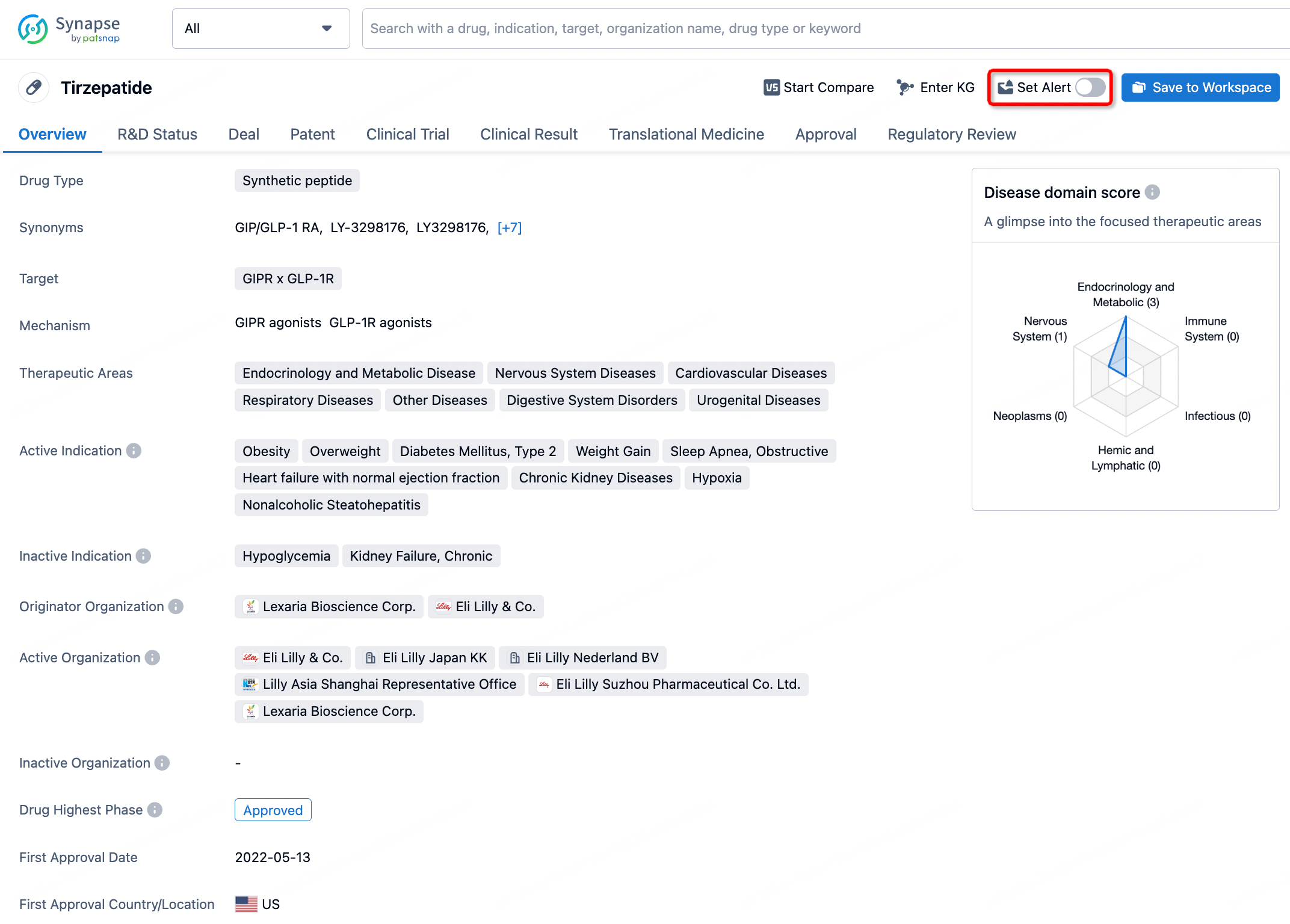
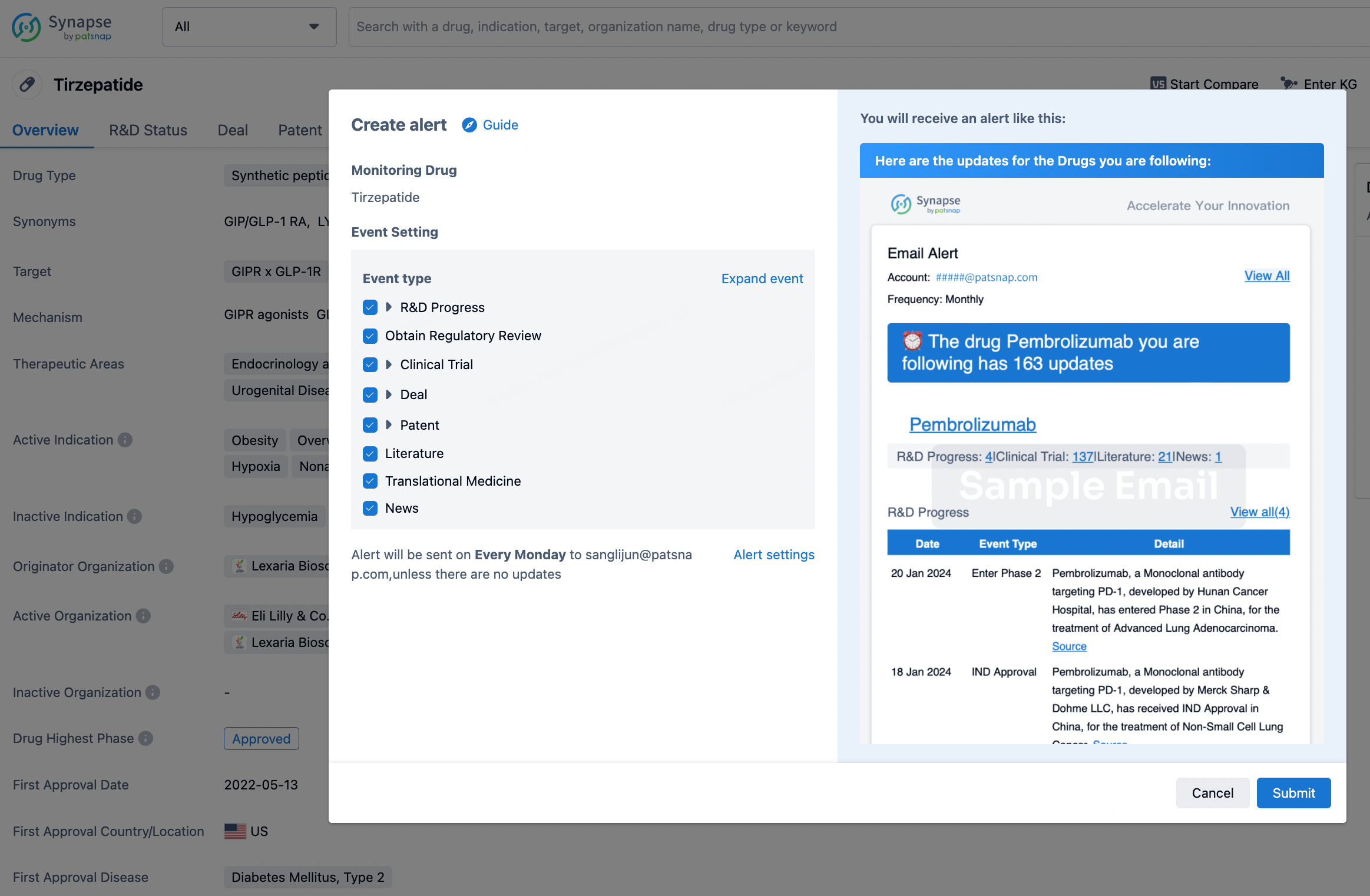
In the Synapse database, you can stay updated on the latest research and development advances of all drugs. This service is accessible anytime and anywhere, with updates available daily or weekly. Use the "Set Alert" function to stay informed. Click on the image below to embark on a brand new journey of drug discovery!

AI Agents Built for Biopharma Breakthroughs
Accelerate discovery. Empower decisions. Transform outcomes.
Get started for free today!
Accelerate Strategic R&D decision making with Synapse, PatSnap’s AI-powered Connected Innovation Intelligence Platform Built for Life Sciences Professionals.
Start your data trial now!
Synapse data is also accessible to external entities via APIs or data packages. Empower better decisions with the latest in pharmaceutical intelligence.