Request Demo
What is Methazolamide used for?
15 June 2024
Methazolamide is a sulfonamide derivative that falls under the category of carbonic anhydrase inhibitors. Marketed under various trade names, including Glauctabs, Neptazane, and MZM, methazolamide has drawn attention in ophthalmology and neurology for its efficacy in managing specific medical conditions. Initially researched and developed by pharmaceutical companies such as Merck, the drug has undergone extensive clinical trials and remains a staple in the treatment of glaucoma and certain neurological disorders.
Methazolamide targets the enzyme carbonic anhydrase, which plays a pivotal role in regulating fluid balance and pressure within the eye. By inhibiting this enzyme, methazolamide helps reduce the production of aqueous humor, thereby lowering intraocular pressure. This makes it particularly effective in managing conditions like open-angle glaucoma and secondary glaucoma. Research institutions have invested significant resources in exploring the broader applications of methazolamide, including its potential in treating altitude sickness and some forms of epilepsy. The drug is typically available in oral tablet form, offering an alternative for patients who may not tolerate topical therapies well.
Methazolamide works by inhibiting the activity of carbonic anhydrase, an enzyme found in various tissues throughout the body, including the eyes, kidneys, and central nervous system. Carbonic anhydrase plays a crucial role in maintaining acid-base balance and fluid regulation by catalyzing the reversible conversion of carbon dioxide and water into bicarbonate and protons. In the eyes, this enzyme is involved in the production of aqueous humor, the fluid that fills the anterior chamber of the eye.
By inhibiting carbonic anhydrase, methazolamide reduces the secretion of aqueous humor, leading to a decrease in intraocular pressure. This is particularly beneficial in the treatment of glaucoma, a condition characterized by elevated intraocular pressure that can lead to optic nerve damage and, ultimately, vision loss. The reduction in aqueous humor production helps alleviate the pressure within the eye, thereby preventing further damage to the optic nerve and preserving vision.
Methazolamide is typically administered orally in the form of tablets. The dosage and frequency of administration depend on the specific condition being treated and the patient's response to the medication. For the treatment of glaucoma, the usual starting dose is 50 to 100 milligrams taken two to three times daily. The dosage may be adjusted based on the patient's intraocular pressure levels and overall response to the treatment.
The onset of action of methazolamide can vary depending on the individual and the condition being treated. In general, a reduction in intraocular pressure can be observed within a few hours of taking the medication. However, it may take several days to achieve the full therapeutic effect. It is important for patients to follow their healthcare provider's instructions and continue taking the medication as prescribed, even if they do not notice an immediate improvement in their symptoms.
Like any medication, methazolamide can cause side effects, although not everyone will experience them. Common side effects include gastrointestinal disturbances such as nausea, vomiting, and diarrhea. Some patients may also experience a loss of appetite, a metallic taste in the mouth, and increased urination. These side effects are usually mild and tend to resolve on their own with continued use of the medication.
More serious side effects are less common but can occur. These include electrolyte imbalances, such as low potassium levels (hypokalemia) and low sodium levels (hyponatremia). Symptoms of electrolyte imbalances may include muscle weakness, fatigue, irregular heartbeats, and confusion. In rare cases, methazolamide can cause severe allergic reactions, including skin rashes, itching, and swelling. Patients should seek immediate medical attention if they experience any signs of an allergic reaction.
Methazolamide is contraindicated in patients with a history of hypersensitivity to sulfonamides or any of the components of the medication. It should also be used with caution in patients with severe kidney or liver disease, as the drug is primarily excreted through the kidneys and metabolized in the liver. Additionally, methazolamide is not recommended for use in patients with certain blood disorders, such as aplastic anemia or thrombocytopenia, due to the potential risk of exacerbating these conditions.
Several medications can interact with methazolamide, potentially affecting its efficacy and safety. Diuretics, such as thiazides and loop diuretics, can enhance the diuretic effect of methazolamide, leading to an increased risk of electrolyte imbalances. Patients taking these medications together should be monitored closely for signs of electrolyte disturbances and may require dose adjustments.
Other carbonic anhydrase inhibitors, such as acetazolamide, should not be used concurrently with methazolamide, as this can lead to an excessive inhibition of the enzyme and increase the risk of side effects. Additionally, methazolamide may interact with medications that cause potassium loss, such as corticosteroids and certain laxatives, further increasing the risk of hypokalemia.
Patients taking methazolamide should also inform their healthcare provider of any other medications they are taking, including over-the-counter drugs, supplements, and herbal remedies. This is important to avoid potential drug interactions and ensure the safe and effective use of methazolamide.
In conclusion, methazolamide is a valuable medication in the management of glaucoma and certain neurological conditions. By inhibiting carbonic anhydrase, it effectively reduces intraocular pressure and helps preserve vision in patients with glaucoma. While generally well-tolerated, it is important for patients to be aware of potential side effects and interactions with other medications. As with any medication, it is essential to follow the healthcare provider's instructions and report any unusual symptoms or concerns promptly.
Methazolamide targets the enzyme carbonic anhydrase, which plays a pivotal role in regulating fluid balance and pressure within the eye. By inhibiting this enzyme, methazolamide helps reduce the production of aqueous humor, thereby lowering intraocular pressure. This makes it particularly effective in managing conditions like open-angle glaucoma and secondary glaucoma. Research institutions have invested significant resources in exploring the broader applications of methazolamide, including its potential in treating altitude sickness and some forms of epilepsy. The drug is typically available in oral tablet form, offering an alternative for patients who may not tolerate topical therapies well.
Methazolamide works by inhibiting the activity of carbonic anhydrase, an enzyme found in various tissues throughout the body, including the eyes, kidneys, and central nervous system. Carbonic anhydrase plays a crucial role in maintaining acid-base balance and fluid regulation by catalyzing the reversible conversion of carbon dioxide and water into bicarbonate and protons. In the eyes, this enzyme is involved in the production of aqueous humor, the fluid that fills the anterior chamber of the eye.
By inhibiting carbonic anhydrase, methazolamide reduces the secretion of aqueous humor, leading to a decrease in intraocular pressure. This is particularly beneficial in the treatment of glaucoma, a condition characterized by elevated intraocular pressure that can lead to optic nerve damage and, ultimately, vision loss. The reduction in aqueous humor production helps alleviate the pressure within the eye, thereby preventing further damage to the optic nerve and preserving vision.
Methazolamide is typically administered orally in the form of tablets. The dosage and frequency of administration depend on the specific condition being treated and the patient's response to the medication. For the treatment of glaucoma, the usual starting dose is 50 to 100 milligrams taken two to three times daily. The dosage may be adjusted based on the patient's intraocular pressure levels and overall response to the treatment.
The onset of action of methazolamide can vary depending on the individual and the condition being treated. In general, a reduction in intraocular pressure can be observed within a few hours of taking the medication. However, it may take several days to achieve the full therapeutic effect. It is important for patients to follow their healthcare provider's instructions and continue taking the medication as prescribed, even if they do not notice an immediate improvement in their symptoms.
Like any medication, methazolamide can cause side effects, although not everyone will experience them. Common side effects include gastrointestinal disturbances such as nausea, vomiting, and diarrhea. Some patients may also experience a loss of appetite, a metallic taste in the mouth, and increased urination. These side effects are usually mild and tend to resolve on their own with continued use of the medication.
More serious side effects are less common but can occur. These include electrolyte imbalances, such as low potassium levels (hypokalemia) and low sodium levels (hyponatremia). Symptoms of electrolyte imbalances may include muscle weakness, fatigue, irregular heartbeats, and confusion. In rare cases, methazolamide can cause severe allergic reactions, including skin rashes, itching, and swelling. Patients should seek immediate medical attention if they experience any signs of an allergic reaction.
Methazolamide is contraindicated in patients with a history of hypersensitivity to sulfonamides or any of the components of the medication. It should also be used with caution in patients with severe kidney or liver disease, as the drug is primarily excreted through the kidneys and metabolized in the liver. Additionally, methazolamide is not recommended for use in patients with certain blood disorders, such as aplastic anemia or thrombocytopenia, due to the potential risk of exacerbating these conditions.
Several medications can interact with methazolamide, potentially affecting its efficacy and safety. Diuretics, such as thiazides and loop diuretics, can enhance the diuretic effect of methazolamide, leading to an increased risk of electrolyte imbalances. Patients taking these medications together should be monitored closely for signs of electrolyte disturbances and may require dose adjustments.
Other carbonic anhydrase inhibitors, such as acetazolamide, should not be used concurrently with methazolamide, as this can lead to an excessive inhibition of the enzyme and increase the risk of side effects. Additionally, methazolamide may interact with medications that cause potassium loss, such as corticosteroids and certain laxatives, further increasing the risk of hypokalemia.
Patients taking methazolamide should also inform their healthcare provider of any other medications they are taking, including over-the-counter drugs, supplements, and herbal remedies. This is important to avoid potential drug interactions and ensure the safe and effective use of methazolamide.
In conclusion, methazolamide is a valuable medication in the management of glaucoma and certain neurological conditions. By inhibiting carbonic anhydrase, it effectively reduces intraocular pressure and helps preserve vision in patients with glaucoma. While generally well-tolerated, it is important for patients to be aware of potential side effects and interactions with other medications. As with any medication, it is essential to follow the healthcare provider's instructions and report any unusual symptoms or concerns promptly.
How to obtain the latest development progress of all drugs?
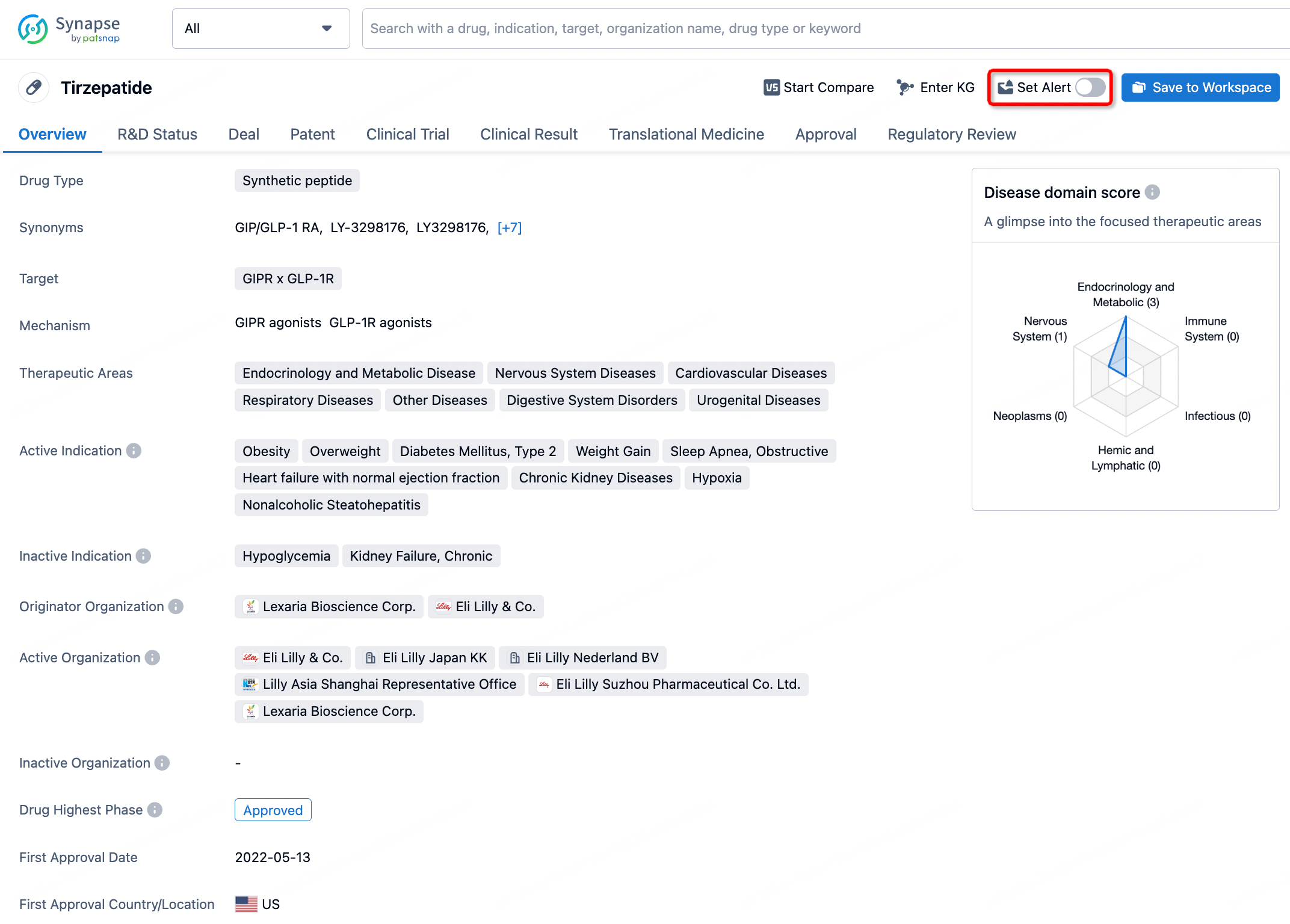
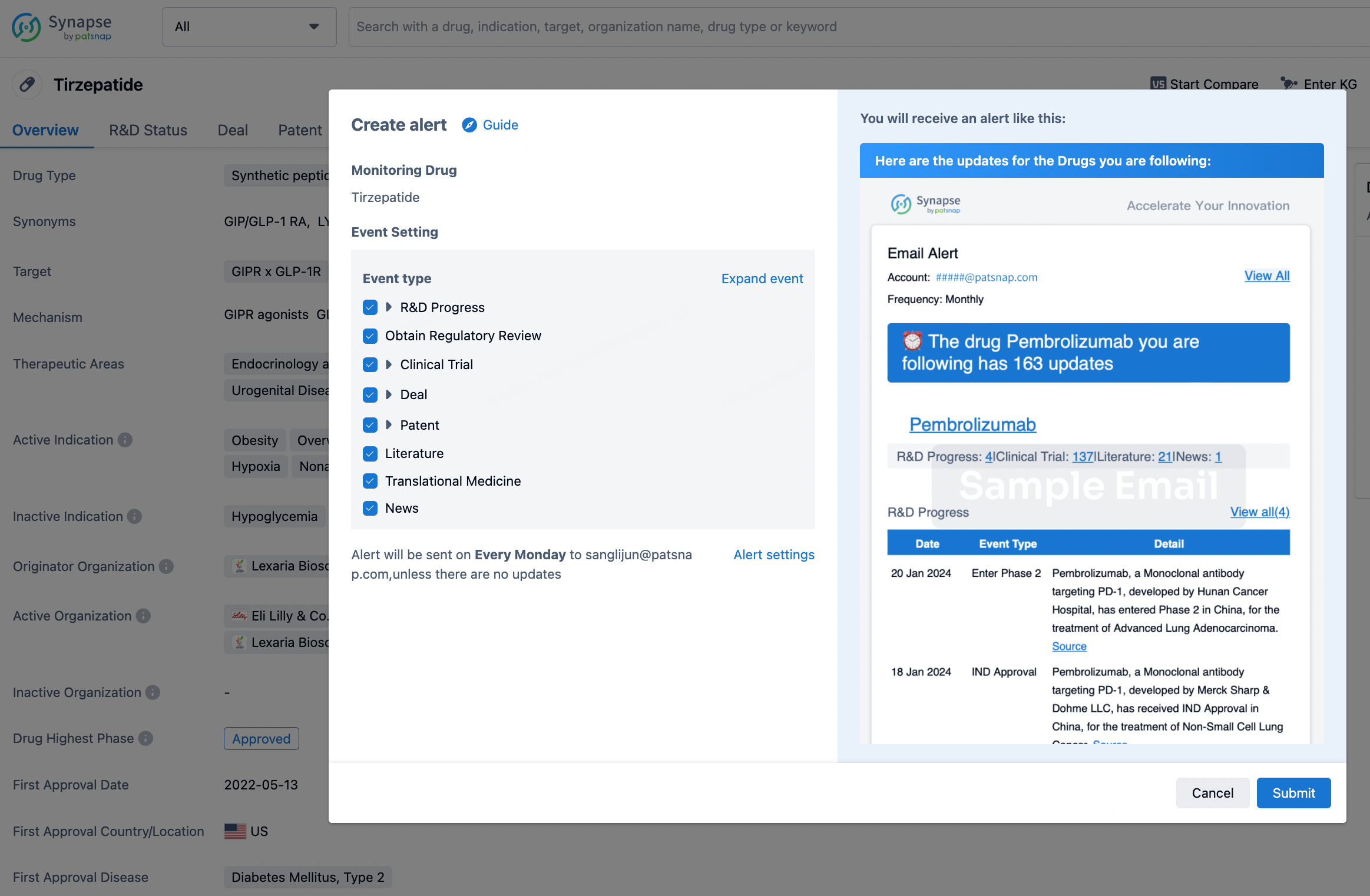
In the Synapse database, you can stay updated on the latest research and development advances of all drugs. This service is accessible anytime and anywhere, with updates available daily or weekly. Use the "Set Alert" function to stay informed. Click on the image below to embark on a brand new journey of drug discovery!
AI Agents Built for Biopharma Breakthroughs
Accelerate discovery. Empower decisions. Transform outcomes.
Get started for free today!
Accelerate Strategic R&D decision making with Synapse, PatSnap’s AI-powered Connected Innovation Intelligence Platform Built for Life Sciences Professionals.
Start your data trial now!
Synapse data is also accessible to external entities via APIs or data packages. Empower better decisions with the latest in pharmaceutical intelligence.