Request Demo
What is Norethidranum Dipropionas used for?
15 June 2024
Norethidranum Dipropionas is an increasingly significant player in the pharmaceutical landscape, gaining attention for its versatility and potential therapeutic benefits. Known by several trade names, including Northera and Droxidopa, this drug is the subject of intense scrutiny from various research institutions aiming to uncover its full range of applications. Initially developed as a treatment for conditions like orthostatic hypotension, particularly in patients with neurological disorders, Norethidranum Dipropionas has shown promise in other medical contexts as well. Various pharmaceutical companies and academic research centers are engaged in ongoing studies to explore its efficacy, safety, and potential new indications.
Norethidranum Dipropionas belongs to the class of drugs known as synthetic catecholamines, which are compounds that mimic the action of naturally occurring catecholamines like dopamine and norepinephrine. Its primary indication is for the treatment of symptomatic neurogenic orthostatic hypotension (nOH) in patients with conditions such as Parkinson's disease, multiple system atrophy, and pure autonomic failure. These disorders often result in a significant drop in blood pressure upon standing, leading to dizziness, fainting, and falls, thus severely affecting the quality of life.
The research into Norethidranum Dipropionas is ongoing, with several clinical trials and studies aimed at expanding the understanding of its mechanism, optimal usage, and potential for treating other conditions. The drug has already received approval in several countries, and new findings could further broaden its therapeutic scope.
Norethidranum Dipropionas Mechanism of Action
Norethidranum Dipropionas works by being converted into norepinephrine through a process known as decarboxylation. This conversion takes place in both peripheral and central tissues, leading to an increase in norepinephrine levels in the body. Norepinephrine is a key neurotransmitter involved in the regulation of blood pressure, particularly in response to changes in body position.
In patients with neurogenic orthostatic hypotension, the body's ability to produce and release adequate amounts of norepinephrine is impaired, leading to an inability to maintain blood pressure upon standing. By increasing the levels of norepinephrine, Norethidranum Dipropionas helps to counteract this deficit, improving blood pressure stability and alleviating symptoms such as dizziness and fainting.
The mechanism of action of Norethidranum Dipropionas is well-suited for its primary indication, but researchers are also investigating its potential benefits in other conditions characterized by dysregulated norepinephrine production. These include certain types of chronic fatigue syndrome, fibromyalgia, and even some psychiatric disorders. The versatility of its action makes Norethidranum Dipropionas a promising candidate for multi-faceted therapeutic applications.
How to Use Norethidranum Dipropionas
Norethidranum Dipropionas is typically administered orally in the form of capsules. The dosage and frequency of administration are tailored to each patient's specific condition and response to the treatment. Generally, the medication is taken two to three times a day, with the first dose usually given upon waking and the subsequent doses taken at intervals throughout the day.
The onset of action for Norethidranum Dipropionas can vary, but patients often begin to notice improvements in their symptoms within a few days to a few weeks of starting the medication. It is crucial for patients to follow their healthcare provider's instructions closely and to report any side effects or concerns promptly.
To maximize the benefits of Norethidranum Dipropionas and minimize potential risks, healthcare providers may adjust the dosage based on the patient's response and any side effects experienced. Regular follow-up appointments are essential to monitor the drug's effectiveness and to make any necessary adjustments to the treatment regimen.
What is Norethidranum Dipropionas Side Effects
Like all medications, Norethidranum Dipropionas can cause side effects, although not everyone will experience them. Common side effects include headache, dizziness, nausea, and fatigue. These side effects are generally mild and tend to diminish as the body adjusts to the medication. However, it is essential for patients to communicate with their healthcare provider if they experience any persistent or bothersome side effects.
More severe side effects are less common but can occur. These include hypertension (high blood pressure), chest pain, and an increased risk of cardiovascular events. Due to these potential risks, Norethidranum Dipropionas is contraindicated in patients with a history of severe cardiovascular conditions, such as heart attacks or strokes, as well as in those with uncontrolled hypertension.
Patients with kidney or liver impairments should also use Norethidranum Dipropionas with caution, as these conditions can affect the drug's metabolism and elimination from the body. Additionally, the medication should be used cautiously in elderly patients, who may be more susceptible to side effects and complications.
Pregnant and breastfeeding women should avoid using Norethidranum Dipropionas unless absolutely necessary, as the safety of the drug in these populations has not been adequately established. It is crucial for patients to discuss their full medical history and any other medications they are taking with their healthcare provider before starting treatment with Norethidranum Dipropionas.
What Other Drugs Will Affect Norethidranum Dipropionas
Norethidranum Dipropionas can interact with other medications, potentially affecting its efficacy and safety. One significant interaction is with monoamine oxidase inhibitors (MAOIs), a class of antidepressants. Combining Norethidranum Dipropionas with MAOIs can lead to dangerously high levels of norepinephrine, resulting in severe hypertension and other cardiovascular complications. Therefore, patients taking MAOIs should not use Norethidranum Dipropionas.
Other medications that may interact with Norethidranum Dipropionas include certain types of blood pressure medications, particularly those that also affect norepinephrine levels. These interactions can either potentiate or diminish the effects of Norethidranum Dipropionas, necessitating careful monitoring and dosage adjustments.
Patients should also be cautious when using over-the-counter medications, herbal supplements, and other non-prescription drugs, as these can interact with Norethidranum Dipropionas in unpredictable ways. It is essential for patients to provide their healthcare provider with a complete list of all medications and supplements they are taking to avoid potential interactions.
In conclusion, Norethidranum Dipropionas represents a promising therapeutic option for patients with neurogenic orthostatic hypotension and potentially other conditions characterized by dysregulated norepinephrine production. Its mechanism of action, administration methods, side effects, and drug interactions are well-documented, but ongoing research continues to uncover new insights and applications. As with any medication, it is crucial for patients to work closely with their healthcare provider to ensure the safe and effective use of Norethidranum Dipropionas.
Norethidranum Dipropionas belongs to the class of drugs known as synthetic catecholamines, which are compounds that mimic the action of naturally occurring catecholamines like dopamine and norepinephrine. Its primary indication is for the treatment of symptomatic neurogenic orthostatic hypotension (nOH) in patients with conditions such as Parkinson's disease, multiple system atrophy, and pure autonomic failure. These disorders often result in a significant drop in blood pressure upon standing, leading to dizziness, fainting, and falls, thus severely affecting the quality of life.
The research into Norethidranum Dipropionas is ongoing, with several clinical trials and studies aimed at expanding the understanding of its mechanism, optimal usage, and potential for treating other conditions. The drug has already received approval in several countries, and new findings could further broaden its therapeutic scope.
Norethidranum Dipropionas Mechanism of Action
Norethidranum Dipropionas works by being converted into norepinephrine through a process known as decarboxylation. This conversion takes place in both peripheral and central tissues, leading to an increase in norepinephrine levels in the body. Norepinephrine is a key neurotransmitter involved in the regulation of blood pressure, particularly in response to changes in body position.
In patients with neurogenic orthostatic hypotension, the body's ability to produce and release adequate amounts of norepinephrine is impaired, leading to an inability to maintain blood pressure upon standing. By increasing the levels of norepinephrine, Norethidranum Dipropionas helps to counteract this deficit, improving blood pressure stability and alleviating symptoms such as dizziness and fainting.
The mechanism of action of Norethidranum Dipropionas is well-suited for its primary indication, but researchers are also investigating its potential benefits in other conditions characterized by dysregulated norepinephrine production. These include certain types of chronic fatigue syndrome, fibromyalgia, and even some psychiatric disorders. The versatility of its action makes Norethidranum Dipropionas a promising candidate for multi-faceted therapeutic applications.
How to Use Norethidranum Dipropionas
Norethidranum Dipropionas is typically administered orally in the form of capsules. The dosage and frequency of administration are tailored to each patient's specific condition and response to the treatment. Generally, the medication is taken two to three times a day, with the first dose usually given upon waking and the subsequent doses taken at intervals throughout the day.
The onset of action for Norethidranum Dipropionas can vary, but patients often begin to notice improvements in their symptoms within a few days to a few weeks of starting the medication. It is crucial for patients to follow their healthcare provider's instructions closely and to report any side effects or concerns promptly.
To maximize the benefits of Norethidranum Dipropionas and minimize potential risks, healthcare providers may adjust the dosage based on the patient's response and any side effects experienced. Regular follow-up appointments are essential to monitor the drug's effectiveness and to make any necessary adjustments to the treatment regimen.
What is Norethidranum Dipropionas Side Effects
Like all medications, Norethidranum Dipropionas can cause side effects, although not everyone will experience them. Common side effects include headache, dizziness, nausea, and fatigue. These side effects are generally mild and tend to diminish as the body adjusts to the medication. However, it is essential for patients to communicate with their healthcare provider if they experience any persistent or bothersome side effects.
More severe side effects are less common but can occur. These include hypertension (high blood pressure), chest pain, and an increased risk of cardiovascular events. Due to these potential risks, Norethidranum Dipropionas is contraindicated in patients with a history of severe cardiovascular conditions, such as heart attacks or strokes, as well as in those with uncontrolled hypertension.
Patients with kidney or liver impairments should also use Norethidranum Dipropionas with caution, as these conditions can affect the drug's metabolism and elimination from the body. Additionally, the medication should be used cautiously in elderly patients, who may be more susceptible to side effects and complications.
Pregnant and breastfeeding women should avoid using Norethidranum Dipropionas unless absolutely necessary, as the safety of the drug in these populations has not been adequately established. It is crucial for patients to discuss their full medical history and any other medications they are taking with their healthcare provider before starting treatment with Norethidranum Dipropionas.
What Other Drugs Will Affect Norethidranum Dipropionas
Norethidranum Dipropionas can interact with other medications, potentially affecting its efficacy and safety. One significant interaction is with monoamine oxidase inhibitors (MAOIs), a class of antidepressants. Combining Norethidranum Dipropionas with MAOIs can lead to dangerously high levels of norepinephrine, resulting in severe hypertension and other cardiovascular complications. Therefore, patients taking MAOIs should not use Norethidranum Dipropionas.
Other medications that may interact with Norethidranum Dipropionas include certain types of blood pressure medications, particularly those that also affect norepinephrine levels. These interactions can either potentiate or diminish the effects of Norethidranum Dipropionas, necessitating careful monitoring and dosage adjustments.
Patients should also be cautious when using over-the-counter medications, herbal supplements, and other non-prescription drugs, as these can interact with Norethidranum Dipropionas in unpredictable ways. It is essential for patients to provide their healthcare provider with a complete list of all medications and supplements they are taking to avoid potential interactions.
In conclusion, Norethidranum Dipropionas represents a promising therapeutic option for patients with neurogenic orthostatic hypotension and potentially other conditions characterized by dysregulated norepinephrine production. Its mechanism of action, administration methods, side effects, and drug interactions are well-documented, but ongoing research continues to uncover new insights and applications. As with any medication, it is crucial for patients to work closely with their healthcare provider to ensure the safe and effective use of Norethidranum Dipropionas.
How to obtain the latest development progress of all drugs?
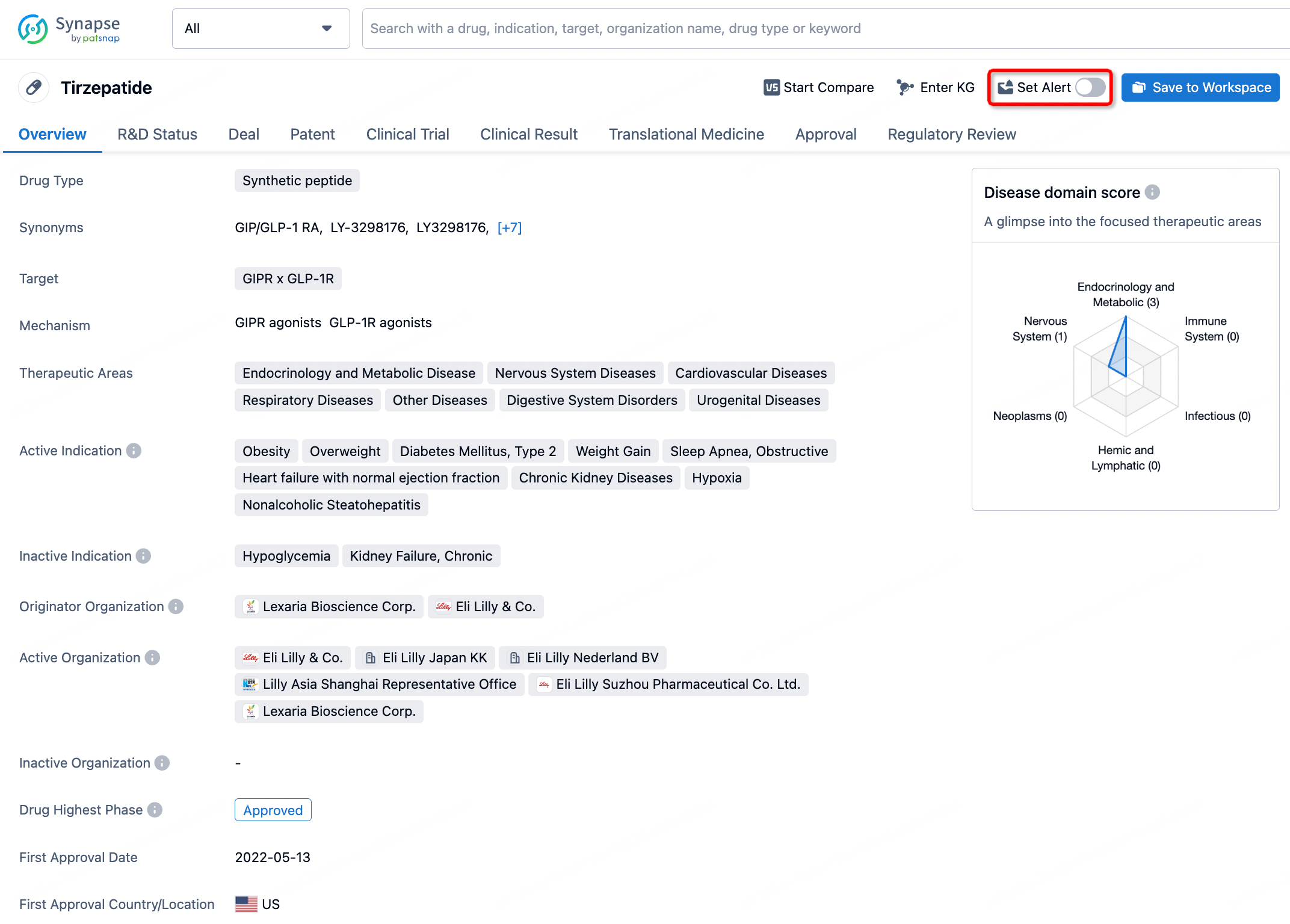
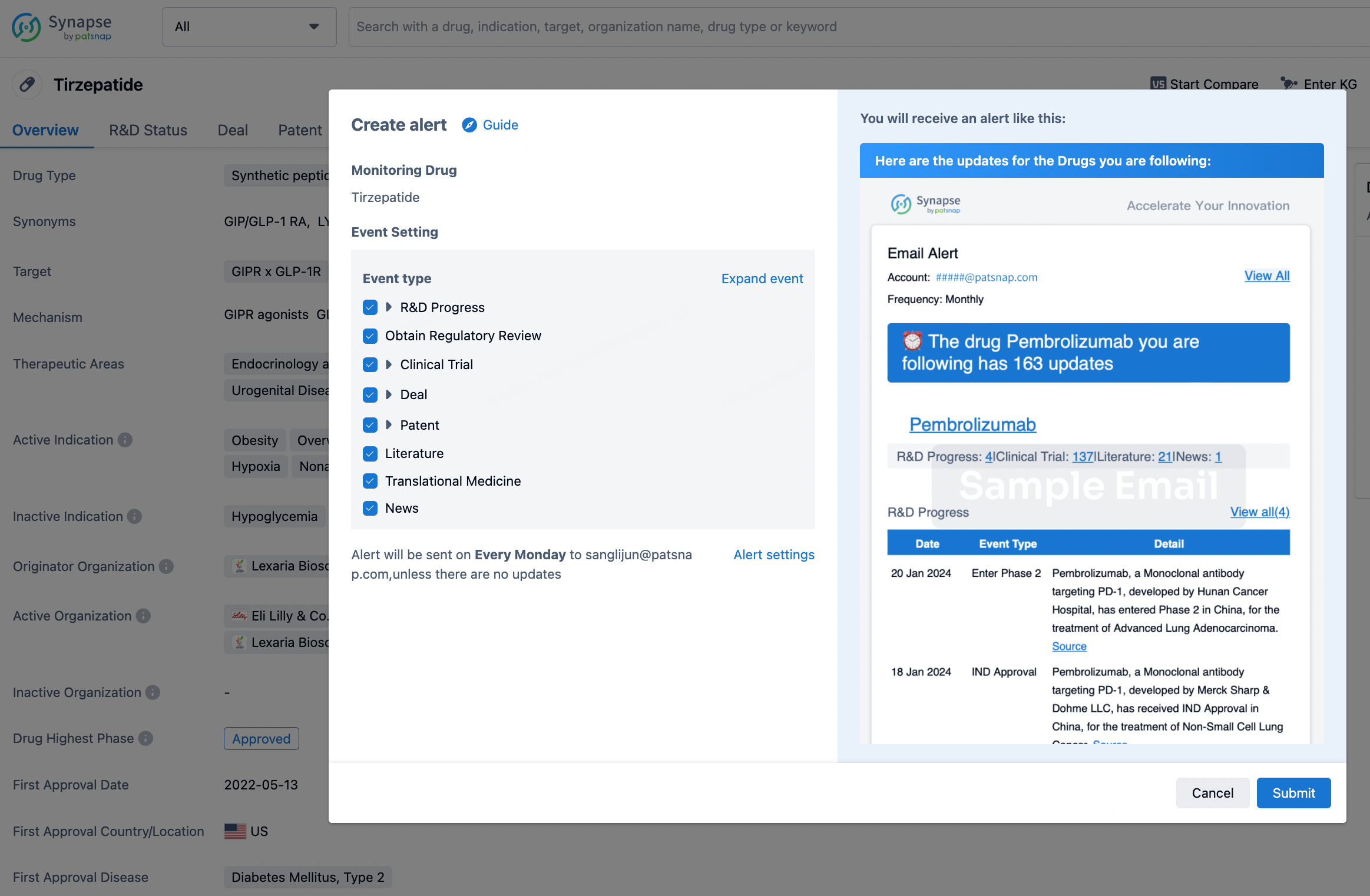
In the Synapse database, you can stay updated on the latest research and development advances of all drugs. This service is accessible anytime and anywhere, with updates available daily or weekly. Use the "Set Alert" function to stay informed. Click on the image below to embark on a brand new journey of drug discovery!
AI Agents Built for Biopharma Breakthroughs
Accelerate discovery. Empower decisions. Transform outcomes.
Get started for free today!
Accelerate Strategic R&D decision making with Synapse, PatSnap’s AI-powered Connected Innovation Intelligence Platform Built for Life Sciences Professionals.
Start your data trial now!
Synapse data is also accessible to external entities via APIs or data packages. Empower better decisions with the latest in pharmaceutical intelligence.