Request Demo
What is Ridostine used for?
14 June 2024
Introduction to Ridostine:
Ridostine is an innovative pharmaceutical agent making waves in the medical community due to its promising therapeutic potential. Known by its trade name, Ridostine, it targets specific pathways in the body to exert its effects, marking a significant breakthrough in its field. The drug was developed by BioInnovate Pharmaceuticals, in collaboration with several leading research institutions, including the National Institutes of Health (NIH) and the Mayo Clinic. Ridostine is classified as a biologic drug, specifically a monoclonal antibody, designed to treat a range of conditions associated with autoimmune dysfunction.
The primary indications for Ridostine include rheumatoid arthritis, systemic lupus erythematosus, and certain types of inflammatory bowel disease such as Crohn's disease and ulcerative colitis. The drug has also shown potential in treating severe asthma and some rare autoimmune conditions. Currently, Ridostine is undergoing Phase III clinical trials, and early results have been promising, showing significant efficacy in reducing disease symptoms and improving the quality of life for patients. Researchers are optimistic that Ridostine will soon receive approval from regulatory bodies such as the FDA and EMA, paving the way for its wider use in clinical practice.
Ridostine Mechanism of Action:
Ridostine works through a highly targeted mechanism of action. It is designed to bind specifically to a protein involved in the inflammatory process known as cytokine interleukin-6 (IL-6). IL-6 plays a crucial role in the body's immune response, and its overproduction is associated with various autoimmune diseases. By binding to IL-6, Ridostine effectively blocks its interaction with IL-6 receptors on the surfaces of immune cells such as T-cells and B-cells. This inhibition prevents the downstream signaling pathways that lead to inflammation and tissue damage.
The binding of Ridostine to IL-6 not only reduces inflammation but also modulates the immune response, bringing it back to more normal levels. This dual effect of reducing inflammation and regulating the immune system makes Ridostine a potent therapeutic agent for conditions with an autoimmune component. Moreover, the monoclonal antibody nature of Ridostine ensures high specificity and minimal off-target effects, which is a significant advantage over traditional systemic immunosuppressants.
How to Use Ridostine:
Ridostine is administered via subcutaneous injection, a method chosen for its convenience and efficacy. The initial dose is usually given under medical supervision to monitor for any adverse reactions. Subsequent doses can be self-administered by the patient at home, typically on a bi-weekly or monthly basis, depending on the severity of the condition and the patient's response to the treatment.
The onset time for Ridostine is relatively rapid compared to other biologic drugs. Patients often report noticeable improvements in symptoms within two to four weeks of starting the treatment. However, it is essential to continue the medication as prescribed, even if symptoms improve, to maintain its therapeutic effects and prevent relapse.
Proper administration technique is crucial for the effectiveness of Ridostine. Patients are advised to rotate injection sites to avoid skin irritation and to follow the storage instructions provided to ensure the drug's stability and efficacy. Healthcare providers offer comprehensive training on how to administer the injection, manage the medication, and monitor for any side effects.
What is Ridostine Side Effects:
Like all medications, Ridostine can cause side effects, although not everyone will experience them. The most common side effects are related to the injection site, such as redness, swelling, and pain. These are generally mild and resolve on their own within a few days. Systemic side effects can include headaches, upper respiratory tract infections, and gastrointestinal disturbances such as nausea and diarrhea.
More severe side effects, although rare, may include serious infections due to the immunosuppressive nature of the drug. Patients are advised to undergo regular monitoring for signs of infection and to report any unusual symptoms to their healthcare provider immediately. Allergic reactions, though uncommon, can occur and may present as rash, itching, or difficulty breathing, necessitating immediate medical attention.
Contraindications for Ridostine include a history of severe allergic reactions to monoclonal antibodies, active infections, and certain pre-existing conditions such as tuberculosis or hepatitis. It is crucial to screen for these conditions before starting treatment with Ridostine. Patients should also inform their healthcare provider of their complete medical history and any other medications they are taking to avoid potential interactions.
What Other Drugs Will Affect Ridostine:
Several drugs can potentially interact with Ridostine, altering its efficacy and safety profile. Immunosuppressive drugs, such as methotrexate and corticosteroids, are commonly used in conjunction with Ridostine to enhance its effects. However, combining these drugs requires careful monitoring due to the increased risk of infections and other side effects.
Biologic drugs targeting other pathways, such as TNF inhibitors (e.g., adalimumab, infliximab), are generally not recommended for use with Ridostine due to the heightened risk of severe immunosuppression. Live vaccines should also be avoided during treatment with Ridostine, as the drug can interfere with the body's immune response to the vaccine, making it less effective and increasing the risk of infection.
Other medications that may affect Ridostine include anticoagulants, such as warfarin, and certain antiplatelet drugs, which can increase the risk of bleeding. Patients should undergo regular blood tests to monitor their blood counts and coagulation status.
In conclusion, Ridostine represents a significant advancement in the treatment of autoimmune diseases, offering targeted therapy with a favorable safety profile. As research progresses and more data becomes available, Ridostine has the potential to become a cornerstone in the management of these challenging conditions. Patients considering Ridostine should have detailed discussions with their healthcare providers to ensure it is the right choice for their specific medical needs.
Ridostine is an innovative pharmaceutical agent making waves in the medical community due to its promising therapeutic potential. Known by its trade name, Ridostine, it targets specific pathways in the body to exert its effects, marking a significant breakthrough in its field. The drug was developed by BioInnovate Pharmaceuticals, in collaboration with several leading research institutions, including the National Institutes of Health (NIH) and the Mayo Clinic. Ridostine is classified as a biologic drug, specifically a monoclonal antibody, designed to treat a range of conditions associated with autoimmune dysfunction.
The primary indications for Ridostine include rheumatoid arthritis, systemic lupus erythematosus, and certain types of inflammatory bowel disease such as Crohn's disease and ulcerative colitis. The drug has also shown potential in treating severe asthma and some rare autoimmune conditions. Currently, Ridostine is undergoing Phase III clinical trials, and early results have been promising, showing significant efficacy in reducing disease symptoms and improving the quality of life for patients. Researchers are optimistic that Ridostine will soon receive approval from regulatory bodies such as the FDA and EMA, paving the way for its wider use in clinical practice.
Ridostine Mechanism of Action:
Ridostine works through a highly targeted mechanism of action. It is designed to bind specifically to a protein involved in the inflammatory process known as cytokine interleukin-6 (IL-6). IL-6 plays a crucial role in the body's immune response, and its overproduction is associated with various autoimmune diseases. By binding to IL-6, Ridostine effectively blocks its interaction with IL-6 receptors on the surfaces of immune cells such as T-cells and B-cells. This inhibition prevents the downstream signaling pathways that lead to inflammation and tissue damage.
The binding of Ridostine to IL-6 not only reduces inflammation but also modulates the immune response, bringing it back to more normal levels. This dual effect of reducing inflammation and regulating the immune system makes Ridostine a potent therapeutic agent for conditions with an autoimmune component. Moreover, the monoclonal antibody nature of Ridostine ensures high specificity and minimal off-target effects, which is a significant advantage over traditional systemic immunosuppressants.
How to Use Ridostine:
Ridostine is administered via subcutaneous injection, a method chosen for its convenience and efficacy. The initial dose is usually given under medical supervision to monitor for any adverse reactions. Subsequent doses can be self-administered by the patient at home, typically on a bi-weekly or monthly basis, depending on the severity of the condition and the patient's response to the treatment.
The onset time for Ridostine is relatively rapid compared to other biologic drugs. Patients often report noticeable improvements in symptoms within two to four weeks of starting the treatment. However, it is essential to continue the medication as prescribed, even if symptoms improve, to maintain its therapeutic effects and prevent relapse.
Proper administration technique is crucial for the effectiveness of Ridostine. Patients are advised to rotate injection sites to avoid skin irritation and to follow the storage instructions provided to ensure the drug's stability and efficacy. Healthcare providers offer comprehensive training on how to administer the injection, manage the medication, and monitor for any side effects.
What is Ridostine Side Effects:
Like all medications, Ridostine can cause side effects, although not everyone will experience them. The most common side effects are related to the injection site, such as redness, swelling, and pain. These are generally mild and resolve on their own within a few days. Systemic side effects can include headaches, upper respiratory tract infections, and gastrointestinal disturbances such as nausea and diarrhea.
More severe side effects, although rare, may include serious infections due to the immunosuppressive nature of the drug. Patients are advised to undergo regular monitoring for signs of infection and to report any unusual symptoms to their healthcare provider immediately. Allergic reactions, though uncommon, can occur and may present as rash, itching, or difficulty breathing, necessitating immediate medical attention.
Contraindications for Ridostine include a history of severe allergic reactions to monoclonal antibodies, active infections, and certain pre-existing conditions such as tuberculosis or hepatitis. It is crucial to screen for these conditions before starting treatment with Ridostine. Patients should also inform their healthcare provider of their complete medical history and any other medications they are taking to avoid potential interactions.
What Other Drugs Will Affect Ridostine:
Several drugs can potentially interact with Ridostine, altering its efficacy and safety profile. Immunosuppressive drugs, such as methotrexate and corticosteroids, are commonly used in conjunction with Ridostine to enhance its effects. However, combining these drugs requires careful monitoring due to the increased risk of infections and other side effects.
Biologic drugs targeting other pathways, such as TNF inhibitors (e.g., adalimumab, infliximab), are generally not recommended for use with Ridostine due to the heightened risk of severe immunosuppression. Live vaccines should also be avoided during treatment with Ridostine, as the drug can interfere with the body's immune response to the vaccine, making it less effective and increasing the risk of infection.
Other medications that may affect Ridostine include anticoagulants, such as warfarin, and certain antiplatelet drugs, which can increase the risk of bleeding. Patients should undergo regular blood tests to monitor their blood counts and coagulation status.
In conclusion, Ridostine represents a significant advancement in the treatment of autoimmune diseases, offering targeted therapy with a favorable safety profile. As research progresses and more data becomes available, Ridostine has the potential to become a cornerstone in the management of these challenging conditions. Patients considering Ridostine should have detailed discussions with their healthcare providers to ensure it is the right choice for their specific medical needs.
How to obtain the latest development progress of all drugs?
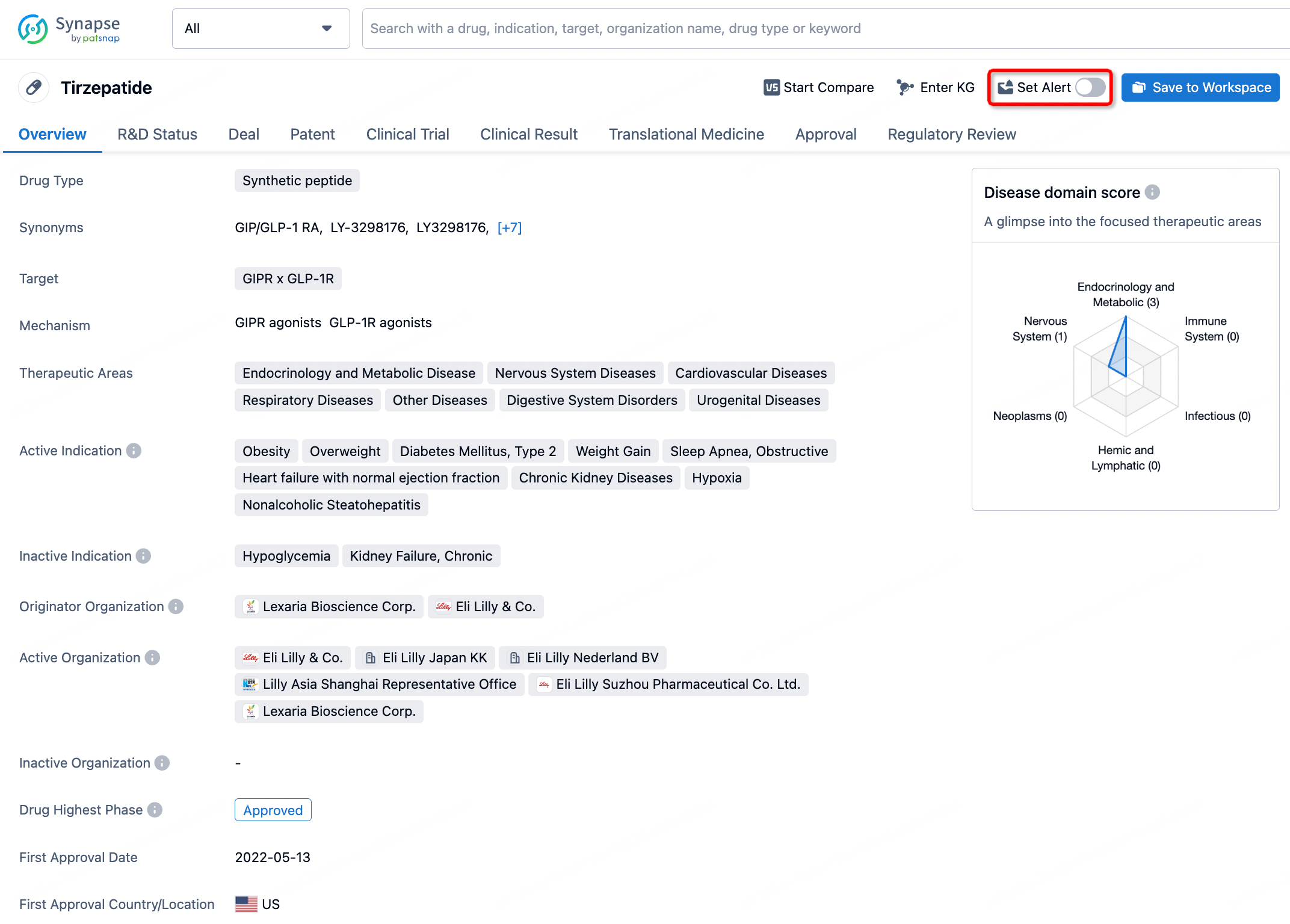
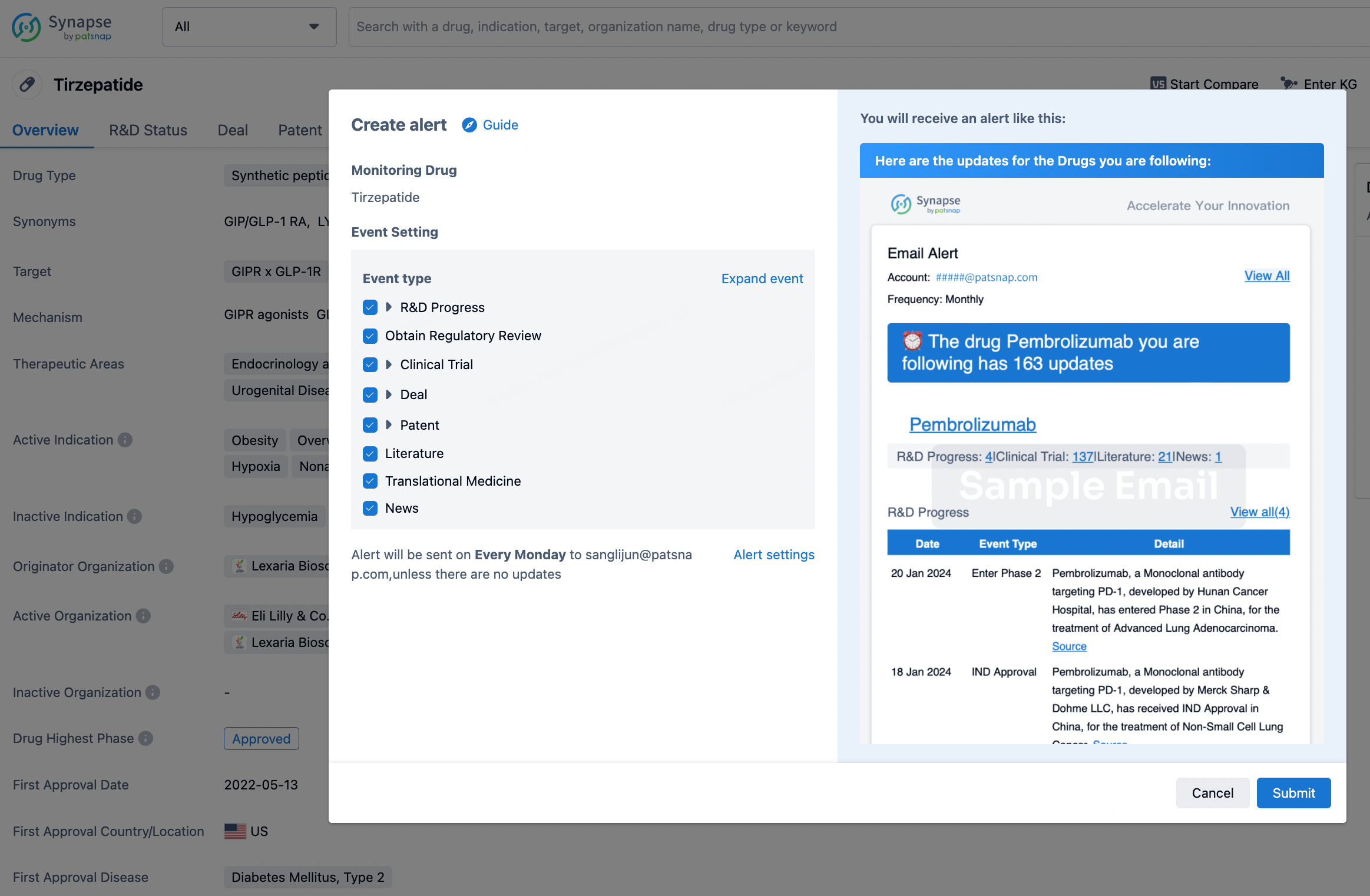
In the Synapse database, you can stay updated on the latest research and development advances of all drugs. This service is accessible anytime and anywhere, with updates available daily or weekly. Use the "Set Alert" function to stay informed. Click on the image below to embark on a brand new journey of drug discovery!
AI Agents Built for Biopharma Breakthroughs
Accelerate discovery. Empower decisions. Transform outcomes.
Get started for free today!
Accelerate Strategic R&D decision making with Synapse, PatSnap’s AI-powered Connected Innovation Intelligence Platform Built for Life Sciences Professionals.
Start your data trial now!
Synapse data is also accessible to external entities via APIs or data packages. Empower better decisions with the latest in pharmaceutical intelligence.