Request Demo
What is Sabizabulin used for?
28 June 2024
Sabizabulin has emerged as a promising therapeutic agent in recent years, captivating the attention of researchers and healthcare professionals alike. Developed by Veru Inc., this innovative drug primarily targets the microtubule network within cells, a critical component for various cellular processes. Sabizabulin is a novel, oral, cytoskeleton disruptor that has shown potential in treating a range of diseases. It has been the subject of extensive research, particularly in the context of oncology and infectious diseases, including COVID-19. With several clinical trials underway and a growing body of evidence, Sabizabulin is poised to make significant strides in the field of medicine.
The mechanism of action of Sabizabulin is both unique and intricate. It operates by binding to the colchicine binding site on tubulin, thereby inhibiting microtubule polymerization. Microtubules are essential for cell division, intracellular transport, and maintaining cell shape. By disrupting the microtubule network, Sabizabulin effectively halts the proliferation of rapidly dividing cells, such as cancer cells. This mechanism is particularly advantageous in oncology, where the unchecked growth of malignant cells is a hallmark of the disease. Furthermore, the disruption of microtubules also impairs the transport of viral particles within infected cells, rendering Sabizabulin a potential therapeutic agent against viral infections like COVID-19.
The indications for Sabizabulin are diverse, reflecting its broad-spectrum mechanism of action. In oncology, Sabizabulin has shown promise in the treatment of various cancers, including prostate cancer, breast cancer, and non-small cell lung cancer. Prostate cancer, in particular, has been a focal point of research due to the drug’s ability to overcome resistance to androgen receptor-targeting therapies. Clinical trials have demonstrated that Sabizabulin can inhibit tumor growth and metastasis, offering a new line of defense for patients with advanced and resistant forms of cancer.
Beyond oncology, Sabizabulin has generated interest in the treatment of infectious diseases, most notably COVID-19. The global pandemic has underscored the need for effective antiviral therapies, and Sabizabulin’s unique mechanism offers a novel approach. By disrupting the microtubule network, the drug can potentially impede the intracellular transport of the SARS-CoV-2 virus, thereby reducing viral replication and spread. Early clinical trials have shown promising results, with Sabizabulin demonstrating the ability to reduce viral load and improve clinical outcomes in COVID-19 patients.
The research progress of Sabizabulin has been marked by a series of clinical trials and studies aimed at validating its efficacy and safety. In oncology, Phase II and III clinical trials have been conducted to assess the drug’s performance in patients with advanced prostate cancer. These studies have shown that Sabizabulin not only inhibits tumor growth but also enhances overall survival rates, positioning it as a potential game-changer in cancer therapy. Additionally, preclinical studies in other cancer types have provided a strong rationale for further investigation, paving the way for future clinical trials.
In the context of COVID-19, Sabizabulin has undergone rigorous testing to evaluate its antiviral properties. Initial studies have demonstrated that the drug can significantly reduce viral load in infected cells, offering a potential therapeutic option for managing the disease. Ongoing clinical trials are focused on assessing the drug’s efficacy in hospitalized COVID-19 patients, with preliminary data suggesting favorable outcomes.
In summary, Sabizabulin represents a significant advancement in the realm of therapeutic agents, with its unique mechanism of action and broad-spectrum potential. From oncology to infectious diseases, the drug has shown immense promise in preclinical and clinical studies. As research progresses, Sabizabulin could herald a new era in the treatment of complex diseases, offering hope to patients who have limited therapeutic options. With its ongoing clinical trials and robust research efforts, Sabizabulin stands at the forefront of medical innovation, poised to make a lasting impact on global health.
The mechanism of action of Sabizabulin is both unique and intricate. It operates by binding to the colchicine binding site on tubulin, thereby inhibiting microtubule polymerization. Microtubules are essential for cell division, intracellular transport, and maintaining cell shape. By disrupting the microtubule network, Sabizabulin effectively halts the proliferation of rapidly dividing cells, such as cancer cells. This mechanism is particularly advantageous in oncology, where the unchecked growth of malignant cells is a hallmark of the disease. Furthermore, the disruption of microtubules also impairs the transport of viral particles within infected cells, rendering Sabizabulin a potential therapeutic agent against viral infections like COVID-19.
The indications for Sabizabulin are diverse, reflecting its broad-spectrum mechanism of action. In oncology, Sabizabulin has shown promise in the treatment of various cancers, including prostate cancer, breast cancer, and non-small cell lung cancer. Prostate cancer, in particular, has been a focal point of research due to the drug’s ability to overcome resistance to androgen receptor-targeting therapies. Clinical trials have demonstrated that Sabizabulin can inhibit tumor growth and metastasis, offering a new line of defense for patients with advanced and resistant forms of cancer.
Beyond oncology, Sabizabulin has generated interest in the treatment of infectious diseases, most notably COVID-19. The global pandemic has underscored the need for effective antiviral therapies, and Sabizabulin’s unique mechanism offers a novel approach. By disrupting the microtubule network, the drug can potentially impede the intracellular transport of the SARS-CoV-2 virus, thereby reducing viral replication and spread. Early clinical trials have shown promising results, with Sabizabulin demonstrating the ability to reduce viral load and improve clinical outcomes in COVID-19 patients.
The research progress of Sabizabulin has been marked by a series of clinical trials and studies aimed at validating its efficacy and safety. In oncology, Phase II and III clinical trials have been conducted to assess the drug’s performance in patients with advanced prostate cancer. These studies have shown that Sabizabulin not only inhibits tumor growth but also enhances overall survival rates, positioning it as a potential game-changer in cancer therapy. Additionally, preclinical studies in other cancer types have provided a strong rationale for further investigation, paving the way for future clinical trials.
In the context of COVID-19, Sabizabulin has undergone rigorous testing to evaluate its antiviral properties. Initial studies have demonstrated that the drug can significantly reduce viral load in infected cells, offering a potential therapeutic option for managing the disease. Ongoing clinical trials are focused on assessing the drug’s efficacy in hospitalized COVID-19 patients, with preliminary data suggesting favorable outcomes.
In summary, Sabizabulin represents a significant advancement in the realm of therapeutic agents, with its unique mechanism of action and broad-spectrum potential. From oncology to infectious diseases, the drug has shown immense promise in preclinical and clinical studies. As research progresses, Sabizabulin could herald a new era in the treatment of complex diseases, offering hope to patients who have limited therapeutic options. With its ongoing clinical trials and robust research efforts, Sabizabulin stands at the forefront of medical innovation, poised to make a lasting impact on global health.
How to obtain the latest development progress of all drugs?
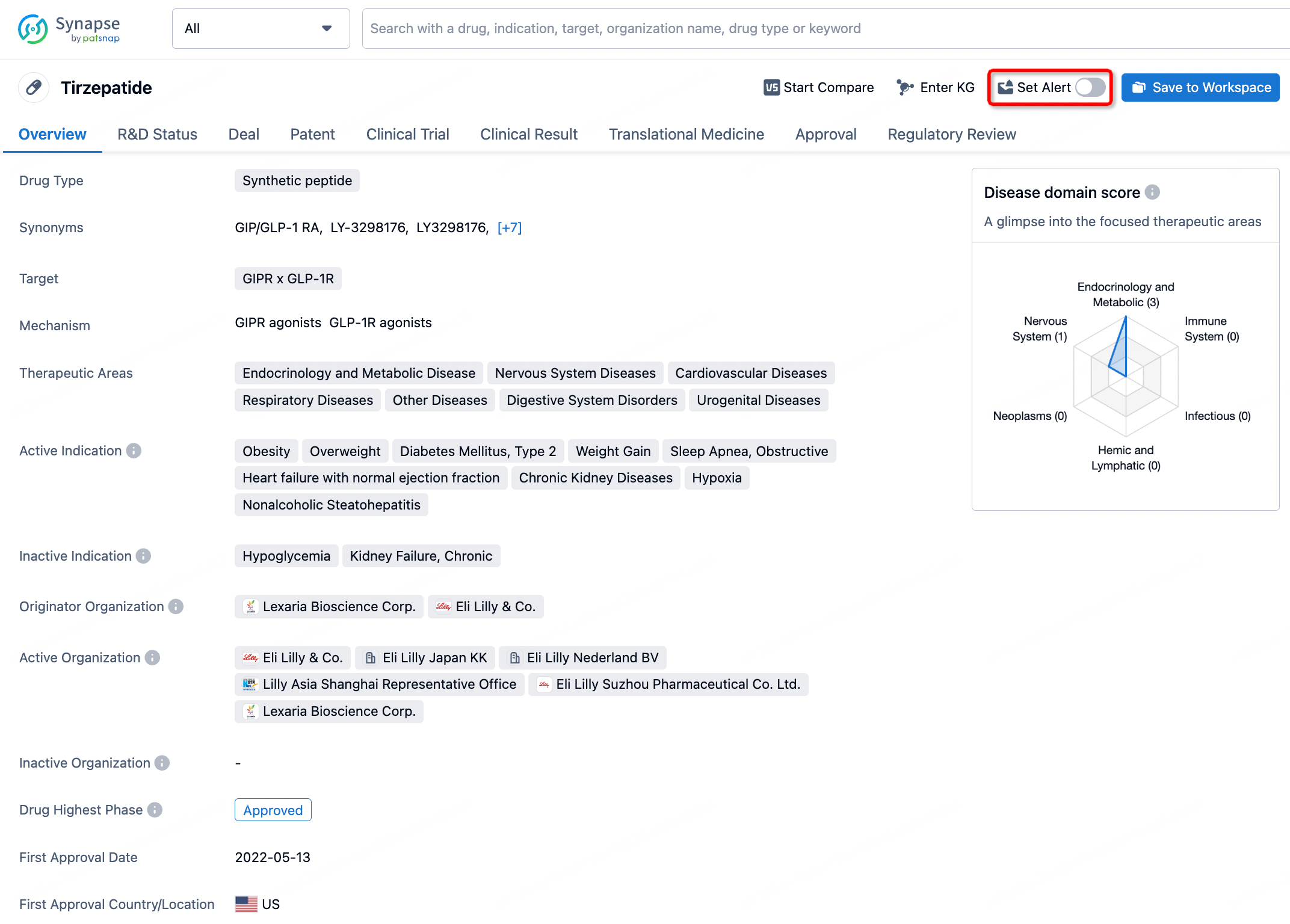
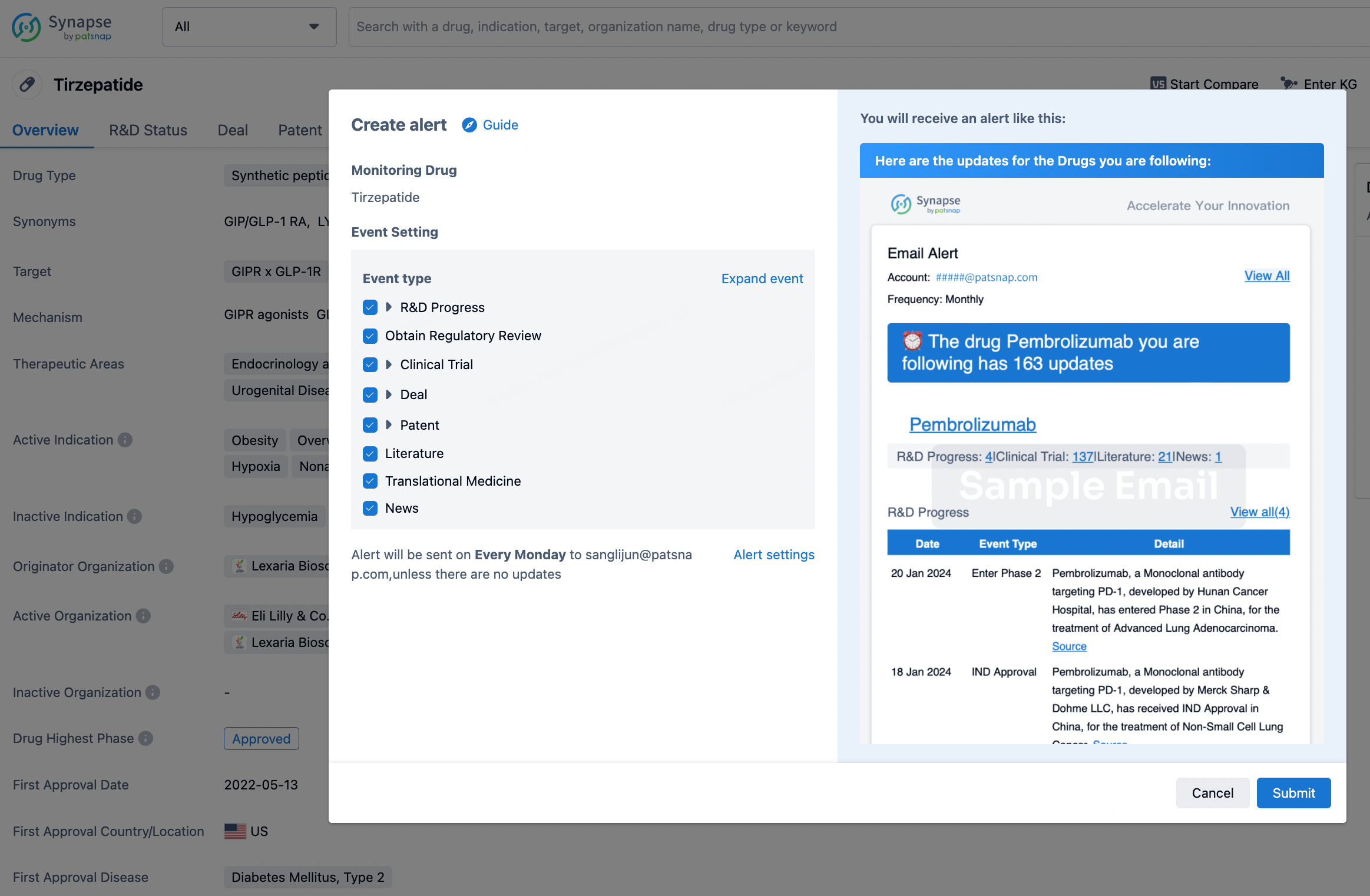
In the Synapse database, you can stay updated on the latest research and development advances of all drugs. This service is accessible anytime and anywhere, with updates available daily or weekly. Use the "Set Alert" function to stay informed. Click on the image below to embark on a brand new journey of drug discovery!
Hiro LS Researcher
The AI Search Engine Built to Accelerate Biopharma Decisions
Search across billion-scale life sciences data to uncover signals, validate evidence, and act with confidence.
Ask any biopharma research question→
Get started for free today!
Accelerate Strategic R&D decision making with Synapse, Patsnap’s AI-powered Connected Innovation Intelligence Platform Built for Life Sciences Professionals.
Discover Synapse Data Servers
Synapse data is now integrated into the PatSnap LS Model Context Protocol (MCP) service. Customize your LLM agent now using our MCP server!