Request Demo
What is the mechanism of Aminethronii Hydrobromidum?
17 July 2024
Aminethronii Hydrobromidum, also known as aminophylline, is a complex compound that has been extensively used in the clinical management of respiratory diseases, particularly asthma and chronic obstructive pulmonary disease (COPD). This blog aims to elucidate the mechanism of action of Aminethronii Hydrobromidum, providing insights into how this medication exerts its therapeutic effects.
Aminethronii Hydrobromidum is a bronchodilator, which means it helps to relax the muscles around the airways, making it easier to breathe. The primary mechanism through which Aminethronii Hydrobromidum operates involves the inhibition of phosphodiesterase (PDE) enzymes. These enzymes are responsible for breaking down cyclic adenosine monophosphate (cAMP) in cells. By inhibiting PDE, Aminethronii Hydrobromidum effectively increases the levels of cAMP within the smooth muscle cells of the airways. Elevated cAMP levels lead to the relaxation of these muscles, resulting in bronchodilation and improved airflow.
In addition to its effects on phosphodiesterase, Aminethronii Hydrobromidum also acts as a non-selective adenosine receptor antagonist. Adenosine is a molecule that can cause bronchoconstriction, or the narrowing of the airways, by binding to adenosine receptors in the respiratory tract. By blocking these receptors, Aminethronii Hydrobromidum prevents adenosine from exerting its bronchoconstrictive effects, thereby contributing to the widening of the airways.
Moreover, Aminethronii Hydrobromidum has been shown to possess anti-inflammatory properties. It inhibits the release of inflammatory mediators like histamines and leukotrienes from mast cells, which are cells involved in the body’s allergic response. By reducing the levels of these mediators, Aminethronii Hydrobromidum helps to diminish the inflammatory process in the airways, providing additional relief in conditions like asthma.
Another important aspect of Aminethronii Hydrobromidum’s mechanism involves its positive inotropic and chronotropic effects on the heart. By increasing cAMP levels in cardiac cells, Aminethronii Hydrobromidum enhances calcium influx into these cells, leading to stronger and more efficient heart contractions. This can be particularly beneficial in patients with respiratory diseases complicated by cardiac insufficiency.
However, the therapeutic effects of Aminethronii Hydrobromidum come with a spectrum of potential side effects, primarily due to its narrow therapeutic index. Common side effects include gastrointestinal disturbances, such as nausea and vomiting, as well as central nervous system effects like headaches, dizziness, and insomnia. In some cases, more severe cardiovascular side effects, such as arrhythmias, can occur, necessitating careful monitoring of blood levels of the drug.
In conclusion, Aminethronii Hydrobromidum exerts its therapeutic effects through multiple mechanisms: inhibition of phosphodiesterase enzymes, antagonism of adenosine receptors, anti-inflammatory actions, and positive effects on cardiac function. Despite its efficacy in managing respiratory conditions, its use requires careful dosage and monitoring to mitigate potential side effects. Understanding these mechanisms provides a comprehensive view of how Aminethronii Hydrobromidum functions and underscores the importance of its judicious use in clinical practice.
Aminethronii Hydrobromidum is a bronchodilator, which means it helps to relax the muscles around the airways, making it easier to breathe. The primary mechanism through which Aminethronii Hydrobromidum operates involves the inhibition of phosphodiesterase (PDE) enzymes. These enzymes are responsible for breaking down cyclic adenosine monophosphate (cAMP) in cells. By inhibiting PDE, Aminethronii Hydrobromidum effectively increases the levels of cAMP within the smooth muscle cells of the airways. Elevated cAMP levels lead to the relaxation of these muscles, resulting in bronchodilation and improved airflow.
In addition to its effects on phosphodiesterase, Aminethronii Hydrobromidum also acts as a non-selective adenosine receptor antagonist. Adenosine is a molecule that can cause bronchoconstriction, or the narrowing of the airways, by binding to adenosine receptors in the respiratory tract. By blocking these receptors, Aminethronii Hydrobromidum prevents adenosine from exerting its bronchoconstrictive effects, thereby contributing to the widening of the airways.
Moreover, Aminethronii Hydrobromidum has been shown to possess anti-inflammatory properties. It inhibits the release of inflammatory mediators like histamines and leukotrienes from mast cells, which are cells involved in the body’s allergic response. By reducing the levels of these mediators, Aminethronii Hydrobromidum helps to diminish the inflammatory process in the airways, providing additional relief in conditions like asthma.
Another important aspect of Aminethronii Hydrobromidum’s mechanism involves its positive inotropic and chronotropic effects on the heart. By increasing cAMP levels in cardiac cells, Aminethronii Hydrobromidum enhances calcium influx into these cells, leading to stronger and more efficient heart contractions. This can be particularly beneficial in patients with respiratory diseases complicated by cardiac insufficiency.
However, the therapeutic effects of Aminethronii Hydrobromidum come with a spectrum of potential side effects, primarily due to its narrow therapeutic index. Common side effects include gastrointestinal disturbances, such as nausea and vomiting, as well as central nervous system effects like headaches, dizziness, and insomnia. In some cases, more severe cardiovascular side effects, such as arrhythmias, can occur, necessitating careful monitoring of blood levels of the drug.
In conclusion, Aminethronii Hydrobromidum exerts its therapeutic effects through multiple mechanisms: inhibition of phosphodiesterase enzymes, antagonism of adenosine receptors, anti-inflammatory actions, and positive effects on cardiac function. Despite its efficacy in managing respiratory conditions, its use requires careful dosage and monitoring to mitigate potential side effects. Understanding these mechanisms provides a comprehensive view of how Aminethronii Hydrobromidum functions and underscores the importance of its judicious use in clinical practice.
How to obtain the latest development progress of all drugs?
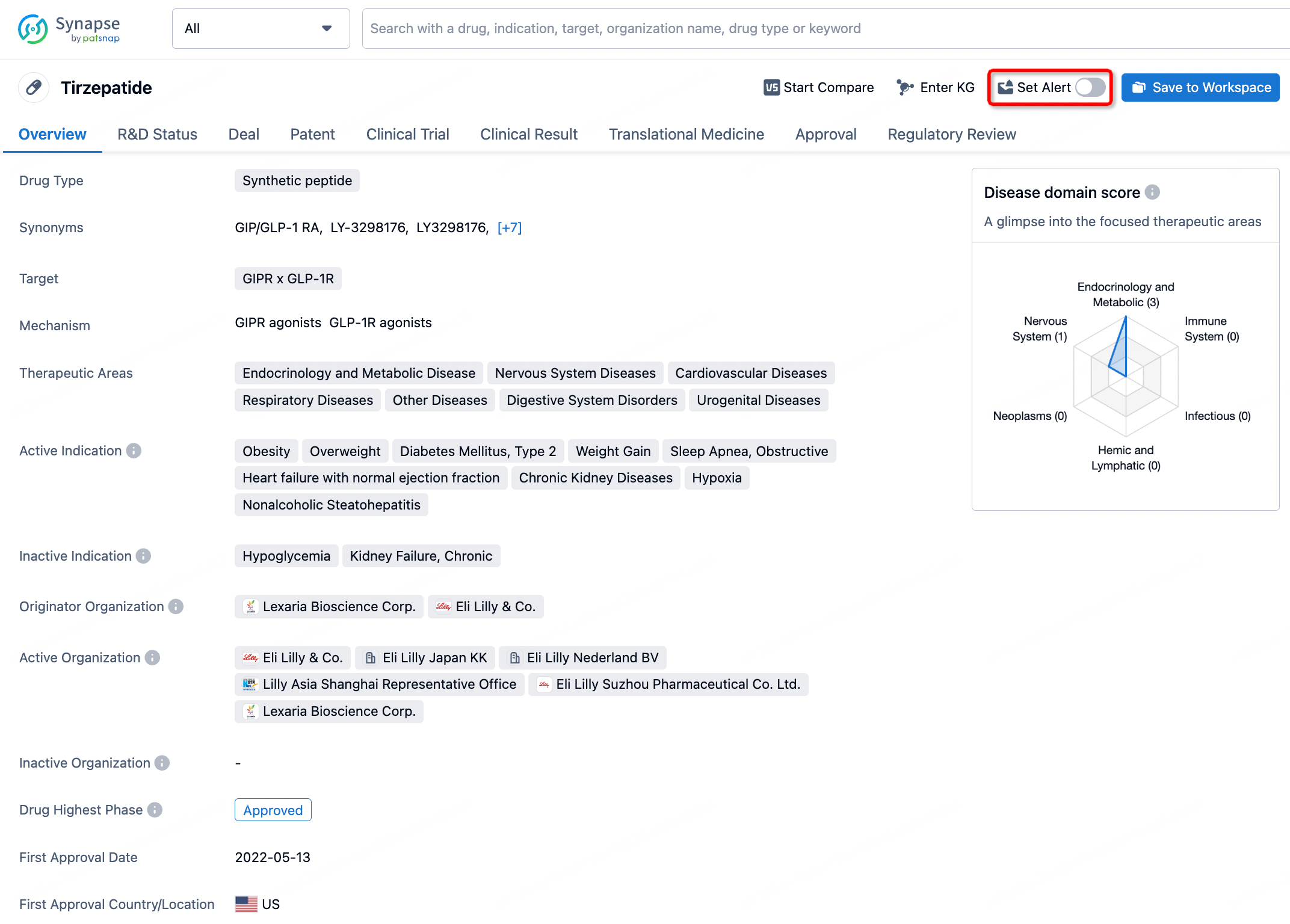
In the Synapse database, you can stay updated on the latest research and development advances of all drugs. This service is accessible anytime and anywhere, with updates available daily or weekly. Use the "Set Alert" function to stay informed. Click on the image below to embark on a brand new journey of drug discovery!


AI Agents Built for Biopharma Breakthroughs
Accelerate discovery. Empower decisions. Transform outcomes.
Get started for free today!
Accelerate Strategic R&D decision making with Synapse, PatSnap’s AI-powered Connected Innovation Intelligence Platform Built for Life Sciences Professionals.
Start your data trial now!
Synapse data is also accessible to external entities via APIs or data packages. Empower better decisions with the latest in pharmaceutical intelligence.