Request Demo
What is the mechanism of Berdazimer sodium?
17 July 2024
Berdazimer sodium is an innovative compound that has garnered attention for its potential applications in the medical and pharmaceutical fields. Understanding its mechanism of action is crucial to grasping its therapeutic potential and the scientific principles guiding its use.
Berdazimer sodium, also known as a nitric oxide-releasing agent, operates primarily through the controlled release of nitric oxide (NO). Nitric oxide is a crucial signaling molecule in the human body, playing a pivotal role in various physiological processes, including vasodilation, immune response modulation, and neurotransmission. The ability of berdazimer sodium to release nitric oxide in a controlled manner underpins its therapeutic applications.
The compound itself is a macromolecular nitric oxide donor, meaning that it can carry and release nitric oxide over an extended period. This controlled release is essential for maintaining therapeutic levels of nitric oxide without causing toxicity or excessive side effects. The release mechanism typically involves the breakdown of the berdazimer sodium complex in response to specific physiological triggers, such as changes in pH or the presence of certain enzymes.
One of the critical pathways through which berdazimer sodium exerts its effects is by promoting vasodilation. Nitric oxide is a well-known vasodilator, meaning it can relax the smooth muscles of blood vessels, leading to their dilation. This property is particularly valuable in conditions characterized by poor blood flow or vascular constriction. By enhancing blood flow, berdazimer sodium can improve oxygen and nutrient delivery to tissues, thereby aiding in healing processes and reducing ischemic damage.
In addition to its vasodilatory effects, nitric oxide released from berdazimer sodium has antimicrobial properties. Nitric oxide can disrupt the cellular machinery of various pathogens, including bacteria, viruses, and fungi. This makes berdazimer sodium a promising candidate for treating infections, especially those resistant to conventional antibiotics. The antimicrobial action of nitric oxide involves nitrosative stress, where reactive nitrogen species damage the DNA, proteins, and membranes of pathogens, leading to their destruction.
Another significant mechanism of berdazimer sodium is its role in modulating the immune response. Nitric oxide plays a dual role in the immune system: it can enhance the ability of immune cells to combat infections and regulate inflammation to prevent excessive tissue damage. By releasing nitric oxide, berdazimer sodium can help fine-tune the immune response, making it a potential therapeutic agent for autoimmune diseases and chronic inflammatory conditions.
Furthermore, berdazimer sodium's ability to release nitric oxide has implications in wound healing. Nitric oxide is known to promote angiogenesis, the formation of new blood vessels, which is a critical component of the wound healing process. By facilitating angiogenesis, berdazimer sodium can accelerate tissue repair and regeneration, making it beneficial for treating chronic wounds, such as diabetic ulcers and pressure sores.
Overall, the mechanism of berdazimer sodium revolves around the controlled release of nitric oxide, leveraging its vasodilatory, antimicrobial, immune-modulatory, and pro-angiogenic properties. This multifaceted approach positions berdazimer sodium as a versatile therapeutic agent with the potential to address a wide range of medical conditions, from cardiovascular diseases to chronic infections and wound healing. Continued research and clinical trials will further elucidate its mechanisms and optimize its usage for maximum therapeutic benefit.
Berdazimer sodium, also known as a nitric oxide-releasing agent, operates primarily through the controlled release of nitric oxide (NO). Nitric oxide is a crucial signaling molecule in the human body, playing a pivotal role in various physiological processes, including vasodilation, immune response modulation, and neurotransmission. The ability of berdazimer sodium to release nitric oxide in a controlled manner underpins its therapeutic applications.
The compound itself is a macromolecular nitric oxide donor, meaning that it can carry and release nitric oxide over an extended period. This controlled release is essential for maintaining therapeutic levels of nitric oxide without causing toxicity or excessive side effects. The release mechanism typically involves the breakdown of the berdazimer sodium complex in response to specific physiological triggers, such as changes in pH or the presence of certain enzymes.
One of the critical pathways through which berdazimer sodium exerts its effects is by promoting vasodilation. Nitric oxide is a well-known vasodilator, meaning it can relax the smooth muscles of blood vessels, leading to their dilation. This property is particularly valuable in conditions characterized by poor blood flow or vascular constriction. By enhancing blood flow, berdazimer sodium can improve oxygen and nutrient delivery to tissues, thereby aiding in healing processes and reducing ischemic damage.
In addition to its vasodilatory effects, nitric oxide released from berdazimer sodium has antimicrobial properties. Nitric oxide can disrupt the cellular machinery of various pathogens, including bacteria, viruses, and fungi. This makes berdazimer sodium a promising candidate for treating infections, especially those resistant to conventional antibiotics. The antimicrobial action of nitric oxide involves nitrosative stress, where reactive nitrogen species damage the DNA, proteins, and membranes of pathogens, leading to their destruction.
Another significant mechanism of berdazimer sodium is its role in modulating the immune response. Nitric oxide plays a dual role in the immune system: it can enhance the ability of immune cells to combat infections and regulate inflammation to prevent excessive tissue damage. By releasing nitric oxide, berdazimer sodium can help fine-tune the immune response, making it a potential therapeutic agent for autoimmune diseases and chronic inflammatory conditions.
Furthermore, berdazimer sodium's ability to release nitric oxide has implications in wound healing. Nitric oxide is known to promote angiogenesis, the formation of new blood vessels, which is a critical component of the wound healing process. By facilitating angiogenesis, berdazimer sodium can accelerate tissue repair and regeneration, making it beneficial for treating chronic wounds, such as diabetic ulcers and pressure sores.
Overall, the mechanism of berdazimer sodium revolves around the controlled release of nitric oxide, leveraging its vasodilatory, antimicrobial, immune-modulatory, and pro-angiogenic properties. This multifaceted approach positions berdazimer sodium as a versatile therapeutic agent with the potential to address a wide range of medical conditions, from cardiovascular diseases to chronic infections and wound healing. Continued research and clinical trials will further elucidate its mechanisms and optimize its usage for maximum therapeutic benefit.
How to obtain the latest development progress of all drugs?
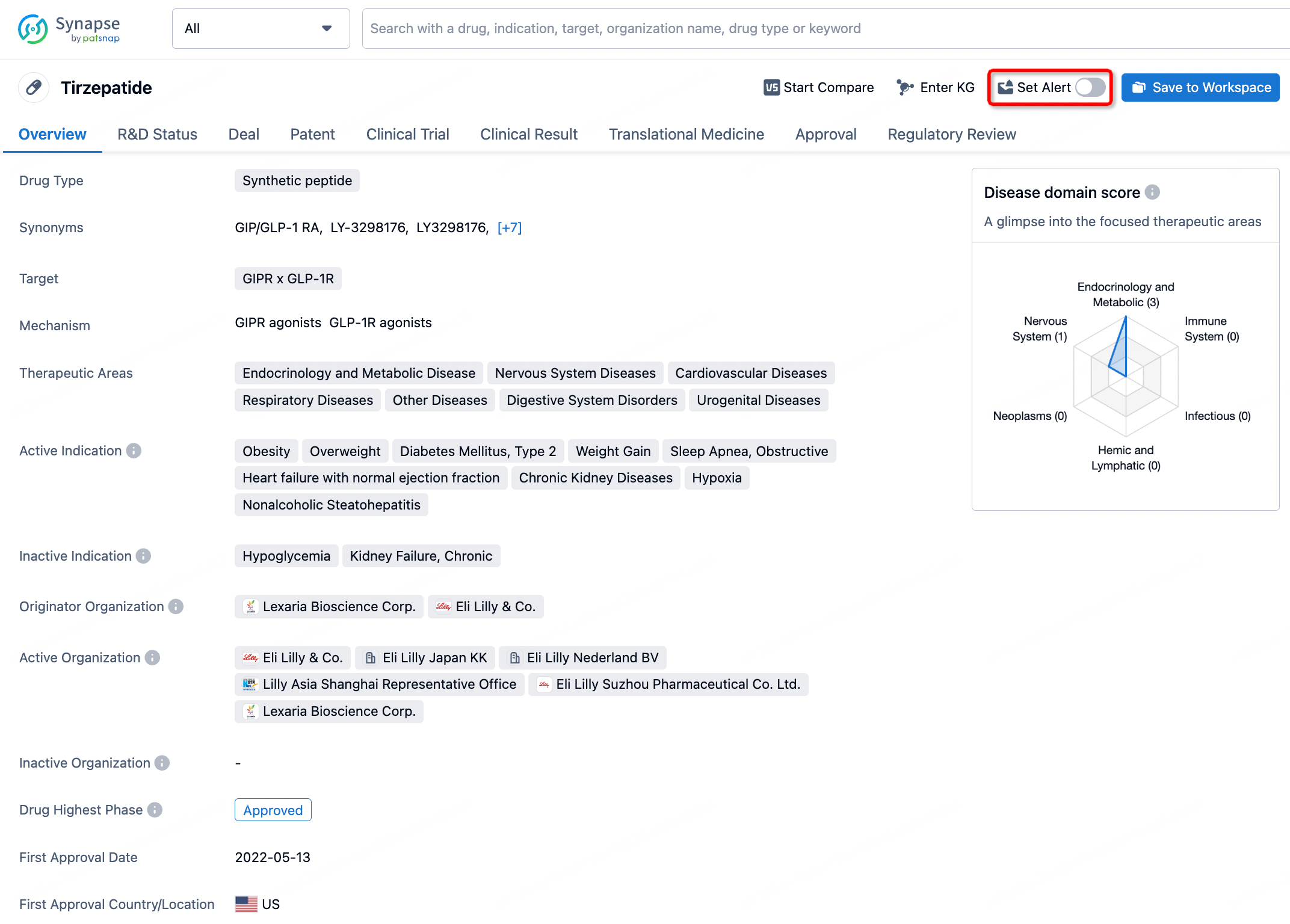
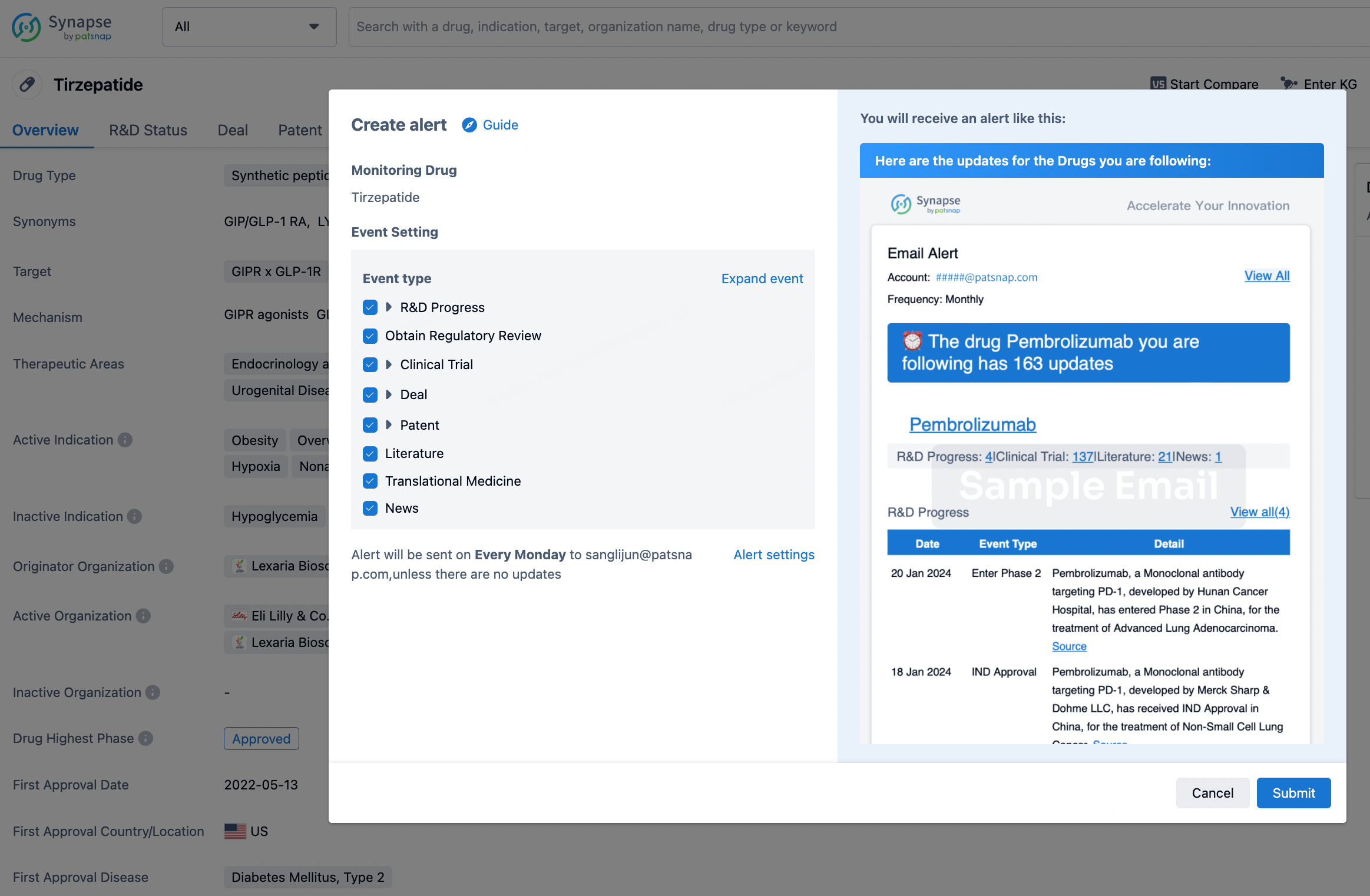
In the Synapse database, you can stay updated on the latest research and development advances of all drugs. This service is accessible anytime and anywhere, with updates available daily or weekly. Use the "Set Alert" function to stay informed. Click on the image below to embark on a brand new journey of drug discovery!
AI Agents Built for Biopharma Breakthroughs
Accelerate discovery. Empower decisions. Transform outcomes.
Get started for free today!
Accelerate Strategic R&D decision making with Synapse, PatSnap’s AI-powered Connected Innovation Intelligence Platform Built for Life Sciences Professionals.
Start your data trial now!
Synapse data is also accessible to external entities via APIs or data packages. Empower better decisions with the latest in pharmaceutical intelligence.