Request Demo
What is the mechanism of Diroximel fumarate?
17 July 2024
Diroximel fumarate is a medication used primarily in the treatment of relapsing forms of multiple sclerosis (MS), a chronic autoimmune disorder affecting the central nervous system. The precise mechanism of diroximel fumarate in treating MS is not fully understood, but it is believed to involve several key biological pathways and effects.
Diroximel fumarate is a prodrug, meaning it is metabolized in the body to produce its active form, monomethyl fumarate (MMF). Once administered, diroximel fumarate undergoes rapid conversion to MMF in the gastrointestinal tract and bloodstream. MMF exerts its therapeutic effects through multiple mechanisms.
Firstly, MMF activates the nuclear factor (erythroid-derived 2)-like 2 (Nrf2) pathway. Nrf2 is a transcription factor that regulates the expression of various antioxidant proteins and detoxifying enzymes. By activating the Nrf2 pathway, MMF enhances the cellular response to oxidative stress, reducing the damage caused by reactive oxygen species (ROS), which are prevalent in the inflammatory environment of MS. This antioxidant effect helps protect neurons and other cells in the central nervous system from oxidative damage.
Secondly, MMF has immunomodulatory properties. In MS, the immune system mistakenly attacks the myelin sheath, a protective covering around nerve fibers, leading to inflammation and neurodegeneration. MMF modulates the immune response by shifting the balance of pro-inflammatory and anti-inflammatory cytokines. It reduces the production of pro-inflammatory cytokines such as interleukin-1 beta (IL-1β) and tumor necrosis factor-alpha (TNF-α), while promoting the production of anti-inflammatory cytokines like interleukin-10 (IL-10). This shift helps to decrease the overall inflammatory activity within the central nervous system, thereby reducing the frequency and severity of MS relapses.
Additionally, MMF inhibits the migration of immune cells, such as lymphocytes, into the central nervous system. This is achieved by downregulating the expression of adhesion molecules on the surface of lymphocytes, which are essential for their movement across the blood-brain barrier. By preventing the infiltration of these immune cells, MMF limits the inflammatory attack on myelin and other neural structures.
Moreover, MMF exerts cytoprotective effects by influencing cellular metabolism. It modulates the activity of the tricarboxylic acid (TCA) cycle, enhancing the production of NADPH and glutathione, which are crucial for maintaining cellular redox balance and protecting cells from oxidative damage. This metabolic effect contributes to the overall neuroprotective benefits of diroximel fumarate in MS patients.
It is also important to consider the safety and tolerability profile of diroximel fumarate. Clinical trials and post-marketing surveillance have shown that it is generally well-tolerated, with the most common side effects being gastrointestinal symptoms such as nausea, vomiting, diarrhea, and abdominal pain. These side effects are often transient and can be managed with dose adjustments or symptomatic treatments.
In summary, diroximel fumarate, through its active metabolite MMF, exerts a multifaceted therapeutic effect in multiple sclerosis by activating the Nrf2 antioxidant pathway, modulating the immune response, inhibiting immune cell migration, and protecting neural cells from oxidative damage. These combined actions help to reduce inflammation, protect neural structures, and improve overall outcomes for patients with relapsing forms of MS.
Diroximel fumarate is a prodrug, meaning it is metabolized in the body to produce its active form, monomethyl fumarate (MMF). Once administered, diroximel fumarate undergoes rapid conversion to MMF in the gastrointestinal tract and bloodstream. MMF exerts its therapeutic effects through multiple mechanisms.
Firstly, MMF activates the nuclear factor (erythroid-derived 2)-like 2 (Nrf2) pathway. Nrf2 is a transcription factor that regulates the expression of various antioxidant proteins and detoxifying enzymes. By activating the Nrf2 pathway, MMF enhances the cellular response to oxidative stress, reducing the damage caused by reactive oxygen species (ROS), which are prevalent in the inflammatory environment of MS. This antioxidant effect helps protect neurons and other cells in the central nervous system from oxidative damage.
Secondly, MMF has immunomodulatory properties. In MS, the immune system mistakenly attacks the myelin sheath, a protective covering around nerve fibers, leading to inflammation and neurodegeneration. MMF modulates the immune response by shifting the balance of pro-inflammatory and anti-inflammatory cytokines. It reduces the production of pro-inflammatory cytokines such as interleukin-1 beta (IL-1β) and tumor necrosis factor-alpha (TNF-α), while promoting the production of anti-inflammatory cytokines like interleukin-10 (IL-10). This shift helps to decrease the overall inflammatory activity within the central nervous system, thereby reducing the frequency and severity of MS relapses.
Additionally, MMF inhibits the migration of immune cells, such as lymphocytes, into the central nervous system. This is achieved by downregulating the expression of adhesion molecules on the surface of lymphocytes, which are essential for their movement across the blood-brain barrier. By preventing the infiltration of these immune cells, MMF limits the inflammatory attack on myelin and other neural structures.
Moreover, MMF exerts cytoprotective effects by influencing cellular metabolism. It modulates the activity of the tricarboxylic acid (TCA) cycle, enhancing the production of NADPH and glutathione, which are crucial for maintaining cellular redox balance and protecting cells from oxidative damage. This metabolic effect contributes to the overall neuroprotective benefits of diroximel fumarate in MS patients.
It is also important to consider the safety and tolerability profile of diroximel fumarate. Clinical trials and post-marketing surveillance have shown that it is generally well-tolerated, with the most common side effects being gastrointestinal symptoms such as nausea, vomiting, diarrhea, and abdominal pain. These side effects are often transient and can be managed with dose adjustments or symptomatic treatments.
In summary, diroximel fumarate, through its active metabolite MMF, exerts a multifaceted therapeutic effect in multiple sclerosis by activating the Nrf2 antioxidant pathway, modulating the immune response, inhibiting immune cell migration, and protecting neural cells from oxidative damage. These combined actions help to reduce inflammation, protect neural structures, and improve overall outcomes for patients with relapsing forms of MS.
How to obtain the latest development progress of all drugs?
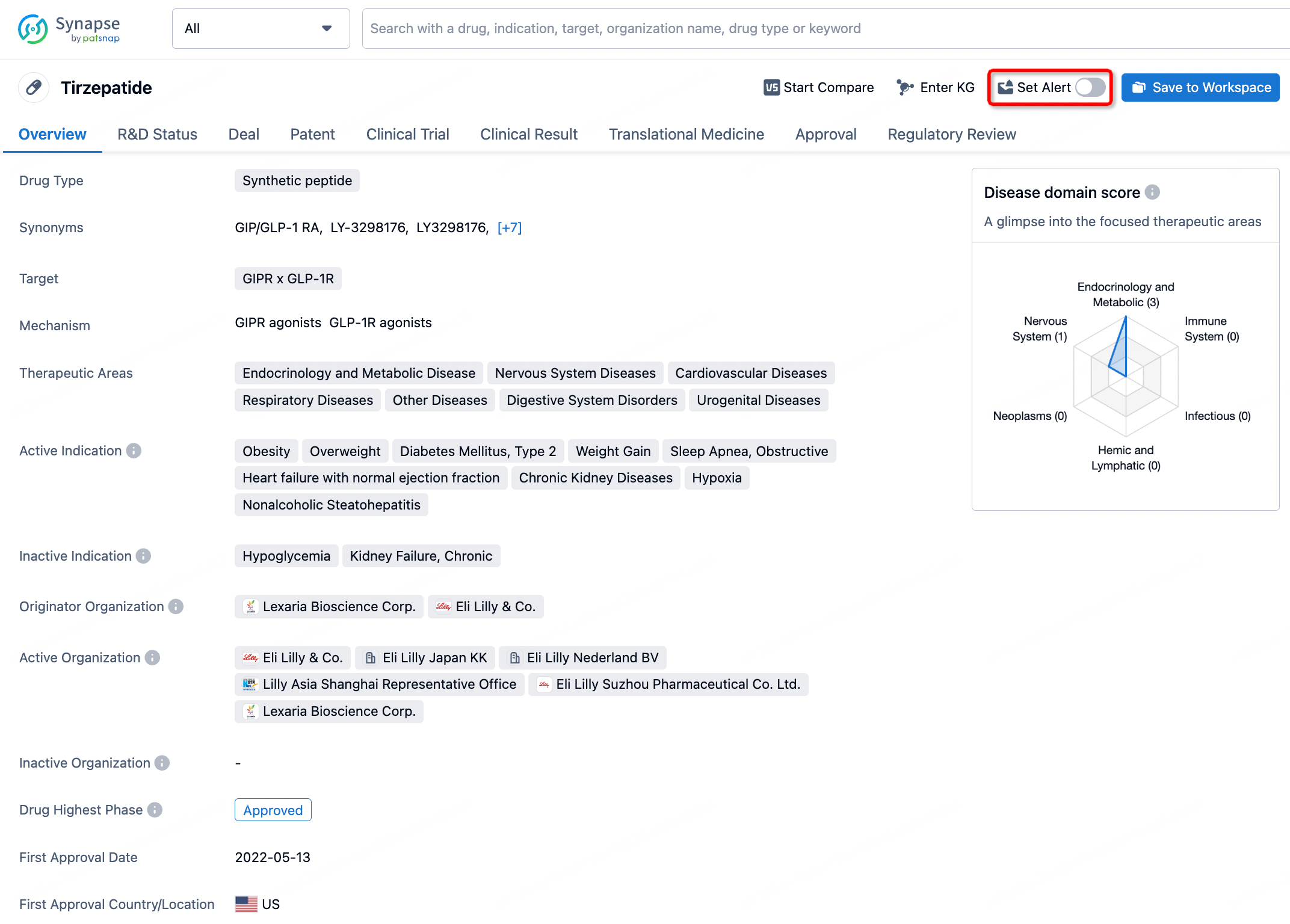
In the Synapse database, you can stay updated on the latest research and development advances of all drugs. This service is accessible anytime and anywhere, with updates available daily or weekly. Use the "Set Alert" function to stay informed. Click on the image below to embark on a brand new journey of drug discovery!


AI Agents Built for Biopharma Breakthroughs
Accelerate discovery. Empower decisions. Transform outcomes.
Get started for free today!
Accelerate Strategic R&D decision making with Synapse, PatSnap’s AI-powered Connected Innovation Intelligence Platform Built for Life Sciences Professionals.
Start your data trial now!
Synapse data is also accessible to external entities via APIs or data packages. Empower better decisions with the latest in pharmaceutical intelligence.