Request Demo
What is the mechanism of Hemocoagulase Atrox?
17 July 2024
Hemocoagulase atrox is a complex enzyme derived from the venom of the Bothrops atrox snake, commonly known as the fer-de-lance. This enzyme has garnered considerable interest in the medical community due to its ability to modulate blood coagulation, a critical process for wound healing and control of bleeding. Understanding the mechanism of hemocoagulase atrox involves delving into its biochemical interactions and physiological impacts on the hemostatic system.
Hemocoagulase atrox operates principally by targeting key components of the blood coagulation cascade. The coagulation cascade is a series of enzymatic reactions designed to convert soluble plasma protein fibrinogen into insoluble fibrin, thereby forming a blood clot. This cascade can be divided into the intrinsic and extrinsic pathways, both of which converge on the activation of Factor X to Factor Xa, leading to the transformation of prothrombin to thrombin, and ultimately fibrinogen to fibrin.
Hemocoagulase atrox consists of two main enzymatic fractions: one with procoagulant activity and another with defibrinogenating activity. The procoagulant fraction mimics the action of thrombin by directly converting fibrinogen into fibrin, thereby bypassing the upstream coagulation factors. This rapid conversion promotes clot formation at the site of bleeding, facilitating hemostasis. Unlike human thrombin, hemocoagulase atrox is not inhibited by antithrombin III, making it particularly effective in situations where there is a deficiency or inhibition of natural thrombin.
The defibrinogenating activity of hemocoagulase atrox is primarily due to its ability to cleave fibrinogen into non-clottable fragments. This enzymatic action reduces the concentration of fibrinogen in the blood, preventing the formation of excessive clots which could lead to thrombosis. By maintaining a balance between clot formation and inhibition, hemocoagulase atrox ensures that the coagulation process remains under control, preventing both excessive bleeding and clotting.
An interesting aspect of hemocoagulase atrox's action is its ability to activate Factor X, an essential component in the coagulation pathway. By activating Factor X directly, hemocoagulase atrox enhances the generation of thrombin, further promoting fibrin formation and clot stabilization. This dual action—both direct fibrinogen conversion and Factor X activation—makes hemocoagulase atrox a potent hemostatic agent.
Clinically, hemocoagulase atrox has been utilized in various surgical procedures to control bleeding. Its rapid onset of action and effectiveness in promoting hemostasis have made it a valuable tool in settings where conventional coagulation methods are insufficient or too slow. Additionally, due to its specific mechanism of action, hemocoagulase atrox has the advantage of being effective even in patients with compromised coagulation systems, such as those with hemophilia or other clotting disorders.
In summary, hemocoagulase atrox modulates blood coagulation through a multifaceted mechanism that involves direct conversion of fibrinogen to fibrin, activation of Factor X, and defibrinogenating activity. These actions collectively contribute to its powerful hemostatic properties, making it a significant agent in the management of bleeding. Understanding the precise biochemical pathways and interactions of hemocoagulase atrox not only aids in its clinical application but also provides insights into the broader field of hemostasis and coagulation therapies.
Hemocoagulase atrox operates principally by targeting key components of the blood coagulation cascade. The coagulation cascade is a series of enzymatic reactions designed to convert soluble plasma protein fibrinogen into insoluble fibrin, thereby forming a blood clot. This cascade can be divided into the intrinsic and extrinsic pathways, both of which converge on the activation of Factor X to Factor Xa, leading to the transformation of prothrombin to thrombin, and ultimately fibrinogen to fibrin.
Hemocoagulase atrox consists of two main enzymatic fractions: one with procoagulant activity and another with defibrinogenating activity. The procoagulant fraction mimics the action of thrombin by directly converting fibrinogen into fibrin, thereby bypassing the upstream coagulation factors. This rapid conversion promotes clot formation at the site of bleeding, facilitating hemostasis. Unlike human thrombin, hemocoagulase atrox is not inhibited by antithrombin III, making it particularly effective in situations where there is a deficiency or inhibition of natural thrombin.
The defibrinogenating activity of hemocoagulase atrox is primarily due to its ability to cleave fibrinogen into non-clottable fragments. This enzymatic action reduces the concentration of fibrinogen in the blood, preventing the formation of excessive clots which could lead to thrombosis. By maintaining a balance between clot formation and inhibition, hemocoagulase atrox ensures that the coagulation process remains under control, preventing both excessive bleeding and clotting.
An interesting aspect of hemocoagulase atrox's action is its ability to activate Factor X, an essential component in the coagulation pathway. By activating Factor X directly, hemocoagulase atrox enhances the generation of thrombin, further promoting fibrin formation and clot stabilization. This dual action—both direct fibrinogen conversion and Factor X activation—makes hemocoagulase atrox a potent hemostatic agent.
Clinically, hemocoagulase atrox has been utilized in various surgical procedures to control bleeding. Its rapid onset of action and effectiveness in promoting hemostasis have made it a valuable tool in settings where conventional coagulation methods are insufficient or too slow. Additionally, due to its specific mechanism of action, hemocoagulase atrox has the advantage of being effective even in patients with compromised coagulation systems, such as those with hemophilia or other clotting disorders.
In summary, hemocoagulase atrox modulates blood coagulation through a multifaceted mechanism that involves direct conversion of fibrinogen to fibrin, activation of Factor X, and defibrinogenating activity. These actions collectively contribute to its powerful hemostatic properties, making it a significant agent in the management of bleeding. Understanding the precise biochemical pathways and interactions of hemocoagulase atrox not only aids in its clinical application but also provides insights into the broader field of hemostasis and coagulation therapies.
How to obtain the latest development progress of all drugs?
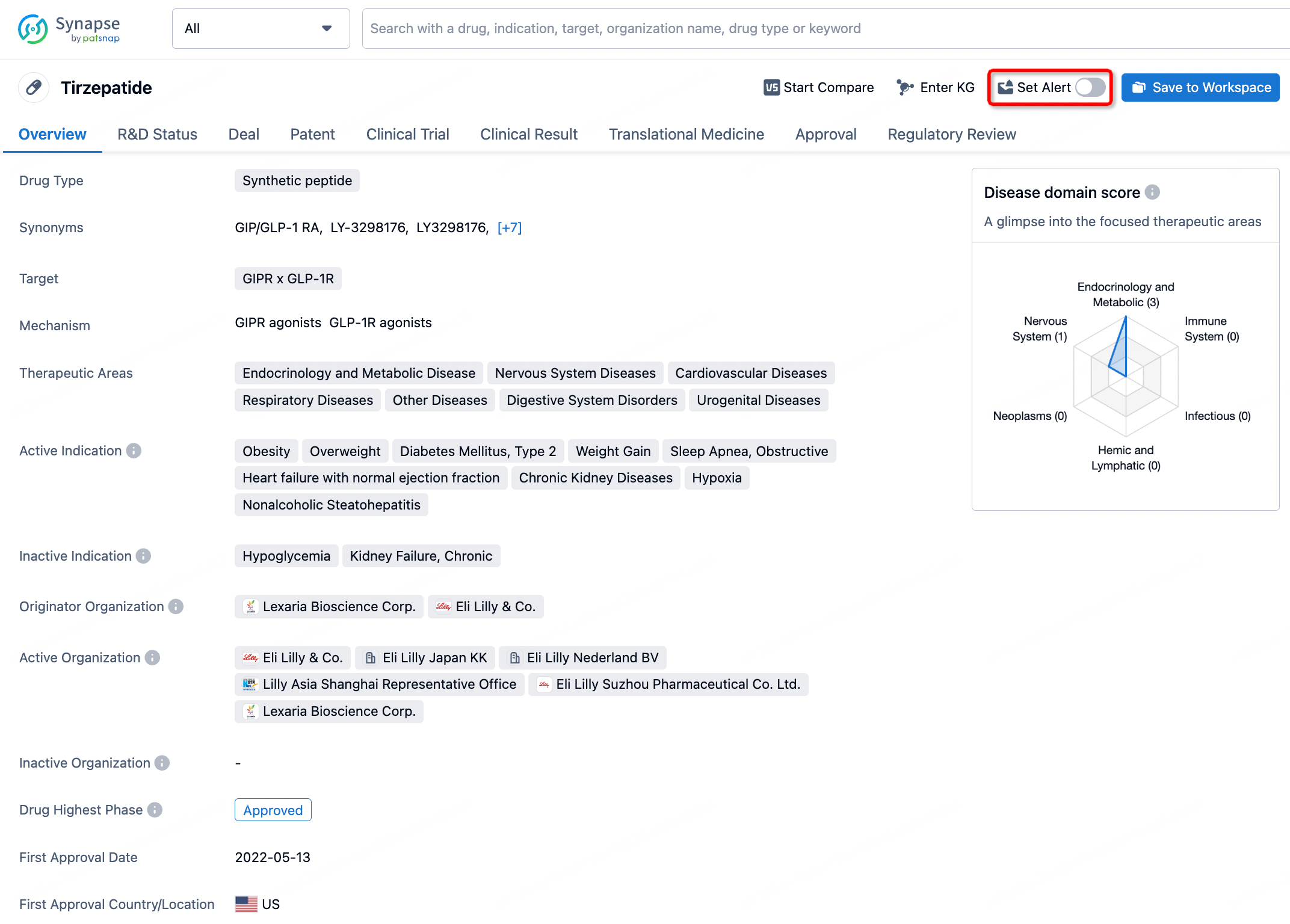
In the Synapse database, you can stay updated on the latest research and development advances of all drugs. This service is accessible anytime and anywhere, with updates available daily or weekly. Use the "Set Alert" function to stay informed. Click on the image below to embark on a brand new journey of drug discovery!

AI Agents Built for Biopharma Breakthroughs
Accelerate discovery. Empower decisions. Transform outcomes.
Get started for free today!
Accelerate Strategic R&D decision making with Synapse, PatSnap’s AI-powered Connected Innovation Intelligence Platform Built for Life Sciences Professionals.
Start your data trial now!
Synapse data is also accessible to external entities via APIs or data packages. Empower better decisions with the latest in pharmaceutical intelligence.