Request Demo
What is the mechanism of Lysine Theophyllinate?
17 July 2024
Lysine theophyllinate, also known as lysine theophylline, is a compound that combines theophylline, a methylxanthine drug, with lysine, an essential amino acid. The primary mechanism of lysine theophyllinate revolves around the synergistic effects of these two components, each contributing to the overall therapeutic efficacy of the compound. To understand the mechanism of lysine theophyllinate, it is essential to delve into the pharmacological actions of both theophylline and lysine.
Theophylline is well-known for its bronchodilator properties, making it a valuable medication in the management of respiratory conditions such as asthma and chronic obstructive pulmonary disease (COPD). The primary mechanism of action of theophylline is through the inhibition of phosphodiesterase (PDE) enzymes, specifically PDE3 and PDE4. By inhibiting these enzymes, theophylline prevents the breakdown of cyclic adenosine monophosphate (cAMP) within cells. Elevated levels of cAMP lead to the relaxation of bronchial smooth muscles, resulting in bronchodilation and improved airflow in the respiratory tract.
Additionally, theophylline exerts anti-inflammatory effects by modulating the activity of various inflammatory cells, including eosinophils, T-lymphocytes, and macrophages. This anti-inflammatory action further contributes to the alleviation of airway inflammation, a common feature in asthma and COPD. Theophylline is also known to enhance the contractility of the diaphragm, the primary muscle responsible for respiration, thereby improving respiratory function.
Lysine, on the other hand, is an essential amino acid that plays a critical role in protein synthesis, tissue repair, and the production of hormones and enzymes. When combined with theophylline, lysine serves to enhance the solubility and bioavailability of theophylline. This combination allows for more efficient absorption and utilization of the drug, leading to improved therapeutic outcomes. Lysine's role in collagen formation and tissue repair may also contribute to the overall beneficial effects of lysine theophyllinate, particularly in conditions where tissue damage and repair are involved.
The combination of lysine and theophylline in lysine theophyllinate offers several advantages over the use of theophylline alone. The presence of lysine enhances the solubility of theophylline, making it easier to administer and absorb. This improved solubility leads to more predictable pharmacokinetics, reducing the variability in drug levels and minimizing the risk of adverse effects. Furthermore, the combination may also reduce the gastrointestinal irritation commonly associated with theophylline, making it a more tolerable option for patients.
In summary, the mechanism of lysine theophyllinate involves the combined effects of theophylline and lysine. Theophylline acts primarily as a bronchodilator and anti-inflammatory agent through the inhibition of phosphodiesterase enzymes and the subsequent increase in cAMP levels. Lysine enhances the solubility, bioavailability, and tolerability of theophylline, contributing to more efficient drug absorption and utilization. Together, these components work synergistically to provide therapeutic benefits in the management of respiratory conditions such as asthma and COPD.
Theophylline is well-known for its bronchodilator properties, making it a valuable medication in the management of respiratory conditions such as asthma and chronic obstructive pulmonary disease (COPD). The primary mechanism of action of theophylline is through the inhibition of phosphodiesterase (PDE) enzymes, specifically PDE3 and PDE4. By inhibiting these enzymes, theophylline prevents the breakdown of cyclic adenosine monophosphate (cAMP) within cells. Elevated levels of cAMP lead to the relaxation of bronchial smooth muscles, resulting in bronchodilation and improved airflow in the respiratory tract.
Additionally, theophylline exerts anti-inflammatory effects by modulating the activity of various inflammatory cells, including eosinophils, T-lymphocytes, and macrophages. This anti-inflammatory action further contributes to the alleviation of airway inflammation, a common feature in asthma and COPD. Theophylline is also known to enhance the contractility of the diaphragm, the primary muscle responsible for respiration, thereby improving respiratory function.
Lysine, on the other hand, is an essential amino acid that plays a critical role in protein synthesis, tissue repair, and the production of hormones and enzymes. When combined with theophylline, lysine serves to enhance the solubility and bioavailability of theophylline. This combination allows for more efficient absorption and utilization of the drug, leading to improved therapeutic outcomes. Lysine's role in collagen formation and tissue repair may also contribute to the overall beneficial effects of lysine theophyllinate, particularly in conditions where tissue damage and repair are involved.
The combination of lysine and theophylline in lysine theophyllinate offers several advantages over the use of theophylline alone. The presence of lysine enhances the solubility of theophylline, making it easier to administer and absorb. This improved solubility leads to more predictable pharmacokinetics, reducing the variability in drug levels and minimizing the risk of adverse effects. Furthermore, the combination may also reduce the gastrointestinal irritation commonly associated with theophylline, making it a more tolerable option for patients.
In summary, the mechanism of lysine theophyllinate involves the combined effects of theophylline and lysine. Theophylline acts primarily as a bronchodilator and anti-inflammatory agent through the inhibition of phosphodiesterase enzymes and the subsequent increase in cAMP levels. Lysine enhances the solubility, bioavailability, and tolerability of theophylline, contributing to more efficient drug absorption and utilization. Together, these components work synergistically to provide therapeutic benefits in the management of respiratory conditions such as asthma and COPD.
How to obtain the latest development progress of all drugs?
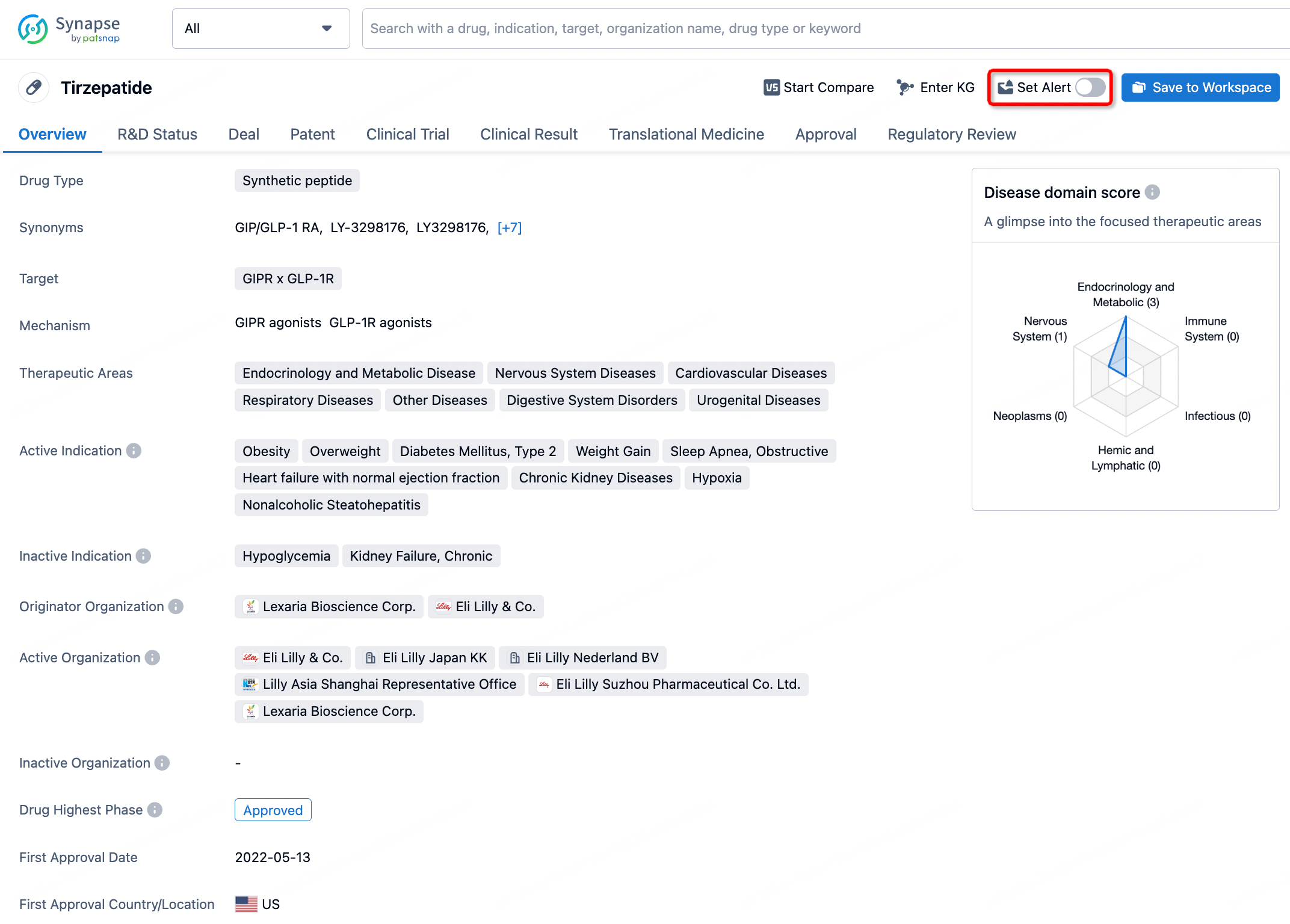
In the Synapse database, you can stay updated on the latest research and development advances of all drugs. This service is accessible anytime and anywhere, with updates available daily or weekly. Use the "Set Alert" function to stay informed. Click on the image below to embark on a brand new journey of drug discovery!


AI Agents Built for Biopharma Breakthroughs
Accelerate discovery. Empower decisions. Transform outcomes.
Get started for free today!
Accelerate Strategic R&D decision making with Synapse, PatSnap’s AI-powered Connected Innovation Intelligence Platform Built for Life Sciences Professionals.
Start your data trial now!
Synapse data is also accessible to external entities via APIs or data packages. Empower better decisions with the latest in pharmaceutical intelligence.