Request Demo
What is the mechanism of Pyridoxamine?
18 July 2024
Pyridoxamine is a form of vitamin B6 that plays a crucial role in a variety of biological processes essential for maintaining health. Understanding its mechanism of action is important for appreciating its place in nutrition and potential therapeutic applications.
Pyridoxamine belongs to the vitamin B6 group, which also includes pyridoxine and pyridoxal, and is integral to over 140 enzymatic reactions in the human body. One of its primary functions is to act as a coenzyme, meaning it assists enzymes in catalyzing biochemical reactions. These reactions are vital for amino acid metabolism, neurotransmitter synthesis, and the regulation of gene expression.
At the molecular level, pyridoxamine is involved in the metabolism of amino acids. Amino acids are the building blocks of proteins, and their proper metabolism is crucial for synthesizing proteins that perform a myriad of functions, including enzyme activity, cellular structure, and signaling. Pyridoxamine helps in the transamination process, where an amino group is transferred from one amino acid to another, facilitating the synthesis of non-essential amino acids and the degradation of excess amino acids.
Another important role of pyridoxamine is in neurotransmitter synthesis. Neurotransmitters are chemicals that transmit signals across synapses in the nervous system. Pyridoxamine-dependent enzymes help in the synthesis of neurotransmitters such as serotonin, dopamine, and gamma-aminobutyric acid (GABA). These neurotransmitters are critical for regulating mood, sleep, and cognitive functions. A deficiency in vitamin B6 can lead to neurological issues, underscoring the importance of pyridoxamine in brain health.
Pyridoxamine also has antioxidant properties, which means it helps neutralize free radicals and reduces oxidative stress. Free radicals are highly reactive molecules that can damage cells, proteins, and DNA, leading to chronic diseases and aging. By mitigating oxidative stress, pyridoxamine contributes to cellular protection and longevity.
In addition to its metabolic and antioxidant roles, pyridoxamine has been studied for its potential therapeutic applications. One area of research focuses on its ability to inhibit the formation of advanced glycation end-products (AGEs). AGEs are harmful compounds formed when proteins or lipids become glycated as a result of exposure to sugars. They are implicated in the progression of various age-related diseases, including diabetes, cardiovascular diseases, and chronic kidney disease. By inhibiting AGEs, pyridoxamine may help alleviate or prevent these conditions.
Moreover, pyridoxamine has shown promise in managing complications of diabetes. It can help protect kidney function and reduce the risk of diabetic nephropathy by inhibiting the formation of AGEs and reducing oxidative stress. Some studies suggest that pyridoxamine supplementation could be a beneficial adjunct therapy for diabetic patients to manage their condition and prevent complications.
In summary, pyridoxamine is a form of vitamin B6 with diverse and essential roles in human health. Its mechanisms include acting as a coenzyme in amino acid metabolism, neurotransmitter synthesis, and gene expression regulation, as well as providing antioxidant protection and inhibiting harmful AGEs formation. Understanding these mechanisms highlights the importance of adequate pyridoxamine intake through diet or supplementation for overall health and the potential therapeutic benefits it offers in managing chronic diseases.
Pyridoxamine belongs to the vitamin B6 group, which also includes pyridoxine and pyridoxal, and is integral to over 140 enzymatic reactions in the human body. One of its primary functions is to act as a coenzyme, meaning it assists enzymes in catalyzing biochemical reactions. These reactions are vital for amino acid metabolism, neurotransmitter synthesis, and the regulation of gene expression.
At the molecular level, pyridoxamine is involved in the metabolism of amino acids. Amino acids are the building blocks of proteins, and their proper metabolism is crucial for synthesizing proteins that perform a myriad of functions, including enzyme activity, cellular structure, and signaling. Pyridoxamine helps in the transamination process, where an amino group is transferred from one amino acid to another, facilitating the synthesis of non-essential amino acids and the degradation of excess amino acids.
Another important role of pyridoxamine is in neurotransmitter synthesis. Neurotransmitters are chemicals that transmit signals across synapses in the nervous system. Pyridoxamine-dependent enzymes help in the synthesis of neurotransmitters such as serotonin, dopamine, and gamma-aminobutyric acid (GABA). These neurotransmitters are critical for regulating mood, sleep, and cognitive functions. A deficiency in vitamin B6 can lead to neurological issues, underscoring the importance of pyridoxamine in brain health.
Pyridoxamine also has antioxidant properties, which means it helps neutralize free radicals and reduces oxidative stress. Free radicals are highly reactive molecules that can damage cells, proteins, and DNA, leading to chronic diseases and aging. By mitigating oxidative stress, pyridoxamine contributes to cellular protection and longevity.
In addition to its metabolic and antioxidant roles, pyridoxamine has been studied for its potential therapeutic applications. One area of research focuses on its ability to inhibit the formation of advanced glycation end-products (AGEs). AGEs are harmful compounds formed when proteins or lipids become glycated as a result of exposure to sugars. They are implicated in the progression of various age-related diseases, including diabetes, cardiovascular diseases, and chronic kidney disease. By inhibiting AGEs, pyridoxamine may help alleviate or prevent these conditions.
Moreover, pyridoxamine has shown promise in managing complications of diabetes. It can help protect kidney function and reduce the risk of diabetic nephropathy by inhibiting the formation of AGEs and reducing oxidative stress. Some studies suggest that pyridoxamine supplementation could be a beneficial adjunct therapy for diabetic patients to manage their condition and prevent complications.
In summary, pyridoxamine is a form of vitamin B6 with diverse and essential roles in human health. Its mechanisms include acting as a coenzyme in amino acid metabolism, neurotransmitter synthesis, and gene expression regulation, as well as providing antioxidant protection and inhibiting harmful AGEs formation. Understanding these mechanisms highlights the importance of adequate pyridoxamine intake through diet or supplementation for overall health and the potential therapeutic benefits it offers in managing chronic diseases.
How to obtain the latest development progress of all drugs?
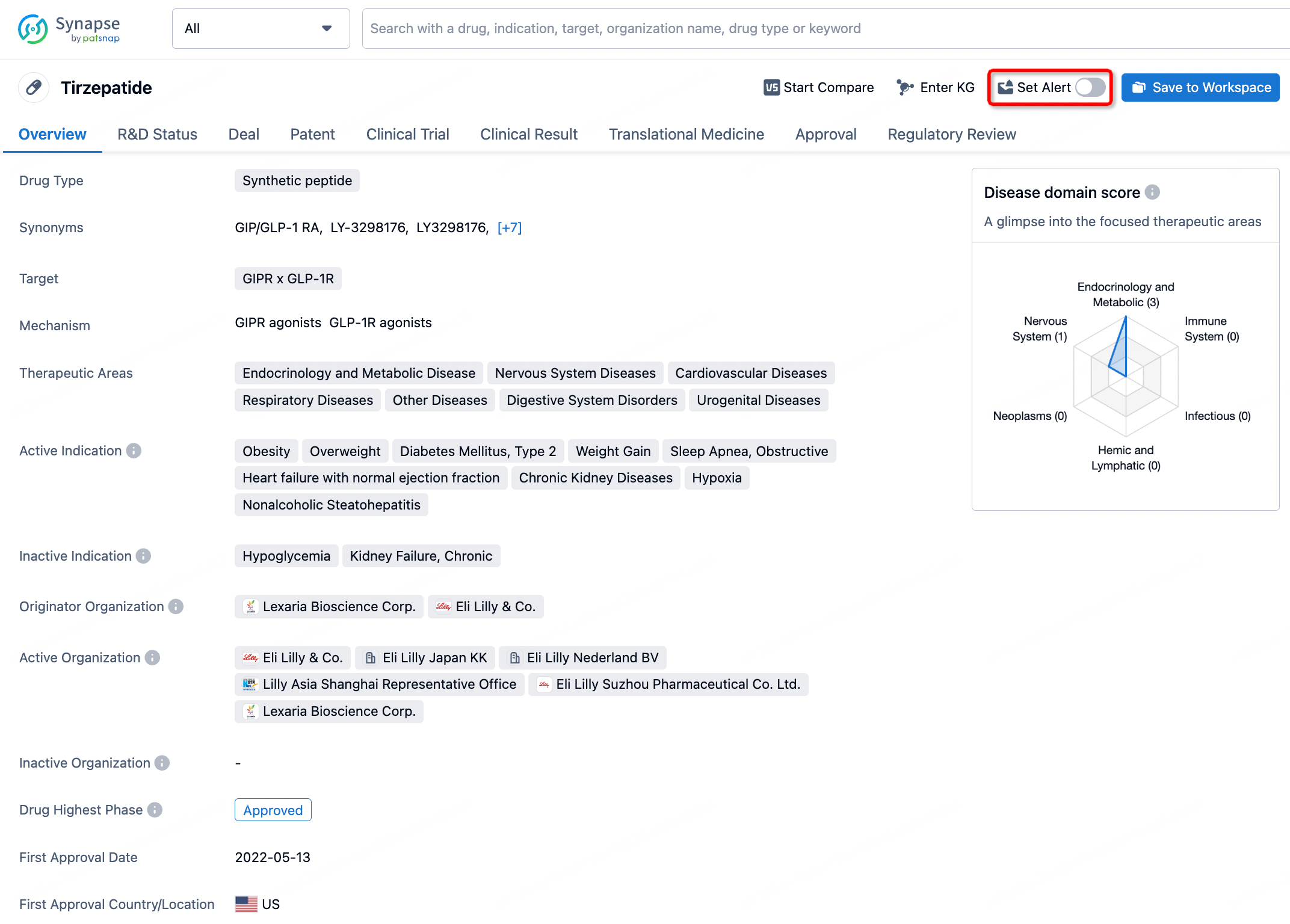
In the Synapse database, you can stay updated on the latest research and development advances of all drugs. This service is accessible anytime and anywhere, with updates available daily or weekly. Use the "Set Alert" function to stay informed. Click on the image below to embark on a brand new journey of drug discovery!


AI Agents Built for Biopharma Breakthroughs
Accelerate discovery. Empower decisions. Transform outcomes.
Get started for free today!
Accelerate Strategic R&D decision making with Synapse, PatSnap’s AI-powered Connected Innovation Intelligence Platform Built for Life Sciences Professionals.
Start your data trial now!
Synapse data is also accessible to external entities via APIs or data packages. Empower better decisions with the latest in pharmaceutical intelligence.