Request Demo
What is the mechanism of Telavancin Hydrochloride?
17 July 2024
Telavancin hydrochloride is a potent antibiotic that belongs to the class of lipoglycopeptides, and it is structurally related to vancomycin. It is specifically designed to combat Gram-positive bacteria, including methicillin-resistant Staphylococcus aureus (MRSA). Understanding its mechanism of action requires a deep dive into its multifaceted antimicrobial activities.
One of the primary mechanisms by which telavancin hydrochloride exerts its bactericidal effect is through inhibition of bacterial cell wall synthesis. The bacterial cell wall is an essential structure that provides mechanical strength and protection to the microbe. It is primarily composed of peptidoglycan, a polymer that is vital for maintaining the integrity of the cell wall. Telavancin hydrochloride inhibits the polymerization of peptidoglycan by binding to the D-alanyl-D-alanine terminus of the cell wall precursor units. This action prevents the cross-linking of these units, which is necessary for the formation of a robust peptidoglycan layer, ultimately leading to cell lysis and bacterial death.
In addition to inhibiting cell wall synthesis, telavancin hydrochloride also disrupts bacterial cell membrane function. The lipophilic side chain of the molecule allows it to insert into the bacterial cell membrane. Once embedded, it causes membrane depolarization and increases membrane permeability. This disruption of the cell membrane's integrity leads to leakage of essential intracellular contents and further contributes to the bactericidal effect of the drug.
Telavancin hydrochloride has also been shown to interfere with the function of certain bacterial enzymes and proteins. By targeting these essential microbial components, the antibiotic exerts additional pressure on the survival of the bacteria, making it difficult for them to develop resistance. However, it is important to note that the primary and most critical actions are those related to the inhibition of cell wall synthesis and membrane disruption.
The pharmacokinetics of telavancin hydrochloride also play a crucial role in its effectiveness. When administered intravenously, telavancin is rapidly distributed into tissues and achieves high concentrations at infection sites. This ensures that adequate drug levels are maintained to exert its antimicrobial effects. Additionally, the drug has a relatively long half-life, allowing for once-daily dosing, which improves compliance and efficacy in clinical settings.
While telavancin hydrochloride is a powerful antibiotic, its use is not without potential side effects. Common adverse reactions include taste disturbances, nausea, vomiting, and foamy urine. More serious side effects can include nephrotoxicity and QT interval prolongation, which necessitates careful monitoring of patients during treatment. Despite these concerns, telavancin remains a valuable option in the treatment of complicated skin and skin structure infections, as well as hospital-acquired and ventilator-associated bacterial pneumonia caused by susceptible Gram-positive bacteria.
In conclusion, telavancin hydrochloride's mechanism of action is multifaceted, involving the inhibition of bacterial cell wall synthesis, disruption of cell membrane function, and interference with essential bacterial proteins and enzymes. These combined actions make it a potent weapon against resistant Gram-positive pathogens, particularly MRSA. However, its use requires careful consideration of potential side effects and patient-specific factors to ensure optimal therapeutic outcomes.
One of the primary mechanisms by which telavancin hydrochloride exerts its bactericidal effect is through inhibition of bacterial cell wall synthesis. The bacterial cell wall is an essential structure that provides mechanical strength and protection to the microbe. It is primarily composed of peptidoglycan, a polymer that is vital for maintaining the integrity of the cell wall. Telavancin hydrochloride inhibits the polymerization of peptidoglycan by binding to the D-alanyl-D-alanine terminus of the cell wall precursor units. This action prevents the cross-linking of these units, which is necessary for the formation of a robust peptidoglycan layer, ultimately leading to cell lysis and bacterial death.
In addition to inhibiting cell wall synthesis, telavancin hydrochloride also disrupts bacterial cell membrane function. The lipophilic side chain of the molecule allows it to insert into the bacterial cell membrane. Once embedded, it causes membrane depolarization and increases membrane permeability. This disruption of the cell membrane's integrity leads to leakage of essential intracellular contents and further contributes to the bactericidal effect of the drug.
Telavancin hydrochloride has also been shown to interfere with the function of certain bacterial enzymes and proteins. By targeting these essential microbial components, the antibiotic exerts additional pressure on the survival of the bacteria, making it difficult for them to develop resistance. However, it is important to note that the primary and most critical actions are those related to the inhibition of cell wall synthesis and membrane disruption.
The pharmacokinetics of telavancin hydrochloride also play a crucial role in its effectiveness. When administered intravenously, telavancin is rapidly distributed into tissues and achieves high concentrations at infection sites. This ensures that adequate drug levels are maintained to exert its antimicrobial effects. Additionally, the drug has a relatively long half-life, allowing for once-daily dosing, which improves compliance and efficacy in clinical settings.
While telavancin hydrochloride is a powerful antibiotic, its use is not without potential side effects. Common adverse reactions include taste disturbances, nausea, vomiting, and foamy urine. More serious side effects can include nephrotoxicity and QT interval prolongation, which necessitates careful monitoring of patients during treatment. Despite these concerns, telavancin remains a valuable option in the treatment of complicated skin and skin structure infections, as well as hospital-acquired and ventilator-associated bacterial pneumonia caused by susceptible Gram-positive bacteria.
In conclusion, telavancin hydrochloride's mechanism of action is multifaceted, involving the inhibition of bacterial cell wall synthesis, disruption of cell membrane function, and interference with essential bacterial proteins and enzymes. These combined actions make it a potent weapon against resistant Gram-positive pathogens, particularly MRSA. However, its use requires careful consideration of potential side effects and patient-specific factors to ensure optimal therapeutic outcomes.
How to obtain the latest development progress of all drugs?
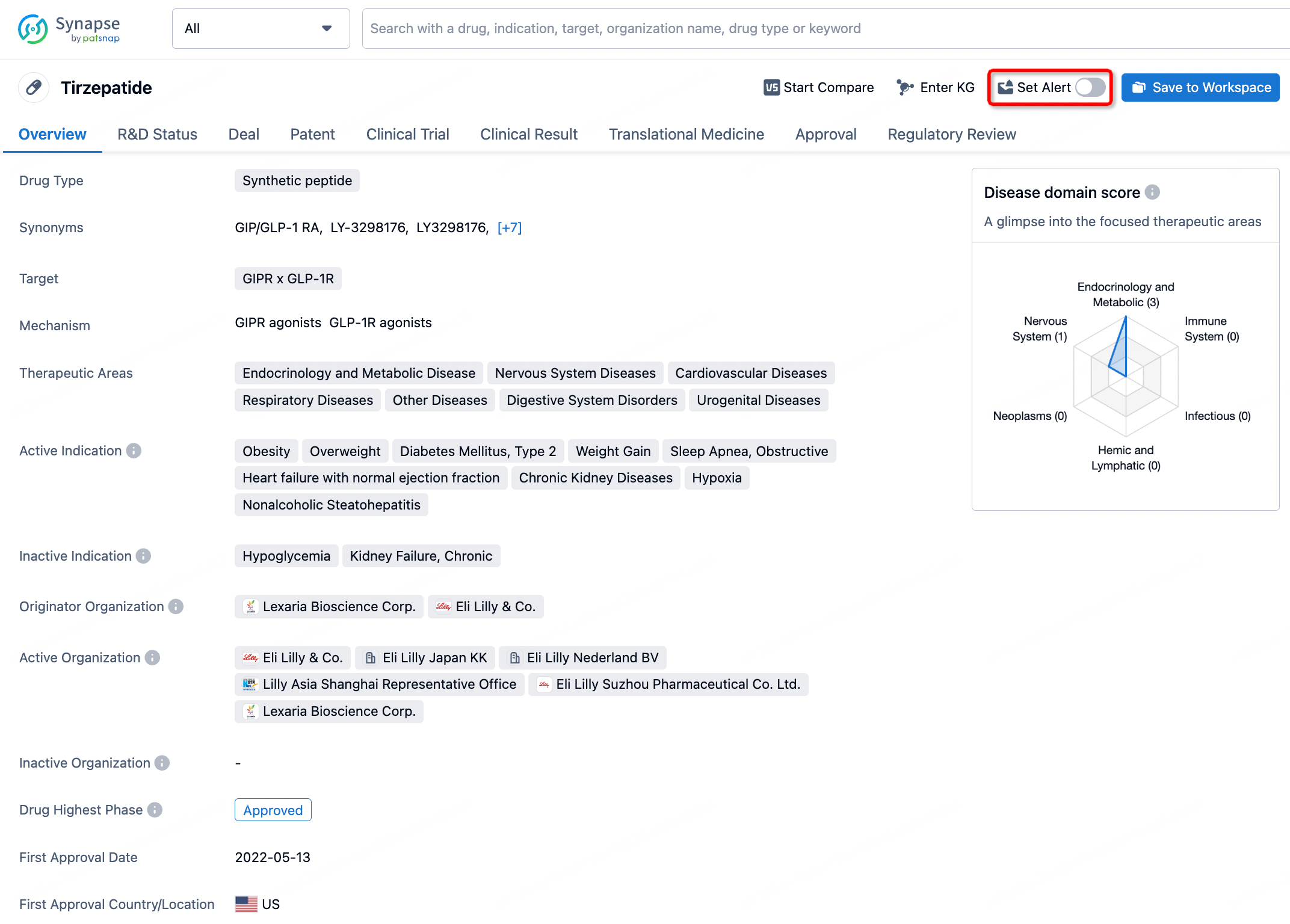
In the Synapse database, you can stay updated on the latest research and development advances of all drugs. This service is accessible anytime and anywhere, with updates available daily or weekly. Use the "Set Alert" function to stay informed. Click on the image below to embark on a brand new journey of drug discovery!


AI Agents Built for Biopharma Breakthroughs
Accelerate discovery. Empower decisions. Transform outcomes.
Get started for free today!
Accelerate Strategic R&D decision making with Synapse, PatSnap’s AI-powered Connected Innovation Intelligence Platform Built for Life Sciences Professionals.
Start your data trial now!
Synapse data is also accessible to external entities via APIs or data packages. Empower better decisions with the latest in pharmaceutical intelligence.