Request Demo
What is Thykamine used for?
28 June 2024
Thykamine: A Groundbreaking Anti-Inflammatory Compound
In the expansive field of pharmaceutical research, Thykamine is emerging as a promising new drug with significant therapeutic potential. Developed by the Canadian biopharmaceutical company, Kalytera Therapeutics, Thykamine is being studied for its potent anti-inflammatory and immunomodulatory effects. This innovative compound is a plant-derived, semi-synthetic drug, primarily targeting chronic inflammatory conditions. Researchers are particularly focused on its applications in treating diseases such as atopic dermatitis, psoriasis, and other inflammatory skin disorders. With several preclinical and clinical trials already underway, Thykamine is swiftly advancing towards becoming a novel therapeutic option for patients suffering from these debilitating conditions.
Thykamine is derived from thylakoids, which are membrane-bound compartments inside chloroplasts and cyanobacteria responsible for photosynthesis in plants. The unique properties of thylakoids have been harnessed to create a compound that can modulate the body's immune response. Thykamine works by targeting specific inflammatory pathways, making it a unique addition to the anti-inflammatory drug market. Early research and clinical trials have shown promising results, demonstrating its efficacy in reducing inflammation and improving symptoms in various chronic inflammatory conditions.
Mechanism of Action
The mechanism of action of Thykamine is both intricate and fascinating. It primarily functions by inhibiting pro-inflammatory cytokines, which are signaling molecules that mediate and regulate immunity, inflammation, and hematopoiesis. Pro-inflammatory cytokines like TNF-alpha, IL-6, and IL-1β play a crucial role in the inflammatory response and are often upregulated in chronic inflammatory conditions. Thykamine inhibits the production and activity of these cytokines, thereby reducing inflammation.
Additionally, Thykamine modulates the nuclear factor-kappa B (NF-κB) pathway, a key regulator of the immune response to infection. NF-κB is a protein complex that controls the transcription of DNA, cytokine production, and cell survival. By inhibiting the NF-κB pathway, Thykamine effectively reduces the expression of various inflammatory genes. This dual action on both cytokines and NF-κB makes Thykamine a powerful anti-inflammatory agent with a broad spectrum of activity.
Moreover, Thykamine has antioxidant properties, which further enhance its therapeutic potential. Oxidative stress is a significant contributor to chronic inflammation, and by neutralizing free radicals, Thykamine helps to mitigate this aspect of the inflammatory response. The combination of anti-inflammatory and antioxidant effects positions Thykamine as a multifaceted compound capable of addressing various pathways involved in chronic inflammation.
What is the Indication of Thykamine?
Thykamine is currently being investigated for several indications, primarily focusing on chronic inflammatory skin conditions such as atopic dermatitis and psoriasis. Atopic dermatitis, also known as eczema, is a chronic skin condition characterized by dry, itchy, and inflamed skin. It affects millions of people worldwide and can significantly impact the quality of life. Psoriasis, on the other hand, is an autoimmune disease that causes rapid skin cell growth, leading to thick, red, scaly patches on the skin. Both conditions are driven by underlying inflammation, making Thykamine an ideal candidate for treatment.
In addition to these primary indications, Thykamine is also being explored for its potential in treating other inflammatory conditions such as inflammatory bowel disease (IBD) and rheumatoid arthritis. IBD, which includes Crohn's disease and ulcerative colitis, is a group of chronic inflammatory conditions affecting the gastrointestinal tract. Rheumatoid arthritis is an autoimmune disorder that primarily affects the joints, causing pain and inflammation. Early research suggests that Thykamine's anti-inflammatory properties could be beneficial in managing these conditions as well.
Clinical trials are currently ongoing to evaluate the safety and efficacy of Thykamine in these various indications. Preliminary results have been promising, with patients experiencing significant improvements in symptoms and a reduction in inflammation. If these trials continue to yield positive results, Thykamine could represent a significant advancement in the treatment of chronic inflammatory diseases.
In conclusion, Thykamine is a groundbreaking compound with the potential to revolutionize the treatment of chronic inflammatory conditions. Its unique mechanism of action, targeting both pro-inflammatory cytokines and the NF-κB pathway, coupled with its antioxidant properties, make it a powerful and versatile therapeutic agent. As research progresses, Thykamine holds the promise of providing much-needed relief to patients suffering from debilitating inflammatory diseases, improving their quality of life and offering a new hope for effective treatment.
In the expansive field of pharmaceutical research, Thykamine is emerging as a promising new drug with significant therapeutic potential. Developed by the Canadian biopharmaceutical company, Kalytera Therapeutics, Thykamine is being studied for its potent anti-inflammatory and immunomodulatory effects. This innovative compound is a plant-derived, semi-synthetic drug, primarily targeting chronic inflammatory conditions. Researchers are particularly focused on its applications in treating diseases such as atopic dermatitis, psoriasis, and other inflammatory skin disorders. With several preclinical and clinical trials already underway, Thykamine is swiftly advancing towards becoming a novel therapeutic option for patients suffering from these debilitating conditions.
Thykamine is derived from thylakoids, which are membrane-bound compartments inside chloroplasts and cyanobacteria responsible for photosynthesis in plants. The unique properties of thylakoids have been harnessed to create a compound that can modulate the body's immune response. Thykamine works by targeting specific inflammatory pathways, making it a unique addition to the anti-inflammatory drug market. Early research and clinical trials have shown promising results, demonstrating its efficacy in reducing inflammation and improving symptoms in various chronic inflammatory conditions.
Mechanism of Action
The mechanism of action of Thykamine is both intricate and fascinating. It primarily functions by inhibiting pro-inflammatory cytokines, which are signaling molecules that mediate and regulate immunity, inflammation, and hematopoiesis. Pro-inflammatory cytokines like TNF-alpha, IL-6, and IL-1β play a crucial role in the inflammatory response and are often upregulated in chronic inflammatory conditions. Thykamine inhibits the production and activity of these cytokines, thereby reducing inflammation.
Additionally, Thykamine modulates the nuclear factor-kappa B (NF-κB) pathway, a key regulator of the immune response to infection. NF-κB is a protein complex that controls the transcription of DNA, cytokine production, and cell survival. By inhibiting the NF-κB pathway, Thykamine effectively reduces the expression of various inflammatory genes. This dual action on both cytokines and NF-κB makes Thykamine a powerful anti-inflammatory agent with a broad spectrum of activity.
Moreover, Thykamine has antioxidant properties, which further enhance its therapeutic potential. Oxidative stress is a significant contributor to chronic inflammation, and by neutralizing free radicals, Thykamine helps to mitigate this aspect of the inflammatory response. The combination of anti-inflammatory and antioxidant effects positions Thykamine as a multifaceted compound capable of addressing various pathways involved in chronic inflammation.
What is the Indication of Thykamine?
Thykamine is currently being investigated for several indications, primarily focusing on chronic inflammatory skin conditions such as atopic dermatitis and psoriasis. Atopic dermatitis, also known as eczema, is a chronic skin condition characterized by dry, itchy, and inflamed skin. It affects millions of people worldwide and can significantly impact the quality of life. Psoriasis, on the other hand, is an autoimmune disease that causes rapid skin cell growth, leading to thick, red, scaly patches on the skin. Both conditions are driven by underlying inflammation, making Thykamine an ideal candidate for treatment.
In addition to these primary indications, Thykamine is also being explored for its potential in treating other inflammatory conditions such as inflammatory bowel disease (IBD) and rheumatoid arthritis. IBD, which includes Crohn's disease and ulcerative colitis, is a group of chronic inflammatory conditions affecting the gastrointestinal tract. Rheumatoid arthritis is an autoimmune disorder that primarily affects the joints, causing pain and inflammation. Early research suggests that Thykamine's anti-inflammatory properties could be beneficial in managing these conditions as well.
Clinical trials are currently ongoing to evaluate the safety and efficacy of Thykamine in these various indications. Preliminary results have been promising, with patients experiencing significant improvements in symptoms and a reduction in inflammation. If these trials continue to yield positive results, Thykamine could represent a significant advancement in the treatment of chronic inflammatory diseases.
In conclusion, Thykamine is a groundbreaking compound with the potential to revolutionize the treatment of chronic inflammatory conditions. Its unique mechanism of action, targeting both pro-inflammatory cytokines and the NF-κB pathway, coupled with its antioxidant properties, make it a powerful and versatile therapeutic agent. As research progresses, Thykamine holds the promise of providing much-needed relief to patients suffering from debilitating inflammatory diseases, improving their quality of life and offering a new hope for effective treatment.
How to obtain the latest development progress of all drugs?
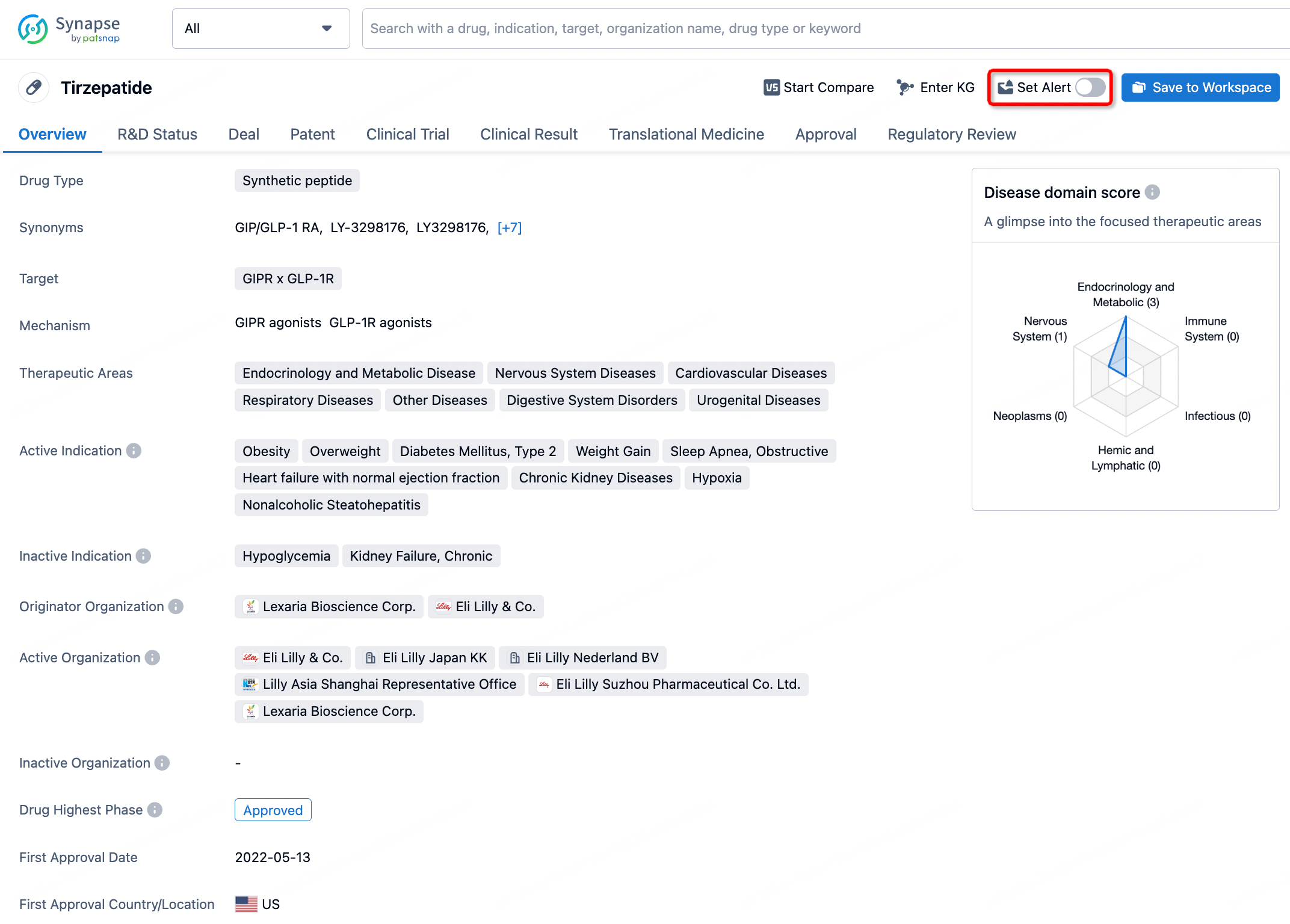
In the Synapse database, you can stay updated on the latest research and development advances of all drugs. This service is accessible anytime and anywhere, with updates available daily or weekly. Use the "Set Alert" function to stay informed. Click on the image below to embark on a brand new journey of drug discovery!


AI Agents Built for Biopharma Breakthroughs
Accelerate discovery. Empower decisions. Transform outcomes.
Get started for free today!
Accelerate Strategic R&D decision making with Synapse, PatSnap’s AI-powered Connected Innovation Intelligence Platform Built for Life Sciences Professionals.
Start your data trial now!
Synapse data is also accessible to external entities via APIs or data packages. Empower better decisions with the latest in pharmaceutical intelligence.