What is Tinefcon used for?
Tinefcon is an emerging pharmaceutical agent that has been gaining attention in the medical community for its potential in treating various autoimmune disorders. Developed by a consortium of leading research institutions, Tinefcon, known by its trade names Tinefconex and Tinefcozol, is primarily targeted at mitigating the symptoms of chronic inflammatory diseases. This drug is classified as a biologic agent, specifically designed to inhibit certain immune system components that contribute to inflammatory and autoimmune responses. The primary indications for Tinefcon include rheumatoid arthritis, psoriasis, and Crohn's disease. Currently, Tinefcon is in the late stages of clinical trials, with promising results that suggest it may soon be a viable option for patients suffering from these debilitating conditions.
The mechanism of action of Tinefcon revolves around its ability to modulate the immune system. As a biologic agent, Tinefcon is a monoclonal antibody that targets and neutralizes specific cytokines, such as TNF-alpha and IL-6, which play pivotal roles in the inflammatory process. By binding to these cytokines, Tinefcon prevents them from interacting with their receptors on the surface of immune cells, thereby inhibiting the inflammatory cascade that leads to tissue damage and the clinical symptoms associated with autoimmune diseases. This targeted approach not only reduces inflammation but also helps in preserving the normal function of the immune system, minimizing the risk of widespread immunosuppression.
Administering Tinefcon involves specific protocols to ensure its efficacy and safety. Tinefcon is typically delivered via subcutaneous injection, although intravenous administration is also an option depending on the patient's condition and the healthcare provider's discretion. The onset of action for Tinefcon varies, but patients often begin to experience symptom relief within two to four weeks of starting the treatment. It is important to note that Tinefcon requires regular administration, usually once every two weeks, to maintain its therapeutic effects. Patients are advised to adhere strictly to the prescribed schedule and consult their healthcare provider for any adjustments.
Like all medications, Tinefcon is associated with a range of side effects, some of which can be significant. Common side effects include injection site reactions, such as redness, swelling, and pain. These are generally mild and tend to resolve on their own. Other side effects may include upper respiratory infections, headache, and gastrointestinal symptoms like nausea and diarrhea. More serious side effects, although less common, include the risk of serious infections due to immune suppression, such as tuberculosis and sepsis. Additionally, there is a potential for allergic reactions, which may manifest as rash, itching, or, in severe cases, anaphylaxis. Contraindications for Tinefcon use include patients with a history of severe infections, those with known hypersensitivity to the drug or its components, and individuals with demyelinating diseases such as multiple sclerosis.
The interaction of Tinefcon with other drugs is an important consideration in its use. Tinefcon can interact with other immunosuppressive agents, potentially increasing the risk of infections and other complications. It is generally advised to avoid concurrent use of Tinefcon with other biologic agents targeting the immune system, such as other TNF inhibitors or IL-6 inhibitors, unless specifically directed by a healthcare provider. Furthermore, live vaccines should not be administered to patients receiving Tinefcon due to the potential for reduced efficacy and increased risk of adverse effects. Patients should ensure their vaccination status is up-to-date before starting Tinefcon therapy. Additionally, caution is advised when using Tinefcon alongside medications that can affect liver enzymes, as this may alter the drug's metabolism and efficacy. Regular monitoring and consultation with healthcare providers are essential to manage these potential interactions effectively.
In summary, Tinefcon represents a significant advancement in the treatment of autoimmune conditions, offering targeted immune modulation with promising efficacy. Its mechanism of action, focused administration protocols, and manageable side effects make it a potentially valuable option for patients with conditions like rheumatoid arthritis, psoriasis, and Crohn's disease. As with any medication, understanding its side effects, contraindications, and interactions with other drugs is crucial for ensuring safe and effective use. With ongoing research and clinical trials, Tinefcon continues to hold promise as a cornerstone in the management of chronic inflammatory diseases.
How to obtain the latest development progress of all drugs?
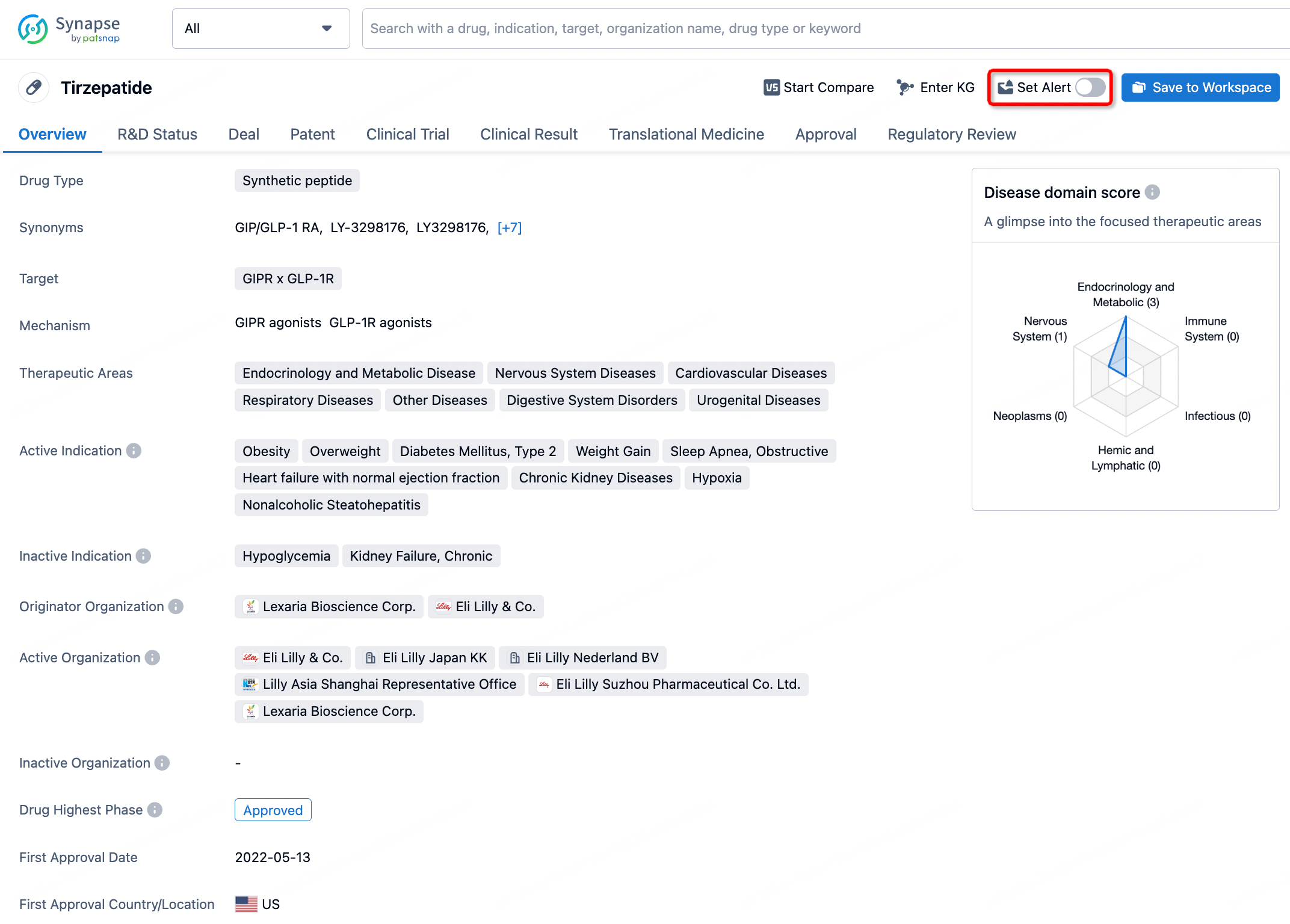
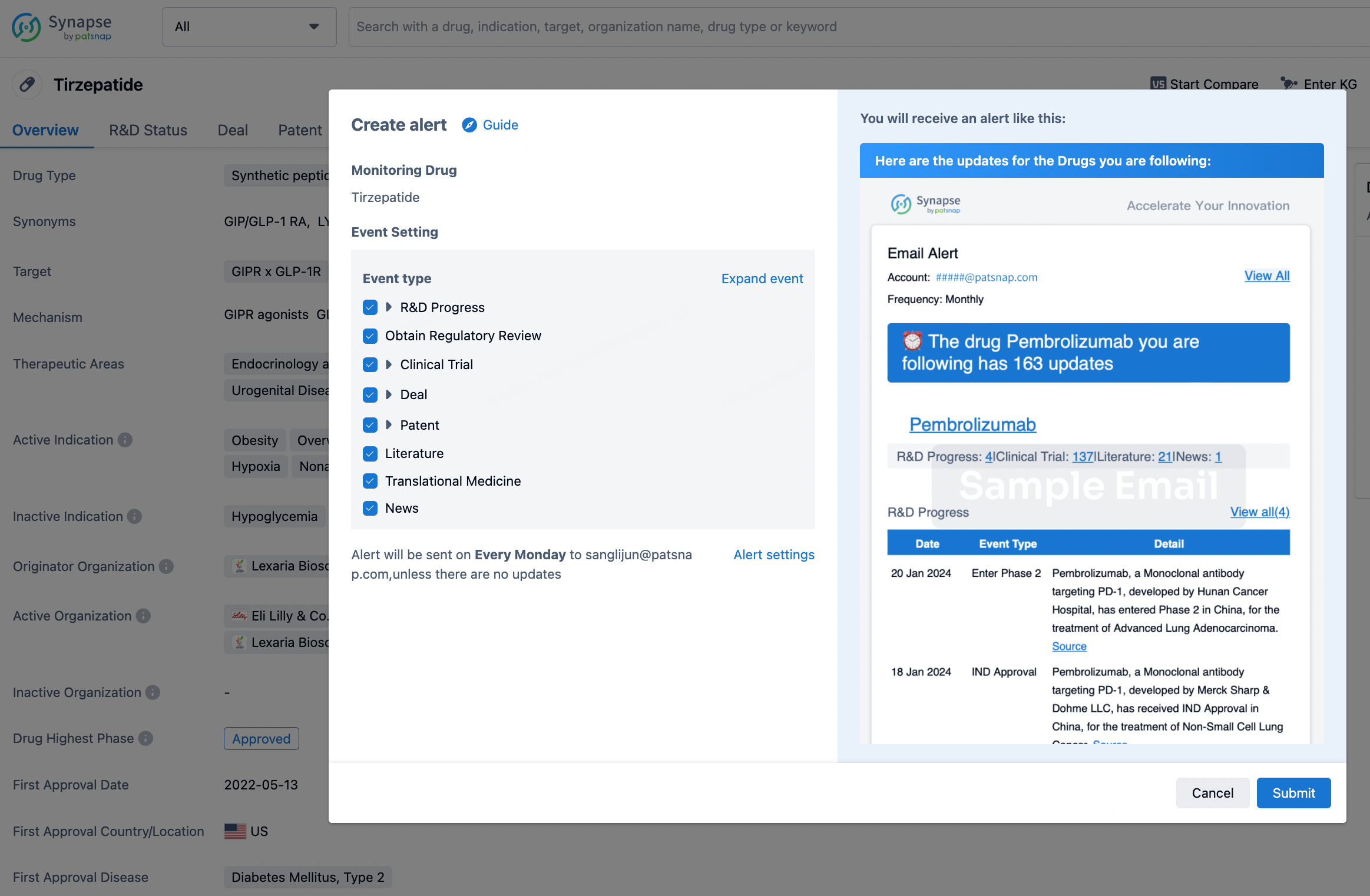
In the Synapse database, you can stay updated on the latest research and development advances of all drugs. This service is accessible anytime and anywhere, with updates available daily or weekly. Use the "Set Alert" function to stay informed. Click on the image below to embark on a brand new journey of drug discovery!