FGFR4 Target Evaluation Report: Biology, Validation, Competition, IP, and R&D Strategy
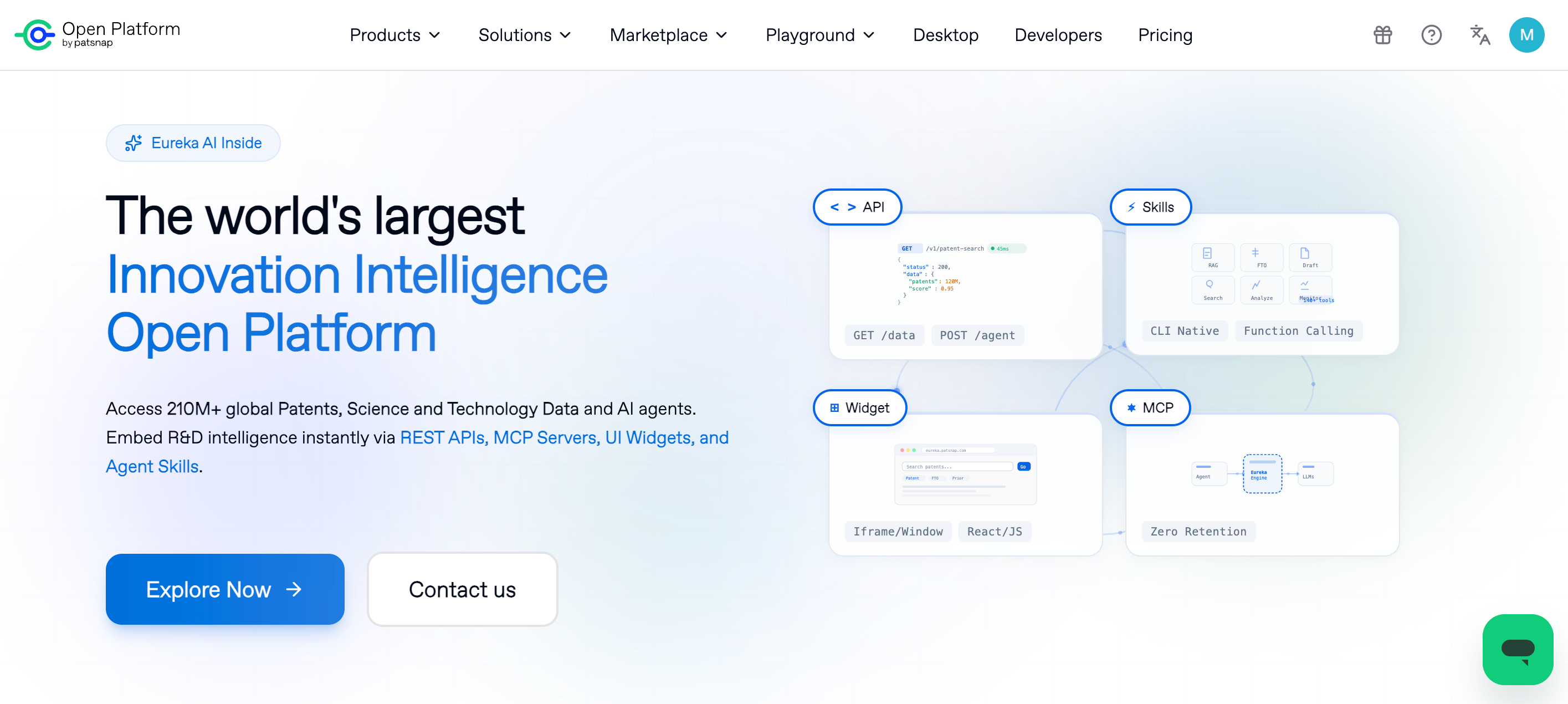
This FGFR4 target evaluation report was generated from PatSnap Life Sciences MCP data workflows, combining Target & Disease MCP Server outputs for biology and disease context with Clinical Trials MCP Server checks for clinical development signals. The goal is to show how an AI agent can turn structured life-science data into a decision-ready target assessment.
For FGFR4, the main question is not simply whether the biology is interesting. It is whether the biology, validation evidence, competitive intensity, IP surface, and indication strategy leave enough room for a differentiated R&D program.
75 Tracked drugs 75 drug records were returned by Target & Disease MCP for this target. | 46 Development-stage drugs 46 development records suggest meaningful but more focused than pan-FGFR competition. | 221 Linked diseases 221 disease associations frame the indication search space. | 78 Target score 78/100 reflects the combined biology, validation, competition and room-to-win readout. |
Executive Readout
FGFR4 is a more focused FGFR opportunity, especially where FGF19-FGFR4 signaling creates liver and metabolic-oncology relevance. Compared with FGFR1, its smaller disease map may actually help target strategy by narrowing patient selection.
Biology confidence82/100
Validation maturity76/100
Competition pressure70/100
Room for differentiation68/100
Why MCP Data Matters Here
A target report becomes useful when the evidence is traceable. In this workflow, Target & Disease MCP supplies the target profile, aliases, UniProt-linked biology, drug count, development count and disease-linkage context. Clinical Trials MCP is then used as a validation layer to check whether the competitive story is supported by trial activity and named development programs. When a clinical query returns broad or noisy matches, the report keeps the claim conservative instead of overstating the signal.
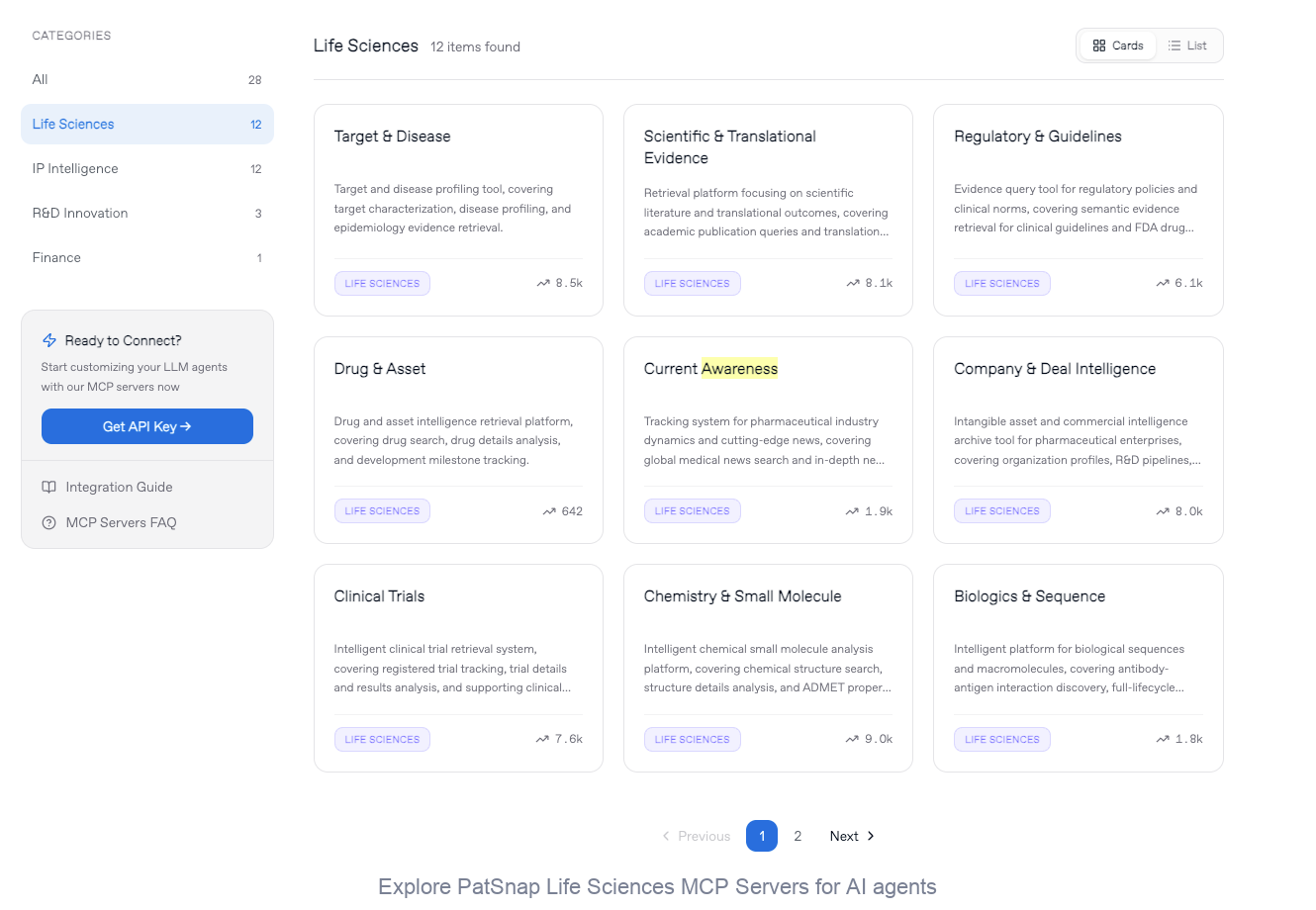
Explore PatSnap Life Sciences MCP Servers for AI agents
Biology: What the Target Controls
Target & Disease MCP describes FGFR4 as a fibroblast growth factor receptor involved in proliferation, differentiation, migration, lipid metabolism, bile acid biosynthesis, glucose uptake, vitamin D metabolism and phosphate homeostasis. It signals through PLCG1, FRS2, MAPK and AKT pathways, and is linked to FGF19-mediated regulation of CYP7A1.
Mechanistic anchorFGFR4 offers a receptor-kinase entry point into FGF19-driven signaling and liver-associated biology. | Disease logicThe 221 disease associations and 75 tracked drug records suggest a focused but credible development landscape. | Translational caveatFGFR4 biology overlaps oncology and metabolic regulation, so on-target safety and liver biology need early attention. |
Validation Evidence
Validation is moderate-to-strong. The MCP output returned 75 tracked drug records and 46 development-stage records, enough to support active target evaluation.
From an AI-agent perspective, this is a useful pattern: one MCP call provides the biological rationale, while the next call checks whether that rationale has already translated into assets, trials, or clinical-stage development. The output is not a final investment decision, but it narrows the review queue quickly.
Clinical and Competitive Landscape
Competition is meaningful but less diffuse than FGFR1. Selective FGFR4 programs can potentially compete on biomarker enrichment and class safety separation.
Known development examplesFGFR4 inhibitor programs in FGF19/FGFR4-driven tumors define the relevant clinical and translational benchmark. | Competitive implicationThe strongest differentiation comes from selectivity, liver-tumor biomarker selection and management of bile-acid pathway effects. | Where to look nextPrioritize FGF19-amplified hepatocellular carcinoma and tumors with clear FGFR4 pathway dependence. |
IP and Freedom-to-Operate Lens
IP diligence should emphasize FGFR4-selective chemotypes, FGF19 biomarker claims, resistance variants and liver-cancer use claims.
For IP review, the practical next step is to connect target evidence with modality, chemotype, sequence space, formulation, combinations and indication-specific claims. A target with many assets is not automatically blocked, but it needs a sharper claim strategy.
R&D Recommendation
Advance FGFR4 when the program is biomarker-first. It is more attractive than broad FGFR inhibition if selectivity and indication logic are strong.

Start building target evaluation agents with PatSnap Life Sciences MCP Servers
Data workflow note: target biology, drug counts, development counts and disease associations are based on PatSnap Target & Disease MCP Server outputs retrieved on 9 July 2026. Clinical development commentary is written conservatively when trial-query outputs are broad, and should be refreshed before investment or BD decisions.

