TNFRSF9 Target Evaluation Report: Biology, Validation, Competition, IP, and R&D Strategy
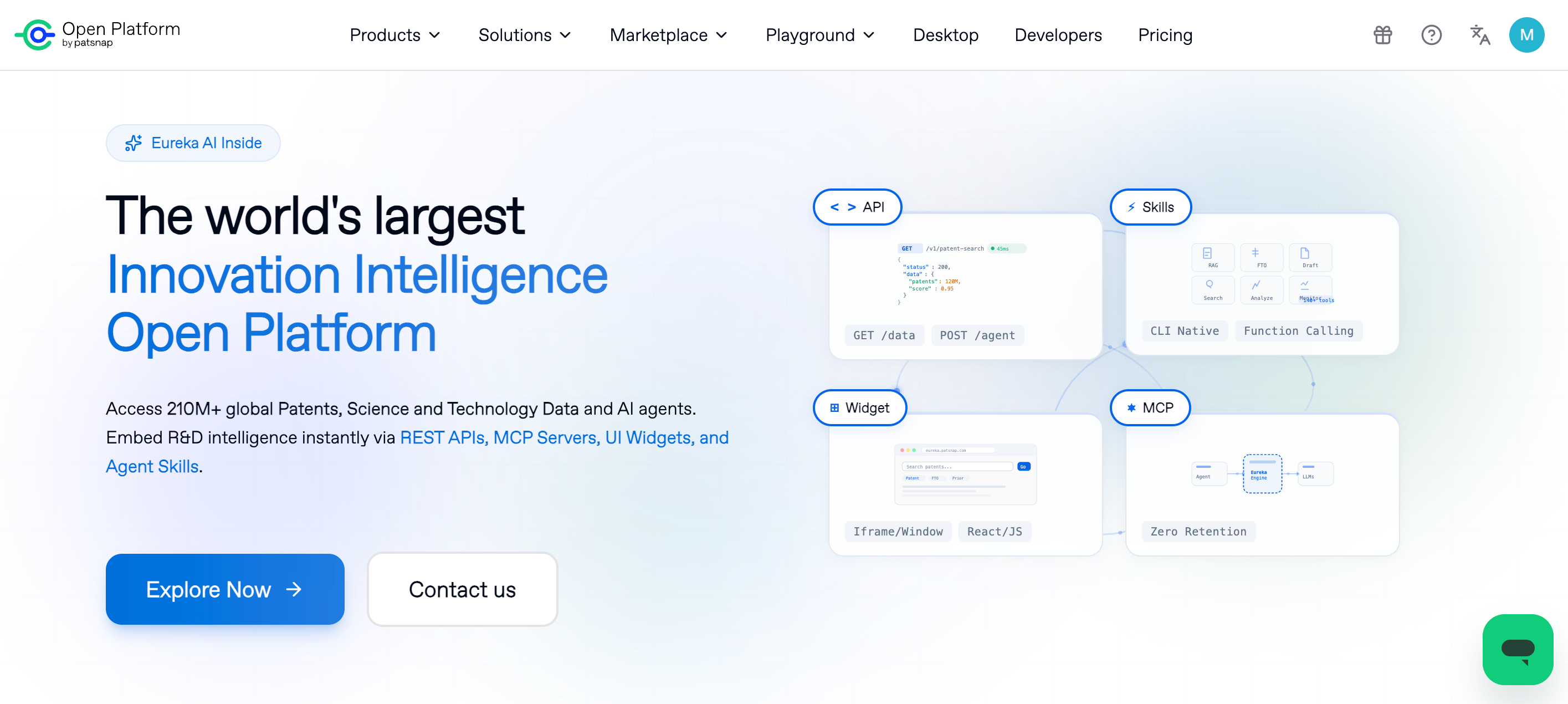
This TNFRSF9 target evaluation report was generated from PatSnap Life Sciences MCP data workflows, combining Target & Disease MCP Server outputs for biology and disease context with Clinical Trials MCP Server checks for clinical development signals. The goal is to show how an AI agent can turn structured life-science data into a decision-ready target assessment.
For TNFRSF9, the main question is not simply whether the biology is interesting. It is whether the biology, validation evidence, competitive intensity, IP surface, and indication strategy leave enough room for a differentiated R&D program.
245 Tracked drugs 245 drug records were returned by Target & Disease MCP for this target. | 205 Development-stage drugs 205 development records suggest very crowded and technically demanding. | 225 Linked diseases 225 disease associations frame the indication search space. | 82 Target score 82/100 reflects the combined biology, validation, competition and room-to-win readout. |
Executive Readout
TNFRSF9, also known as 4-1BB or CD137, is one of the most attractive but most competitive costimulatory targets in oncology. The opportunity is large because 4-1BB can strengthen cytotoxic T-cell survival and function, but the development bar is high because agonism, safety, and tumor localization matter intensely.
Biology confidence84/100
Validation maturity84/100
Competition pressure90/100
Room for differentiation58/100
Why MCP Data Matters Here
A target report becomes useful when the evidence is traceable. In this workflow, Target & Disease MCP supplies the target profile, aliases, UniProt-linked biology, drug count, development count and disease-linkage context. Clinical Trials MCP is then used as a validation layer to check whether the competitive story is supported by trial activity and named development programs. When a clinical query returns broad or noisy matches, the report keeps the claim conservative instead of overstating the signal.
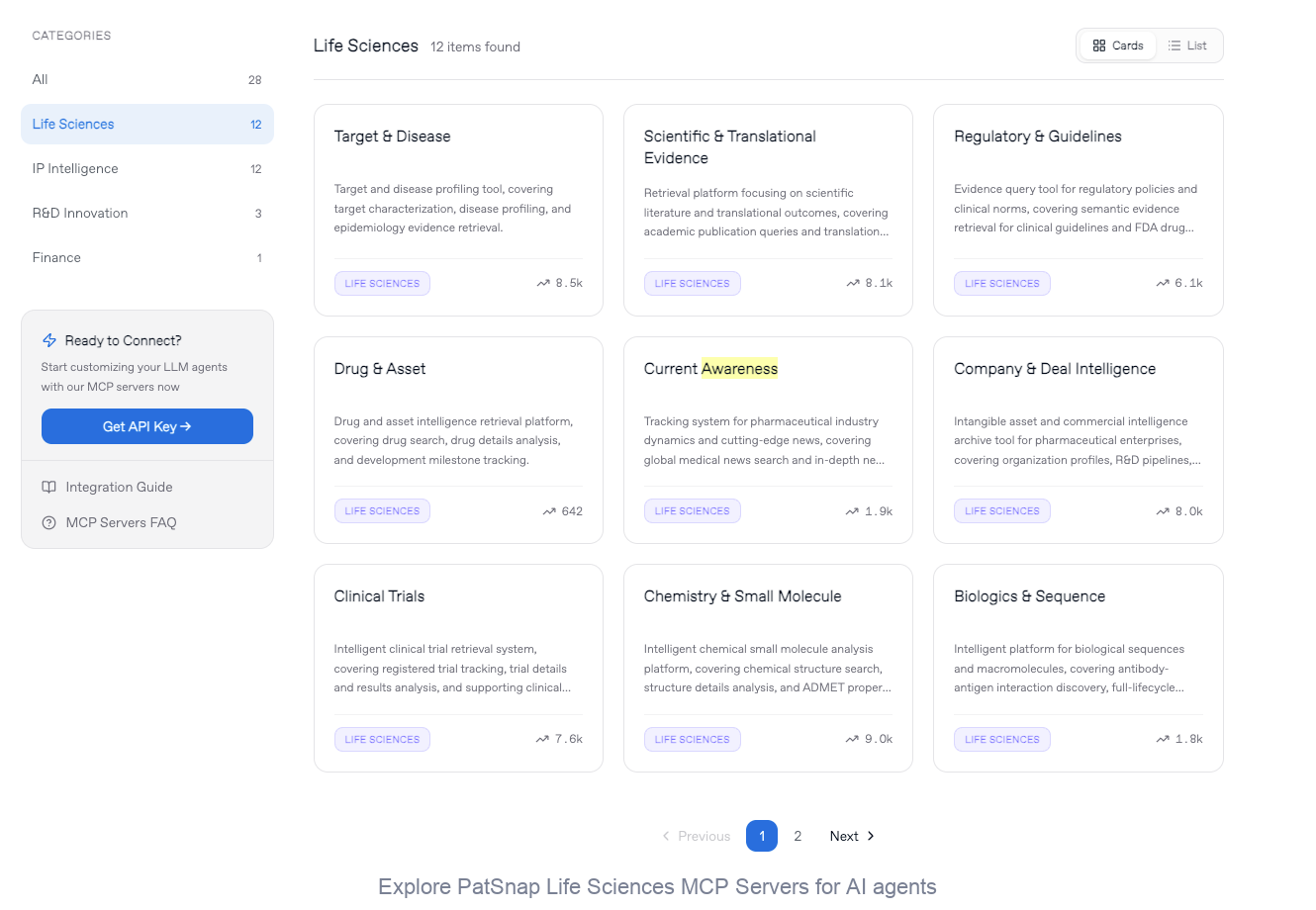
Explore PatSnap Life Sciences MCP Servers for AI agents
Biology: What the Target Controls
The Target & Disease MCP profile describes 4-1BB as a receptor for 4-1BBL that enhances CD8-positive T-cell survival, cytotoxicity, and mitochondrial activity. That biology directly supports antitumor immunity and explains why the target appears repeatedly in next-generation immunotherapy designs.
Mechanistic anchorThe central design challenge is delivering enough receptor clustering and immune activation at the right site. Strong systemic agonism can create safety liabilities, while weak agonism may fail to move the tumor immune state. This makes conditional activation and tumor-localized formats especially important. | Disease logicThe MCP footprint is broad, with 225 disease associations, and the drug landscape is exceptionally active. The most credible indications are immune-responsive tumors where 4-1BB activation can complement T-cell engagement, checkpoint blockade, or tumor-antigen targeting. | Translational caveat4-1BB should not be treated as a low-risk target simply because the biology is compelling. The historical lesson is that therapeutic window and activation geometry are part of the target hypothesis. |
Validation Evidence
With 245 total drug records and 205 development-stage records in the MCP-derived landscape, 4-1BB has one of the strongest validation footprints in this batch. That activity supports confidence in the target class, while also indicating that differentiation must be unusually sharp.
From an AI-agent perspective, this is a useful pattern: one MCP call provides the biological rationale, while the next call checks whether that rationale has already translated into assets, trials, or clinical-stage development. The output is not a final investment decision, but it narrows the review queue quickly.
Clinical and Competitive Landscape
Competition includes agonist antibodies, tumor-targeted bispecifics, T-cell engagers with 4-1BB arms, cell therapy enhancements, and conditional activation platforms. The field is crowded across both standalone and combination approaches.
Known development examplesA Clinical Trials MCP scan should separate systemic agonists from tumor-localized or bispecific 4-1BB strategies, because their risk profiles and competitive benchmarks are very different. | Competitive implicationA new 4-1BB program needs to articulate why its activation design improves the therapeutic window. Without that, it will be hard to stand out against a large set of active development programs. | Where to look nextUse MCP queries to map 4-1BB programs by modality, tumor antigen partner, trial phase, and safety-related trial design choices. |
IP and Freedom-to-Operate Lens
IP should emphasize conditional activation, bispecific geometry, epitope selection, Fc silencing or tuning, tumor-antigen pairing, and safety-optimized dosing regimens.
For IP review, the practical next step is to connect target evidence with modality, chemotype, sequence space, formulation, combinations and indication-specific claims. A target with many assets is not automatically blocked, but it needs a sharper claim strategy.
R&D Recommendation
Prioritize 4-1BB only when the product has a clear differentiation thesis around localized activation or superior therapeutic window. This is a high-attractiveness target, but not a low-competition one.

Start building target evaluation agents with PatSnap Life Sciences MCP Servers
Data workflow note: target biology, drug counts, development counts and disease associations are based on PatSnap Target & Disease MCP Server outputs retrieved on 9 July 2026. Clinical development commentary is written conservatively when trial-query outputs are broad, and should be refreshed before investment or BD decisions.

