Request Demo
Last update 09 Dec 2025

Shockwave Medical, Inc.
Subsidiary Company|2009|California, United States|
1,000-5,000
| NASDAQ: SWAV| Subsidiary Company|2009|California, United States|
1,000-5,000
| NASDAQ: SWAV| Last update 09 Dec 2025
Overview
Related
ACTRN12625001158459
Prospective, multi-center, first in human (FIH) study to assess the safety and performance of the Shockwave Medical Fizz Fizz Peripheral System for the treatment of atherosclerotic, stenotic peripheral arteries in patients suffering from Peripheral Artery Disease (PAD)
NCT07062471
Prospective, Multi-center, Single-arm Study of the Shockwave Medical SkyRunner Carotid Intravascular Lithotripsy (IVL) System for the Treatment of Calcified Carotid Arteries Prior to Trans-Carotid Stenting (SKYWARD Trans-Carotid IDE Study)
NCT07057323
Coronary Sinus Reducer For The Management Of Symptomatic Heart Failure With A Preserved Ejection Fraction Associated With Coronary Microvascular Dysfunction
100 Clinical Results associated with Shockwave Medical, Inc.
Login to view more data
Login to view more data
01 Dec 2024JACC-Cardiovascular Interventions
Coronary Sinus Narrowing for Treating Refractory Angina
Article
Author: van de Hoef, Tim P ; Byrne, Jonathan ; West, Nick E.J. ; van Kuijk, Jan-Peter ; de Silva, Ranil ; West, Nick E J ; Buschmann, Eva ; Banai, Shmuel ; Dupont, Matthias ; Verheye, Stefan ; Montorfano, Matteo ; van de Hoef, Tim P.
BACKGROUND:
Patients with refractory angina are often ineligible for revascularization and have poor quality of life despite optimal medical therapy. The coronary sinus (CS) Reducer (Shockwave Medical Inc) was safe and effective in the treatment of refractory angina in the COSIRA (Coronary Sinus Reducer for Treatment of Refractory Angina) randomized sham-controlled trial.
OBJECTIVES:
This study sought to perform the primary endpoint analysis of the complete REDUCER-I (An Observational Study of the Neovasc Reducer System) study cohort.
METHODS:
REDUCER-I is a nonrandomized, "real-world" study of patients with refractory angina treated with the CS Reducer conducted at 25 centers from 9 European countries. The primary effectiveness endpoint was an improvement in Canadian Cardiovascular Society (CCS) class at 6 months. The primary safety endpoints were major adverse cardiac events and device- or procedure-related serious adverse events through 30 days. Study follow-up is planned through 5 years with some interim 3-year analyses included here.
RESULTS:
From 2016 to 2023, 400 patients were enrolled, including 78.0% (312/400) male patients, 54.3% (216/398) with previous myocardial infarction, 73.6% (293/398) with previous revascularization, and 72.0% (280/389) CCS class III/IV. Major adverse cardiac event and serious adverse event rates were 1.6% (95% CI: 0.7-3.6) and 1.1% (4/371), respectively, with no deaths within 30 days. At 6 months, 69.8% (240/344) of patients improved by ≥1 CCS class. Six-minute walk distances improved by 34.1 ± 85.8 m at 6 months (P < 0.0001). Interim 3-year results showed CCS class and Seattle Angina Questionnaire quality of life improvements were sustained (P < 0.0001).
CONCLUSIONS:
The complete primary endpoint analysis of the REDUCER-I study shows patients with refractory angina were safely and effectively treated with the CS Reducer. Improvements in angina and quality of life appear sustained through 3 years.
01 Sep 2023JACC. Cardiovascular interventions
Histology, OCT, and Micro-CT Evaluation of Coronary Calcification Treated With Intravascular Lithotripsy
Article
Author: Ghosh, Saikat Kumar B ; Sato, Yu ; Kawakami, Rika ; Finn, Aloke V ; Virmani, Renu ; Konishi, Takao ; Kawai, Kenji ; Hokama, Jason Y
BACKGROUND:
Although intravascular lithotripsy (IVL) has been an emerging novel option to treat vascular calcification, the specific effects on histology have not been systematically examined.
OBJECTIVES:
The authors examined the histologic effects of IVL on coronary calcified lesions from human autopsy hearts and evaluated the diagnostic ability of optical coherence tomography (OCT) and micro-computed tomography (CT) to detect calcium fracture as identified by the gold standard histology.
METHODS:
Eight coronary lesions were treated with IVL, and 7 lesions were treated with 10 atm inflation using an IVL catheter balloon without lithotripsy pulses (plain old balloon angioplasty [POBA]). OCT and micro-CT imaging were performed before and after treatment, and the presence of calcium fracture was assessed. The frequency and size of fractures were measured and compared with the corresponding histology.
RESULTS:
All 15 treated lesions were diagnosed as sheet calcium by histology. Histological evidence of calcium fracture was significantly greater in the IVL group compared with the POBA group (62.5% vs 0.0%; P = 0.01). Calcified lesions with fracture had a larger maximum arc degree of calcification (median 145.6 [IQR: 134.4-300.4] degrees vs 107.0 [IQR: 88.9-129.1] degrees; P = 0.01). Micro-CT and histology showed an excellent correlation for fracture depth (R2 = 0.83; P < 0.0001), whereas OCT showed less correlation (R2 = 0.37; P = 0.11). The depth of fractures measured by OCT were significantly shorter than with those measured by histology (0.49 [IQR: 0.29-0.77] mm vs 0.88 [IQR: 0.64-1.07] mm; P = 0.008).
CONCLUSIONS:
IVL demonstrated a histologically superior fracturing effect on coronary calcified lesions compared with POBA. OCT failed to identify the presence of some calcium fractures and underestimated the depth of fracture when compared with micro-CT.
11 Mar 2022European journal of preventive cardiologyQ1 · MEDICINE
Ten-year all-cause mortality according to smoking status in patients with severe coronary artery disease undergoing surgical or percutaneous revascularization
Q1 · MEDICINE
Article
Author: Piroze M Davierwala ; Yoshinobu Onuma ; Masafumi Ono ; Nick Curzen ; Chao Gao ; Keith D Dawkins ; Patrick W Serruys ; Michael J Mack ; Kuniaki Takahashi ; Marie-Claude Morice ; Robbert J de Winter ; Daniel J F M Thuijs ; Stuart J Head ; David R Holmes, Jr ; Arie Pieter Kappetein ; Joanna J Wykrzykowska ; the SYNTAX Extended Survival Study Investigators ; Friedrich-Wilhelm Mohr ; Milan Milojevic ; John William McEvoy
Abstract:
Aims:
To evaluate the impact of various smoking status on 10-year all-cause mortality and to examine a relative treatment benefit of coronary artery bypass grafting (CABG) vs. percutaneous coronary intervention (PCI) according to smoking habits.
Methods and results:
The SYNTAX Extended Survival study evaluated vital status up to 10 years in 1800 patients with de novo three-vessel disease and/or left main coronary artery disease randomized to CABG or PCI in the SYNTAX trial. In the present analysis, patients were divided into three groups (current, former, or never smokers), and the primary endpoint of 10-year all-cause mortality was assessed according to smoking status. Smoking status was available in 1793 (99.6%) patients at the time of randomization, of whom 363 were current smokers, 798 were former smokers, and 632 were never smokers. The crude rates of 10-year all-cause mortality were 29.7% in current smokers, 25.3% in former smokers, and 25.9% in never smokers (Log-rank P = 0.343). After adjustment for imbalances in baseline characteristics, current smokers had a significantly higher risk of 10-year all-cause mortality than never smokers [adjusted hazard ratio (aHR): 2.29; 95% confidence interval (CI): 1.60–3.27; P < 0.001], whereas former smokers did not. PCI was associated with a higher risk of all-cause mortality than CABG among current smokers (HR: 1.60; 95% CI: 1.09–2.35; P = 0.017), but it failed to show a significant interaction between revascularization strategies and smoking status (Pinteraction = 0.910).
Conclusion:
Current smokers had a higher adjusted risk of 10-year all-cause mortality, whereas former smokers did not. The treatment effect of CABG vs. PCI did not differ significantly according to smoking status.
Clinical trial registration:
SYNTAX: ClinicalTrials.gov reference: NCT00114972; SYNTAX Extended Survival. ClinicalTrials.gov reference: NCT03417050.
24 Nov 2025
18 Nov 2025

04 Nov 2025
100 Deals associated with Shockwave Medical, Inc.
Login to view more data
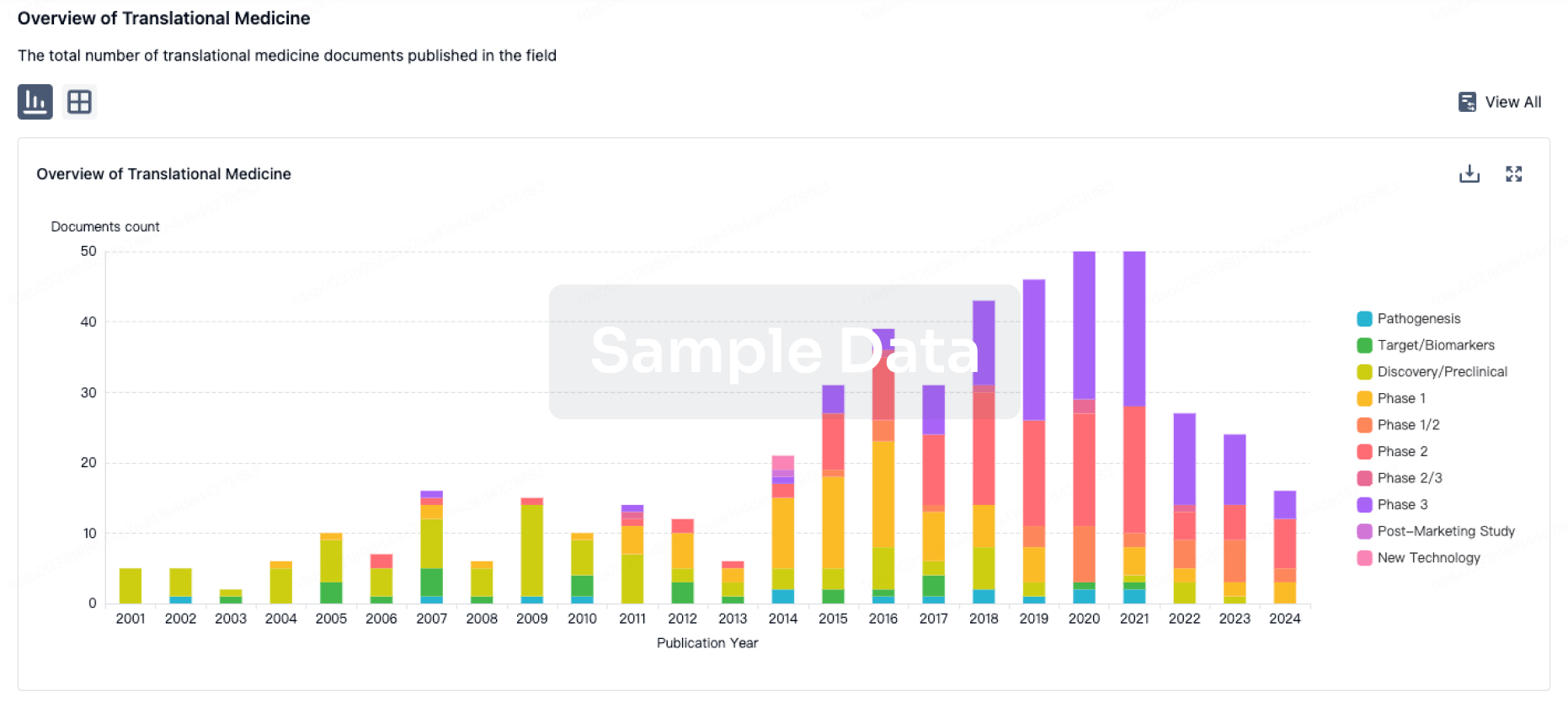
100 Translational Medicine associated with Shockwave Medical, Inc.
Login to view more data
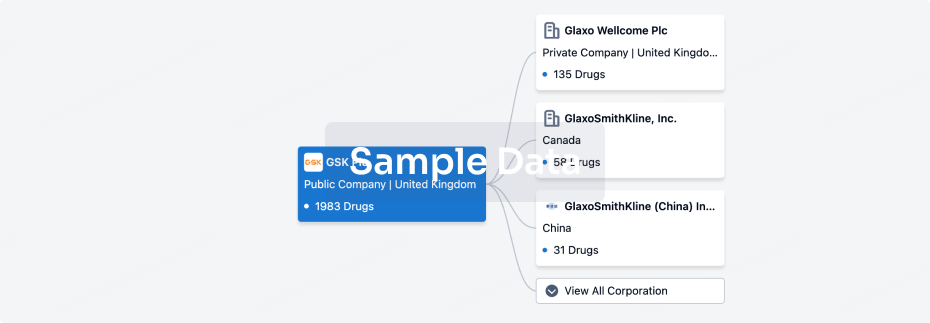
Corporation Tree
Boost your research with our corporation tree data.
login
or
Pipeline
Pipeline Snapshot as of 19 Dec 2025
No data posted
Login to keep update
Deal
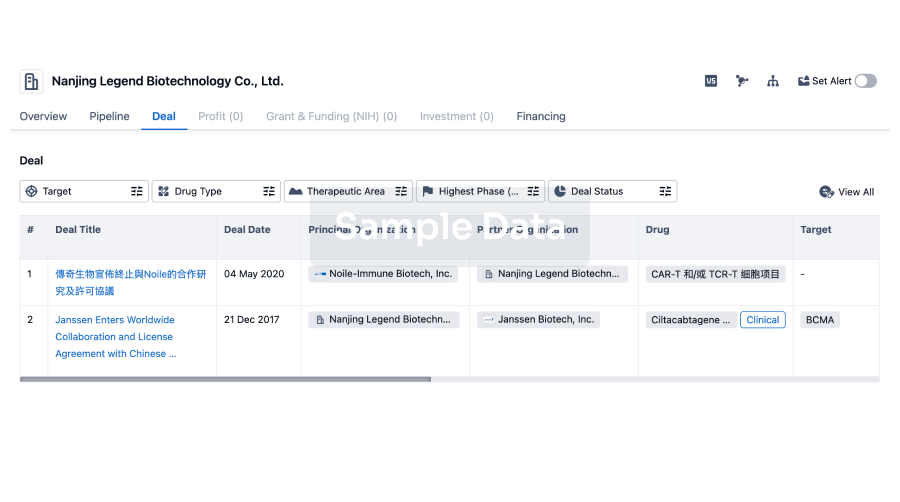
Boost your decision using our deal data.
login
or
Translational Medicine
Boost your research with our translational medicine data.
login
or
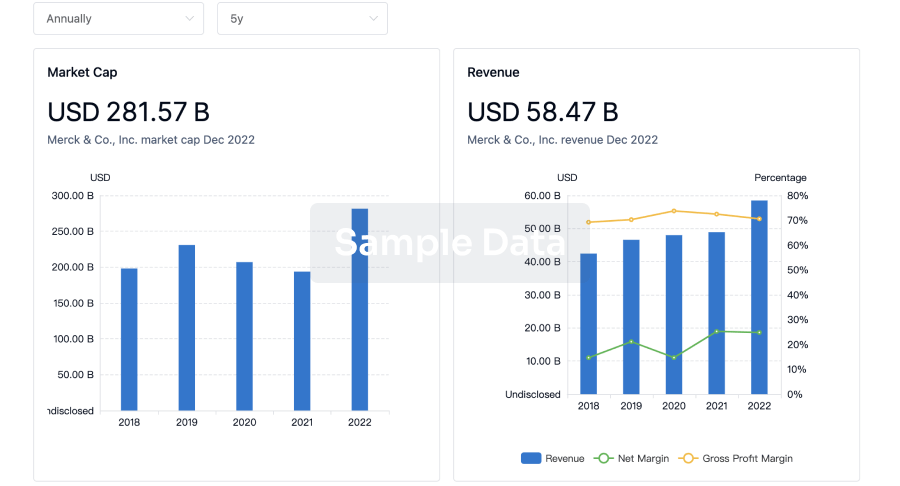
Profit
Explore the financial positions of over 360K organizations with Synapse.
login
or
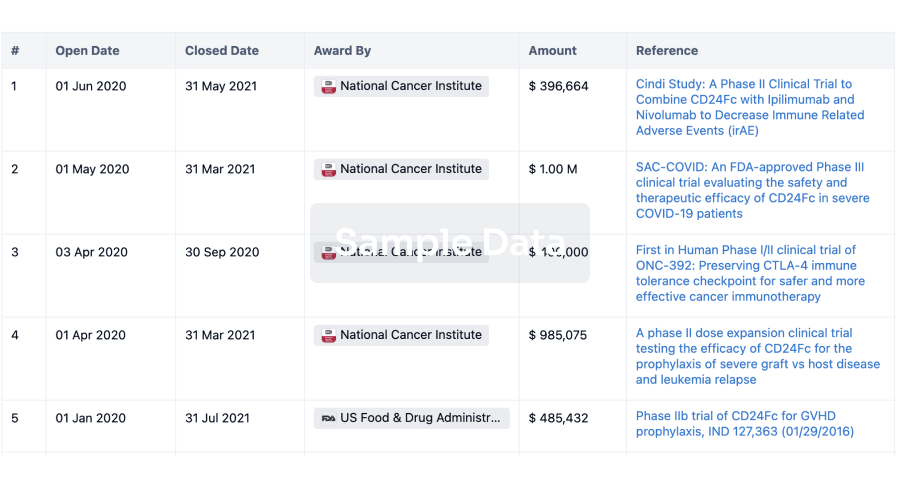
Grant & Funding(NIH)
Access more than 2 million grant and funding information to elevate your research journey.
login
or
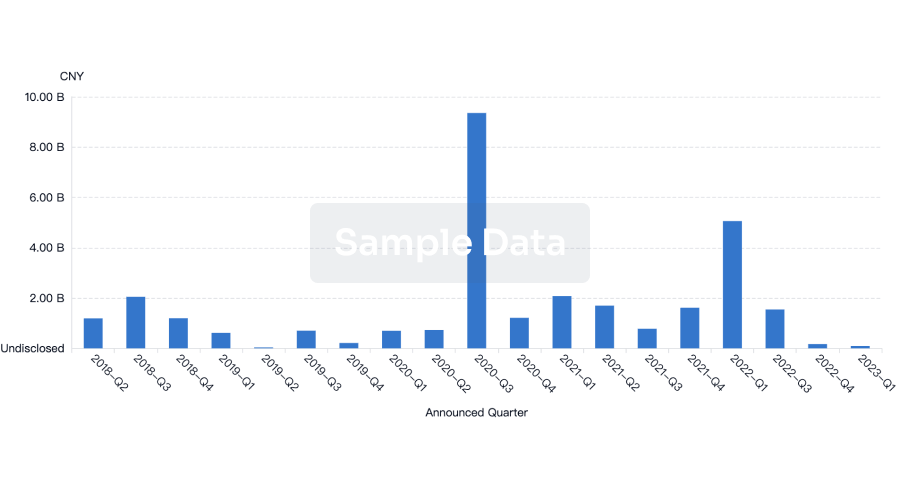
Investment
Gain insights on the latest company investments from start-ups to established corporations.
login
or
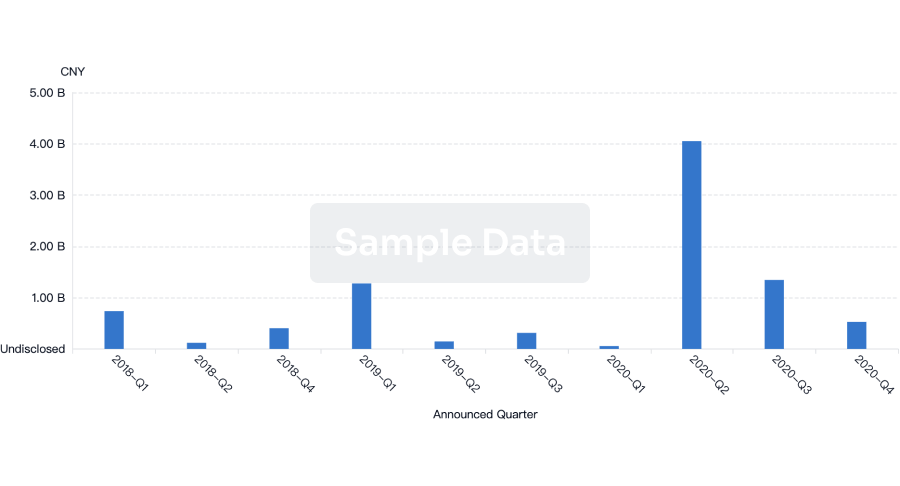
Financing
Unearth financing trends to validate and advance investment opportunities.
login
or
AI Agents Built for Biopharma Breakthroughs
Accelerate discovery. Empower decisions. Transform outcomes.
Get started for free today!
Accelerate Strategic R&D decision making with Synapse, PatSnap’s AI-powered Connected Innovation Intelligence Platform Built for Life Sciences Professionals.
Start your data trial now!
Synapse data is also accessible to external entities via APIs or data packages. Empower better decisions with the latest in pharmaceutical intelligence.
Bio
Bio Sequences Search & Analysis
Sign up for free
Chemical
Chemical Structures Search & Analysis
Sign up for free