Unlocking Fetal Hemoglobin Potential: The Therapeutic Role of ML-0207/ASP8731 in Sickle Cell Disease Management
Mitobridge is developing ML-0207/ASP8731, a potent and selective BACH1 inhibitor designed to activate the Nrf2 pathway in both human and mouse models. The company has studied ML-0207's capacity to regulate antioxidant and anti-inflammatory gene expression and to stimulate HbF in human cellular models and a preclinical mouse model of SCD. In human bone marrow-derived CD34+ cells that were differentiated into erythrocytes, ML-0207 induced the expression of Nrf2 target genes HGB1, HBG2, HMOX1, SLC7A11, GCLM, and NQO1. The use of 1 μM ML-0207 and 10 μM hydroxyurea (HU) resulted in a two-fold increase in CD71+/HbF+ erythrocytes compared to a control group. The combination of ML-0207 and HU was more effective in inducing HbF+ erythrocytes than either drug alone. In a single healthy donor who did not respond to 10 μM HU, ML-0207 at concentrations of 1 and 3 μM significantly induced CD71+/HbF+ cells. In Townes SCD mice, there was a significant increase in heme oxygenase 1 and a decrease in VCAM-1, ICAM-1, and phospho-p65 NF-κB protein levels. Additionally, there was a significant reduction in hemin-induced vaso-occlusion and an increase in the percentage of F-cells, which was associated with an increase in blood A-gamma globin and erythrocytes and a decrease in leukocytes. These findings suggest that BACH1 inhibitors could be a promising new treatment for SCD patients.
How to Use Synapse Database to Search and Analyze Translational Medicine Data?
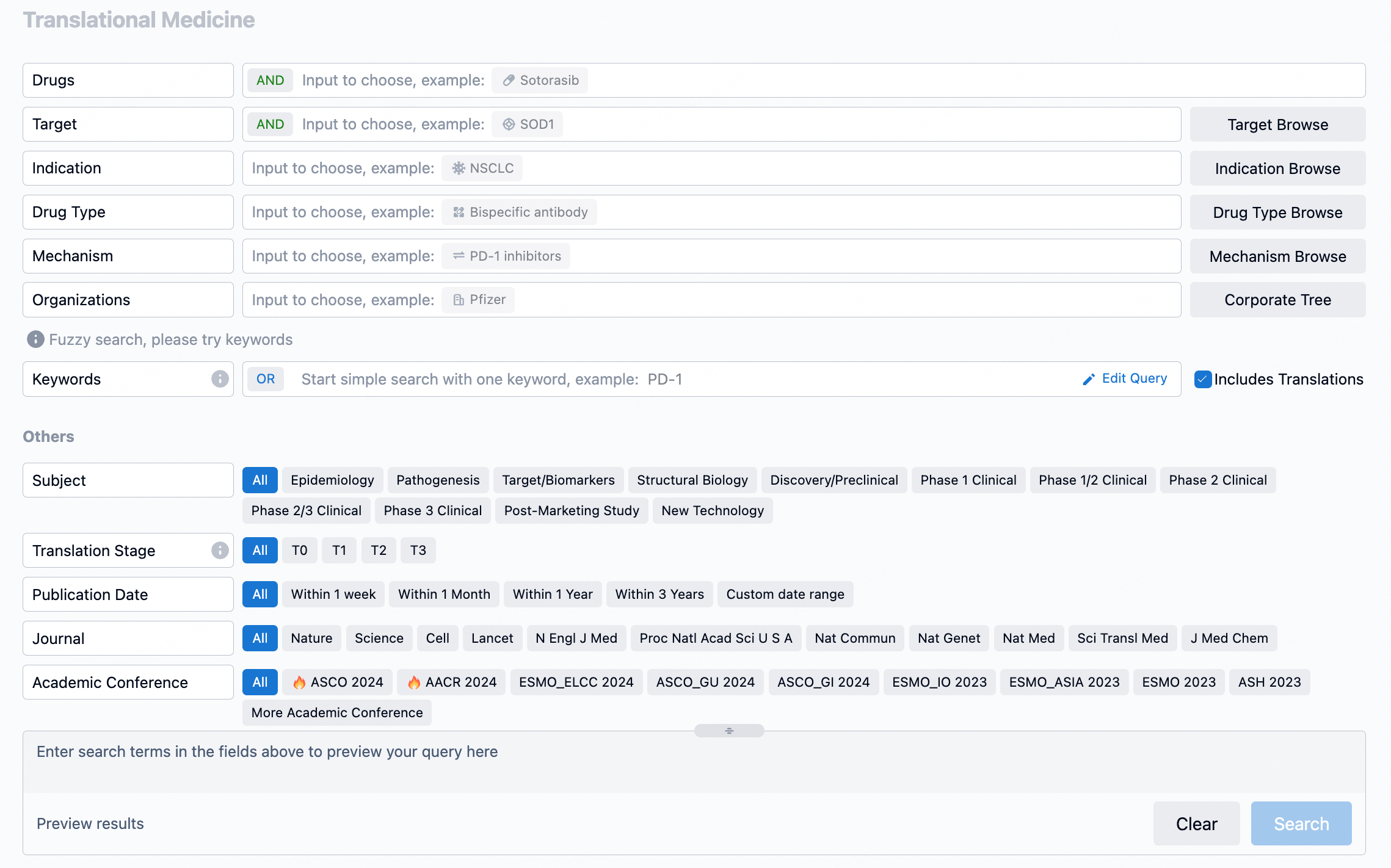
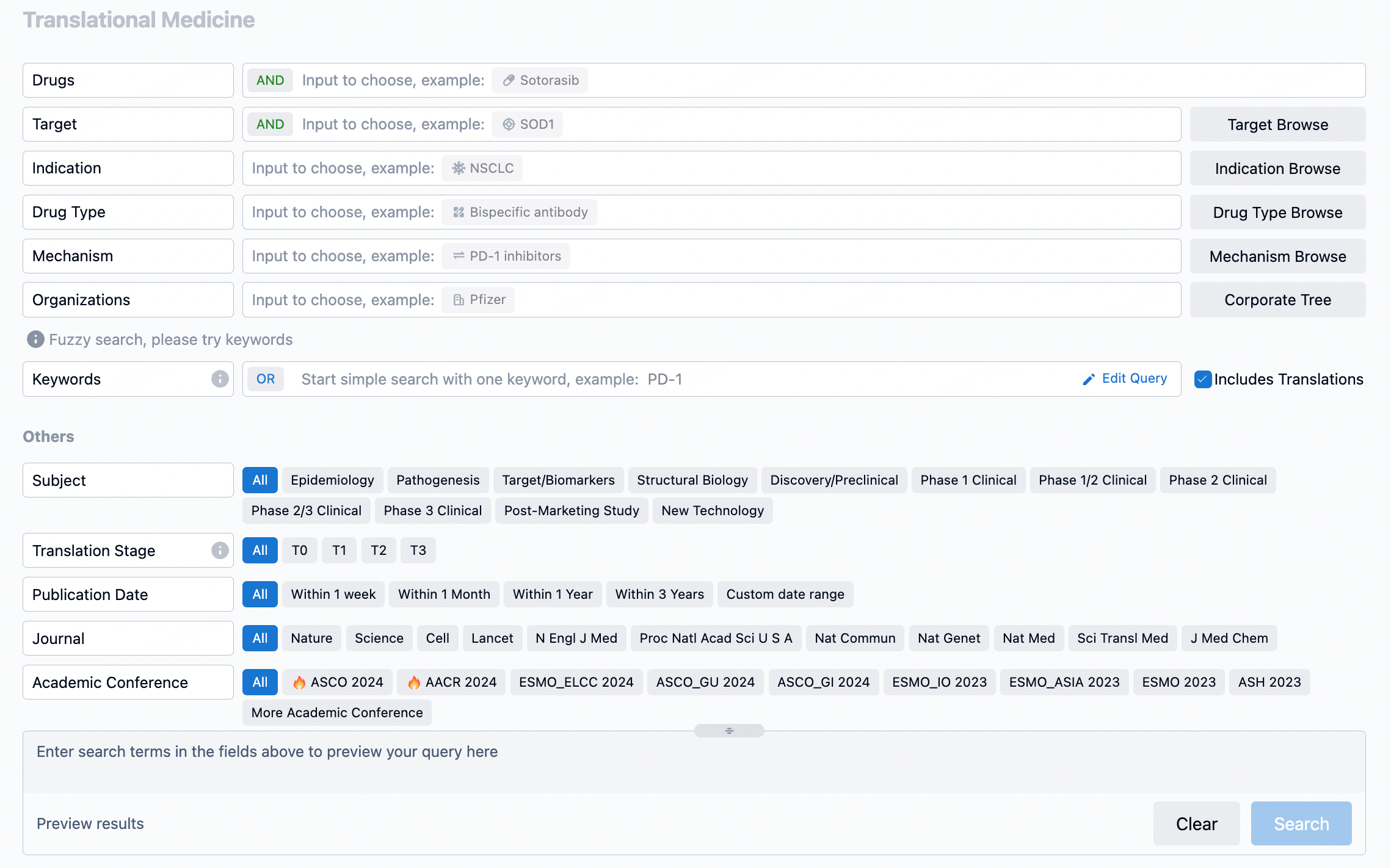
The transational medicine section of the Synapse database supports searches based on fields such as drug, target, and indication, covering the T0-T3 stages of translation. Additionally, it offers a historical conference search function as well as filtering options, view modes, translation services, and highlights summaries, providing you with a unique search experience.
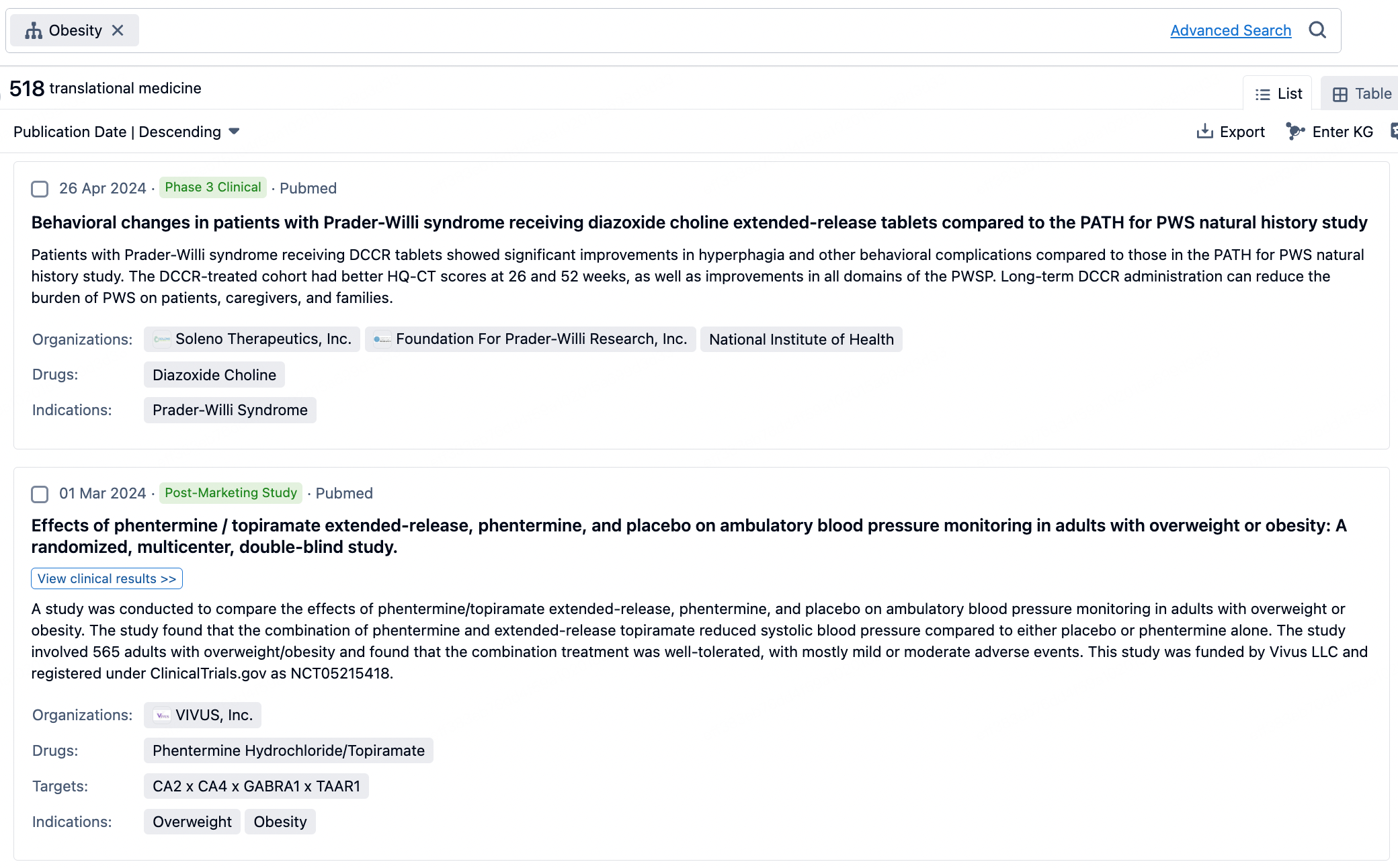
Taking obesity as an example, select "obesity" under the indication category and click search to enter the Translational Medicine results list page. By clicking on the title, you can directly navigate to the original page.
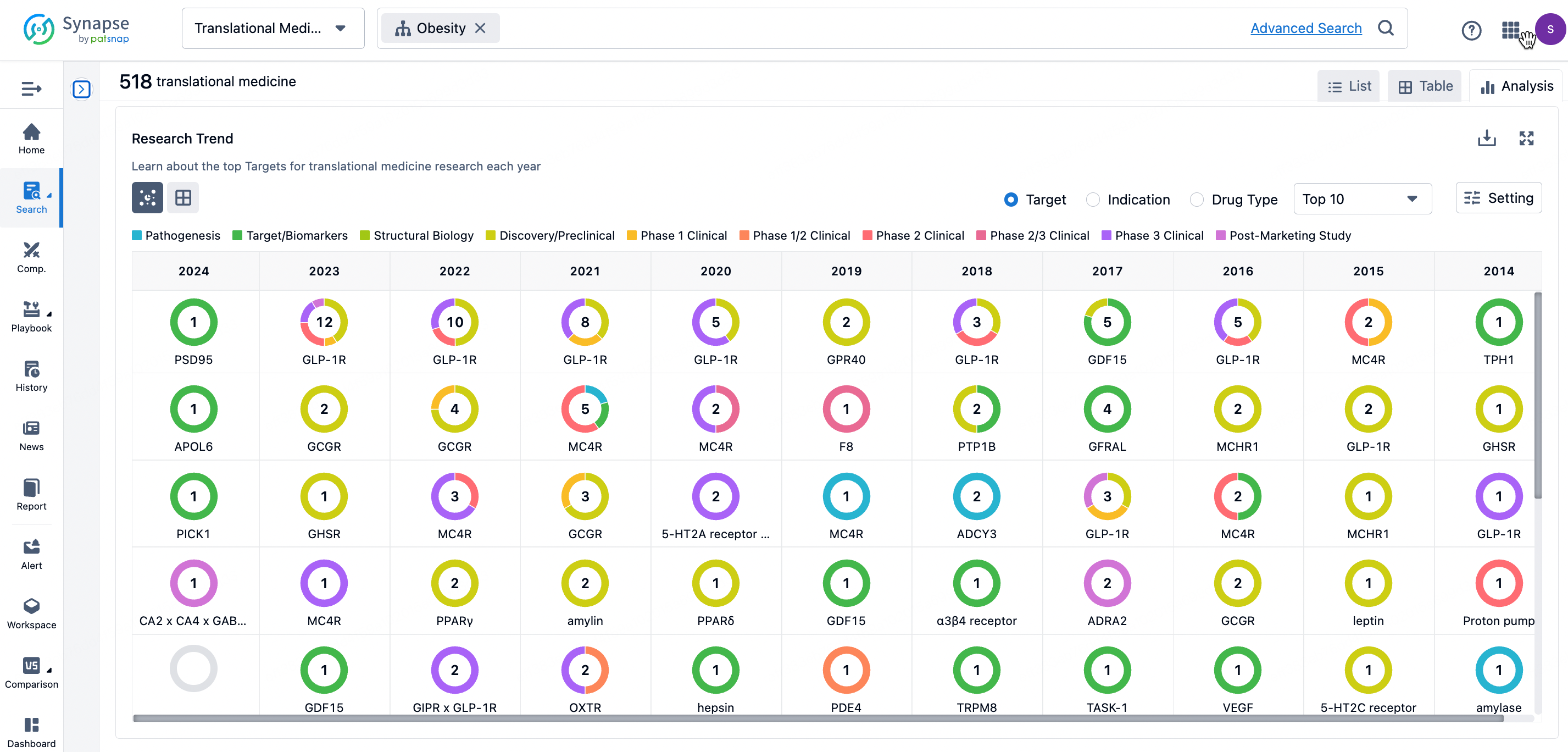
By clicking the analysis button, you can observe that GLP-1R treatment for obesity has gained significant attention over the past three years, with preclinical research still ongoing in 2023. Additionally, there are emerging potential targets, such as GDF15, among others.
Click on the image below to go directly to the Translational Medicine search interface.