Request Demo
What is Asparaginate Calcium used for?
15 June 2024
**Introduction to Asparaginate Calcium**
Asparaginate Calcium is an emerging compound in the pharmacological landscape, noted for its potential therapeutic benefits. Although it is not yet widely recognized under multiple trade names, early research shows promising prospects for its future application. This compound primarily targets calcium metabolism and has been explored for its ability to address conditions linked to calcium deficiencies and imbalances. Several research institutions, including leading universities and pharmaceutical companies, are investigating the potential uses of Asparaginate Calcium, particularly in the fields of bone health, cardiovascular support, and metabolic disorders.
Classified as a dietary supplement and potential therapeutic agent, Asparaginate Calcium is being scrutinized for its effectiveness in treating conditions such as osteoporosis, hypocalcemia, and even certain cardiovascular diseases. As research progresses, there is an increasing interest in understanding the full spectrum of its benefits and limitations. Current studies are in various stages, with some in preclinical phases and others advancing into clinical trials. The ongoing research continues to shed light on the compound's efficacy, safety, and optimal usage parameters.
**Asparaginate Calcium Mechanism of Action**
The primary mechanism of action of Asparaginate Calcium revolves around its role in calcium metabolism. Calcium is a vital mineral in the human body, essential for numerous physiological processes, including bone formation, muscle function, nerve transmission, and blood clotting. Asparaginate, the conjugate base of aspartic acid, plays a role in enhancing the bioavailability of calcium when combined as Asparaginate Calcium.
Upon ingestion, Asparaginate Calcium disassociates into calcium ions and asparaginate. The calcium ions are then available for absorption in the intestines, facilitated by asparaginate, which may enhance the transport across the intestinal lining. This improved absorption can be particularly beneficial for individuals with calcium deficiencies or those who have difficulty absorbing calcium from conventional sources.
Moreover, asparaginate itself may have distinct biological roles, such as acting as a neurotransmitter and participating in energy production pathways. By enhancing calcium ion availability, Asparaginate Calcium supports the maintenance of healthy bone density, muscular function, and cardiovascular health. Further research is needed to fully elucidate the molecular pathways influenced by this compound and its long-term effects on human health.
**How to Use Asparaginate Calcium**
The administration of Asparaginate Calcium can vary depending on the specific formulation and the condition being treated. It is typically available in oral forms such as tablets, capsules, or powder, which can be taken with or without food. The recommended dosage and frequency of administration should be determined by a healthcare professional, based on individual needs and medical history.
For general supplementation, adults might be advised to take a daily dose ranging from 500 to 1,200 milligrams of calcium, divided into two or three doses throughout the day. In cases of severe deficiency or specific medical conditions, higher dosages might be recommended under medical supervision.
The onset time for Asparaginate Calcium's benefits can vary. For bone health improvements, it may take several weeks to months of consistent use to observe noticeable changes. For acute conditions, such as hypocalcemia, the onset of action might be quicker, with some effects observable within days. It is crucial to maintain regular intake as per the prescribed regimen to achieve optimal results.
**What is Asparaginate Calcium Side Effects**
Like any supplement or medication, Asparaginate Calcium can cause side effects, although not everyone will experience them. Common side effects may include gastrointestinal symptoms such as constipation, bloating, gas, or diarrhea. These are often mild and may be managed by adjusting the dosage or taking the supplement with food.
In some cases, more severe side effects might occur, such as hypercalcemia (excess calcium in the blood), which can lead to symptoms like nausea, vomiting, confusion, and abnormal heart rhythms. Individuals with conditions that predispose them to hypercalcemia, such as hyperparathyroidism or certain cancers, should use this supplement with caution.
Contraindications for using Asparaginate Calcium include known hypersensitivity to calcium or asparaginate compounds, severe hypercalcemia, and conditions that increase the risk of calcium deposition in tissues, such as sarcoidosis or chronic renal failure. It is essential to consult with a healthcare provider before starting Asparaginate Calcium, especially for individuals with pre-existing medical conditions or those taking other medications.
**What Other Drugs Will Affect Asparaginate Calcium**
Several drugs can interact with Asparaginate Calcium, affecting its absorption, efficacy, and safety. For instance, calcium can bind to certain medications in the gastrointestinal tract, reducing their absorption and effectiveness. This is particularly relevant for antibiotics such as tetracyclines and fluoroquinolones, as well as bisphosphonates used to treat osteoporosis. To avoid this interaction, it is recommended to take these medications at least two hours before or after taking Asparaginate Calcium.
Additionally, certain diuretics, particularly thiazides, can increase calcium levels in the blood, potentially leading to hypercalcemia when taken with Asparaginate Calcium. Monitoring calcium levels and adjusting dosages accordingly is crucial when these drugs are used concurrently.
Conversely, corticosteroids can reduce calcium absorption and increase its excretion, potentially necessitating higher doses of Asparaginate Calcium to maintain adequate levels. Anticonvulsants like phenytoin and phenobarbital can also affect calcium metabolism, requiring careful monitoring and possible dosage adjustments.
In conclusion, Asparaginate Calcium is a promising compound with potential therapeutic applications in addressing calcium deficiencies and supporting bone health. Its mechanism of action involves enhancing calcium bioavailability, which is crucial for various physiological functions. However, like any supplement, it must be used with caution, considering potential side effects and drug interactions. Ongoing research continues to explore its full potential, paving the way for more comprehensive and effective use in clinical practice.
Asparaginate Calcium is an emerging compound in the pharmacological landscape, noted for its potential therapeutic benefits. Although it is not yet widely recognized under multiple trade names, early research shows promising prospects for its future application. This compound primarily targets calcium metabolism and has been explored for its ability to address conditions linked to calcium deficiencies and imbalances. Several research institutions, including leading universities and pharmaceutical companies, are investigating the potential uses of Asparaginate Calcium, particularly in the fields of bone health, cardiovascular support, and metabolic disorders.
Classified as a dietary supplement and potential therapeutic agent, Asparaginate Calcium is being scrutinized for its effectiveness in treating conditions such as osteoporosis, hypocalcemia, and even certain cardiovascular diseases. As research progresses, there is an increasing interest in understanding the full spectrum of its benefits and limitations. Current studies are in various stages, with some in preclinical phases and others advancing into clinical trials. The ongoing research continues to shed light on the compound's efficacy, safety, and optimal usage parameters.
**Asparaginate Calcium Mechanism of Action**
The primary mechanism of action of Asparaginate Calcium revolves around its role in calcium metabolism. Calcium is a vital mineral in the human body, essential for numerous physiological processes, including bone formation, muscle function, nerve transmission, and blood clotting. Asparaginate, the conjugate base of aspartic acid, plays a role in enhancing the bioavailability of calcium when combined as Asparaginate Calcium.
Upon ingestion, Asparaginate Calcium disassociates into calcium ions and asparaginate. The calcium ions are then available for absorption in the intestines, facilitated by asparaginate, which may enhance the transport across the intestinal lining. This improved absorption can be particularly beneficial for individuals with calcium deficiencies or those who have difficulty absorbing calcium from conventional sources.
Moreover, asparaginate itself may have distinct biological roles, such as acting as a neurotransmitter and participating in energy production pathways. By enhancing calcium ion availability, Asparaginate Calcium supports the maintenance of healthy bone density, muscular function, and cardiovascular health. Further research is needed to fully elucidate the molecular pathways influenced by this compound and its long-term effects on human health.
**How to Use Asparaginate Calcium**
The administration of Asparaginate Calcium can vary depending on the specific formulation and the condition being treated. It is typically available in oral forms such as tablets, capsules, or powder, which can be taken with or without food. The recommended dosage and frequency of administration should be determined by a healthcare professional, based on individual needs and medical history.
For general supplementation, adults might be advised to take a daily dose ranging from 500 to 1,200 milligrams of calcium, divided into two or three doses throughout the day. In cases of severe deficiency or specific medical conditions, higher dosages might be recommended under medical supervision.
The onset time for Asparaginate Calcium's benefits can vary. For bone health improvements, it may take several weeks to months of consistent use to observe noticeable changes. For acute conditions, such as hypocalcemia, the onset of action might be quicker, with some effects observable within days. It is crucial to maintain regular intake as per the prescribed regimen to achieve optimal results.
**What is Asparaginate Calcium Side Effects**
Like any supplement or medication, Asparaginate Calcium can cause side effects, although not everyone will experience them. Common side effects may include gastrointestinal symptoms such as constipation, bloating, gas, or diarrhea. These are often mild and may be managed by adjusting the dosage or taking the supplement with food.
In some cases, more severe side effects might occur, such as hypercalcemia (excess calcium in the blood), which can lead to symptoms like nausea, vomiting, confusion, and abnormal heart rhythms. Individuals with conditions that predispose them to hypercalcemia, such as hyperparathyroidism or certain cancers, should use this supplement with caution.
Contraindications for using Asparaginate Calcium include known hypersensitivity to calcium or asparaginate compounds, severe hypercalcemia, and conditions that increase the risk of calcium deposition in tissues, such as sarcoidosis or chronic renal failure. It is essential to consult with a healthcare provider before starting Asparaginate Calcium, especially for individuals with pre-existing medical conditions or those taking other medications.
**What Other Drugs Will Affect Asparaginate Calcium**
Several drugs can interact with Asparaginate Calcium, affecting its absorption, efficacy, and safety. For instance, calcium can bind to certain medications in the gastrointestinal tract, reducing their absorption and effectiveness. This is particularly relevant for antibiotics such as tetracyclines and fluoroquinolones, as well as bisphosphonates used to treat osteoporosis. To avoid this interaction, it is recommended to take these medications at least two hours before or after taking Asparaginate Calcium.
Additionally, certain diuretics, particularly thiazides, can increase calcium levels in the blood, potentially leading to hypercalcemia when taken with Asparaginate Calcium. Monitoring calcium levels and adjusting dosages accordingly is crucial when these drugs are used concurrently.
Conversely, corticosteroids can reduce calcium absorption and increase its excretion, potentially necessitating higher doses of Asparaginate Calcium to maintain adequate levels. Anticonvulsants like phenytoin and phenobarbital can also affect calcium metabolism, requiring careful monitoring and possible dosage adjustments.
In conclusion, Asparaginate Calcium is a promising compound with potential therapeutic applications in addressing calcium deficiencies and supporting bone health. Its mechanism of action involves enhancing calcium bioavailability, which is crucial for various physiological functions. However, like any supplement, it must be used with caution, considering potential side effects and drug interactions. Ongoing research continues to explore its full potential, paving the way for more comprehensive and effective use in clinical practice.
How to obtain the latest development progress of all drugs?
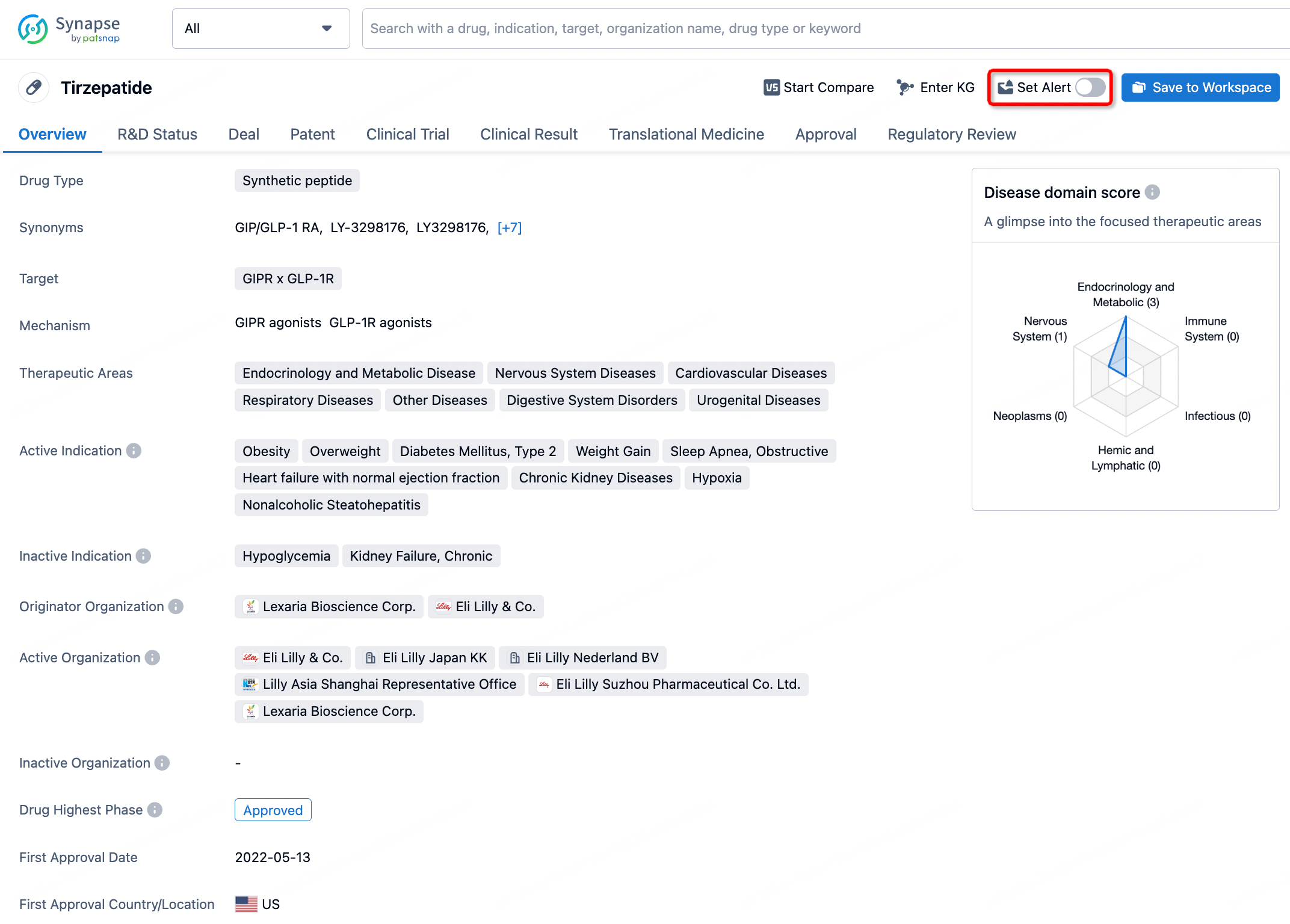
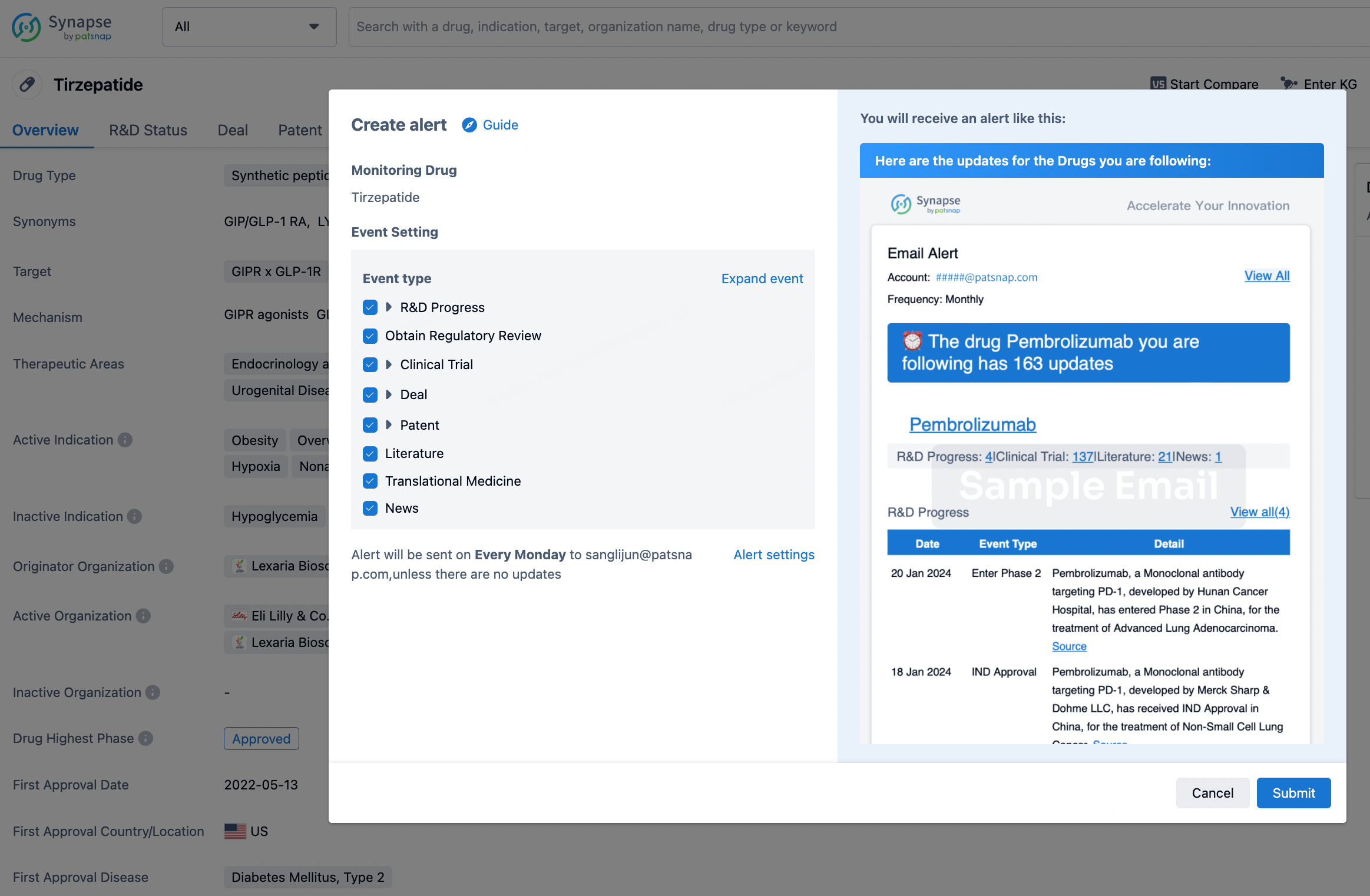
In the Synapse database, you can stay updated on the latest research and development advances of all drugs. This service is accessible anytime and anywhere, with updates available daily or weekly. Use the "Set Alert" function to stay informed. Click on the image below to embark on a brand new journey of drug discovery!
AI Agents Built for Biopharma Breakthroughs
Accelerate discovery. Empower decisions. Transform outcomes.
Get started for free today!
Accelerate Strategic R&D decision making with Synapse, PatSnap’s AI-powered Connected Innovation Intelligence Platform Built for Life Sciences Professionals.
Start your data trial now!
Synapse data is also accessible to external entities via APIs or data packages. Empower better decisions with the latest in pharmaceutical intelligence.