Request Demo
What is Azuletil used for?
14 June 2024
Azuletil is an innovative pharmaceutical product that has recently garnered attention in the medical community. Developed as a novel therapeutic agent, Azuletil is being researched and tested for its potential to treat a variety of conditions. The drug is primarily known by its trade name, Azuletil, and has been the subject of numerous clinical trials spearheaded by leading research institutions worldwide.
Azuletil belongs to a new class of drugs known as selective serotonin receptor modulators (SSRMs). This class of drugs is designed to target specific serotonin receptors in the brain, potentially offering a more tailored and effective treatment for mental health disorders such as depression, anxiety, and obsessive-compulsive disorder (OCD). The primary goal behind Azuletil's development is to provide a more targeted approach with fewer side effects than traditional antidepressants and anti-anxiety medications.
Several prominent research institutions, including the National Institutes of Health (NIH) and major universities, have been involved in the study of Azuletil. The drug has shown promise in early-phase clinical trials, demonstrating efficacy in reducing symptoms of depression and anxiety in a subset of patients. These promising results have propelled Azuletil into more advanced stages of clinical testing.
### Azuletil Mechanism of Action
The mechanism of action of Azuletil is what sets it apart from other antidepressants and anti-anxiety medications. Traditional selective serotonin reuptake inhibitors (SSRIs) work by increasing the overall levels of serotonin in the brain. This can be effective, but it often comes with a range of side effects due to the non-specific nature of the treatment.
Azuletil, on the other hand, specifically targets serotonin receptors known as 5-HT1A and 5-HT2A. By modulating these receptors, Azuletil aims to achieve a more precise therapeutic effect. The 5-HT1A receptor is primarily associated with mood regulation, while the 5-HT2A receptor has been linked to various cognitive and perceptual processes. By selectively targeting these receptors, Azuletil seeks to alleviate symptoms of depression and anxiety without the broad-spectrum side effects commonly associated with other treatments.
### How to Use Azuletil
Azuletil is typically administered orally in the form of tablets. The standard dosage and frequency of use vary depending on the specific condition being treated and the individual patient's response to the medication. Healthcare providers usually start patients on a lower dose to assess tolerance and gradually increase the dosage as needed.
The onset time for Azuletil is generally quicker than that of traditional SSRIs. While SSRIs may take several weeks to show noticeable effects, some patients taking Azuletil have reported improvements in their symptoms within the first week of treatment. This rapid onset time is one of the drug's most promising attributes, offering quicker relief to patients who may be in urgent need of symptom management.
### What is Azuletil Side Effects
Like all medications, Azuletil comes with a risk of side effects, although it is designed to minimize them. The most commonly reported side effects include mild nausea, headache, and dizziness. These side effects are usually transient and tend to subside as the body adjusts to the medication.
However, more severe side effects have been reported in rare cases. These can include significant changes in mood or behavior, severe dizziness, and allergic reactions such as rash or difficulty breathing. It is crucial for patients to communicate any adverse effects to their healthcare provider promptly to adjust the treatment plan if necessary.
Azuletil is contraindicated in patients with a known hypersensitivity to any of its components. Additionally, it should be used with caution in individuals with a history of bipolar disorder, as it may exacerbate manic episodes. Pregnant and breastfeeding women are advised to avoid Azuletil due to the lack of sufficient studies on its safety in these populations.
### What Other Drugs Will Affect Azuletil
Drug interactions are an important consideration when prescribing Azuletil. The medication is metabolized in the liver by the cytochrome P450 enzyme system, specifically CYP3A4. Therefore, drugs that inhibit or induce this enzyme can affect the plasma levels of Azuletil, altering its efficacy and safety profile.
For example, concurrent use of strong CYP3A4 inhibitors such as ketoconazole or erythromycin can increase the plasma concentration of Azuletil, potentially leading to an increased risk of side effects. Conversely, CYP3A4 inducers like rifampin or St. John's Wort can decrease the plasma concentration of Azuletil, reducing its therapeutic effectiveness.
Additionally, combining Azuletil with other serotonergic drugs, such as other SSRIs, SNRIs (serotonin-norepinephrine reuptake inhibitors), or MAOIs (monoamine oxidase inhibitors), can increase the risk of serotonin syndrome—a potentially life-threatening condition characterized by high levels of serotonin in the brain. Symptoms of serotonin syndrome include agitation, confusion, rapid heart rate, and high blood pressure, and require immediate medical attention.
Patients are advised to provide a complete list of all medications they are currently taking to their healthcare provider to avoid potential drug interactions. This includes over-the-counter medications, supplements, and herbal products.
In conclusion, Azuletil represents a promising advancement in the treatment of mental health disorders. Its unique mechanism of action, quicker onset time, and potentially lower side effect profile make it an attractive option for patients and healthcare providers alike. However, as with any medication, it is essential to consider the potential side effects and drug interactions to ensure safe and effective use. With ongoing research and clinical trials, Azuletil has the potential to become a valuable tool in the arsenal against depression, anxiety, and other mental health conditions.
Azuletil belongs to a new class of drugs known as selective serotonin receptor modulators (SSRMs). This class of drugs is designed to target specific serotonin receptors in the brain, potentially offering a more tailored and effective treatment for mental health disorders such as depression, anxiety, and obsessive-compulsive disorder (OCD). The primary goal behind Azuletil's development is to provide a more targeted approach with fewer side effects than traditional antidepressants and anti-anxiety medications.
Several prominent research institutions, including the National Institutes of Health (NIH) and major universities, have been involved in the study of Azuletil. The drug has shown promise in early-phase clinical trials, demonstrating efficacy in reducing symptoms of depression and anxiety in a subset of patients. These promising results have propelled Azuletil into more advanced stages of clinical testing.
### Azuletil Mechanism of Action
The mechanism of action of Azuletil is what sets it apart from other antidepressants and anti-anxiety medications. Traditional selective serotonin reuptake inhibitors (SSRIs) work by increasing the overall levels of serotonin in the brain. This can be effective, but it often comes with a range of side effects due to the non-specific nature of the treatment.
Azuletil, on the other hand, specifically targets serotonin receptors known as 5-HT1A and 5-HT2A. By modulating these receptors, Azuletil aims to achieve a more precise therapeutic effect. The 5-HT1A receptor is primarily associated with mood regulation, while the 5-HT2A receptor has been linked to various cognitive and perceptual processes. By selectively targeting these receptors, Azuletil seeks to alleviate symptoms of depression and anxiety without the broad-spectrum side effects commonly associated with other treatments.
### How to Use Azuletil
Azuletil is typically administered orally in the form of tablets. The standard dosage and frequency of use vary depending on the specific condition being treated and the individual patient's response to the medication. Healthcare providers usually start patients on a lower dose to assess tolerance and gradually increase the dosage as needed.
The onset time for Azuletil is generally quicker than that of traditional SSRIs. While SSRIs may take several weeks to show noticeable effects, some patients taking Azuletil have reported improvements in their symptoms within the first week of treatment. This rapid onset time is one of the drug's most promising attributes, offering quicker relief to patients who may be in urgent need of symptom management.
### What is Azuletil Side Effects
Like all medications, Azuletil comes with a risk of side effects, although it is designed to minimize them. The most commonly reported side effects include mild nausea, headache, and dizziness. These side effects are usually transient and tend to subside as the body adjusts to the medication.
However, more severe side effects have been reported in rare cases. These can include significant changes in mood or behavior, severe dizziness, and allergic reactions such as rash or difficulty breathing. It is crucial for patients to communicate any adverse effects to their healthcare provider promptly to adjust the treatment plan if necessary.
Azuletil is contraindicated in patients with a known hypersensitivity to any of its components. Additionally, it should be used with caution in individuals with a history of bipolar disorder, as it may exacerbate manic episodes. Pregnant and breastfeeding women are advised to avoid Azuletil due to the lack of sufficient studies on its safety in these populations.
### What Other Drugs Will Affect Azuletil
Drug interactions are an important consideration when prescribing Azuletil. The medication is metabolized in the liver by the cytochrome P450 enzyme system, specifically CYP3A4. Therefore, drugs that inhibit or induce this enzyme can affect the plasma levels of Azuletil, altering its efficacy and safety profile.
For example, concurrent use of strong CYP3A4 inhibitors such as ketoconazole or erythromycin can increase the plasma concentration of Azuletil, potentially leading to an increased risk of side effects. Conversely, CYP3A4 inducers like rifampin or St. John's Wort can decrease the plasma concentration of Azuletil, reducing its therapeutic effectiveness.
Additionally, combining Azuletil with other serotonergic drugs, such as other SSRIs, SNRIs (serotonin-norepinephrine reuptake inhibitors), or MAOIs (monoamine oxidase inhibitors), can increase the risk of serotonin syndrome—a potentially life-threatening condition characterized by high levels of serotonin in the brain. Symptoms of serotonin syndrome include agitation, confusion, rapid heart rate, and high blood pressure, and require immediate medical attention.
Patients are advised to provide a complete list of all medications they are currently taking to their healthcare provider to avoid potential drug interactions. This includes over-the-counter medications, supplements, and herbal products.
In conclusion, Azuletil represents a promising advancement in the treatment of mental health disorders. Its unique mechanism of action, quicker onset time, and potentially lower side effect profile make it an attractive option for patients and healthcare providers alike. However, as with any medication, it is essential to consider the potential side effects and drug interactions to ensure safe and effective use. With ongoing research and clinical trials, Azuletil has the potential to become a valuable tool in the arsenal against depression, anxiety, and other mental health conditions.
How to obtain the latest development progress of all drugs?
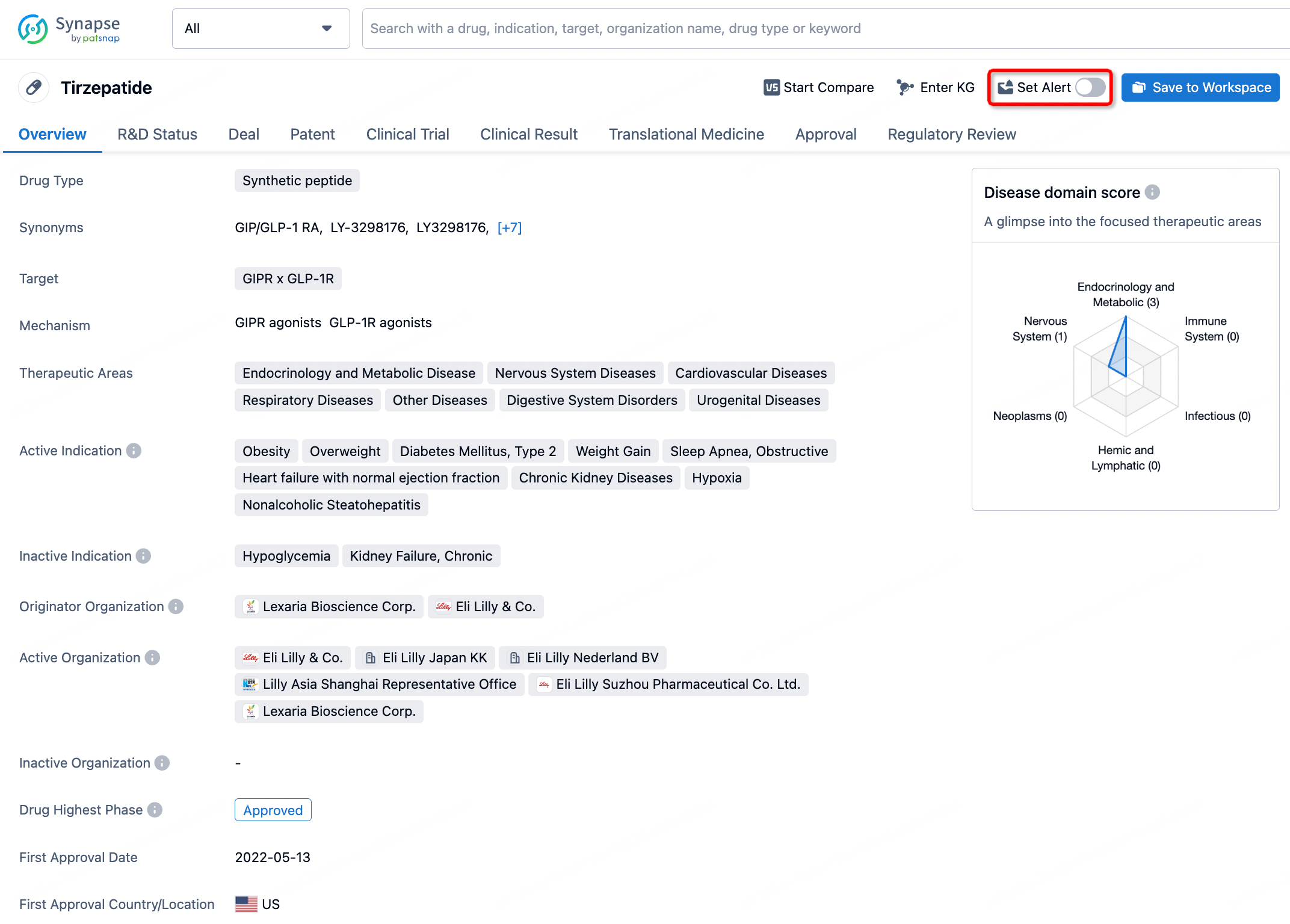
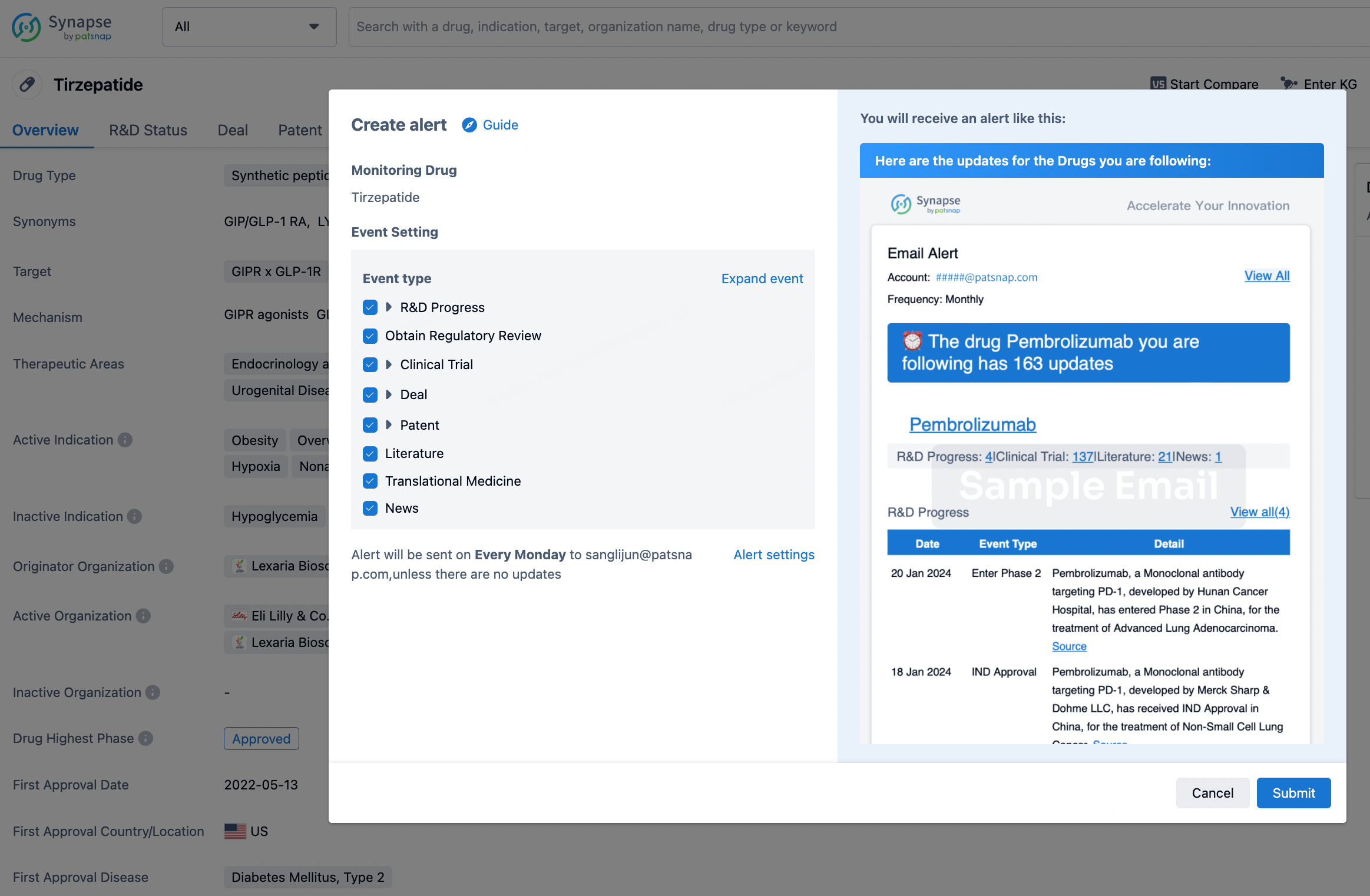
In the Synapse database, you can stay updated on the latest research and development advances of all drugs. This service is accessible anytime and anywhere, with updates available daily or weekly. Use the "Set Alert" function to stay informed. Click on the image below to embark on a brand new journey of drug discovery!
AI Agents Built for Biopharma Breakthroughs
Accelerate discovery. Empower decisions. Transform outcomes.
Get started for free today!
Accelerate Strategic R&D decision making with Synapse, PatSnap’s AI-powered Connected Innovation Intelligence Platform Built for Life Sciences Professionals.
Start your data trial now!
Synapse data is also accessible to external entities via APIs or data packages. Empower better decisions with the latest in pharmaceutical intelligence.