Request Demo
What is Eseridine Salicylate used for?
15 June 2024
Eseridine Salicylate is a relatively novel pharmaceutical compound that has been generating interest in the medical community for its potential therapeutic benefits. Known by its trade names such as Serisal and Saliodine, Eseridine Salicylate is being researched extensively across various medical and pharmacological institutions worldwide. This compound falls under the category of anti-inflammatory and analgesic drugs, indicating its primary use in treating pain and inflammation.
Currently, Eseridine Salicylate is being investigated for its efficacy in various indications, including chronic pain conditions, osteoarthritis, and rheumatoid arthritis. Preliminary studies have shown promising results, setting the stage for more extensive clinical trials. Research institutions are particularly interested in its dual-action mechanism, which could offer relief from both inflammation and pain, a combination that is often challenging to achieve with existing medications. While Eseridine Salicylate is still under investigation, the early data suggests that it could become an important addition to the pharmaceutical arsenal against pain and inflammation.
The mechanism of action of Eseridine Salicylate is multifaceted, making it a unique compound in the realm of anti-inflammatory and analgesic drugs. At its core, Eseridine Salicylate works by inhibiting the cyclooxygenase (COX) enzymes, specifically COX-1 and COX-2. These enzymes play a crucial role in the biosynthesis of prostaglandins, lipid compounds that contribute to inflammation, pain, and fever. By inhibiting these enzymes, Eseridine Salicylate effectively reduces the production of prostaglandins, thereby alleviating inflammation and pain.
In addition to its COX-inhibiting properties, Eseridine Salicylate has been found to modulate the activity of certain neurotransmitters in the central nervous system. This dual-action mechanism not only helps in reducing physical symptoms of inflammation but also alleviates the sensation of pain, providing a comprehensive treatment approach. Unlike some other NSAIDs (non-steroidal anti-inflammatory drugs), Eseridine Salicylate has a more balanced inhibition of COX-1 and COX-2, potentially offering a reduced risk of gastrointestinal side effects commonly associated with prolonged NSAID use.
Eseridine Salicylate can be administered through various methods, depending on the specific needs and conditions of the patient. The most common form of administration is oral, usually in the form of tablets or capsules. The standard dosage may vary, but it is generally recommended to take the medication with food to minimize gastrointestinal discomfort. For patients who may have difficulty swallowing pills, a liquid suspension form is also available.
The onset time for Eseridine Salicylate can vary depending on the method of administration and the individual patient's metabolism. Typically, patients can expect to feel relief within 30 minutes to an hour after oral administration. For more severe conditions requiring immediate relief, intravenous or intramuscular injections may be employed, offering a quicker onset of action, usually within 15 to 30 minutes.
It is essential to follow the prescribed dosage and administration guidelines closely to maximize the drug's efficacy and minimize potential side effects. Patients are advised to consult their healthcare provider for personalized dosage recommendations and to discuss any underlying conditions that may affect the drug's performance.
While Eseridine Salicylate offers significant therapeutic benefits, it is not without potential side effects. Commonly reported side effects include gastrointestinal issues such as nausea, vomiting, and abdominal pain. These can often be mitigated by taking the medication with food and following the prescribed dosage. More severe side effects, although less common, may include gastrointestinal bleeding, ulcers, and kidney or liver dysfunction. Patients experiencing any of these symptoms should seek medical attention immediately.
Contraindications for Eseridine Salicylate include patients with a known hypersensitivity to salicylates or NSAIDs, those with active gastrointestinal bleeding or peptic ulcer disease, and individuals with severe renal or hepatic impairment. Pregnant and breastfeeding women should consult their healthcare provider before using Eseridine Salicylate, as the drug's safety in these populations has not been fully established.
Patients with a history of cardiovascular disease should also use Eseridine Salicylate with caution, as NSAIDs have been associated with an increased risk of heart attack and stroke, particularly with long-term use. Regular monitoring by a healthcare provider is recommended to manage any potential risks effectively.
Drug interactions are an important consideration when using Eseridine Salicylate, as they can affect the drug's efficacy and safety. Patients should inform their healthcare provider of all medications they are currently taking, including over-the-counter drugs, supplements, and herbal remedies. Certain medications can interact with Eseridine Salicylate, potentially leading to adverse effects or reduced therapeutic benefits.
For instance, anticoagulants such as warfarin and antiplatelet agents like aspirin can increase the risk of bleeding when taken with Eseridine Salicylate. Similarly, concurrent use with other NSAIDs or corticosteroids can elevate the risk of gastrointestinal ulcers and bleeding. Patients on antihypertensive medications such as ACE inhibitors or diuretics should also use caution, as Eseridine Salicylate may reduce the effectiveness of these drugs, potentially leading to elevated blood pressure.
Additionally, certain medications used to manage mental health conditions, such as selective serotonin reuptake inhibitors (SSRIs), may interact with Eseridine Salicylate, increasing the risk of bleeding. It is crucial for patients to have an open and honest discussion with their healthcare provider to ensure safe and effective use of Eseridine Salicylate, taking into account all potential drug interactions.
In summary, Eseridine Salicylate is a promising pharmaceutical compound with significant potential in the treatment of pain and inflammation. Its unique mechanism of action, combined with its various administration methods, offers a versatile and effective option for patients. However, as with any medication, it is essential to be aware of potential side effects, contraindications, and drug interactions to ensure safe and effective use. Continued research and clinical trials will further elucidate the full potential of Eseridine Salicylate, potentially making it a valuable addition to the therapeutic options available for managing pain and inflammation.
Currently, Eseridine Salicylate is being investigated for its efficacy in various indications, including chronic pain conditions, osteoarthritis, and rheumatoid arthritis. Preliminary studies have shown promising results, setting the stage for more extensive clinical trials. Research institutions are particularly interested in its dual-action mechanism, which could offer relief from both inflammation and pain, a combination that is often challenging to achieve with existing medications. While Eseridine Salicylate is still under investigation, the early data suggests that it could become an important addition to the pharmaceutical arsenal against pain and inflammation.
The mechanism of action of Eseridine Salicylate is multifaceted, making it a unique compound in the realm of anti-inflammatory and analgesic drugs. At its core, Eseridine Salicylate works by inhibiting the cyclooxygenase (COX) enzymes, specifically COX-1 and COX-2. These enzymes play a crucial role in the biosynthesis of prostaglandins, lipid compounds that contribute to inflammation, pain, and fever. By inhibiting these enzymes, Eseridine Salicylate effectively reduces the production of prostaglandins, thereby alleviating inflammation and pain.
In addition to its COX-inhibiting properties, Eseridine Salicylate has been found to modulate the activity of certain neurotransmitters in the central nervous system. This dual-action mechanism not only helps in reducing physical symptoms of inflammation but also alleviates the sensation of pain, providing a comprehensive treatment approach. Unlike some other NSAIDs (non-steroidal anti-inflammatory drugs), Eseridine Salicylate has a more balanced inhibition of COX-1 and COX-2, potentially offering a reduced risk of gastrointestinal side effects commonly associated with prolonged NSAID use.
Eseridine Salicylate can be administered through various methods, depending on the specific needs and conditions of the patient. The most common form of administration is oral, usually in the form of tablets or capsules. The standard dosage may vary, but it is generally recommended to take the medication with food to minimize gastrointestinal discomfort. For patients who may have difficulty swallowing pills, a liquid suspension form is also available.
The onset time for Eseridine Salicylate can vary depending on the method of administration and the individual patient's metabolism. Typically, patients can expect to feel relief within 30 minutes to an hour after oral administration. For more severe conditions requiring immediate relief, intravenous or intramuscular injections may be employed, offering a quicker onset of action, usually within 15 to 30 minutes.
It is essential to follow the prescribed dosage and administration guidelines closely to maximize the drug's efficacy and minimize potential side effects. Patients are advised to consult their healthcare provider for personalized dosage recommendations and to discuss any underlying conditions that may affect the drug's performance.
While Eseridine Salicylate offers significant therapeutic benefits, it is not without potential side effects. Commonly reported side effects include gastrointestinal issues such as nausea, vomiting, and abdominal pain. These can often be mitigated by taking the medication with food and following the prescribed dosage. More severe side effects, although less common, may include gastrointestinal bleeding, ulcers, and kidney or liver dysfunction. Patients experiencing any of these symptoms should seek medical attention immediately.
Contraindications for Eseridine Salicylate include patients with a known hypersensitivity to salicylates or NSAIDs, those with active gastrointestinal bleeding or peptic ulcer disease, and individuals with severe renal or hepatic impairment. Pregnant and breastfeeding women should consult their healthcare provider before using Eseridine Salicylate, as the drug's safety in these populations has not been fully established.
Patients with a history of cardiovascular disease should also use Eseridine Salicylate with caution, as NSAIDs have been associated with an increased risk of heart attack and stroke, particularly with long-term use. Regular monitoring by a healthcare provider is recommended to manage any potential risks effectively.
Drug interactions are an important consideration when using Eseridine Salicylate, as they can affect the drug's efficacy and safety. Patients should inform their healthcare provider of all medications they are currently taking, including over-the-counter drugs, supplements, and herbal remedies. Certain medications can interact with Eseridine Salicylate, potentially leading to adverse effects or reduced therapeutic benefits.
For instance, anticoagulants such as warfarin and antiplatelet agents like aspirin can increase the risk of bleeding when taken with Eseridine Salicylate. Similarly, concurrent use with other NSAIDs or corticosteroids can elevate the risk of gastrointestinal ulcers and bleeding. Patients on antihypertensive medications such as ACE inhibitors or diuretics should also use caution, as Eseridine Salicylate may reduce the effectiveness of these drugs, potentially leading to elevated blood pressure.
Additionally, certain medications used to manage mental health conditions, such as selective serotonin reuptake inhibitors (SSRIs), may interact with Eseridine Salicylate, increasing the risk of bleeding. It is crucial for patients to have an open and honest discussion with their healthcare provider to ensure safe and effective use of Eseridine Salicylate, taking into account all potential drug interactions.
In summary, Eseridine Salicylate is a promising pharmaceutical compound with significant potential in the treatment of pain and inflammation. Its unique mechanism of action, combined with its various administration methods, offers a versatile and effective option for patients. However, as with any medication, it is essential to be aware of potential side effects, contraindications, and drug interactions to ensure safe and effective use. Continued research and clinical trials will further elucidate the full potential of Eseridine Salicylate, potentially making it a valuable addition to the therapeutic options available for managing pain and inflammation.
How to obtain the latest development progress of all drugs?
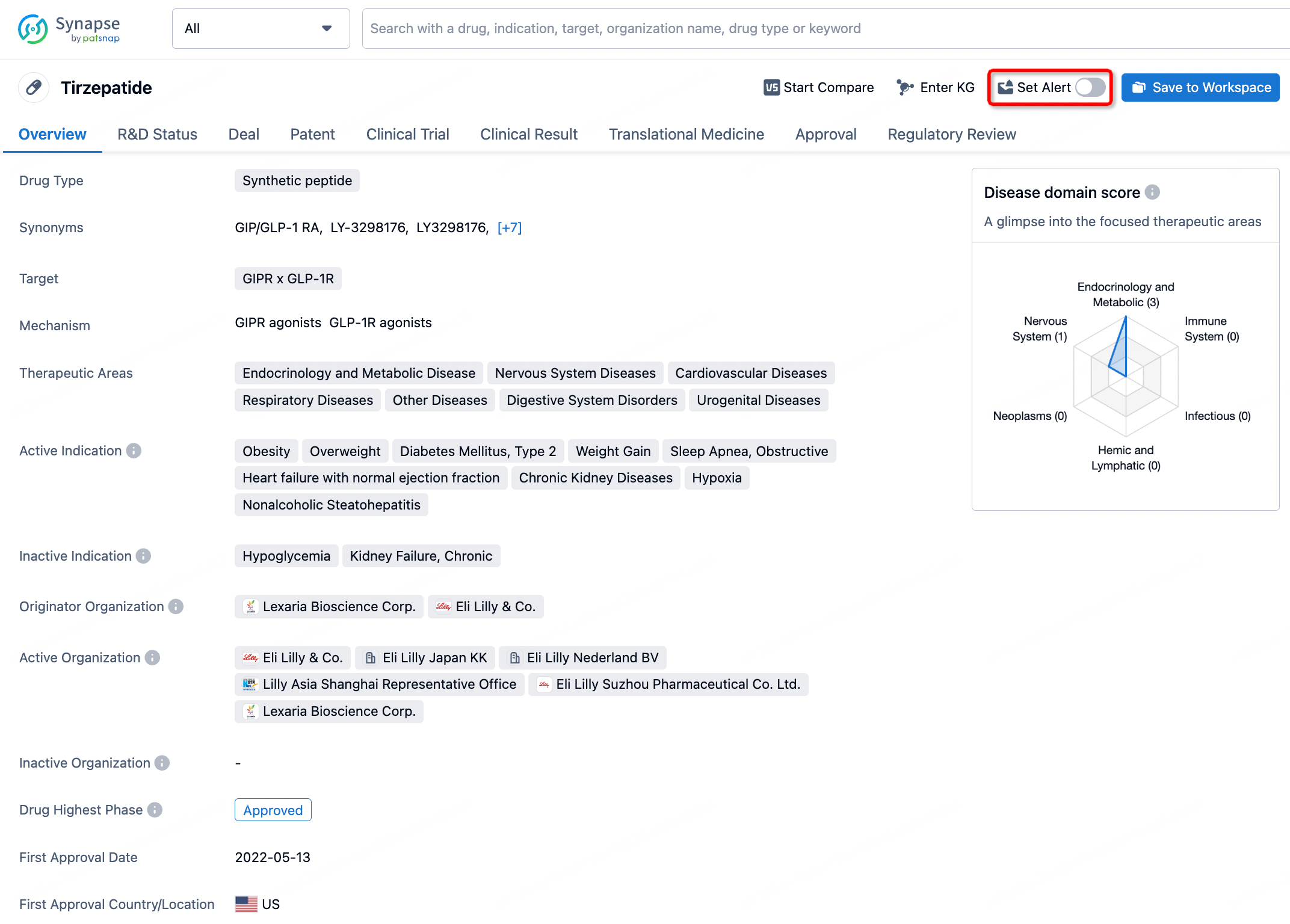
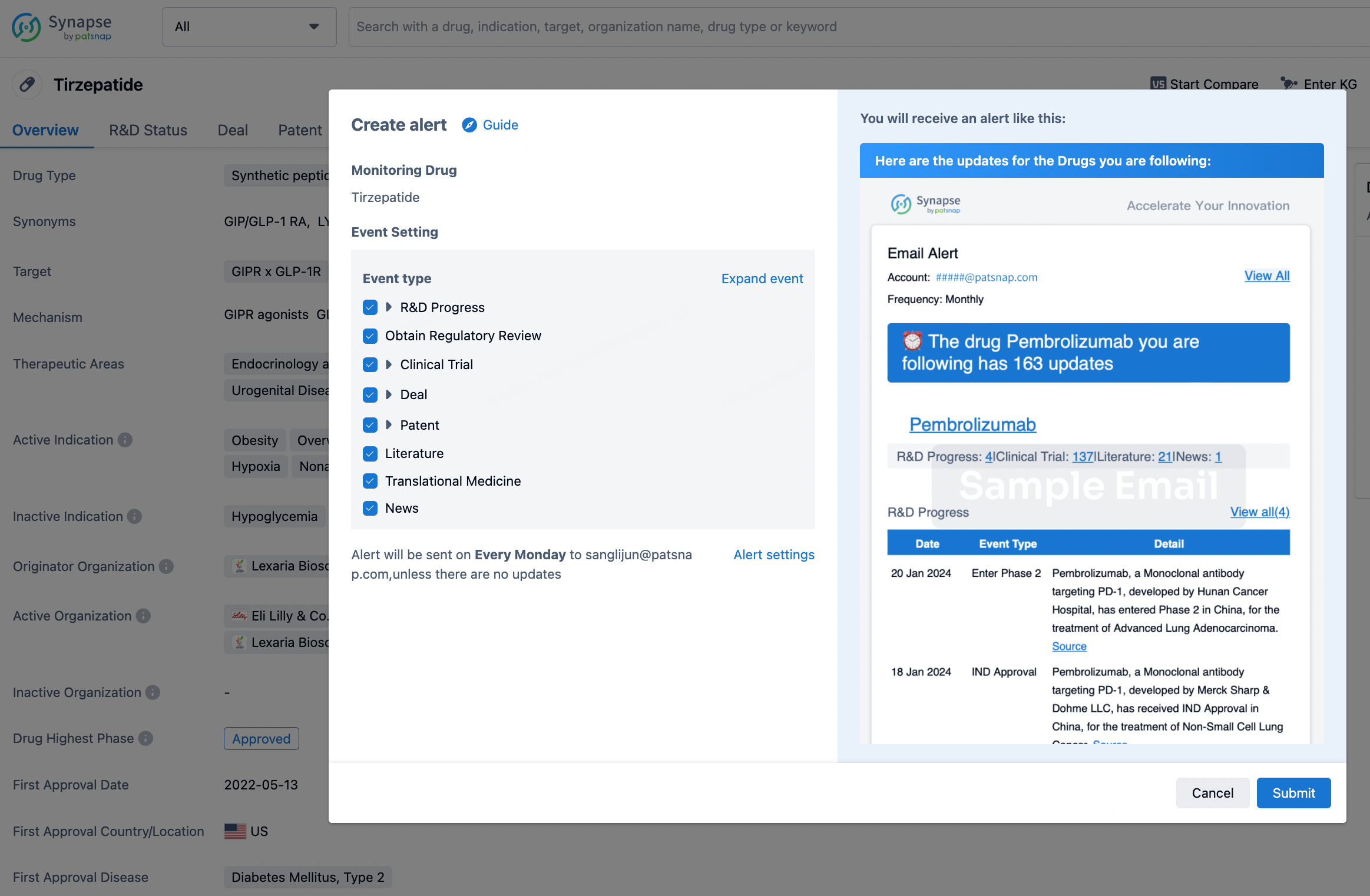
In the Synapse database, you can stay updated on the latest research and development advances of all drugs. This service is accessible anytime and anywhere, with updates available daily or weekly. Use the "Set Alert" function to stay informed. Click on the image below to embark on a brand new journey of drug discovery!

AI Agents Built for Biopharma Breakthroughs
Accelerate discovery. Empower decisions. Transform outcomes.
Get started for free today!
Accelerate Strategic R&D decision making with Synapse, PatSnap’s AI-powered Connected Innovation Intelligence Platform Built for Life Sciences Professionals.
Start your data trial now!
Synapse data is also accessible to external entities via APIs or data packages. Empower better decisions with the latest in pharmaceutical intelligence.