Request Demo
What is Levonorgestrel used for?
14 June 2024
Levonorgestrel is a synthetic hormone widely used for various reproductive health purposes. Often recognized by its trade names such as Plan B, Mirena, and Norplant, levonorgestrel is a key component in emergency contraception and long-term birth control methods. Initially researched and developed in the early 1960s, levonorgestrel has been extensively studied by numerous institutions, including the World Health Organization (WHO) and other prominent pharmacological research entities. It is classified as a progestin, a type of synthetic progestogen, and is indicated for emergency contraception to prevent pregnancy and as a long-acting contraceptive in intrauterine devices (IUDs) and subdermal implants. Over the decades, levonorgestrel has proven to be a reliable and effective option for millions of individuals worldwide seeking to manage their reproductive health.
Levonorgestrel works primarily by preventing ovulation. By inhibiting the release of an egg from the ovary, it reduces the chances of fertilization. Additionally, levonorgestrel thickens the cervical mucus, making it more difficult for sperm to travel and reach any eggs that might have already been released. This dual-action approach ensures a higher efficacy in preventing pregnancy. In the context of an IUD, levonorgestrel also alters the lining of the uterus, making it less suitable for a fertilized egg to implant and grow. The hormone's mechanism of action is well-documented and has been validated through numerous studies, reinforcing its status as a cornerstone in contraceptive medicine.
Levonorgestrel can be administered in several ways, depending on the intended use. For emergency contraception, it is available in the form of oral tablets, typically taken as a single dose of 1.5 mg or two doses of 0.75 mg taken 12 hours apart. These tablets are most effective when taken within 72 hours of unprotected intercourse, with efficacy decreasing the longer you wait. The onset of action is relatively quick, as levonorgestrel is rapidly absorbed and reaches peak plasma levels within a few hours.
For long-term contraception, levonorgestrel is available in the form of intrauterine devices (IUDs) and subdermal implants. The Mirena IUD, for instance, releases a small amount of levonorgestrel directly into the uterus over a period of up to five years. The onset of contraceptive action is immediate for IUDs if inserted within the first seven days of the menstrual cycle; otherwise, an additional contraceptive method is recommended for the first seven days post-insertion. Subdermal implants, like Norplant and its successors, release levonorgestrel steadily over an extended period, typically up to five years, providing long-term contraception.
Like all medications, levonorgestrel comes with a range of potential side effects. Common side effects include nausea, fatigue, headache, dizziness, breast tenderness, and changes in menstrual bleeding patterns. Some individuals may experience more severe side effects such as severe abdominal pain, heavy menstrual bleeding, or signs of an allergic reaction like rash, itching, or swelling, which require immediate medical attention.
There are also several contraindications for the use of levonorgestrel. It is not recommended for individuals with a known hypersensitivity to the drug or any of its components. People with a history of thromboembolic disorders, liver disease, or breast cancer should avoid using levonorgestrel as well. It is crucial to consult with a healthcare provider before starting any form of levonorgestrel to ensure it is safe based on individual health conditions and risk factors.
Other medications and substances can potentially interact with levonorgestrel, altering its efficacy or increasing the risk of adverse effects. Certain enzyme-inducing drugs, such as rifampin, phenytoin, and carbamazepine, can decrease the effectiveness of levonorgestrel by accelerating its metabolism. St. John’s Wort, a popular herbal supplement, may also reduce the drug’s effectiveness when used concurrently. On the other hand, some medications might increase plasma concentrations of levonorgestrel, potentially heightening the risk of side effects.
It is vital for individuals using levonorgestrel to inform their healthcare providers of all medications, supplements, and herbal products they are taking to avoid potential interactions. Continuous research and vigilance in monitoring drug interactions ensure the safe and effective use of levonorgestrel in various contraceptive methods.
In summary, levonorgestrel is a versatile and widely used synthetic hormone in the realm of reproductive health, offering effective solutions for emergency and long-term contraception. Understanding its mechanisms, appropriate usage, potential side effects, and interactions with other drugs can significantly enhance its efficacy and safety for users worldwide. As research continues to evolve, levonorgestrel remains a pivotal option, empowering individuals to make informed choices about their contraceptive needs.
Levonorgestrel works primarily by preventing ovulation. By inhibiting the release of an egg from the ovary, it reduces the chances of fertilization. Additionally, levonorgestrel thickens the cervical mucus, making it more difficult for sperm to travel and reach any eggs that might have already been released. This dual-action approach ensures a higher efficacy in preventing pregnancy. In the context of an IUD, levonorgestrel also alters the lining of the uterus, making it less suitable for a fertilized egg to implant and grow. The hormone's mechanism of action is well-documented and has been validated through numerous studies, reinforcing its status as a cornerstone in contraceptive medicine.
Levonorgestrel can be administered in several ways, depending on the intended use. For emergency contraception, it is available in the form of oral tablets, typically taken as a single dose of 1.5 mg or two doses of 0.75 mg taken 12 hours apart. These tablets are most effective when taken within 72 hours of unprotected intercourse, with efficacy decreasing the longer you wait. The onset of action is relatively quick, as levonorgestrel is rapidly absorbed and reaches peak plasma levels within a few hours.
For long-term contraception, levonorgestrel is available in the form of intrauterine devices (IUDs) and subdermal implants. The Mirena IUD, for instance, releases a small amount of levonorgestrel directly into the uterus over a period of up to five years. The onset of contraceptive action is immediate for IUDs if inserted within the first seven days of the menstrual cycle; otherwise, an additional contraceptive method is recommended for the first seven days post-insertion. Subdermal implants, like Norplant and its successors, release levonorgestrel steadily over an extended period, typically up to five years, providing long-term contraception.
Like all medications, levonorgestrel comes with a range of potential side effects. Common side effects include nausea, fatigue, headache, dizziness, breast tenderness, and changes in menstrual bleeding patterns. Some individuals may experience more severe side effects such as severe abdominal pain, heavy menstrual bleeding, or signs of an allergic reaction like rash, itching, or swelling, which require immediate medical attention.
There are also several contraindications for the use of levonorgestrel. It is not recommended for individuals with a known hypersensitivity to the drug or any of its components. People with a history of thromboembolic disorders, liver disease, or breast cancer should avoid using levonorgestrel as well. It is crucial to consult with a healthcare provider before starting any form of levonorgestrel to ensure it is safe based on individual health conditions and risk factors.
Other medications and substances can potentially interact with levonorgestrel, altering its efficacy or increasing the risk of adverse effects. Certain enzyme-inducing drugs, such as rifampin, phenytoin, and carbamazepine, can decrease the effectiveness of levonorgestrel by accelerating its metabolism. St. John’s Wort, a popular herbal supplement, may also reduce the drug’s effectiveness when used concurrently. On the other hand, some medications might increase plasma concentrations of levonorgestrel, potentially heightening the risk of side effects.
It is vital for individuals using levonorgestrel to inform their healthcare providers of all medications, supplements, and herbal products they are taking to avoid potential interactions. Continuous research and vigilance in monitoring drug interactions ensure the safe and effective use of levonorgestrel in various contraceptive methods.
In summary, levonorgestrel is a versatile and widely used synthetic hormone in the realm of reproductive health, offering effective solutions for emergency and long-term contraception. Understanding its mechanisms, appropriate usage, potential side effects, and interactions with other drugs can significantly enhance its efficacy and safety for users worldwide. As research continues to evolve, levonorgestrel remains a pivotal option, empowering individuals to make informed choices about their contraceptive needs.
How to obtain the latest development progress of all drugs?
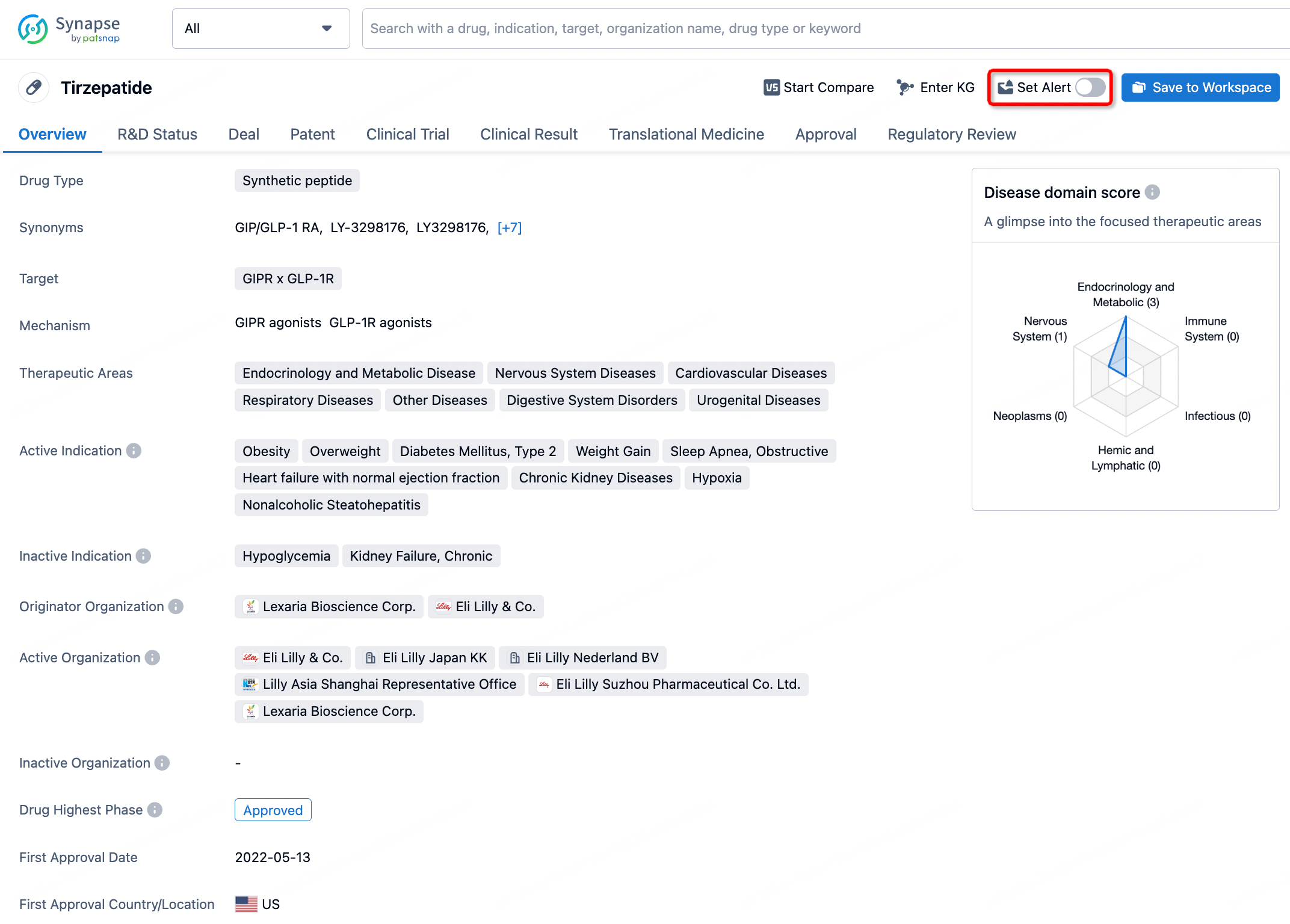
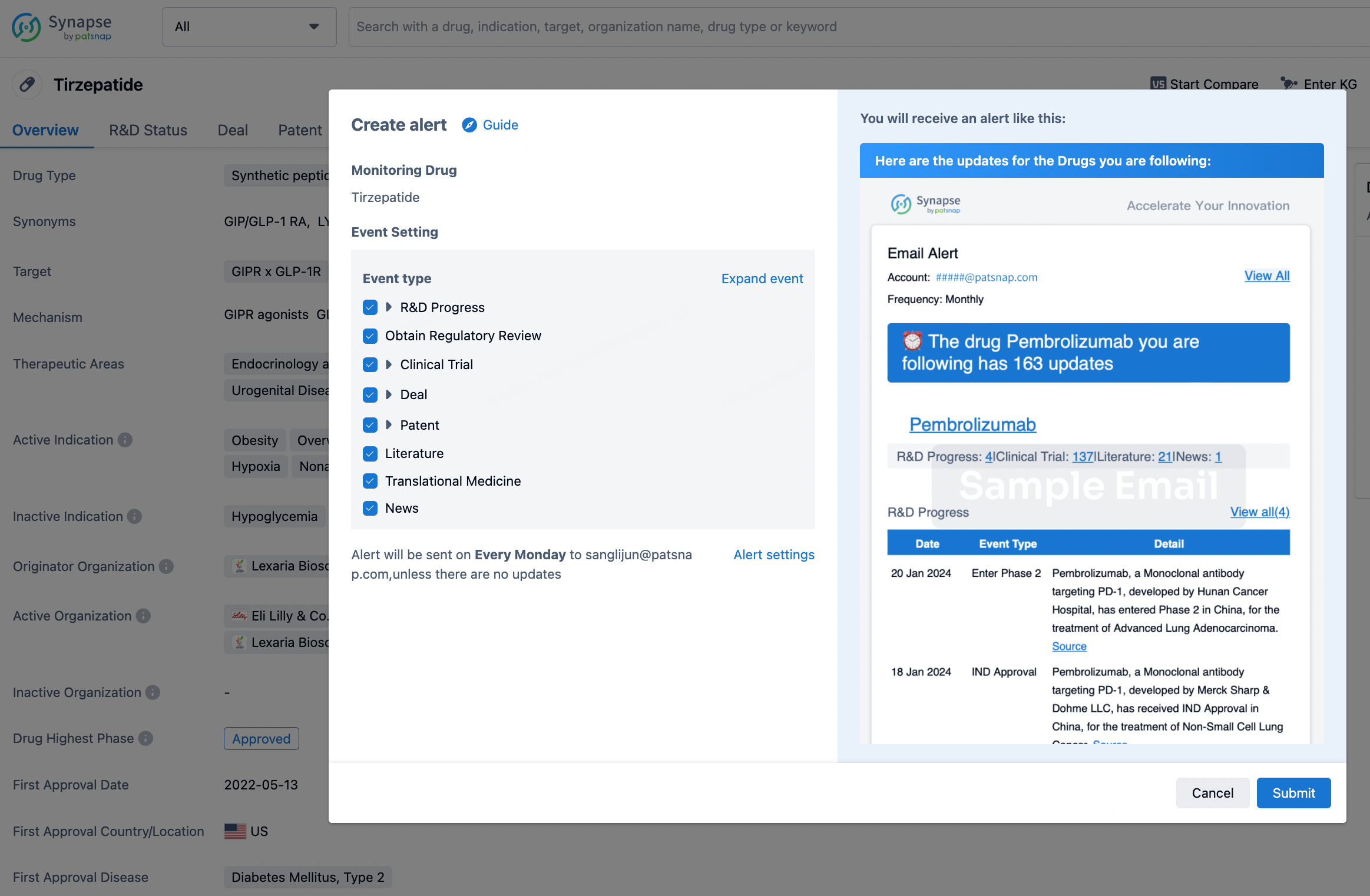
In the Synapse database, you can stay updated on the latest research and development advances of all drugs. This service is accessible anytime and anywhere, with updates available daily or weekly. Use the "Set Alert" function to stay informed. Click on the image below to embark on a brand new journey of drug discovery!

AI Agents Built for Biopharma Breakthroughs
Accelerate discovery. Empower decisions. Transform outcomes.
Get started for free today!
Accelerate Strategic R&D decision making with Synapse, PatSnap’s AI-powered Connected Innovation Intelligence Platform Built for Life Sciences Professionals.
Start your data trial now!
Synapse data is also accessible to external entities via APIs or data packages. Empower better decisions with the latest in pharmaceutical intelligence.