Request Demo
What is Previdersin used for?
14 June 2024
Previdersin: A New Frontier in Antimicrobial Therapy
In recent years, the medical community has witnessed the emergence of a new drug that promises to revolutionize antimicrobial therapy: Previdersin. This novel medication, currently under research and development, aims to address the growing concern of antibiotic resistance. Previdersin is the trade name for a groundbreaking antimicrobial agent, targeting a broad spectrum of pathogenic bacteria. The development of Previdersin is spearheaded by a consortium of leading research institutions, including the National Institute of Health (NIH) and several top-tier pharmaceutical companies.
Unlike traditional antibiotics, Previdersin belongs to a new class of drugs known as bacteriophage-derived lysins. These lysins are enzymes derived from bacteriophages, viruses that specifically infect bacteria. The indications for Previdersin primarily include severe bacterial infections that are resistant to conventional antibiotics, such as methicillin-resistant Staphylococcus aureus (MRSA) and multi-drug-resistant Pseudomonas aeruginosa. As of now, Previdersin is in the late stages of clinical trials, showing promising results in terms of efficacy and safety.
Previdersin Mechanism of Action
The mechanism of action of Previdersin is both innovative and highly specific. Traditional antibiotics typically work by disrupting bacterial cell wall synthesis, protein synthesis, or DNA replication. However, bacteria have evolved various mechanisms to resist these actions. Previdersin, on the other hand, employs a unique approach by utilizing bacteriophage-derived lysins to target and degrade the bacterial cell wall.
Lysins recognize specific peptidoglycan bonds within the bacterial cell wall and cleave them, leading to rapid bacterial cell lysis and death. This mechanism is highly specific to bacteria and does not affect human cells, which lack peptidoglycans. Additionally, the specificity of lysins means that they can be tailored to target specific bacterial strains, reducing the risk of off-target effects and preserving the beneficial microbiota.
Furthermore, the use of bacteriophage-derived lysins helps in overcoming antibiotic resistance. Since lysins target a structural component of the bacterial cell wall that is less prone to mutations, the likelihood of bacteria developing resistance to Previdersin is significantly lower compared to traditional antibiotics. This novel mechanism of action positions Previdersin as a potent weapon in the fight against antibiotic-resistant infections.
How to Use Previdersin
Previdersin is available in various forms to cater to different types of infections and patient needs. The most common form is an intravenous (IV) infusion, which is typically administered in a hospital setting for severe and life-threatening infections. The onset of action for IV Previdersin is rapid, often within hours, allowing for quick alleviation of symptoms and reduction of bacterial load.
For less severe infections, Previdersin is also being developed as an intramuscular (IM) injection and an oral tablet. The IM injection provides a slower, sustained release of the medication, making it suitable for outpatient treatment. The oral tablet form is designed for ease of administration and is particularly useful for long-term therapy in managing chronic infections.
The dosing regimen for Previdersin varies depending on the severity and type of infection, as well as the patient's overall health status. Typically, the IV form is administered every 8-12 hours for severe infections, while the IM injection and oral tablet are usually given once or twice daily. It is crucial to follow the prescribed dosing schedule to ensure optimal effectiveness and prevent the development of resistance.
What is Previdersin Side Effects
Like all medications, Previdersin is not without its side effects. However, clinical trials have shown that Previdersin is generally well-tolerated, with most side effects being mild to moderate in nature. Common side effects include injection site reactions (such as pain, redness, and swelling), gastrointestinal disturbances (such as nausea, vomiting, and diarrhea), and mild allergic reactions (such as rash and itching).
More severe side effects are rare but can occur. These may include severe allergic reactions (anaphylaxis), kidney or liver dysfunction, and changes in blood cell counts. Patients with a history of severe allergies or those with pre-existing kidney or liver conditions should use Previdersin with caution and under close medical supervision.
Contraindications for Previdersin include known hypersensitivity to bacteriophage-derived lysins or any component of the formulation. Additionally, Previdersin is not recommended for use in pregnant or breastfeeding women unless the potential benefits outweigh the risks, as there is limited data on its safety in these populations.
What Other Drugs Will Affect Previdersin
Drug interactions are an important consideration when prescribing any medication, and Previdersin is no exception. Several classes of drugs may interact with Previdersin, potentially altering its effectiveness or increasing the risk of side effects.
Firstly, concurrent use of other antibiotics, particularly those that target similar bacterial strains, may enhance the bactericidal effect of Previdersin. However, this could also increase the risk of adverse reactions, so careful monitoring is required.
Secondly, non-steroidal anti-inflammatory drugs (NSAIDs) such as ibuprofen and aspirin may increase the risk of kidney toxicity when used with Previdersin. Patients taking NSAIDs should be closely monitored for signs of kidney dysfunction, and dose adjustments may be necessary.
Thirdly, medications that affect liver enzyme activity, such as certain antifungals (e.g., ketoconazole) and antiretrovirals (e.g., ritonavir), may alter the metabolism of Previdersin, potentially affecting its efficacy and safety. Dose adjustments and close monitoring are recommended when these medications are used concurrently with Previdersin.
Lastly, immunosuppressive drugs, such as corticosteroids and chemotherapy agents, may reduce the body's ability to fight infections. When used with Previdersin, there may be an increased risk of secondary infections or delayed healing. Patients on immunosuppressive therapy should be carefully monitored, and prophylactic measures may be considered.
In conclusion, Previdersin represents a significant advancement in antimicrobial therapy, offering a novel mechanism of action that addresses the pressing issue of antibiotic resistance. While generally well-tolerated, it is important to be aware of potential side effects and drug interactions. As research continues and more data becomes available, Previdersin has the potential to become a cornerstone in the treatment of resistant bacterial infections, providing new hope for patients and healthcare providers alike.
In recent years, the medical community has witnessed the emergence of a new drug that promises to revolutionize antimicrobial therapy: Previdersin. This novel medication, currently under research and development, aims to address the growing concern of antibiotic resistance. Previdersin is the trade name for a groundbreaking antimicrobial agent, targeting a broad spectrum of pathogenic bacteria. The development of Previdersin is spearheaded by a consortium of leading research institutions, including the National Institute of Health (NIH) and several top-tier pharmaceutical companies.
Unlike traditional antibiotics, Previdersin belongs to a new class of drugs known as bacteriophage-derived lysins. These lysins are enzymes derived from bacteriophages, viruses that specifically infect bacteria. The indications for Previdersin primarily include severe bacterial infections that are resistant to conventional antibiotics, such as methicillin-resistant Staphylococcus aureus (MRSA) and multi-drug-resistant Pseudomonas aeruginosa. As of now, Previdersin is in the late stages of clinical trials, showing promising results in terms of efficacy and safety.
Previdersin Mechanism of Action
The mechanism of action of Previdersin is both innovative and highly specific. Traditional antibiotics typically work by disrupting bacterial cell wall synthesis, protein synthesis, or DNA replication. However, bacteria have evolved various mechanisms to resist these actions. Previdersin, on the other hand, employs a unique approach by utilizing bacteriophage-derived lysins to target and degrade the bacterial cell wall.
Lysins recognize specific peptidoglycan bonds within the bacterial cell wall and cleave them, leading to rapid bacterial cell lysis and death. This mechanism is highly specific to bacteria and does not affect human cells, which lack peptidoglycans. Additionally, the specificity of lysins means that they can be tailored to target specific bacterial strains, reducing the risk of off-target effects and preserving the beneficial microbiota.
Furthermore, the use of bacteriophage-derived lysins helps in overcoming antibiotic resistance. Since lysins target a structural component of the bacterial cell wall that is less prone to mutations, the likelihood of bacteria developing resistance to Previdersin is significantly lower compared to traditional antibiotics. This novel mechanism of action positions Previdersin as a potent weapon in the fight against antibiotic-resistant infections.
How to Use Previdersin
Previdersin is available in various forms to cater to different types of infections and patient needs. The most common form is an intravenous (IV) infusion, which is typically administered in a hospital setting for severe and life-threatening infections. The onset of action for IV Previdersin is rapid, often within hours, allowing for quick alleviation of symptoms and reduction of bacterial load.
For less severe infections, Previdersin is also being developed as an intramuscular (IM) injection and an oral tablet. The IM injection provides a slower, sustained release of the medication, making it suitable for outpatient treatment. The oral tablet form is designed for ease of administration and is particularly useful for long-term therapy in managing chronic infections.
The dosing regimen for Previdersin varies depending on the severity and type of infection, as well as the patient's overall health status. Typically, the IV form is administered every 8-12 hours for severe infections, while the IM injection and oral tablet are usually given once or twice daily. It is crucial to follow the prescribed dosing schedule to ensure optimal effectiveness and prevent the development of resistance.
What is Previdersin Side Effects
Like all medications, Previdersin is not without its side effects. However, clinical trials have shown that Previdersin is generally well-tolerated, with most side effects being mild to moderate in nature. Common side effects include injection site reactions (such as pain, redness, and swelling), gastrointestinal disturbances (such as nausea, vomiting, and diarrhea), and mild allergic reactions (such as rash and itching).
More severe side effects are rare but can occur. These may include severe allergic reactions (anaphylaxis), kidney or liver dysfunction, and changes in blood cell counts. Patients with a history of severe allergies or those with pre-existing kidney or liver conditions should use Previdersin with caution and under close medical supervision.
Contraindications for Previdersin include known hypersensitivity to bacteriophage-derived lysins or any component of the formulation. Additionally, Previdersin is not recommended for use in pregnant or breastfeeding women unless the potential benefits outweigh the risks, as there is limited data on its safety in these populations.
What Other Drugs Will Affect Previdersin
Drug interactions are an important consideration when prescribing any medication, and Previdersin is no exception. Several classes of drugs may interact with Previdersin, potentially altering its effectiveness or increasing the risk of side effects.
Firstly, concurrent use of other antibiotics, particularly those that target similar bacterial strains, may enhance the bactericidal effect of Previdersin. However, this could also increase the risk of adverse reactions, so careful monitoring is required.
Secondly, non-steroidal anti-inflammatory drugs (NSAIDs) such as ibuprofen and aspirin may increase the risk of kidney toxicity when used with Previdersin. Patients taking NSAIDs should be closely monitored for signs of kidney dysfunction, and dose adjustments may be necessary.
Thirdly, medications that affect liver enzyme activity, such as certain antifungals (e.g., ketoconazole) and antiretrovirals (e.g., ritonavir), may alter the metabolism of Previdersin, potentially affecting its efficacy and safety. Dose adjustments and close monitoring are recommended when these medications are used concurrently with Previdersin.
Lastly, immunosuppressive drugs, such as corticosteroids and chemotherapy agents, may reduce the body's ability to fight infections. When used with Previdersin, there may be an increased risk of secondary infections or delayed healing. Patients on immunosuppressive therapy should be carefully monitored, and prophylactic measures may be considered.
In conclusion, Previdersin represents a significant advancement in antimicrobial therapy, offering a novel mechanism of action that addresses the pressing issue of antibiotic resistance. While generally well-tolerated, it is important to be aware of potential side effects and drug interactions. As research continues and more data becomes available, Previdersin has the potential to become a cornerstone in the treatment of resistant bacterial infections, providing new hope for patients and healthcare providers alike.
How to obtain the latest development progress of all drugs?
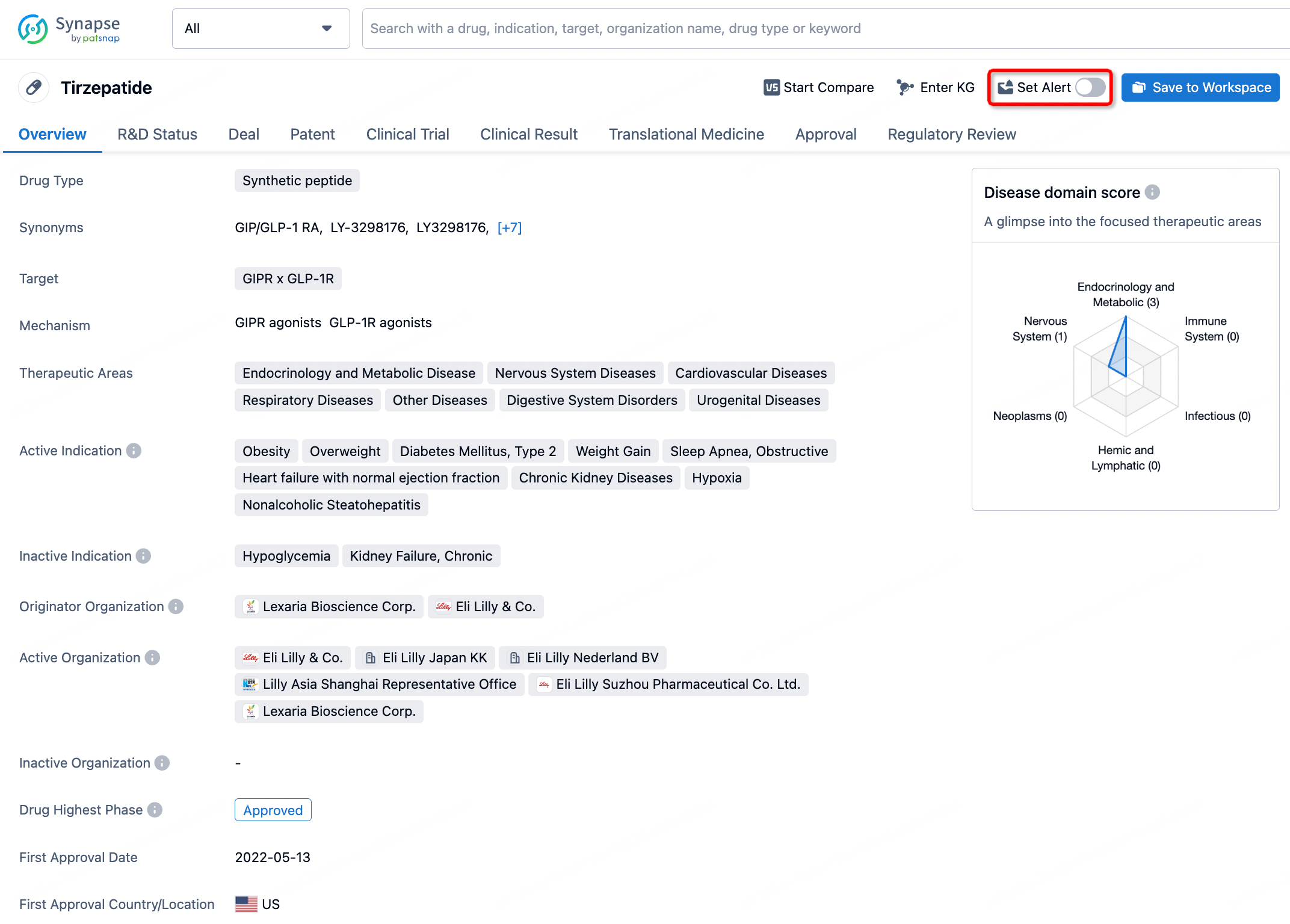
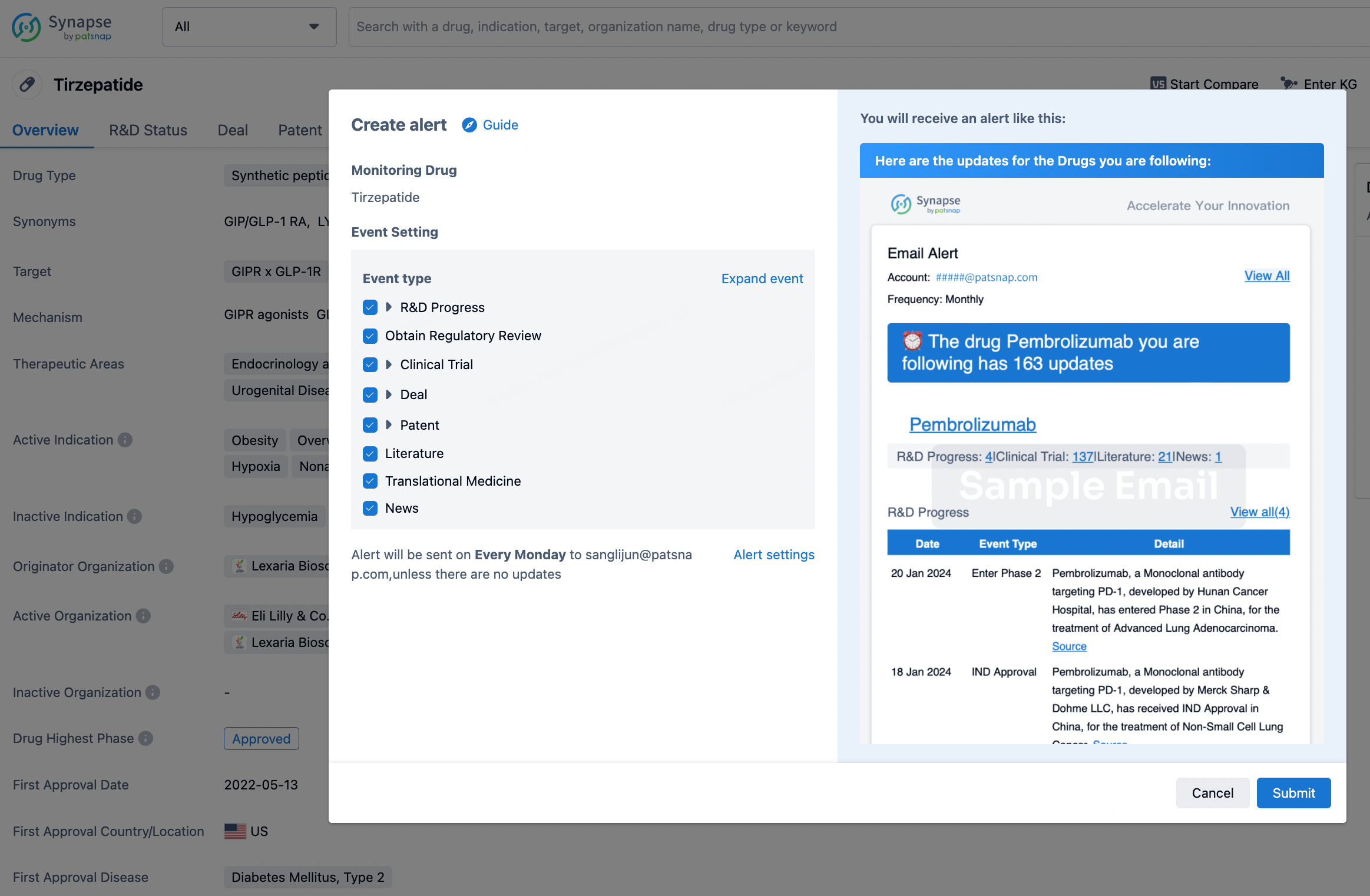
In the Synapse database, you can stay updated on the latest research and development advances of all drugs. This service is accessible anytime and anywhere, with updates available daily or weekly. Use the "Set Alert" function to stay informed. Click on the image below to embark on a brand new journey of drug discovery!

AI Agents Built for Biopharma Breakthroughs
Accelerate discovery. Empower decisions. Transform outcomes.
Get started for free today!
Accelerate Strategic R&D decision making with Synapse, PatSnap’s AI-powered Connected Innovation Intelligence Platform Built for Life Sciences Professionals.
Start your data trial now!
Synapse data is also accessible to external entities via APIs or data packages. Empower better decisions with the latest in pharmaceutical intelligence.