Request Demo
What is Regorafenib used for?
14 June 2024
Regorafenib is a multi-kinase inhibitor that has garnered significant attention in the oncology community. Marketed under the trade name Stivarga, Regorafenib was developed by Bayer Pharmaceuticals. It has been approved for use in several types of cancer, including metastatic colorectal cancer, gastrointestinal stromal tumors (GIST), and hepatocellular carcinoma. The drug is particularly noted for its efficacy in patients who have not responded well to other treatment modalities. Rigorous clinical trials and exhaustive research efforts over the past decade have validated its effectiveness, making it a valuable addition to the oncology pharmacotherapy arsenal.
Regorafenib is classified as a targeted therapy, a type of cancer treatment that specifically attacks cancer cells while minimizing damage to normal cells. Unlike traditional chemotherapy, which can affect both healthy and cancerous cells, Regorafenib zeroes in on specific proteins and enzymes that facilitate the growth and spread of cancer. It is a groundbreaking drug that not only inhibits tumor growth but also impairs the vascularization necessary for tumors to thrive.
The primary targets of Regorafenib include multiple kinases involved in tumor growth and metastasis. Among its many targets, the drug inhibits VEGFR (Vascular Endothelial Growth Factor Receptors), KIT, RET, and PDGFR (Platelet-Derived Growth Factor Receptors). By acting on these receptors, Regorafenib disrupts various cellular pathways essential for tumor angiogenesis, proliferation, and survival. This multi-targeted approach ensures a broader spectrum of activity against various cancer cells, making it effective even in complex cancer types that exhibit multiple oncogenic drivers.
The mechanism of action of Regorafenib revolves around its ability to inhibit multiple protein kinases involved in the growth and maintenance of cancer cells. One of the critical pathways that Regorafenib targets is the angiogenesis pathway. By blocking VEGFR, the drug effectively cuts off the blood supply needed for tumor growth. Angiogenesis is a process that tumors exploit to ensure their survival by forming new blood vessels. Regorafenib's ability to inhibit this process starves the tumor of nutrients and oxygen, leading to its eventual demise.
Another significant pathway affected by Regorafenib is the KIT and RET signaling pathways, which are crucial for cell proliferation and survival. By targeting these pathways, the drug induces apoptosis or programmed cell death, thus reducing tumor load. Additionally, Regorafenib inhibits the PDGFR pathway, which is involved in the formation of the tumor's stromal support. By disrupting these multiple pathways, Regorafenib offers a comprehensive approach to cancer treatment, making it effective against a variety of tumor types.
When it comes to administering Regorafenib, it is typically given in the form of oral tablets. The standard dosing regimen involves taking the medication once daily for three weeks, followed by a one-week break. This cycle is then repeated. The onset time for Regorafenib to exhibit its effects can vary depending on the type of cancer and the individual patient's response. However, most patients begin to see some therapeutic benefits within a few weeks of starting the treatment.
It is crucial to take Regorafenib as prescribed by a healthcare provider. The tablets should be swallowed whole with water, and it is generally recommended to take them after a low-fat meal to enhance absorption. Skipping doses or discontinuing the medication without consulting a healthcare provider can significantly affect its efficacy. Therefore, adherence to the prescribed regimen is vital for achieving the best possible outcomes.
As with any medication, Regorafenib comes with its share of side effects. Common side effects include fatigue, hand-foot skin reaction, diarrhea, and hypertension. These side effects can range from mild to severe and may necessitate dose adjustments or even discontinuation of the drug in extreme cases. More severe but less common side effects include liver toxicity, gastrointestinal perforation, and severe bleeding. Therefore, regular monitoring through blood tests and clinical evaluations is recommended to manage these risks effectively.
Certain contraindications should also be noted. Regorafenib is not advised for patients with known hypersensitivity to the drug or any of its components. Additionally, due to its potential to cause severe liver damage, it is contraindicated in patients with severe hepatic impairment. Pregnant women should avoid Regorafenib as it can harm the fetus. Similarly, nursing mothers are advised against using the drug as it can pass into breast milk and affect the nursing infant.
Drug interactions are another critical aspect to consider when prescribing Regorafenib. Several medications can interact with Regorafenib, potentially altering its effectiveness or increasing the risk of side effects. For example, strong CYP3A4 inhibitors like ketoconazole can increase the plasma concentration of Regorafenib, thereby elevating the risk of toxicity. Conversely, strong CYP3A4 inducers such as rifampin can decrease its plasma concentration, reducing its efficacy.
Other medications that can affect Regorafenib include anticoagulants like warfarin, as the combination can increase the risk of bleeding. Concurrent use of other kinase inhibitors or chemotherapeutic agents can also exacerbate the toxicity profile, necessitating careful consideration and possibly dose adjustments. Additionally, nonsteroidal anti-inflammatory drugs (NSAIDs) can increase the risk of gastrointestinal bleeding when taken alongside Regorafenib.
In summary, Regorafenib represents a significant advancement in the treatment of various types of cancer. Its multi-targeted mechanism of action, combined with its oral administration route, makes it a convenient and effective option for many patients. However, like all potent medications, it comes with its own set of challenges, including side effects and potential drug interactions. Therefore, careful patient selection, regular monitoring, and adherence to prescribed dosing regimens are essential to maximize the therapeutic benefits of Regorafenib while minimizing its risks. As ongoing research continues to explore its full potential, Regorafenib stands as a testament to the progress being made in the fight against cancer.
Regorafenib is classified as a targeted therapy, a type of cancer treatment that specifically attacks cancer cells while minimizing damage to normal cells. Unlike traditional chemotherapy, which can affect both healthy and cancerous cells, Regorafenib zeroes in on specific proteins and enzymes that facilitate the growth and spread of cancer. It is a groundbreaking drug that not only inhibits tumor growth but also impairs the vascularization necessary for tumors to thrive.
The primary targets of Regorafenib include multiple kinases involved in tumor growth and metastasis. Among its many targets, the drug inhibits VEGFR (Vascular Endothelial Growth Factor Receptors), KIT, RET, and PDGFR (Platelet-Derived Growth Factor Receptors). By acting on these receptors, Regorafenib disrupts various cellular pathways essential for tumor angiogenesis, proliferation, and survival. This multi-targeted approach ensures a broader spectrum of activity against various cancer cells, making it effective even in complex cancer types that exhibit multiple oncogenic drivers.
The mechanism of action of Regorafenib revolves around its ability to inhibit multiple protein kinases involved in the growth and maintenance of cancer cells. One of the critical pathways that Regorafenib targets is the angiogenesis pathway. By blocking VEGFR, the drug effectively cuts off the blood supply needed for tumor growth. Angiogenesis is a process that tumors exploit to ensure their survival by forming new blood vessels. Regorafenib's ability to inhibit this process starves the tumor of nutrients and oxygen, leading to its eventual demise.
Another significant pathway affected by Regorafenib is the KIT and RET signaling pathways, which are crucial for cell proliferation and survival. By targeting these pathways, the drug induces apoptosis or programmed cell death, thus reducing tumor load. Additionally, Regorafenib inhibits the PDGFR pathway, which is involved in the formation of the tumor's stromal support. By disrupting these multiple pathways, Regorafenib offers a comprehensive approach to cancer treatment, making it effective against a variety of tumor types.
When it comes to administering Regorafenib, it is typically given in the form of oral tablets. The standard dosing regimen involves taking the medication once daily for three weeks, followed by a one-week break. This cycle is then repeated. The onset time for Regorafenib to exhibit its effects can vary depending on the type of cancer and the individual patient's response. However, most patients begin to see some therapeutic benefits within a few weeks of starting the treatment.
It is crucial to take Regorafenib as prescribed by a healthcare provider. The tablets should be swallowed whole with water, and it is generally recommended to take them after a low-fat meal to enhance absorption. Skipping doses or discontinuing the medication without consulting a healthcare provider can significantly affect its efficacy. Therefore, adherence to the prescribed regimen is vital for achieving the best possible outcomes.
As with any medication, Regorafenib comes with its share of side effects. Common side effects include fatigue, hand-foot skin reaction, diarrhea, and hypertension. These side effects can range from mild to severe and may necessitate dose adjustments or even discontinuation of the drug in extreme cases. More severe but less common side effects include liver toxicity, gastrointestinal perforation, and severe bleeding. Therefore, regular monitoring through blood tests and clinical evaluations is recommended to manage these risks effectively.
Certain contraindications should also be noted. Regorafenib is not advised for patients with known hypersensitivity to the drug or any of its components. Additionally, due to its potential to cause severe liver damage, it is contraindicated in patients with severe hepatic impairment. Pregnant women should avoid Regorafenib as it can harm the fetus. Similarly, nursing mothers are advised against using the drug as it can pass into breast milk and affect the nursing infant.
Drug interactions are another critical aspect to consider when prescribing Regorafenib. Several medications can interact with Regorafenib, potentially altering its effectiveness or increasing the risk of side effects. For example, strong CYP3A4 inhibitors like ketoconazole can increase the plasma concentration of Regorafenib, thereby elevating the risk of toxicity. Conversely, strong CYP3A4 inducers such as rifampin can decrease its plasma concentration, reducing its efficacy.
Other medications that can affect Regorafenib include anticoagulants like warfarin, as the combination can increase the risk of bleeding. Concurrent use of other kinase inhibitors or chemotherapeutic agents can also exacerbate the toxicity profile, necessitating careful consideration and possibly dose adjustments. Additionally, nonsteroidal anti-inflammatory drugs (NSAIDs) can increase the risk of gastrointestinal bleeding when taken alongside Regorafenib.
In summary, Regorafenib represents a significant advancement in the treatment of various types of cancer. Its multi-targeted mechanism of action, combined with its oral administration route, makes it a convenient and effective option for many patients. However, like all potent medications, it comes with its own set of challenges, including side effects and potential drug interactions. Therefore, careful patient selection, regular monitoring, and adherence to prescribed dosing regimens are essential to maximize the therapeutic benefits of Regorafenib while minimizing its risks. As ongoing research continues to explore its full potential, Regorafenib stands as a testament to the progress being made in the fight against cancer.
How to obtain the latest development progress of all drugs?
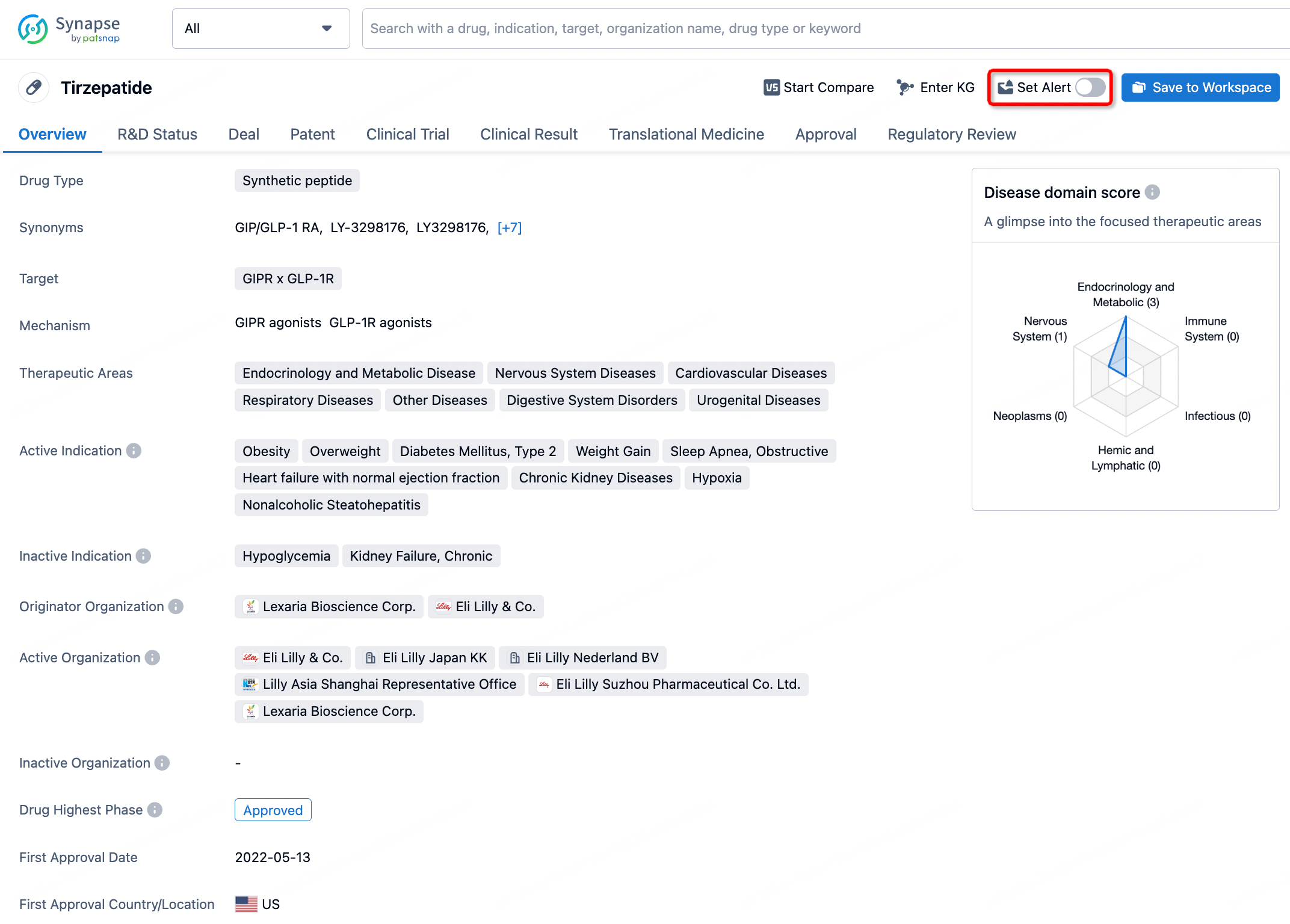
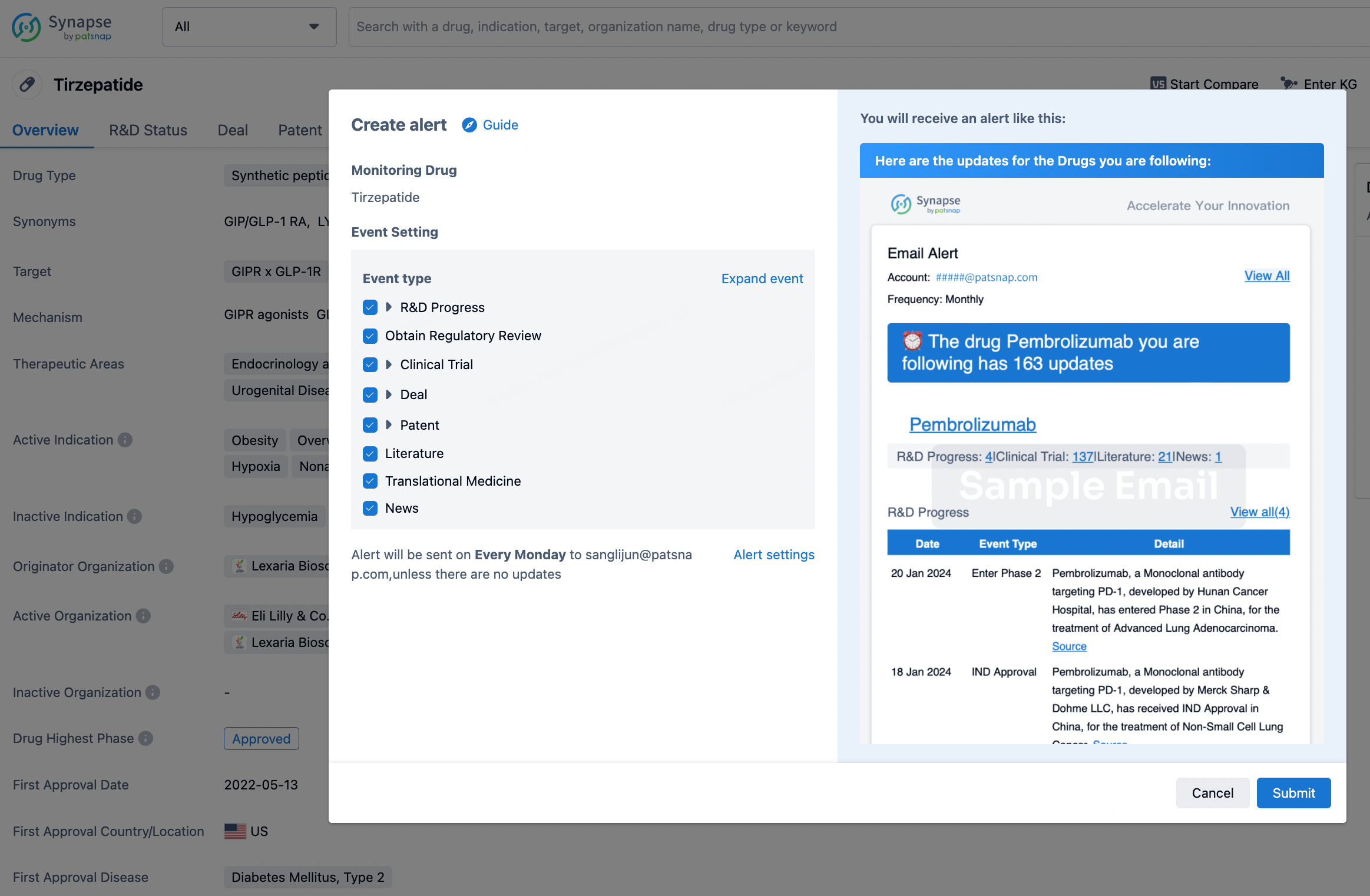
In the Synapse database, you can stay updated on the latest research and development advances of all drugs. This service is accessible anytime and anywhere, with updates available daily or weekly. Use the "Set Alert" function to stay informed. Click on the image below to embark on a brand new journey of drug discovery!
Hiro LS Researcher
The AI Search Engine Built to Accelerate Biopharma Decisions
Search across billion-scale life sciences data to uncover signals, validate evidence, and act with confidence.
Ask any biopharma research question→
Get started for free today!
Accelerate Strategic R&D decision making with Synapse, Patsnap’s AI-powered Connected Innovation Intelligence Platform Built for Life Sciences Professionals.
Discover Synapse Data Servers
Synapse data is now integrated into the PatSnap LS Model Context Protocol (MCP) service. Customize your LLM agent now using our MCP server!