Request Demo
What is Eptaplatin used for?
14 June 2024
Eptaplatin, also known by its chemical name lobaplatin, is a third-generation platinum-based chemotherapeutic agent. Developed initially by ASTA Medica, a German pharmaceutical company, this drug has garnered attention for its potential use in treating various types of cancer. Eptaplatin is principally designed to target and disrupt the DNA of rapidly dividing cancer cells, thereby inhibiting tumor growth. This drug falls under the category of alkylating agents, which are known for their efficacy in combating cancerous cells by inducing cytotoxicity. While eptaplatin has not yet achieved the same level of widespread clinical approval as its predecessors like cisplatin and carboplatin, research and clinical trials are ongoing to explore its effectiveness and safety across different types of malignancies, including ovarian, lung, and gastrointestinal cancers.
The mechanism of action of eptaplatin is similar to other platinum-based chemotherapeutic agents. It primarily works by forming platinum-DNA adducts, which inhibit DNA replication and transcription. This inhibition occurs because the platinum component of the drug binds to the purine bases in the DNA, causing cross-linking and strand breaks. This ultimately leads to apoptosis, or programmed cell death, in cancer cells. Unlike its predecessors, eptaplatin is designed to have a better toxicity profile, reducing the risk of nephrotoxicity (kidney damage) and neurotoxicity (nerve damage) that are often associated with other platinum-based drugs. This makes it a promising candidate for long-term chemotherapy, although further research is required to fully understand its pharmacological nuances.
Eptaplatin is generally administered intravenously, similar to other chemotherapeutic agents. The dosage and frequency of administration depend on various factors such as the type of cancer being treated, the stage of the disease, and the patient’s overall health. Onset time for the drug can vary, but its cytotoxic effects generally begin to manifest within a few hours after administration. The drug is often given in cycles, with rest periods in between to allow the body's normal cells to recover. It is crucial for administration to be carried out under the supervision of an oncologist or a healthcare provider specialized in chemotherapy, to monitor for any adverse effects and to adjust the dosage as necessary.
Like all chemotherapeutic drugs, eptaplatin comes with a range of side effects. Common side effects include nausea, vomiting, and gastrointestinal disturbances, which can often be managed with supportive care and medications. Hematologic toxicities such as neutropenia (a low count of neutrophils, a type of white blood cell), anemia, and thrombocytopenia (a low platelet count) are also commonly observed and require regular blood monitoring. Nephrotoxicity and neurotoxicity, which are significant concerns with other platinum-based drugs, appear to be less prominent with eptaplatin, although renal function should still be monitored. Other potential side effects include hypersensitivity reactions, which can range from mild skin rashes to severe anaphylaxis. Contraindications for eptaplatin include patients with known hypersensitivity to platinum-containing compounds, severe renal impairment, and in those who are pregnant or breastfeeding due to potential teratogenic effects.
The interaction of eptaplatin with other drugs is an area of active research. As with many chemotherapeutic agents, eptaplatin can interact with other medications, potentially altering its effectiveness and increasing the risk of side effects. Drugs that affect kidney function, such as nonsteroidal anti-inflammatory drugs (NSAIDs) and certain antibiotics, can exacerbate nephrotoxicity. Combining eptaplatin with other myelosuppressive agents, such as certain types of chemotherapy, can increase the risk of hematologic toxicities. Caution is also advised when administering eptaplatin alongside anticoagulants, as it can potentially heighten the risk of bleeding complications due to its impact on platelet counts. Therefore, it is essential to provide a comprehensive list of medications and supplements to the healthcare provider before starting eptaplatin therapy.
In summary, eptaplatin represents a promising advancement in the field of platinum-based chemotherapy. With its improved toxicity profile and potential efficacy in treating various types of cancer, it offers a valuable addition to the oncologist's arsenal. However, as with any potent chemotherapeutic agent, careful consideration of its side effects, contraindications, and potential drug interactions is crucial to optimize treatment outcomes and ensure patient safety. Ongoing research and clinical trials will hopefully further elucidate its role and pave the way for wider clinical adoption.
The mechanism of action of eptaplatin is similar to other platinum-based chemotherapeutic agents. It primarily works by forming platinum-DNA adducts, which inhibit DNA replication and transcription. This inhibition occurs because the platinum component of the drug binds to the purine bases in the DNA, causing cross-linking and strand breaks. This ultimately leads to apoptosis, or programmed cell death, in cancer cells. Unlike its predecessors, eptaplatin is designed to have a better toxicity profile, reducing the risk of nephrotoxicity (kidney damage) and neurotoxicity (nerve damage) that are often associated with other platinum-based drugs. This makes it a promising candidate for long-term chemotherapy, although further research is required to fully understand its pharmacological nuances.
Eptaplatin is generally administered intravenously, similar to other chemotherapeutic agents. The dosage and frequency of administration depend on various factors such as the type of cancer being treated, the stage of the disease, and the patient’s overall health. Onset time for the drug can vary, but its cytotoxic effects generally begin to manifest within a few hours after administration. The drug is often given in cycles, with rest periods in between to allow the body's normal cells to recover. It is crucial for administration to be carried out under the supervision of an oncologist or a healthcare provider specialized in chemotherapy, to monitor for any adverse effects and to adjust the dosage as necessary.
Like all chemotherapeutic drugs, eptaplatin comes with a range of side effects. Common side effects include nausea, vomiting, and gastrointestinal disturbances, which can often be managed with supportive care and medications. Hematologic toxicities such as neutropenia (a low count of neutrophils, a type of white blood cell), anemia, and thrombocytopenia (a low platelet count) are also commonly observed and require regular blood monitoring. Nephrotoxicity and neurotoxicity, which are significant concerns with other platinum-based drugs, appear to be less prominent with eptaplatin, although renal function should still be monitored. Other potential side effects include hypersensitivity reactions, which can range from mild skin rashes to severe anaphylaxis. Contraindications for eptaplatin include patients with known hypersensitivity to platinum-containing compounds, severe renal impairment, and in those who are pregnant or breastfeeding due to potential teratogenic effects.
The interaction of eptaplatin with other drugs is an area of active research. As with many chemotherapeutic agents, eptaplatin can interact with other medications, potentially altering its effectiveness and increasing the risk of side effects. Drugs that affect kidney function, such as nonsteroidal anti-inflammatory drugs (NSAIDs) and certain antibiotics, can exacerbate nephrotoxicity. Combining eptaplatin with other myelosuppressive agents, such as certain types of chemotherapy, can increase the risk of hematologic toxicities. Caution is also advised when administering eptaplatin alongside anticoagulants, as it can potentially heighten the risk of bleeding complications due to its impact on platelet counts. Therefore, it is essential to provide a comprehensive list of medications and supplements to the healthcare provider before starting eptaplatin therapy.
In summary, eptaplatin represents a promising advancement in the field of platinum-based chemotherapy. With its improved toxicity profile and potential efficacy in treating various types of cancer, it offers a valuable addition to the oncologist's arsenal. However, as with any potent chemotherapeutic agent, careful consideration of its side effects, contraindications, and potential drug interactions is crucial to optimize treatment outcomes and ensure patient safety. Ongoing research and clinical trials will hopefully further elucidate its role and pave the way for wider clinical adoption.
How to obtain the latest development progress of all drugs?
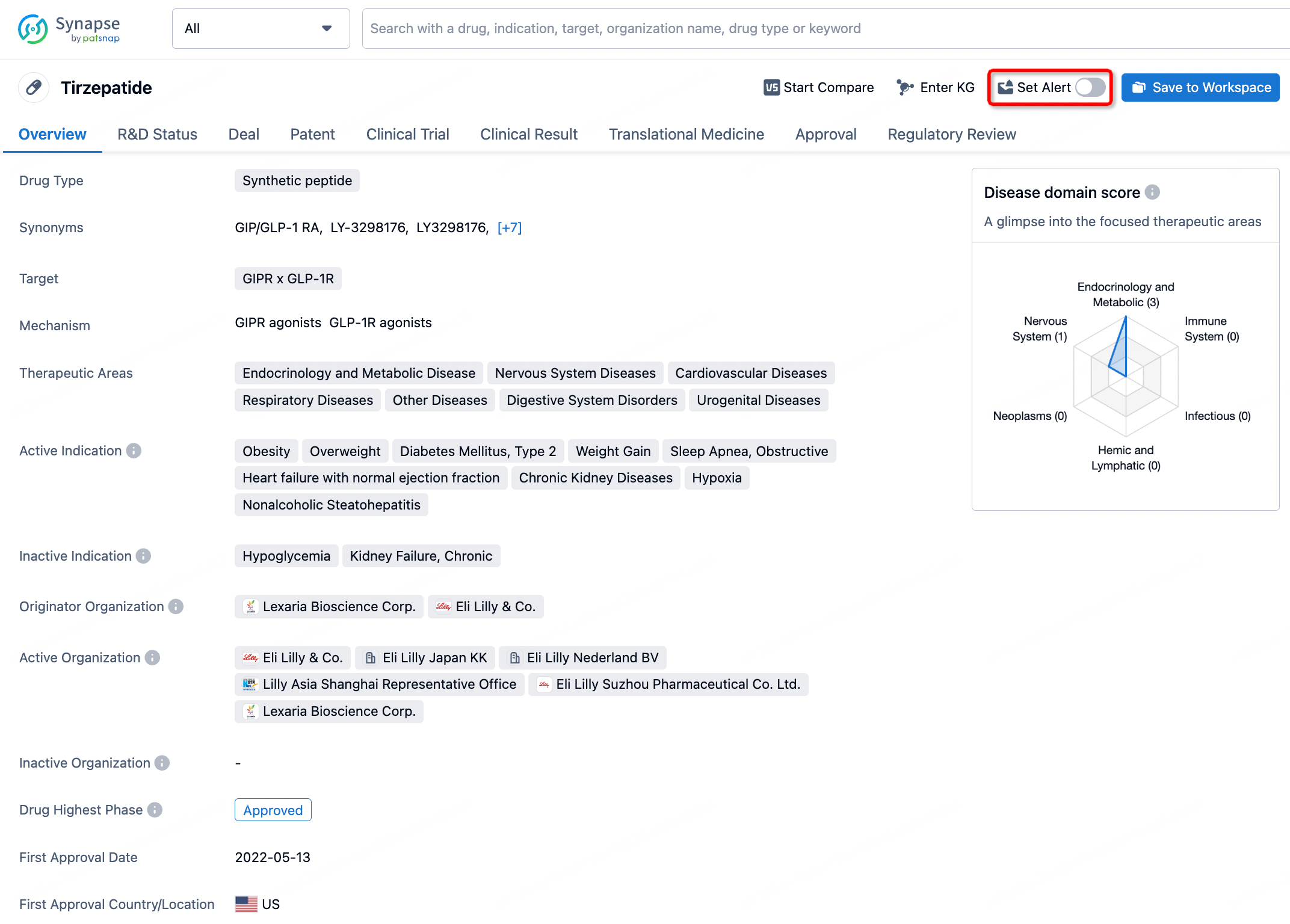
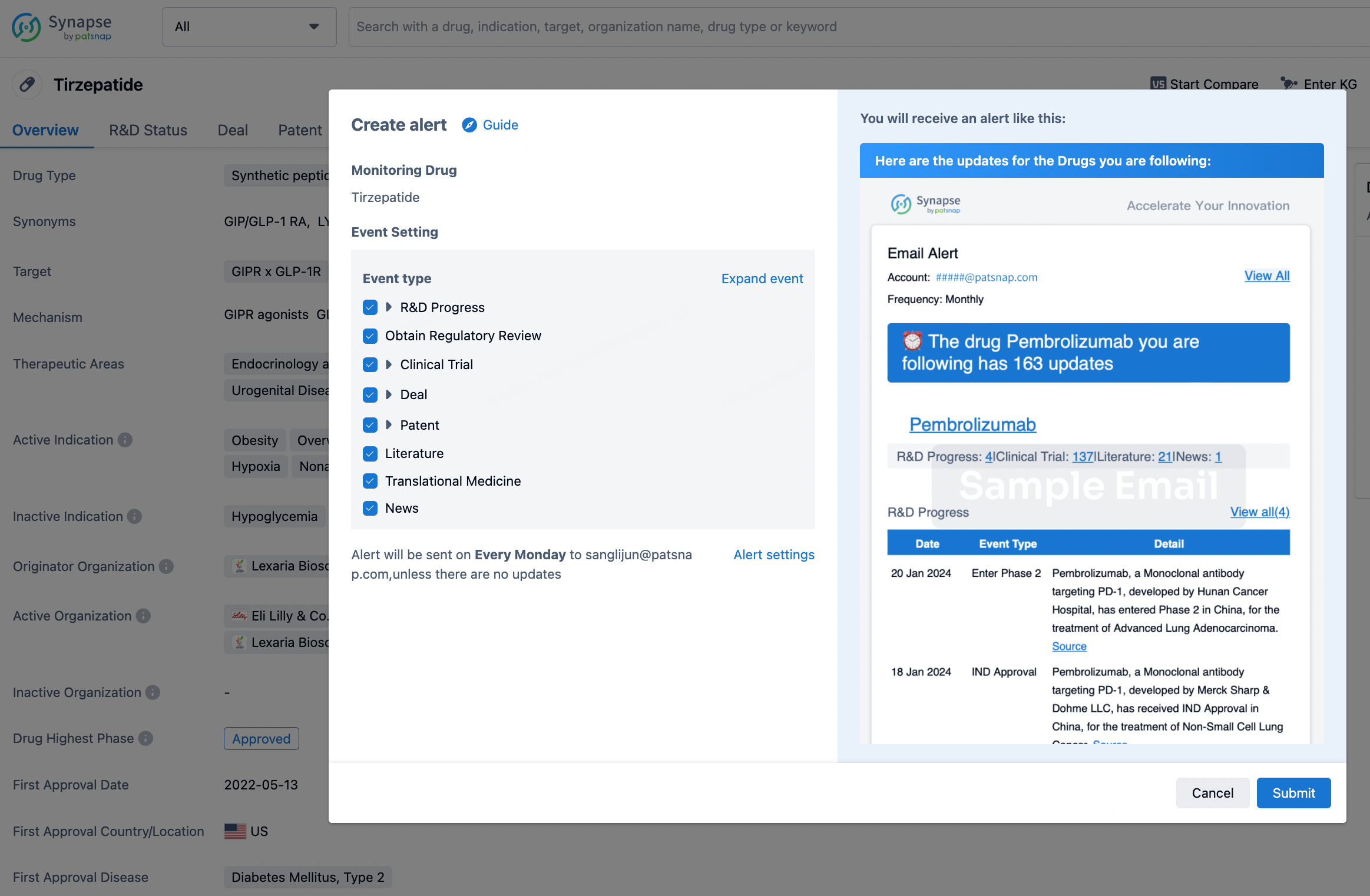
In the Synapse database, you can stay updated on the latest research and development advances of all drugs. This service is accessible anytime and anywhere, with updates available daily or weekly. Use the "Set Alert" function to stay informed. Click on the image below to embark on a brand new journey of drug discovery!
AI Agents Built for Biopharma Breakthroughs
Accelerate discovery. Empower decisions. Transform outcomes.
Get started for free today!
Accelerate Strategic R&D decision making with Synapse, PatSnap’s AI-powered Connected Innovation Intelligence Platform Built for Life Sciences Professionals.
Start your data trial now!
Synapse data is also accessible to external entities via APIs or data packages. Empower better decisions with the latest in pharmaceutical intelligence.