Request Demo
What is Ethyl Imidazolate used for?
15 June 2024
Ethyl Imidazolate is an emerging compound in the field of medicinal chemistry, drawing significant attention due to its potential therapeutic applications. Unlike some more commonly referenced drugs, Ethyl Imidazolate does not yet have widely recognized trade names, as it is still under extensive research and development. Researchers are primarily focusing on its potential uses in treating diseases that involve chronic inflammation and oxidative stress, such as certain types of cancer and neurodegenerative disorders. Various institutions around the world, including prominent universities and pharmaceutical companies, are currently investigating the pharmacological properties and therapeutic applications of this compound.
Ethyl Imidazolate belongs to the class of imidazole derivatives, which are known for their diverse biological activities. These compounds often exhibit antimicrobial, antifungal, and anti-inflammatory properties. In the case of Ethyl Imidazolate, preliminary studies are showing promise in the realm of cancer treatment, as the compound appears to inhibit specific pathways that are crucial for tumor growth and metastasis. Moreover, researchers are exploring its potential neuroprotective effects, which could make it a valuable candidate for treating diseases like Alzheimer’s and Parkinson’s.
Ethyl Imidazolate Mechanism of Action
The mechanism of action of Ethyl Imidazolate is a subject of ongoing research, but current findings provide valuable insights into how this compound exerts its effects. Ethyl Imidazolate primarily functions by modulating various signaling pathways that are crucial for cell survival, proliferation, and apoptosis. One of the key pathways influenced by Ethyl Imidazolate is the NF-κB pathway, which plays a significant role in regulating the immune response and inflammation. By inhibiting this pathway, Ethyl Imidazolate can reduce the production of pro-inflammatory cytokines, thereby alleviating chronic inflammation.
Another important target of Ethyl Imidazolate is the PI3K/Akt/mTOR pathway, which is involved in cell growth, survival, and metabolism. Cancer cells often exploit this pathway to sustain their rapid growth and division. Ethyl Imidazolate has been found to inhibit this pathway, thereby inducing apoptosis in cancer cells and preventing tumor growth. Additionally, Ethyl Imidazolate exhibits antioxidant properties, helping to neutralize reactive oxygen species (ROS) and reduce oxidative stress, which is a contributing factor in many chronic diseases.
Ethyl Imidazolate also shows potential in modulating neurotransmitter systems, which could explain its neuroprotective effects. By influencing the release and uptake of neurotransmitters like glutamate and GABA, Ethyl Imidazolate may help in maintaining neuronal health and preventing neurodegeneration.
How to Use Ethyl Imidazolate
The administration of Ethyl Imidazolate is still being optimized through clinical trials. Current research indicates that it can be administered orally or intravenously, depending on the condition being treated and the required dosage. Oral administration is generally preferred for its convenience, while intravenous administration may be more effective in delivering higher doses directly to the bloodstream for conditions requiring rapid intervention.
The onset time of Ethyl Imidazolate can vary based on the method of administration. When taken orally, the drug typically takes longer to take effect, as it needs to pass through the digestive system and undergo first-pass metabolism in the liver. This process can take anywhere from 30 minutes to several hours. Intravenous administration, on the other hand, allows the drug to enter the bloodstream directly, leading to a faster onset of action, often within minutes.
The dosage and duration of treatment with Ethyl Imidazolate are still subjects of ongoing research. However, initial studies suggest that lower doses may be effective for anti-inflammatory and neuroprotective purposes, while higher doses might be needed for anticancer effects. It is crucial for patients to follow the prescribed dosing regimen and consult their healthcare provider for any adjustments based on their individual response to the treatment.
What is Ethyl Imidazolate Side Effects
Like all medications, Ethyl Imidazolate can cause side effects, although not everyone will experience them. The most commonly reported side effects include gastrointestinal disturbances such as nausea, vomiting, and diarrhea. These symptoms are usually mild to moderate in intensity and tend to resolve on their own without requiring medical intervention. Some patients may also experience headaches and dizziness, particularly when starting the treatment or adjusting the dosage.
More serious side effects are rare but can occur. These may include liver toxicity, as Ethyl Imidazolate undergoes extensive metabolism in the liver. Monitoring liver function through regular blood tests is recommended for patients undergoing long-term treatment. Allergic reactions, although uncommon, can also occur, presenting as skin rashes, itching, or more severe manifestations like anaphylaxis. If any signs of an allergic reaction are observed, immediate medical attention is necessary.
Contraindications for the use of Ethyl Imidazolate include known hypersensitivity to imidazole derivatives. Caution is also advised for patients with pre-existing liver conditions or those who are on medications that are known to affect liver function. Pregnant and breastfeeding women should avoid using Ethyl Imidazolate unless the potential benefits outweigh the risks, as there is limited data on its safety in these populations.
What Other Drugs Will Affect Ethyl Imidazolate
Ethyl Imidazolate can interact with other medications, potentially altering their effects or increasing the risk of adverse reactions. One of the primary concerns is its interaction with other drugs that undergo metabolism through the cytochrome P450 enzyme system in the liver. For instance, concomitant use with drugs like warfarin (a blood thinner) or certain statins (used for lowering cholesterol) can lead to altered plasma levels of these medications, necessitating dosage adjustments.
Nonsteroidal anti-inflammatory drugs (NSAIDs) and corticosteroids, often used to manage inflammation, may also interact with Ethyl Imidazolate. Concurrent use can amplify the anti-inflammatory effects but also increase the risk of gastrointestinal side effects like ulcers or bleeding. It is essential to monitor patients closely if these drugs are prescribed together.
Antiepileptic drugs (AEDs) and antidepressants can also have interactions with Ethyl Imidazolate. For instance, drugs like carbamazepine or valproate, which are used to manage seizures, can alter the metabolism of Ethyl Imidazolate, potentially reducing its efficacy or increasing the risk of side effects. Similarly, certain antidepressants that affect neurotransmitter levels could interact with Ethyl Imidazolate, affecting its neuroprotective benefits.
Patients should always inform their healthcare provider of all medications they are taking, including over-the-counter drugs, supplements, and herbal remedies, to avoid potential interactions and ensure the safe and effective use of Ethyl Imidazolate. Regular monitoring and open communication with healthcare providers are crucial for optimizing treatment outcomes and minimizing risks.
In conclusion, Ethyl Imidazolate represents a promising new avenue in the treatment of various chronic diseases, particularly those involving inflammation, oxidative stress, and neurodegeneration. As research continues to unfold, this compound may soon emerge as a valuable addition to the therapeutic arsenal, offering hope to many patients with currently unmet medical needs.
Ethyl Imidazolate belongs to the class of imidazole derivatives, which are known for their diverse biological activities. These compounds often exhibit antimicrobial, antifungal, and anti-inflammatory properties. In the case of Ethyl Imidazolate, preliminary studies are showing promise in the realm of cancer treatment, as the compound appears to inhibit specific pathways that are crucial for tumor growth and metastasis. Moreover, researchers are exploring its potential neuroprotective effects, which could make it a valuable candidate for treating diseases like Alzheimer’s and Parkinson’s.
Ethyl Imidazolate Mechanism of Action
The mechanism of action of Ethyl Imidazolate is a subject of ongoing research, but current findings provide valuable insights into how this compound exerts its effects. Ethyl Imidazolate primarily functions by modulating various signaling pathways that are crucial for cell survival, proliferation, and apoptosis. One of the key pathways influenced by Ethyl Imidazolate is the NF-κB pathway, which plays a significant role in regulating the immune response and inflammation. By inhibiting this pathway, Ethyl Imidazolate can reduce the production of pro-inflammatory cytokines, thereby alleviating chronic inflammation.
Another important target of Ethyl Imidazolate is the PI3K/Akt/mTOR pathway, which is involved in cell growth, survival, and metabolism. Cancer cells often exploit this pathway to sustain their rapid growth and division. Ethyl Imidazolate has been found to inhibit this pathway, thereby inducing apoptosis in cancer cells and preventing tumor growth. Additionally, Ethyl Imidazolate exhibits antioxidant properties, helping to neutralize reactive oxygen species (ROS) and reduce oxidative stress, which is a contributing factor in many chronic diseases.
Ethyl Imidazolate also shows potential in modulating neurotransmitter systems, which could explain its neuroprotective effects. By influencing the release and uptake of neurotransmitters like glutamate and GABA, Ethyl Imidazolate may help in maintaining neuronal health and preventing neurodegeneration.
How to Use Ethyl Imidazolate
The administration of Ethyl Imidazolate is still being optimized through clinical trials. Current research indicates that it can be administered orally or intravenously, depending on the condition being treated and the required dosage. Oral administration is generally preferred for its convenience, while intravenous administration may be more effective in delivering higher doses directly to the bloodstream for conditions requiring rapid intervention.
The onset time of Ethyl Imidazolate can vary based on the method of administration. When taken orally, the drug typically takes longer to take effect, as it needs to pass through the digestive system and undergo first-pass metabolism in the liver. This process can take anywhere from 30 minutes to several hours. Intravenous administration, on the other hand, allows the drug to enter the bloodstream directly, leading to a faster onset of action, often within minutes.
The dosage and duration of treatment with Ethyl Imidazolate are still subjects of ongoing research. However, initial studies suggest that lower doses may be effective for anti-inflammatory and neuroprotective purposes, while higher doses might be needed for anticancer effects. It is crucial for patients to follow the prescribed dosing regimen and consult their healthcare provider for any adjustments based on their individual response to the treatment.
What is Ethyl Imidazolate Side Effects
Like all medications, Ethyl Imidazolate can cause side effects, although not everyone will experience them. The most commonly reported side effects include gastrointestinal disturbances such as nausea, vomiting, and diarrhea. These symptoms are usually mild to moderate in intensity and tend to resolve on their own without requiring medical intervention. Some patients may also experience headaches and dizziness, particularly when starting the treatment or adjusting the dosage.
More serious side effects are rare but can occur. These may include liver toxicity, as Ethyl Imidazolate undergoes extensive metabolism in the liver. Monitoring liver function through regular blood tests is recommended for patients undergoing long-term treatment. Allergic reactions, although uncommon, can also occur, presenting as skin rashes, itching, or more severe manifestations like anaphylaxis. If any signs of an allergic reaction are observed, immediate medical attention is necessary.
Contraindications for the use of Ethyl Imidazolate include known hypersensitivity to imidazole derivatives. Caution is also advised for patients with pre-existing liver conditions or those who are on medications that are known to affect liver function. Pregnant and breastfeeding women should avoid using Ethyl Imidazolate unless the potential benefits outweigh the risks, as there is limited data on its safety in these populations.
What Other Drugs Will Affect Ethyl Imidazolate
Ethyl Imidazolate can interact with other medications, potentially altering their effects or increasing the risk of adverse reactions. One of the primary concerns is its interaction with other drugs that undergo metabolism through the cytochrome P450 enzyme system in the liver. For instance, concomitant use with drugs like warfarin (a blood thinner) or certain statins (used for lowering cholesterol) can lead to altered plasma levels of these medications, necessitating dosage adjustments.
Nonsteroidal anti-inflammatory drugs (NSAIDs) and corticosteroids, often used to manage inflammation, may also interact with Ethyl Imidazolate. Concurrent use can amplify the anti-inflammatory effects but also increase the risk of gastrointestinal side effects like ulcers or bleeding. It is essential to monitor patients closely if these drugs are prescribed together.
Antiepileptic drugs (AEDs) and antidepressants can also have interactions with Ethyl Imidazolate. For instance, drugs like carbamazepine or valproate, which are used to manage seizures, can alter the metabolism of Ethyl Imidazolate, potentially reducing its efficacy or increasing the risk of side effects. Similarly, certain antidepressants that affect neurotransmitter levels could interact with Ethyl Imidazolate, affecting its neuroprotective benefits.
Patients should always inform their healthcare provider of all medications they are taking, including over-the-counter drugs, supplements, and herbal remedies, to avoid potential interactions and ensure the safe and effective use of Ethyl Imidazolate. Regular monitoring and open communication with healthcare providers are crucial for optimizing treatment outcomes and minimizing risks.
In conclusion, Ethyl Imidazolate represents a promising new avenue in the treatment of various chronic diseases, particularly those involving inflammation, oxidative stress, and neurodegeneration. As research continues to unfold, this compound may soon emerge as a valuable addition to the therapeutic arsenal, offering hope to many patients with currently unmet medical needs.
How to obtain the latest development progress of all drugs?
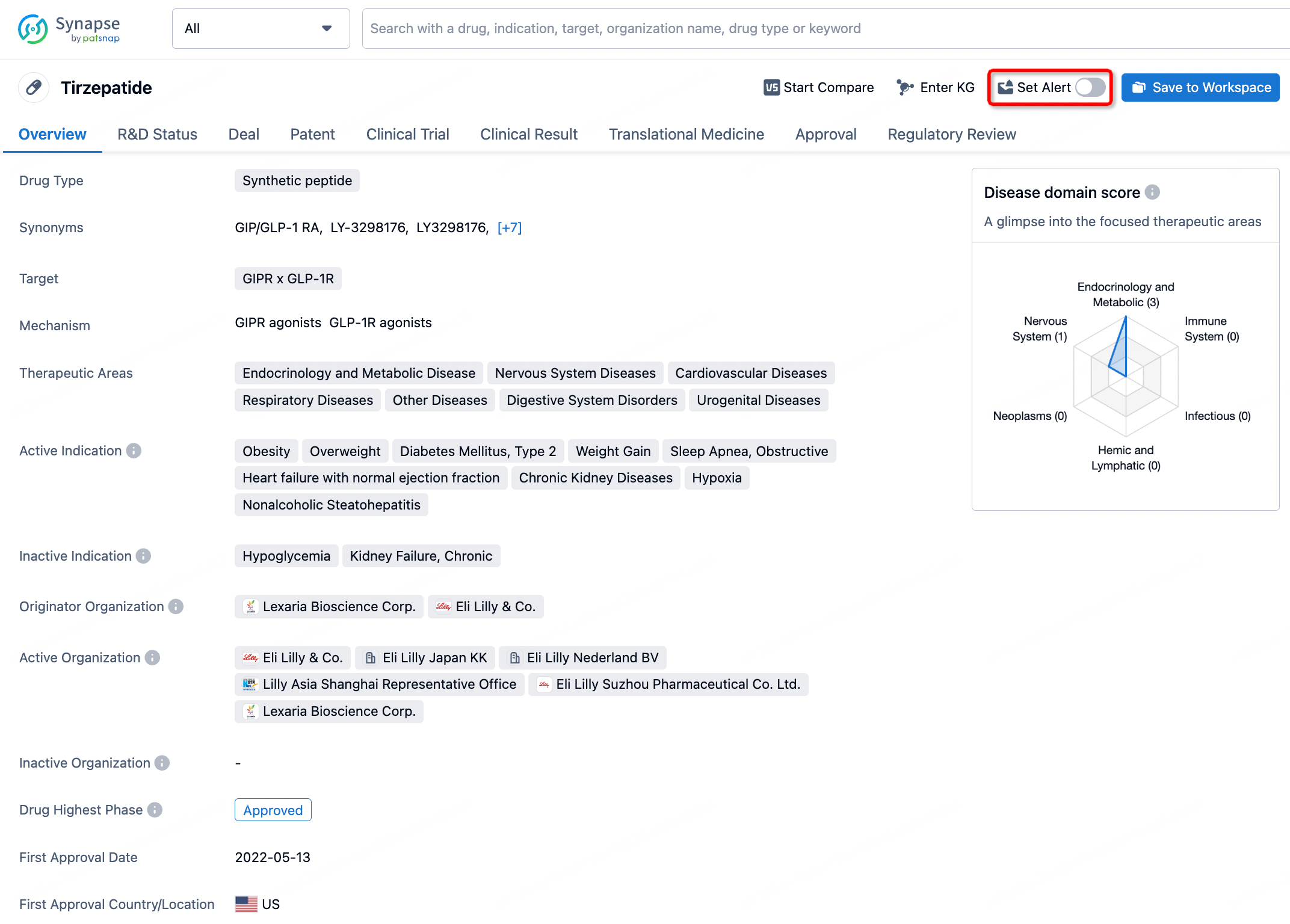
In the Synapse database, you can stay updated on the latest research and development advances of all drugs. This service is accessible anytime and anywhere, with updates available daily or weekly. Use the "Set Alert" function to stay informed. Click on the image below to embark on a brand new journey of drug discovery!


Hiro LS Researcher
The AI Search Engine Built to Accelerate Biopharma Decisions
Search across billion-scale life sciences data to uncover signals, validate evidence, and act with confidence.
Ask any biopharma research question→
Get started for free today!
Accelerate Strategic R&D decision making with Synapse, Patsnap’s AI-powered Connected Innovation Intelligence Platform Built for Life Sciences Professionals.
Discover Synapse Data Servers
Synapse data is now integrated into the PatSnap LS Model Context Protocol (MCP) service. Customize your LLM agent now using our MCP server!