Request Demo
What is Paromomycin Sulfate used for?
15 June 2024
Paromomycin sulfate is an antibiotic that has garnered significant attention due to its broad-spectrum activity and utility in treating various parasitic and bacterial infections. Available under trade names such as Humatin and Paromomycin, this drug has been a cornerstone in the treatment arsenal for diseases like amebiasis, leishmaniasis, and certain intestinal infections. Researchers from esteemed institutions globally have delved into its pharmacological properties and its potential for treating a range of infections. Typically classified as an aminoglycoside antibiotic, paromomycin sulfate operates by inhibiting protein synthesis in bacteria, leading to cell death. In terms of research progress, ongoing studies are examining its effectiveness in combination therapies and its potential role in treating emerging infectious diseases.
Paromomycin sulfate's mechanism of action revolves around its ability to bind irreversibly to the 30S ribosomal subunit of susceptible organisms, thereby inhibiting protein synthesis. This inhibition prevents the translation process necessary for bacterial growth and proliferation. The drug exhibits activity against a wide range of bacteria and parasites, making it a versatile tool in combating infections. Unlike some other antibiotics, paromomycin sulfate works primarily at the site of infection in the gastrointestinal tract, which minimizes systemic absorption and reduces the risk of systemic toxicity. This localized action is particularly advantageous in treating gastrointestinal infections such as intestinal amebiasis and cryptosporidiosis.
The administration of paromomycin sulfate varies depending on the specific condition being treated. For intestinal amebiasis, the drug is typically administered orally in the form of capsules or tablets. The usual dosage ranges from 25 to 35 mg/kg/day, divided into three doses, and the treatment duration is generally about 5 to 10 days. For cutaneous leishmaniasis, paromomycin is often used in topical formulations applied directly to the lesions. The onset of action for oral administration is relatively quick, with peak concentrations achieved within one to two hours. However, the full therapeutic effect may take several days to manifest, depending on the nature and severity of the infection.
Paromomycin sulfate, like all medications, is associated with a range of potential side effects. Common side effects include gastrointestinal disturbances such as nausea, vomiting, diarrhea, and abdominal cramps. These symptoms are usually mild and transient but can be bothersome. More severe side effects, although rare, can include ototoxicity (damage to the ear), nephrotoxicity (kidney damage), and neuromuscular blockade. Because of its potential to cause auditory damage, paromomycin should be used with caution in patients with pre-existing hearing conditions or those concurrently taking other ototoxic drugs.
Contraindications for the use of paromomycin sulfate include hypersensitivity to the drug or any of its components, as well as known or suspected intestinal obstruction. It is also crucial to exercise caution when prescribing this medication to patients with renal impairment, as the drug is excreted by the kidneys and impaired renal function can lead to accumulation and increased risk of toxicity. Pregnant and breastfeeding women should consult their healthcare provider before starting paromomycin sulfate, as its safety profile in these populations has not been firmly established.
Paromomycin sulfate can interact with other medications, potentially altering its effectiveness or increasing the risk of adverse effects. Concurrent use of other aminoglycosides, such as gentamicin or tobramycin, can amplify the risk of ototoxicity and nephrotoxicity. Therefore, caution should be exercised, and regular monitoring of kidney function and hearing is advisable when these drugs are used together. Additionally, paromomycin can interact with diuretics like furosemide, which may increase the risk of ototoxicity due to enhanced drug concentrations in the ear.
Furthermore, other nephrotoxic drugs, such as nonsteroidal anti-inflammatory drugs (NSAIDs) and certain antiviral medications, can exacerbate the kidney-damaging effects of paromomycin. It is essential to inform healthcare providers of all medications being taken to prevent harmful interactions and ensure the safe use of paromomycin sulfate.
In conclusion, paromomycin sulfate is a valuable antibiotic with a broad spectrum of activity against various bacterial and parasitic infections. Its mechanism of action, targeting bacterial protein synthesis, and localized effect in the gastrointestinal tract make it a unique and effective treatment option. However, like all medications, it requires careful consideration of potential side effects, contraindications, and drug interactions. Ongoing research continues to explore its full therapeutic potential and optimize its use in clinical practice, ensuring that it remains a robust tool in the fight against infectious diseases.
Paromomycin sulfate's mechanism of action revolves around its ability to bind irreversibly to the 30S ribosomal subunit of susceptible organisms, thereby inhibiting protein synthesis. This inhibition prevents the translation process necessary for bacterial growth and proliferation. The drug exhibits activity against a wide range of bacteria and parasites, making it a versatile tool in combating infections. Unlike some other antibiotics, paromomycin sulfate works primarily at the site of infection in the gastrointestinal tract, which minimizes systemic absorption and reduces the risk of systemic toxicity. This localized action is particularly advantageous in treating gastrointestinal infections such as intestinal amebiasis and cryptosporidiosis.
The administration of paromomycin sulfate varies depending on the specific condition being treated. For intestinal amebiasis, the drug is typically administered orally in the form of capsules or tablets. The usual dosage ranges from 25 to 35 mg/kg/day, divided into three doses, and the treatment duration is generally about 5 to 10 days. For cutaneous leishmaniasis, paromomycin is often used in topical formulations applied directly to the lesions. The onset of action for oral administration is relatively quick, with peak concentrations achieved within one to two hours. However, the full therapeutic effect may take several days to manifest, depending on the nature and severity of the infection.
Paromomycin sulfate, like all medications, is associated with a range of potential side effects. Common side effects include gastrointestinal disturbances such as nausea, vomiting, diarrhea, and abdominal cramps. These symptoms are usually mild and transient but can be bothersome. More severe side effects, although rare, can include ototoxicity (damage to the ear), nephrotoxicity (kidney damage), and neuromuscular blockade. Because of its potential to cause auditory damage, paromomycin should be used with caution in patients with pre-existing hearing conditions or those concurrently taking other ototoxic drugs.
Contraindications for the use of paromomycin sulfate include hypersensitivity to the drug or any of its components, as well as known or suspected intestinal obstruction. It is also crucial to exercise caution when prescribing this medication to patients with renal impairment, as the drug is excreted by the kidneys and impaired renal function can lead to accumulation and increased risk of toxicity. Pregnant and breastfeeding women should consult their healthcare provider before starting paromomycin sulfate, as its safety profile in these populations has not been firmly established.
Paromomycin sulfate can interact with other medications, potentially altering its effectiveness or increasing the risk of adverse effects. Concurrent use of other aminoglycosides, such as gentamicin or tobramycin, can amplify the risk of ototoxicity and nephrotoxicity. Therefore, caution should be exercised, and regular monitoring of kidney function and hearing is advisable when these drugs are used together. Additionally, paromomycin can interact with diuretics like furosemide, which may increase the risk of ototoxicity due to enhanced drug concentrations in the ear.
Furthermore, other nephrotoxic drugs, such as nonsteroidal anti-inflammatory drugs (NSAIDs) and certain antiviral medications, can exacerbate the kidney-damaging effects of paromomycin. It is essential to inform healthcare providers of all medications being taken to prevent harmful interactions and ensure the safe use of paromomycin sulfate.
In conclusion, paromomycin sulfate is a valuable antibiotic with a broad spectrum of activity against various bacterial and parasitic infections. Its mechanism of action, targeting bacterial protein synthesis, and localized effect in the gastrointestinal tract make it a unique and effective treatment option. However, like all medications, it requires careful consideration of potential side effects, contraindications, and drug interactions. Ongoing research continues to explore its full therapeutic potential and optimize its use in clinical practice, ensuring that it remains a robust tool in the fight against infectious diseases.
How to obtain the latest development progress of all drugs?
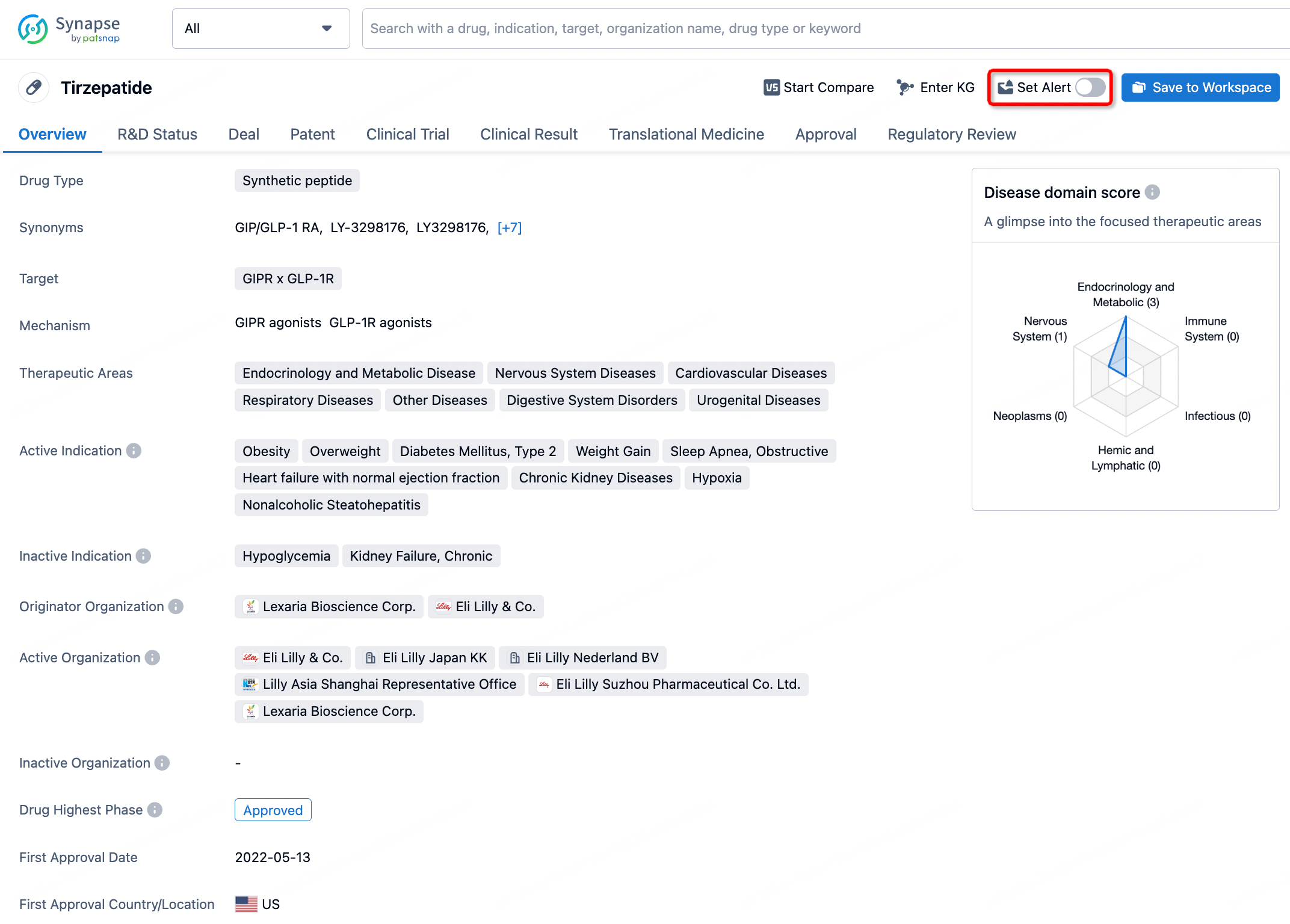
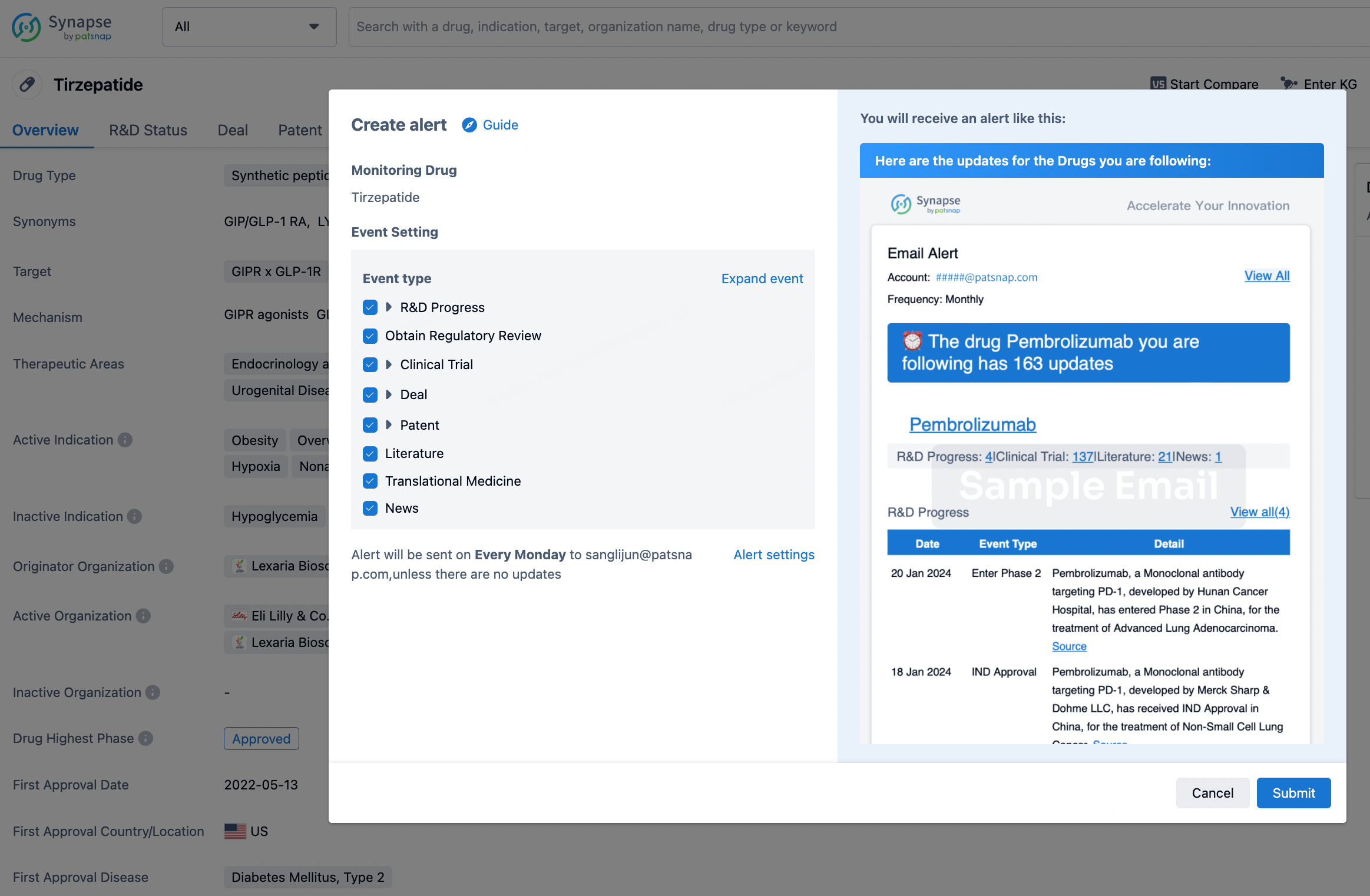
In the Synapse database, you can stay updated on the latest research and development advances of all drugs. This service is accessible anytime and anywhere, with updates available daily or weekly. Use the "Set Alert" function to stay informed. Click on the image below to embark on a brand new journey of drug discovery!
AI Agents Built for Biopharma Breakthroughs
Accelerate discovery. Empower decisions. Transform outcomes.
Get started for free today!
Accelerate Strategic R&D decision making with Synapse, PatSnap’s AI-powered Connected Innovation Intelligence Platform Built for Life Sciences Professionals.
Start your data trial now!
Synapse data is also accessible to external entities via APIs or data packages. Empower better decisions with the latest in pharmaceutical intelligence.