Request Demo
What is Pertuzumab used for?
14 June 2024
Pertuzumab: A Comprehensive Overview
**Introduction to Pertuzumab**
Pertuzumab, marketed under the trade name Perjeta, is a humanized monoclonal antibody used in cancer therapy, specifically targeting the HER2 receptor. HER2, or human epidermal growth factor receptor 2, is a protein that promotes cell growth and division. Overexpression of this protein is found in certain aggressive types of breast cancer. Pertuzumab was developed by Genentech, a member of the Roche Group, and has garnered FDA approval for its efficacy in treating HER2-positive breast cancer.
The primary indications for Pertuzumab include neoadjuvant treatment (therapy given before the main treatment) and adjuvant treatment (therapy given after the primary treatment), often in combination with trastuzumab and chemotherapy, for patients with HER2-positive breast cancer. Clinical trials have demonstrated that Pertuzumab, when used in combination with these therapies, significantly improves survival rates and reduces the risk of cancer recurrence.
**Pertuzumab Mechanism of Action**
Pertuzumab functions by targeting the extracellular dimerization domain (subdomain II) of the HER2 receptor. HER2 receptors often dimerize, or pair up, with other HER family receptors, such as HER3, HER1, and HER4. This dimerization activates signaling pathways that drive cell proliferation and survival, contributing to tumor growth and progression.
Pertuzumab inhibits this dimerization process, thereby blocking downstream signaling pathways, including the PI3K/Akt and MAPK pathways. This inhibition results in decreased cell proliferation and increased apoptosis (programmed cell death) of cancer cells. When used in conjunction with trastuzumab, which binds to a different part of the HER2 receptor (subdomain IV), the dual blockade of HER2 signaling is achieved. This complementary action provides a more comprehensive inhibition of HER2-driven tumor growth.
**How to Use Pertuzumab**
Pertuzumab is administered via intravenous infusion. The initial loading dose is typically 840 mg, followed by a maintenance dose of 420 mg every three weeks. The duration of each infusion can vary, with the first infusion usually taking about 60 minutes and subsequent infusions taking 30 to 60 minutes, depending on the patient's tolerance and reaction to the drug.
The onset of action can vary among patients. Some may experience therapeutic effects within weeks, while others might take a few treatment cycles to observe significant clinical benefits. The treatment regimen is often continued until disease progression or the occurrence of unacceptable toxicity. It's important to note that Pertuzumab is usually given in combination with trastuzumab and chemotherapy, which may influence the overall response and duration of treatment.
**What is Pertuzumab Side Effects**
While Pertuzumab has proven effective in the treatment of HER2-positive breast cancer, it is not without potential side effects. Common side effects include diarrhea, fatigue, nausea, alopecia (hair loss), neutropenia (low levels of neutrophils, a type of white blood cell), and rash. More severe side effects, though less common, can include infusion-related reactions, left ventricular dysfunction (decreased heart function), and hypersensitivity reactions.
Cardiac toxicity is a significant concern, given the dual HER2 blockade with both Pertuzumab and trastuzumab. Patients are often monitored for signs of heart failure, including regular assessments of left ventricular ejection fraction (LVEF) through echocardiograms or MUGA scans.
Contraindications for Pertuzumab include patients with a known hypersensitivity to Pertuzumab or any of its components. It is also contraindicated in pregnant women, as it can cause fetal harm, including embryo-fetal death and birth defects. Women of childbearing potential should use effective contraception during and for seven months following the last dose of Pertuzumab.
**What Other Drugs Will Affect Pertuzumab**
Pertuzumab is primarily used in combination with other anticancer drugs, and its interactions with these drugs are well-studied. The most common combination is with trastuzumab and a taxane-based chemotherapy, like docetaxel. This combination requires careful management due to potential overlapping toxicities, especially cardiac toxicity.
Other drugs that can affect Pertuzumab include those that modulate the immune system or have cardiovascular effects. Drugs that cause significant cardiotoxicity, such as anthracyclines, should be used cautiously, as they can exacerbate Pertuzumab's cardiac side effects.
Additionally, concomitant use of other monoclonal antibodies or targeted therapies might require dose adjustments and close monitoring to manage synergistic effects or increased toxicity. For instance, combining Pertuzumab with lapatinib, another HER2 inhibitor, requires careful consideration due to the potential for enhanced gastrointestinal and skin toxicities.
Patients should also be cautious with over-the-counter medications, supplements, or alternative therapies. These can interact with cancer treatments and potentially alter their efficacy or increase side effects. It is essential to inform the healthcare provider of all medications being taken to ensure safe and effective use of Pertuzumab.
In conclusion, Pertuzumab represents a significant advancement in the treatment of HER2-positive breast cancer. Its mechanism of action, targeting HER2 dimerization, provides a novel approach that, when combined with other therapies, offers improved outcomes for patients. However, the potential side effects and drug interactions necessitate careful management and monitoring by healthcare professionals to maximize the benefits and minimize risks for patients undergoing treatment with Pertuzumab.
**Introduction to Pertuzumab**
Pertuzumab, marketed under the trade name Perjeta, is a humanized monoclonal antibody used in cancer therapy, specifically targeting the HER2 receptor. HER2, or human epidermal growth factor receptor 2, is a protein that promotes cell growth and division. Overexpression of this protein is found in certain aggressive types of breast cancer. Pertuzumab was developed by Genentech, a member of the Roche Group, and has garnered FDA approval for its efficacy in treating HER2-positive breast cancer.
The primary indications for Pertuzumab include neoadjuvant treatment (therapy given before the main treatment) and adjuvant treatment (therapy given after the primary treatment), often in combination with trastuzumab and chemotherapy, for patients with HER2-positive breast cancer. Clinical trials have demonstrated that Pertuzumab, when used in combination with these therapies, significantly improves survival rates and reduces the risk of cancer recurrence.
**Pertuzumab Mechanism of Action**
Pertuzumab functions by targeting the extracellular dimerization domain (subdomain II) of the HER2 receptor. HER2 receptors often dimerize, or pair up, with other HER family receptors, such as HER3, HER1, and HER4. This dimerization activates signaling pathways that drive cell proliferation and survival, contributing to tumor growth and progression.
Pertuzumab inhibits this dimerization process, thereby blocking downstream signaling pathways, including the PI3K/Akt and MAPK pathways. This inhibition results in decreased cell proliferation and increased apoptosis (programmed cell death) of cancer cells. When used in conjunction with trastuzumab, which binds to a different part of the HER2 receptor (subdomain IV), the dual blockade of HER2 signaling is achieved. This complementary action provides a more comprehensive inhibition of HER2-driven tumor growth.
**How to Use Pertuzumab**
Pertuzumab is administered via intravenous infusion. The initial loading dose is typically 840 mg, followed by a maintenance dose of 420 mg every three weeks. The duration of each infusion can vary, with the first infusion usually taking about 60 minutes and subsequent infusions taking 30 to 60 minutes, depending on the patient's tolerance and reaction to the drug.
The onset of action can vary among patients. Some may experience therapeutic effects within weeks, while others might take a few treatment cycles to observe significant clinical benefits. The treatment regimen is often continued until disease progression or the occurrence of unacceptable toxicity. It's important to note that Pertuzumab is usually given in combination with trastuzumab and chemotherapy, which may influence the overall response and duration of treatment.
**What is Pertuzumab Side Effects**
While Pertuzumab has proven effective in the treatment of HER2-positive breast cancer, it is not without potential side effects. Common side effects include diarrhea, fatigue, nausea, alopecia (hair loss), neutropenia (low levels of neutrophils, a type of white blood cell), and rash. More severe side effects, though less common, can include infusion-related reactions, left ventricular dysfunction (decreased heart function), and hypersensitivity reactions.
Cardiac toxicity is a significant concern, given the dual HER2 blockade with both Pertuzumab and trastuzumab. Patients are often monitored for signs of heart failure, including regular assessments of left ventricular ejection fraction (LVEF) through echocardiograms or MUGA scans.
Contraindications for Pertuzumab include patients with a known hypersensitivity to Pertuzumab or any of its components. It is also contraindicated in pregnant women, as it can cause fetal harm, including embryo-fetal death and birth defects. Women of childbearing potential should use effective contraception during and for seven months following the last dose of Pertuzumab.
**What Other Drugs Will Affect Pertuzumab**
Pertuzumab is primarily used in combination with other anticancer drugs, and its interactions with these drugs are well-studied. The most common combination is with trastuzumab and a taxane-based chemotherapy, like docetaxel. This combination requires careful management due to potential overlapping toxicities, especially cardiac toxicity.
Other drugs that can affect Pertuzumab include those that modulate the immune system or have cardiovascular effects. Drugs that cause significant cardiotoxicity, such as anthracyclines, should be used cautiously, as they can exacerbate Pertuzumab's cardiac side effects.
Additionally, concomitant use of other monoclonal antibodies or targeted therapies might require dose adjustments and close monitoring to manage synergistic effects or increased toxicity. For instance, combining Pertuzumab with lapatinib, another HER2 inhibitor, requires careful consideration due to the potential for enhanced gastrointestinal and skin toxicities.
Patients should also be cautious with over-the-counter medications, supplements, or alternative therapies. These can interact with cancer treatments and potentially alter their efficacy or increase side effects. It is essential to inform the healthcare provider of all medications being taken to ensure safe and effective use of Pertuzumab.
In conclusion, Pertuzumab represents a significant advancement in the treatment of HER2-positive breast cancer. Its mechanism of action, targeting HER2 dimerization, provides a novel approach that, when combined with other therapies, offers improved outcomes for patients. However, the potential side effects and drug interactions necessitate careful management and monitoring by healthcare professionals to maximize the benefits and minimize risks for patients undergoing treatment with Pertuzumab.
How to obtain the latest development progress of all drugs?
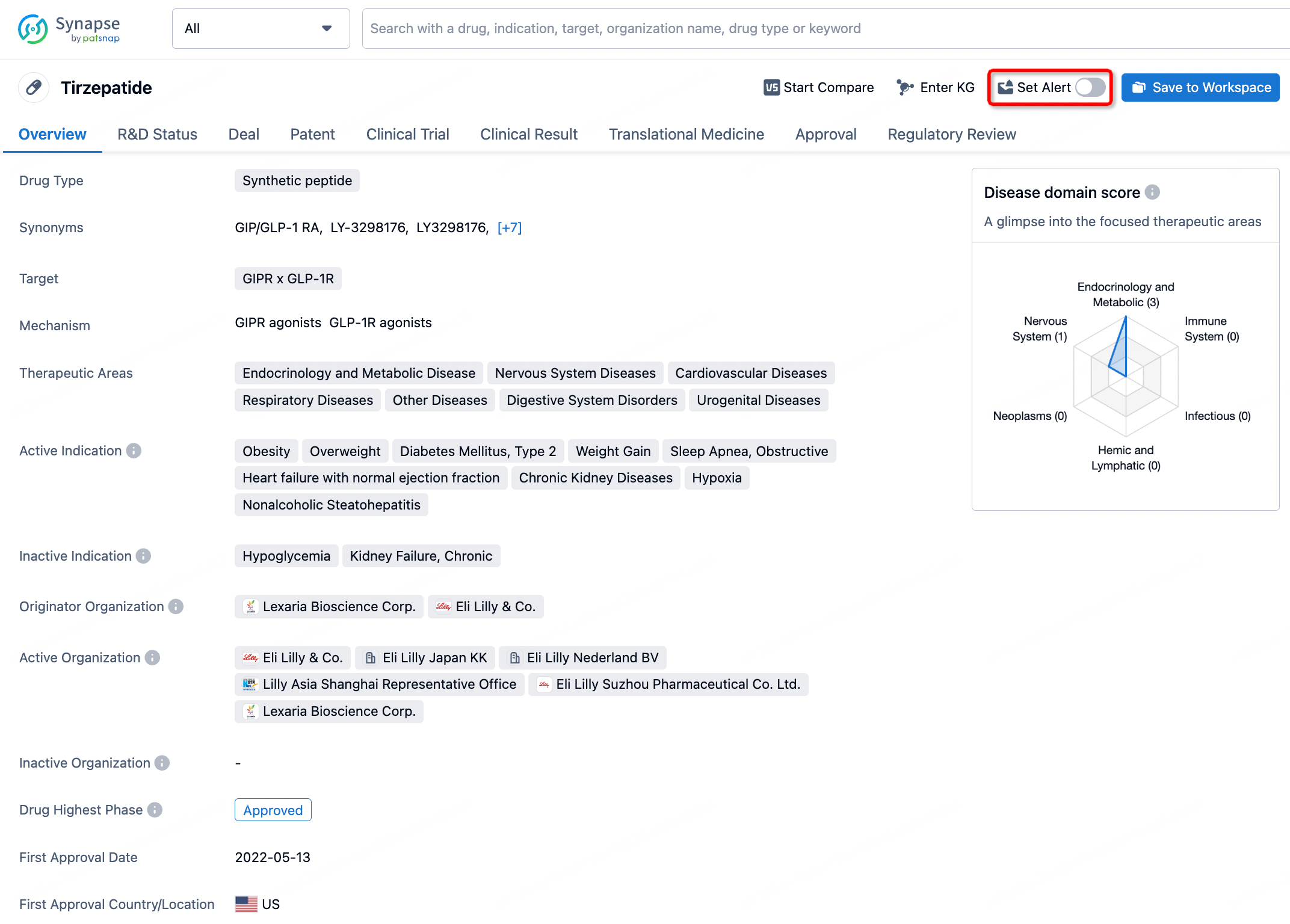
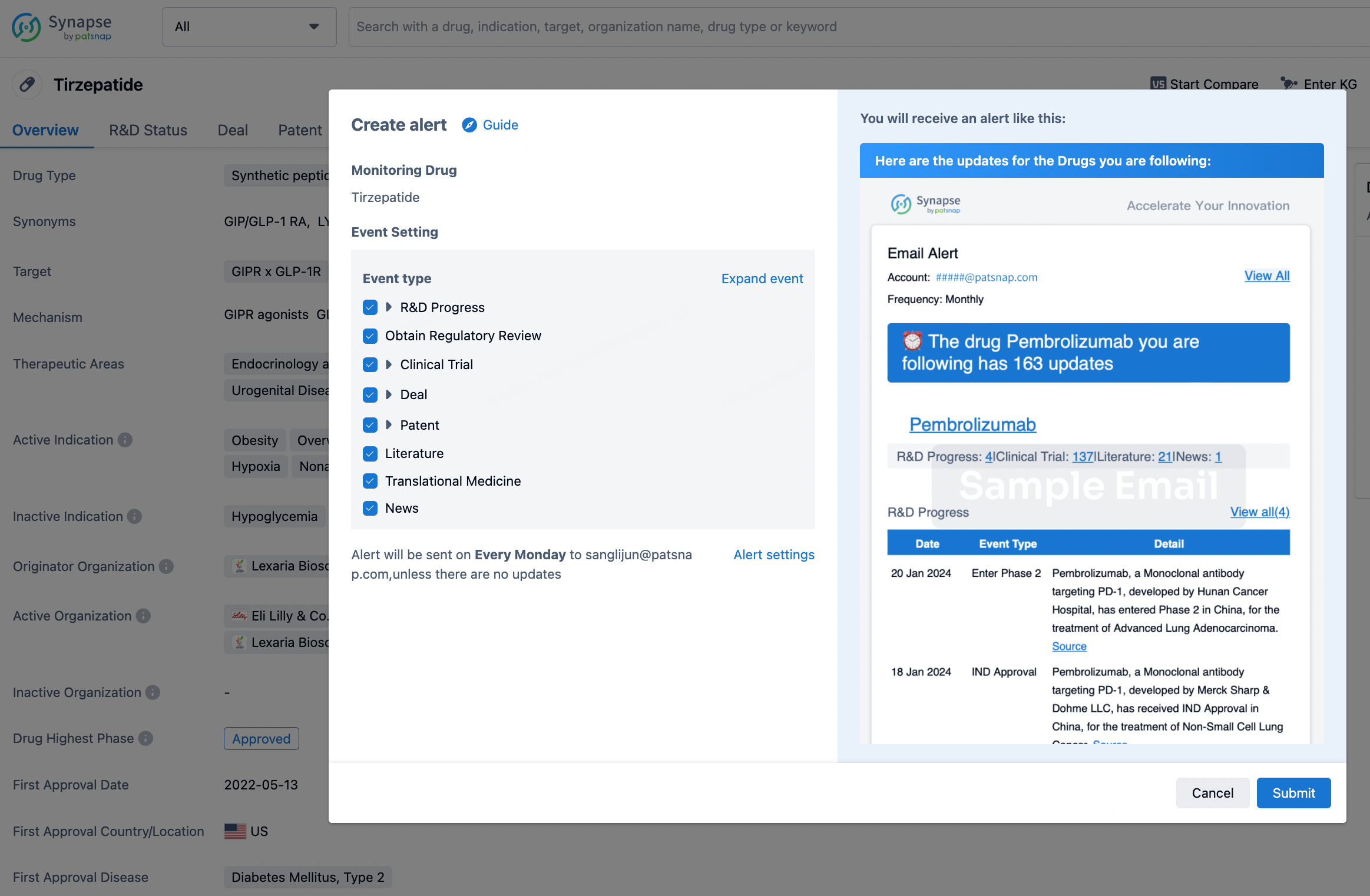
In the Synapse database, you can stay updated on the latest research and development advances of all drugs. This service is accessible anytime and anywhere, with updates available daily or weekly. Use the "Set Alert" function to stay informed. Click on the image below to embark on a brand new journey of drug discovery!
AI Agents Built for Biopharma Breakthroughs
Accelerate discovery. Empower decisions. Transform outcomes.
Get started for free today!
Accelerate Strategic R&D decision making with Synapse, PatSnap’s AI-powered Connected Innovation Intelligence Platform Built for Life Sciences Professionals.
Start your data trial now!
Synapse data is also accessible to external entities via APIs or data packages. Empower better decisions with the latest in pharmaceutical intelligence.