Request Demo
What is the mechanism of Propentofylline?
18 July 2024
Propentofylline is a methylxanthine derivative that has been studied for its potential neuroprotective and anti-inflammatory properties. The mechanism by which propentofylline exerts these effects is multifaceted and involves several biochemical pathways. Understanding these mechanisms can provide insight into how this compound may be beneficial in treating conditions such as Alzheimer's disease, vascular dementia, and other neurodegenerative disorders.
One of the primary mechanisms of propentofylline is its role as an adenosine reuptake inhibitor. By inhibiting the reuptake of adenosine, propentofylline increases the extracellular concentration of this nucleoside. Adenosine plays a crucial role in the central nervous system by modulating neurotransmission and exerting neuroprotective effects. Elevated levels of adenosine can lead to the activation of adenosine receptors, which are known to have anti-inflammatory and neuroprotective effects. This receptor activation helps in reducing the release of pro-inflammatory cytokines and can mitigate neuroinflammation, which is a hallmark of many neurodegenerative diseases.
In addition to its action on adenosine pathways, propentofylline also inhibits phosphodiesterase (PDE) enzymes. PDEs are responsible for the breakdown of cyclic AMP (cAMP) and cyclic GMP (cGMP), which are important secondary messengers in cellular signaling pathways. By inhibiting PDE enzymes, propentofylline increases the levels of cAMP and cGMP within cells. Elevated cAMP and cGMP levels can enhance various cellular processes, including the activation of protein kinase A (PKA) and protein kinase G (PKG). These kinases are involved in the regulation of gene expression, neuronal survival, and synaptic plasticity. The enhancement of these cellular processes contributes to the neuroprotective and cognitive-enhancing effects of propentofylline.
Another important mechanism of propentofylline is its ability to modulate the function of microglia and astrocytes, which are glial cells in the central nervous system. Microglia are the primary immune cells of the brain, and their activation is often associated with neuroinflammation. Propentofylline can inhibit the activation of microglia, thereby reducing their production of inflammatory mediators. Similarly, propentofylline affects astrocytes by promoting the release of neurotrophic factors such as nerve growth factor (NGF) and brain-derived neurotrophic factor (BDNF). These neurotrophic factors support neuronal health, survival, and plasticity, which are critical for cognitive function and recovery from neural injury.
Furthermore, propentofylline has been shown to possess antioxidative properties. Oxidative stress is a condition characterized by excessive production of reactive oxygen species (ROS) and is implicated in the pathogenesis of various neurodegenerative diseases. Propentofylline can reduce oxidative stress by scavenging ROS and enhancing the expression of antioxidant enzymes. This antioxidative action helps in protecting neurons from oxidative damage and contributes to the overall neuroprotective effect of the compound.
In summary, propentofylline exerts its neuroprotective and anti-inflammatory effects through multiple mechanisms. By inhibiting adenosine reuptake, modulating PDE activity, influencing glial cell function, and reducing oxidative stress, propentofylline enhances neuronal survival and function. These multifaceted actions make propentofylline a promising candidate for the treatment of neurodegenerative diseases and cognitive disorders. Further research is needed to fully elucidate its therapeutic potential and to develop effective clinical applications for this compound.
One of the primary mechanisms of propentofylline is its role as an adenosine reuptake inhibitor. By inhibiting the reuptake of adenosine, propentofylline increases the extracellular concentration of this nucleoside. Adenosine plays a crucial role in the central nervous system by modulating neurotransmission and exerting neuroprotective effects. Elevated levels of adenosine can lead to the activation of adenosine receptors, which are known to have anti-inflammatory and neuroprotective effects. This receptor activation helps in reducing the release of pro-inflammatory cytokines and can mitigate neuroinflammation, which is a hallmark of many neurodegenerative diseases.
In addition to its action on adenosine pathways, propentofylline also inhibits phosphodiesterase (PDE) enzymes. PDEs are responsible for the breakdown of cyclic AMP (cAMP) and cyclic GMP (cGMP), which are important secondary messengers in cellular signaling pathways. By inhibiting PDE enzymes, propentofylline increases the levels of cAMP and cGMP within cells. Elevated cAMP and cGMP levels can enhance various cellular processes, including the activation of protein kinase A (PKA) and protein kinase G (PKG). These kinases are involved in the regulation of gene expression, neuronal survival, and synaptic plasticity. The enhancement of these cellular processes contributes to the neuroprotective and cognitive-enhancing effects of propentofylline.
Another important mechanism of propentofylline is its ability to modulate the function of microglia and astrocytes, which are glial cells in the central nervous system. Microglia are the primary immune cells of the brain, and their activation is often associated with neuroinflammation. Propentofylline can inhibit the activation of microglia, thereby reducing their production of inflammatory mediators. Similarly, propentofylline affects astrocytes by promoting the release of neurotrophic factors such as nerve growth factor (NGF) and brain-derived neurotrophic factor (BDNF). These neurotrophic factors support neuronal health, survival, and plasticity, which are critical for cognitive function and recovery from neural injury.
Furthermore, propentofylline has been shown to possess antioxidative properties. Oxidative stress is a condition characterized by excessive production of reactive oxygen species (ROS) and is implicated in the pathogenesis of various neurodegenerative diseases. Propentofylline can reduce oxidative stress by scavenging ROS and enhancing the expression of antioxidant enzymes. This antioxidative action helps in protecting neurons from oxidative damage and contributes to the overall neuroprotective effect of the compound.
In summary, propentofylline exerts its neuroprotective and anti-inflammatory effects through multiple mechanisms. By inhibiting adenosine reuptake, modulating PDE activity, influencing glial cell function, and reducing oxidative stress, propentofylline enhances neuronal survival and function. These multifaceted actions make propentofylline a promising candidate for the treatment of neurodegenerative diseases and cognitive disorders. Further research is needed to fully elucidate its therapeutic potential and to develop effective clinical applications for this compound.
How to obtain the latest development progress of all drugs?
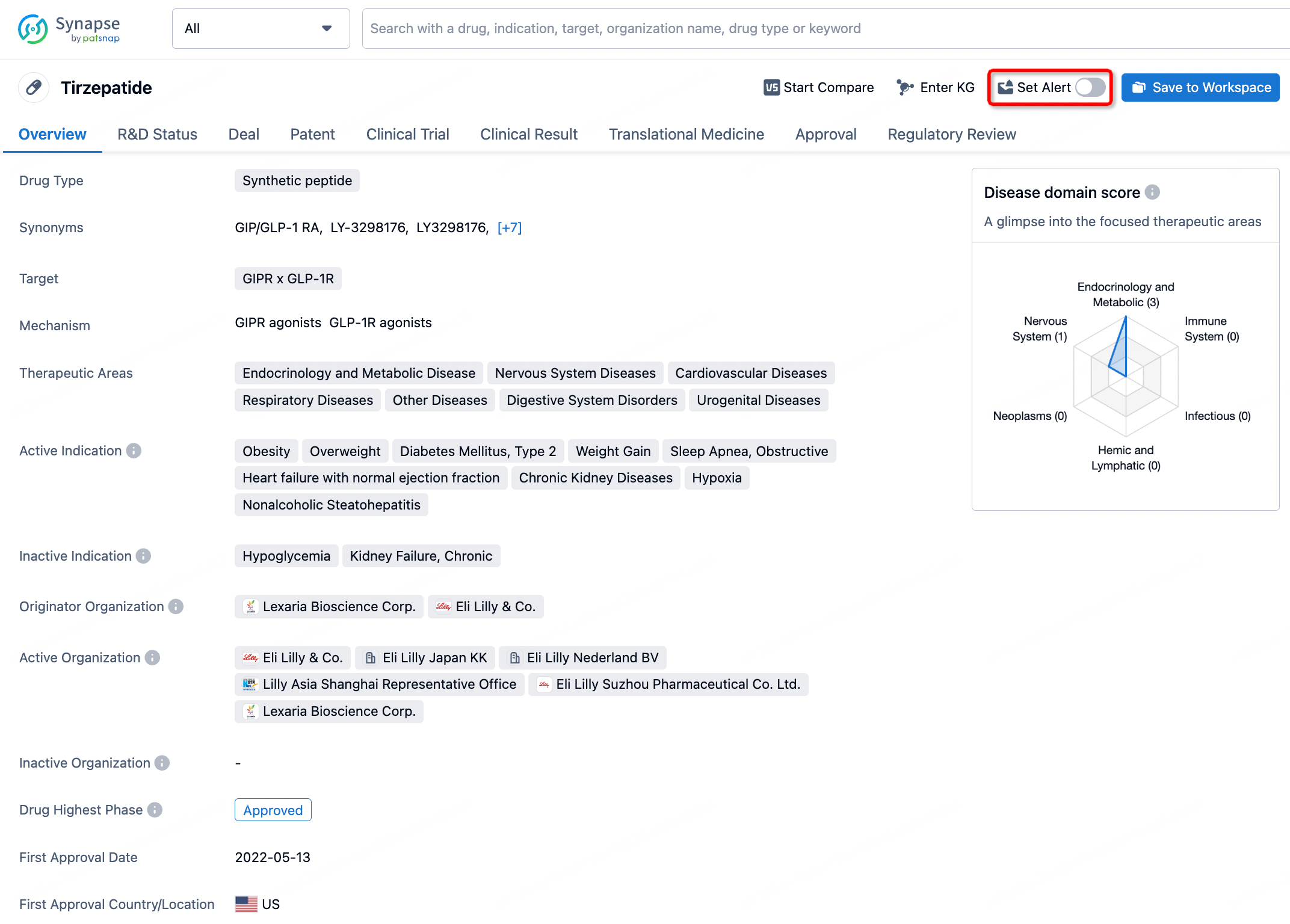
In the Synapse database, you can stay updated on the latest research and development advances of all drugs. This service is accessible anytime and anywhere, with updates available daily or weekly. Use the "Set Alert" function to stay informed. Click on the image below to embark on a brand new journey of drug discovery!


AI Agents Built for Biopharma Breakthroughs
Accelerate discovery. Empower decisions. Transform outcomes.
Get started for free today!
Accelerate Strategic R&D decision making with Synapse, PatSnap’s AI-powered Connected Innovation Intelligence Platform Built for Life Sciences Professionals.
Start your data trial now!
Synapse data is also accessible to external entities via APIs or data packages. Empower better decisions with the latest in pharmaceutical intelligence.