Request Demo
What is Tripamide used for?
15 June 2024
Tripamide, a widely recognized medication in the field of hypertension and related cardiovascular conditions, is a noteworthy pharmaceutical agent with a unique profile. Known by its trade names, including Tripamid, Tripam, and others, it stands as a promising option for those seeking effective blood pressure control. Tripamide primarily targets the renal system to exert its therapeutic effects, making it a significant player in the management of hypertension. This medication has garnered attention from leading research institutions and pharmaceutical companies, driving extensive research and development to further understand its potential benefits and applications.
As a type of thiazide-like diuretic, Tripamide belongs to a class of drugs that promote diuresis—the increased production of urine. It is particularly indicated for the treatment of hypertension (high blood pressure) and is sometimes used in the management of edema (fluid retention) associated with heart failure, liver cirrhosis, and kidney disorders. The research progress on Tripamide has been promising, with numerous clinical trials demonstrating its efficacy in reducing blood pressure and improving cardiovascular outcomes. Researchers continue to explore its full potential, aiming to optimize its use and uncover additional therapeutic applications.
The mechanism of action of Tripamide is rooted in its ability to influence the renal system, specifically the kidneys' handling of sodium and chloride ions. As a thiazide-like diuretic, Tripamide inhibits the sodium-chloride symporter in the distal convoluted tubule of the nephron, which is a functional unit of the kidney. This inhibition leads to decreased reabsorption of sodium and chloride ions back into the bloodstream. Consequently, more sodium and chloride, along with water, are excreted in the urine, resulting in increased urine output (diuresis).
By promoting the excretion of sodium and water, Tripamide reduces the overall fluid volume within the blood vessels. This reduction in blood volume leads to a decrease in blood pressure, as there is less fluid exerting pressure on the vessel walls. Additionally, Tripamide's diuretic effect helps alleviate the workload on the heart, making it a valuable option for patients with hypertension and heart failure. The precise mechanism by which Tripamide lowers blood pressure is multifaceted and involves both renal and vascular effects, contributing to its overall antihypertensive action.
Tripamide is typically administered orally in the form of tablets, making it a convenient option for patients. The dosage of Tripamide varies based on the individual's medical condition, response to treatment, and the specific formulation of the medication. It is usually taken once daily, preferably in the morning, to avoid nocturnal diuresis and minimize disruptions to sleep.
The onset of action of Tripamide is relatively rapid, with noticeable effects on blood pressure typically occurring within a few hours after administration. However, the full antihypertensive effect may take several days to weeks to manifest, as the body adjusts to the medication. It is essential for patients to adhere to the prescribed dosage and administration schedule to achieve optimal therapeutic outcomes. In some cases, healthcare providers may adjust the dosage based on the patient's response and any potential side effects.
Like all medications, Tripamide carries the risk of side effects, which can vary in severity and frequency among individuals. Common side effects associated with Tripamide include electrolyte imbalances, such as hypokalemia (low potassium levels), hyponatremia (low sodium levels), and hypomagnesemia (low magnesium levels). These imbalances can lead to symptoms such as muscle weakness, fatigue, dizziness, and irregular heartbeats.
Other potential side effects of Tripamide include gastrointestinal disturbances like nausea, vomiting, and diarrhea. Some patients may also experience increased sensitivity to sunlight (photosensitivity), skin rashes, and allergic reactions. Less commonly, Tripamide can cause more severe side effects such as pancreatitis, blood disorders, and liver dysfunction.
Certain contraindications should be considered before using Tripamide. Patients with a known hypersensitivity to thiazide or sulfonamide-derived drugs should avoid Tripamide. Additionally, it is contraindicated in individuals with severe renal impairment, anuria (absence of urine production), and severe electrolyte imbalances. Before initiating Tripamide therapy, healthcare providers should conduct a thorough assessment of the patient's medical history and current medications to identify any potential contraindications or risk factors.
The effectiveness and safety of Tripamide can be influenced by interactions with other medications. It is crucial for healthcare providers to be aware of these potential interactions to ensure optimal patient care. Some notable drug interactions with Tripamide include:
1. **Antihypertensive Agents:** Tripamide can enhance the blood-pressure-lowering effects of other antihypertensive medications, such as ACE inhibitors, angiotensin II receptor blockers (ARBs), beta-blockers, and calcium channel blockers. This interaction may require dose adjustments to prevent excessive hypotension.
2. **Nonsteroidal Anti-Inflammatory Drugs (NSAIDs):** NSAIDs, including ibuprofen and naproxen, can reduce the diuretic and antihypertensive effects of Tripamide. This interaction may diminish the overall efficacy of Tripamide in controlling blood pressure.
3. **Potassium-Sparing Diuretics:** Concurrent use of potassium-sparing diuretics (e.g., spironolactone, amiloride) with Tripamide can mitigate the risk of hypokalemia but may also increase the risk of hyperkalemia (high potassium levels). Close monitoring of electrolyte levels is essential in such cases.
4. **Corticosteroids:** The use of corticosteroids (e.g., prednisone) with Tripamide can exacerbate electrolyte imbalances, particularly hypokalemia. Patients receiving both medications should have their electrolyte levels closely monitored.
5. **Lithium:** Tripamide can reduce the renal clearance of lithium, leading to increased lithium levels in the blood. This interaction can increase the risk of lithium toxicity, necessitating careful monitoring of lithium levels in patients on both medications.
6. **Diabetes Medications:** Tripamide can affect blood glucose levels, potentially requiring adjustments in the dosages of diabetes medications such as insulin or oral hypoglycemic agents.
In conclusion, Tripamide is a valuable medication in the management of hypertension and related cardiovascular conditions. Its mechanism of action, involving the inhibition of sodium and chloride reabsorption in the kidneys, contributes to its diuretic and antihypertensive effects. Proper administration, awareness of potential side effects, contraindications, and drug interactions are essential for optimizing the therapeutic benefits of Tripamide while minimizing risks. As research continues to advance, Tripamide holds promise for further enhancing the management of hypertension and improving patient outcomes.
As a type of thiazide-like diuretic, Tripamide belongs to a class of drugs that promote diuresis—the increased production of urine. It is particularly indicated for the treatment of hypertension (high blood pressure) and is sometimes used in the management of edema (fluid retention) associated with heart failure, liver cirrhosis, and kidney disorders. The research progress on Tripamide has been promising, with numerous clinical trials demonstrating its efficacy in reducing blood pressure and improving cardiovascular outcomes. Researchers continue to explore its full potential, aiming to optimize its use and uncover additional therapeutic applications.
The mechanism of action of Tripamide is rooted in its ability to influence the renal system, specifically the kidneys' handling of sodium and chloride ions. As a thiazide-like diuretic, Tripamide inhibits the sodium-chloride symporter in the distal convoluted tubule of the nephron, which is a functional unit of the kidney. This inhibition leads to decreased reabsorption of sodium and chloride ions back into the bloodstream. Consequently, more sodium and chloride, along with water, are excreted in the urine, resulting in increased urine output (diuresis).
By promoting the excretion of sodium and water, Tripamide reduces the overall fluid volume within the blood vessels. This reduction in blood volume leads to a decrease in blood pressure, as there is less fluid exerting pressure on the vessel walls. Additionally, Tripamide's diuretic effect helps alleviate the workload on the heart, making it a valuable option for patients with hypertension and heart failure. The precise mechanism by which Tripamide lowers blood pressure is multifaceted and involves both renal and vascular effects, contributing to its overall antihypertensive action.
Tripamide is typically administered orally in the form of tablets, making it a convenient option for patients. The dosage of Tripamide varies based on the individual's medical condition, response to treatment, and the specific formulation of the medication. It is usually taken once daily, preferably in the morning, to avoid nocturnal diuresis and minimize disruptions to sleep.
The onset of action of Tripamide is relatively rapid, with noticeable effects on blood pressure typically occurring within a few hours after administration. However, the full antihypertensive effect may take several days to weeks to manifest, as the body adjusts to the medication. It is essential for patients to adhere to the prescribed dosage and administration schedule to achieve optimal therapeutic outcomes. In some cases, healthcare providers may adjust the dosage based on the patient's response and any potential side effects.
Like all medications, Tripamide carries the risk of side effects, which can vary in severity and frequency among individuals. Common side effects associated with Tripamide include electrolyte imbalances, such as hypokalemia (low potassium levels), hyponatremia (low sodium levels), and hypomagnesemia (low magnesium levels). These imbalances can lead to symptoms such as muscle weakness, fatigue, dizziness, and irregular heartbeats.
Other potential side effects of Tripamide include gastrointestinal disturbances like nausea, vomiting, and diarrhea. Some patients may also experience increased sensitivity to sunlight (photosensitivity), skin rashes, and allergic reactions. Less commonly, Tripamide can cause more severe side effects such as pancreatitis, blood disorders, and liver dysfunction.
Certain contraindications should be considered before using Tripamide. Patients with a known hypersensitivity to thiazide or sulfonamide-derived drugs should avoid Tripamide. Additionally, it is contraindicated in individuals with severe renal impairment, anuria (absence of urine production), and severe electrolyte imbalances. Before initiating Tripamide therapy, healthcare providers should conduct a thorough assessment of the patient's medical history and current medications to identify any potential contraindications or risk factors.
The effectiveness and safety of Tripamide can be influenced by interactions with other medications. It is crucial for healthcare providers to be aware of these potential interactions to ensure optimal patient care. Some notable drug interactions with Tripamide include:
1. **Antihypertensive Agents:** Tripamide can enhance the blood-pressure-lowering effects of other antihypertensive medications, such as ACE inhibitors, angiotensin II receptor blockers (ARBs), beta-blockers, and calcium channel blockers. This interaction may require dose adjustments to prevent excessive hypotension.
2. **Nonsteroidal Anti-Inflammatory Drugs (NSAIDs):** NSAIDs, including ibuprofen and naproxen, can reduce the diuretic and antihypertensive effects of Tripamide. This interaction may diminish the overall efficacy of Tripamide in controlling blood pressure.
3. **Potassium-Sparing Diuretics:** Concurrent use of potassium-sparing diuretics (e.g., spironolactone, amiloride) with Tripamide can mitigate the risk of hypokalemia but may also increase the risk of hyperkalemia (high potassium levels). Close monitoring of electrolyte levels is essential in such cases.
4. **Corticosteroids:** The use of corticosteroids (e.g., prednisone) with Tripamide can exacerbate electrolyte imbalances, particularly hypokalemia. Patients receiving both medications should have their electrolyte levels closely monitored.
5. **Lithium:** Tripamide can reduce the renal clearance of lithium, leading to increased lithium levels in the blood. This interaction can increase the risk of lithium toxicity, necessitating careful monitoring of lithium levels in patients on both medications.
6. **Diabetes Medications:** Tripamide can affect blood glucose levels, potentially requiring adjustments in the dosages of diabetes medications such as insulin or oral hypoglycemic agents.
In conclusion, Tripamide is a valuable medication in the management of hypertension and related cardiovascular conditions. Its mechanism of action, involving the inhibition of sodium and chloride reabsorption in the kidneys, contributes to its diuretic and antihypertensive effects. Proper administration, awareness of potential side effects, contraindications, and drug interactions are essential for optimizing the therapeutic benefits of Tripamide while minimizing risks. As research continues to advance, Tripamide holds promise for further enhancing the management of hypertension and improving patient outcomes.
How to obtain the latest development progress of all drugs?
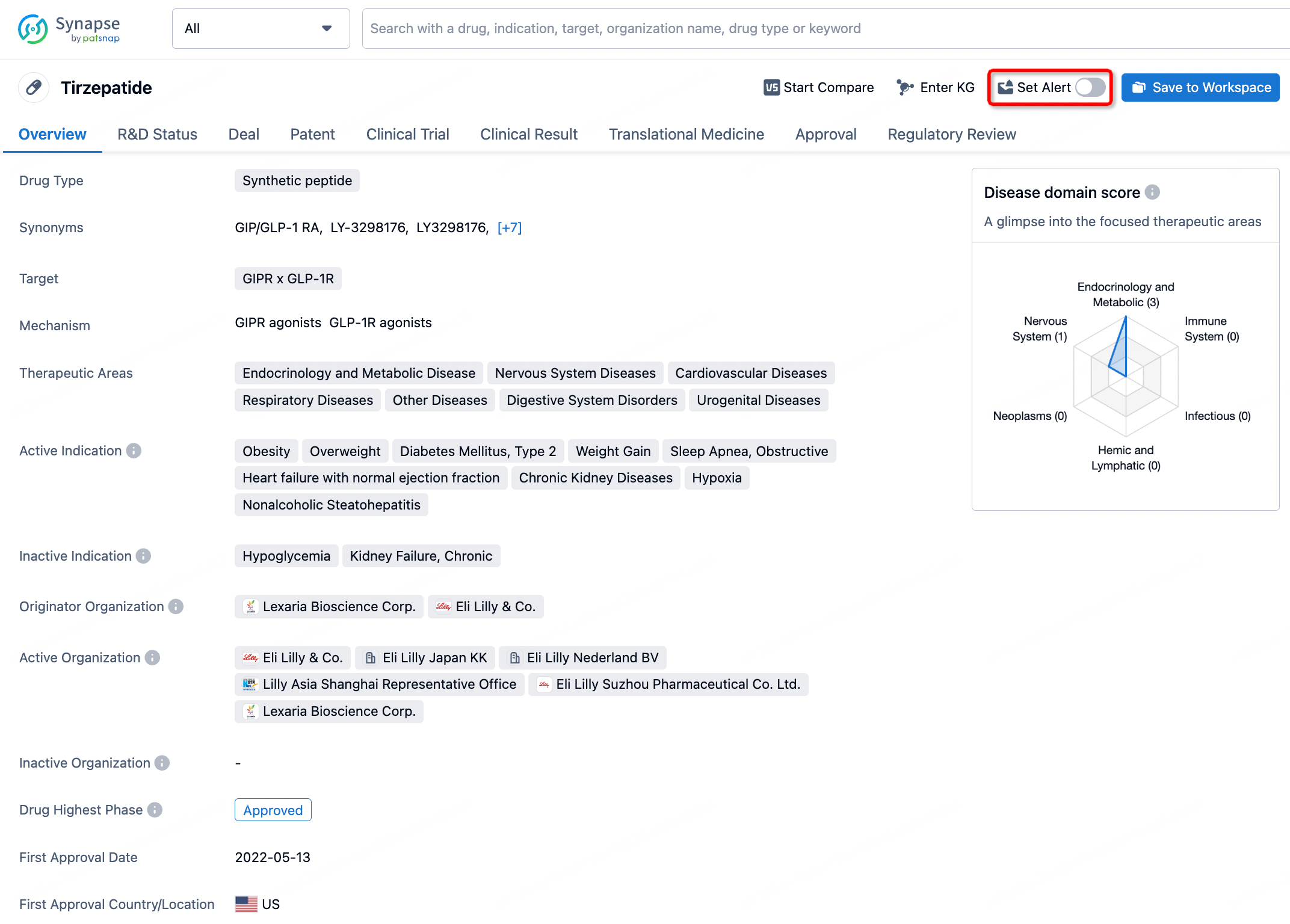
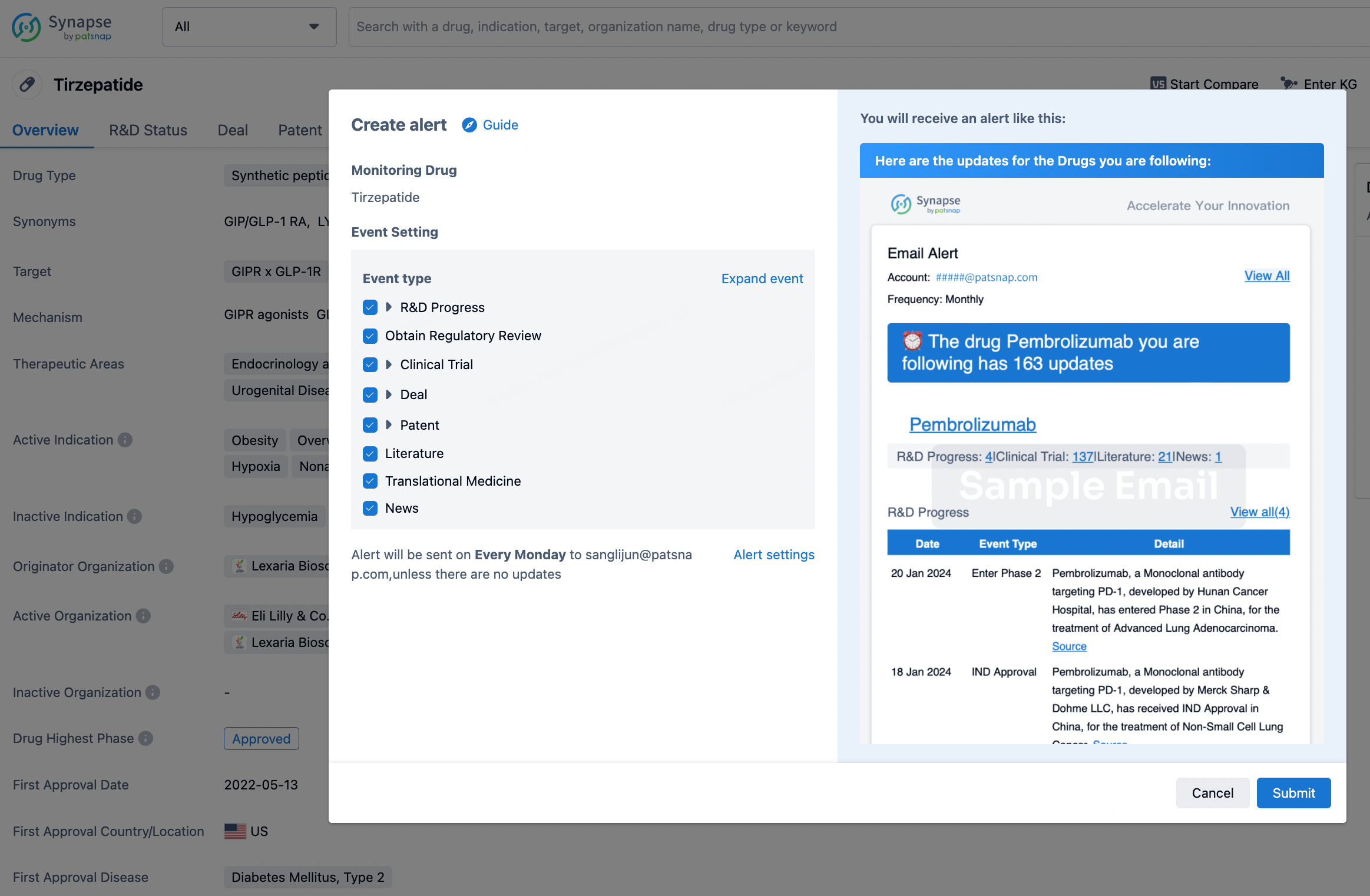
In the Synapse database, you can stay updated on the latest research and development advances of all drugs. This service is accessible anytime and anywhere, with updates available daily or weekly. Use the "Set Alert" function to stay informed. Click on the image below to embark on a brand new journey of drug discovery!

Hiro LS Researcher
The AI Search Engine Built to Accelerate Biopharma Decisions
Search across billion-scale life sciences data to uncover signals, validate evidence, and act with confidence.
Ask any biopharma research question→
Get started for free today!
Accelerate Strategic R&D decision making with Synapse, Patsnap’s AI-powered Connected Innovation Intelligence Platform Built for Life Sciences Professionals.
Discover Synapse Data Servers
Synapse data is now integrated into the PatSnap LS Model Context Protocol (MCP) service. Customize your LLM agent now using our MCP server!