Request Demo
What is Azithromycin Lactobionate used for?
14 June 2024
Azithromycin Lactobionate, a semisynthetic macrolide antibiotic, is widely known by its trade name Zithromax. It is a derivative of erythromycin with an improved pharmacokinetic profile, allowing for more convenient dosing schedules. Research institutions across the globe have shown interest in this drug due to its broad-spectrum antibacterial properties. One of the primary targets of Azithromycin Lactobionate is the bacterial ribosome. By binding to the 50S subunit of the bacterial ribosome, it inhibits protein synthesis, thus preventing the growth and replication of bacteria. This drug is particularly effective against a variety of Gram-positive, Gram-negative, and atypical bacteria.
Azithromycin Lactobionate is typically indicated for the treatment of various bacterial infections, including respiratory tract infections (such as bronchitis and pneumonia), skin infections, ear infections, and sexually transmitted diseases like chlamydia. It has also been explored for its potential use in treating certain COVID-19 symptoms, although research is still ongoing to determine its efficacy against the virus. The drug has garnered considerable attention due to its relatively mild side effect profile compared to other antibiotics, making it a preferred choice for many patients.
The mechanism of action of Azithromycin Lactobionate revolves around its ability to inhibit bacterial protein synthesis. The drug achieves this by binding to the 23S rRNA of the bacterial 50S ribosomal subunit. This binding action blocks the translocation steps in protein synthesis, thereby preventing the bacteria from growing and replicating. Unlike traditional antibiotics that require frequent dosing, Azithromycin Lactobionate boasts a long half-life, which allows for once-daily dosing. This extended half-life is due to its ability to accumulate in tissues and release slowly, maintaining therapeutic levels for an extended period.
Azithromycin Lactobionate is available in various forms, including oral tablets, liquid suspensions, and intravenous formulations. The method of administration depends on the severity and type of infection being treated. For less severe infections, oral administration is typically sufficient. For more severe or systemic infections, intravenous administration may be necessary. The onset of action for Azithromycin Lactobionate can vary; however, patients generally begin to experience relief from symptoms within 48 to 72 hours of starting the treatment. It is crucial to complete the entire prescribed course of the antibiotic, even if symptoms improve, to ensure the complete eradication of the bacteria and to prevent the development of antibiotic resistance.
Like all medications, Azithromycin Lactobionate comes with potential side effects. The most commonly reported side effects include gastrointestinal symptoms such as nausea, vomiting, diarrhea, and abdominal pain. These side effects are usually mild and transient. However, more severe side effects can occur, although they are rare. These can include allergic reactions, liver toxicity, and QT interval prolongation, which can lead to serious cardiac arrhythmias. Due to these potential risks, Azithromycin Lactobionate should be used with caution in patients with a history of liver disease or cardiac issues. It is also contraindicated in patients with known hypersensitivity to macrolide antibiotics.
Certain medications can interact with Azithromycin Lactobionate, potentially altering its efficacy or increasing the risk of adverse effects. For instance, antacids containing aluminum or magnesium can interfere with the absorption of the drug, reducing its effectiveness. It is recommended to take Azithromycin at least one hour before or two hours after consuming these antacids. Other drugs that may interact with Azithromycin include warfarin, which can increase the risk of bleeding, and certain statins, which can raise the risk of muscle-related side effects. Additionally, combining Azithromycin with other medications that prolong the QT interval, such as certain antipsychotics or antiarrhythmics, can increase the risk of cardiac arrhythmias.
In conclusion, Azithromycin Lactobionate is a valuable antibiotic with a broad spectrum of activity against various bacterial infections. Its unique mechanism of action, favorable pharmacokinetic profile, and relatively mild side effect profile make it a popular choice in clinical practice. However, like all medications, it must be used judiciously to avoid potential side effects and interactions with other drugs. Ongoing research continues to explore new indications and optimize its use in different patient populations, ensuring that this versatile antibiotic remains a cornerstone in the fight against bacterial infections.
Azithromycin Lactobionate is typically indicated for the treatment of various bacterial infections, including respiratory tract infections (such as bronchitis and pneumonia), skin infections, ear infections, and sexually transmitted diseases like chlamydia. It has also been explored for its potential use in treating certain COVID-19 symptoms, although research is still ongoing to determine its efficacy against the virus. The drug has garnered considerable attention due to its relatively mild side effect profile compared to other antibiotics, making it a preferred choice for many patients.
The mechanism of action of Azithromycin Lactobionate revolves around its ability to inhibit bacterial protein synthesis. The drug achieves this by binding to the 23S rRNA of the bacterial 50S ribosomal subunit. This binding action blocks the translocation steps in protein synthesis, thereby preventing the bacteria from growing and replicating. Unlike traditional antibiotics that require frequent dosing, Azithromycin Lactobionate boasts a long half-life, which allows for once-daily dosing. This extended half-life is due to its ability to accumulate in tissues and release slowly, maintaining therapeutic levels for an extended period.
Azithromycin Lactobionate is available in various forms, including oral tablets, liquid suspensions, and intravenous formulations. The method of administration depends on the severity and type of infection being treated. For less severe infections, oral administration is typically sufficient. For more severe or systemic infections, intravenous administration may be necessary. The onset of action for Azithromycin Lactobionate can vary; however, patients generally begin to experience relief from symptoms within 48 to 72 hours of starting the treatment. It is crucial to complete the entire prescribed course of the antibiotic, even if symptoms improve, to ensure the complete eradication of the bacteria and to prevent the development of antibiotic resistance.
Like all medications, Azithromycin Lactobionate comes with potential side effects. The most commonly reported side effects include gastrointestinal symptoms such as nausea, vomiting, diarrhea, and abdominal pain. These side effects are usually mild and transient. However, more severe side effects can occur, although they are rare. These can include allergic reactions, liver toxicity, and QT interval prolongation, which can lead to serious cardiac arrhythmias. Due to these potential risks, Azithromycin Lactobionate should be used with caution in patients with a history of liver disease or cardiac issues. It is also contraindicated in patients with known hypersensitivity to macrolide antibiotics.
Certain medications can interact with Azithromycin Lactobionate, potentially altering its efficacy or increasing the risk of adverse effects. For instance, antacids containing aluminum or magnesium can interfere with the absorption of the drug, reducing its effectiveness. It is recommended to take Azithromycin at least one hour before or two hours after consuming these antacids. Other drugs that may interact with Azithromycin include warfarin, which can increase the risk of bleeding, and certain statins, which can raise the risk of muscle-related side effects. Additionally, combining Azithromycin with other medications that prolong the QT interval, such as certain antipsychotics or antiarrhythmics, can increase the risk of cardiac arrhythmias.
In conclusion, Azithromycin Lactobionate is a valuable antibiotic with a broad spectrum of activity against various bacterial infections. Its unique mechanism of action, favorable pharmacokinetic profile, and relatively mild side effect profile make it a popular choice in clinical practice. However, like all medications, it must be used judiciously to avoid potential side effects and interactions with other drugs. Ongoing research continues to explore new indications and optimize its use in different patient populations, ensuring that this versatile antibiotic remains a cornerstone in the fight against bacterial infections.
How to obtain the latest development progress of all drugs?
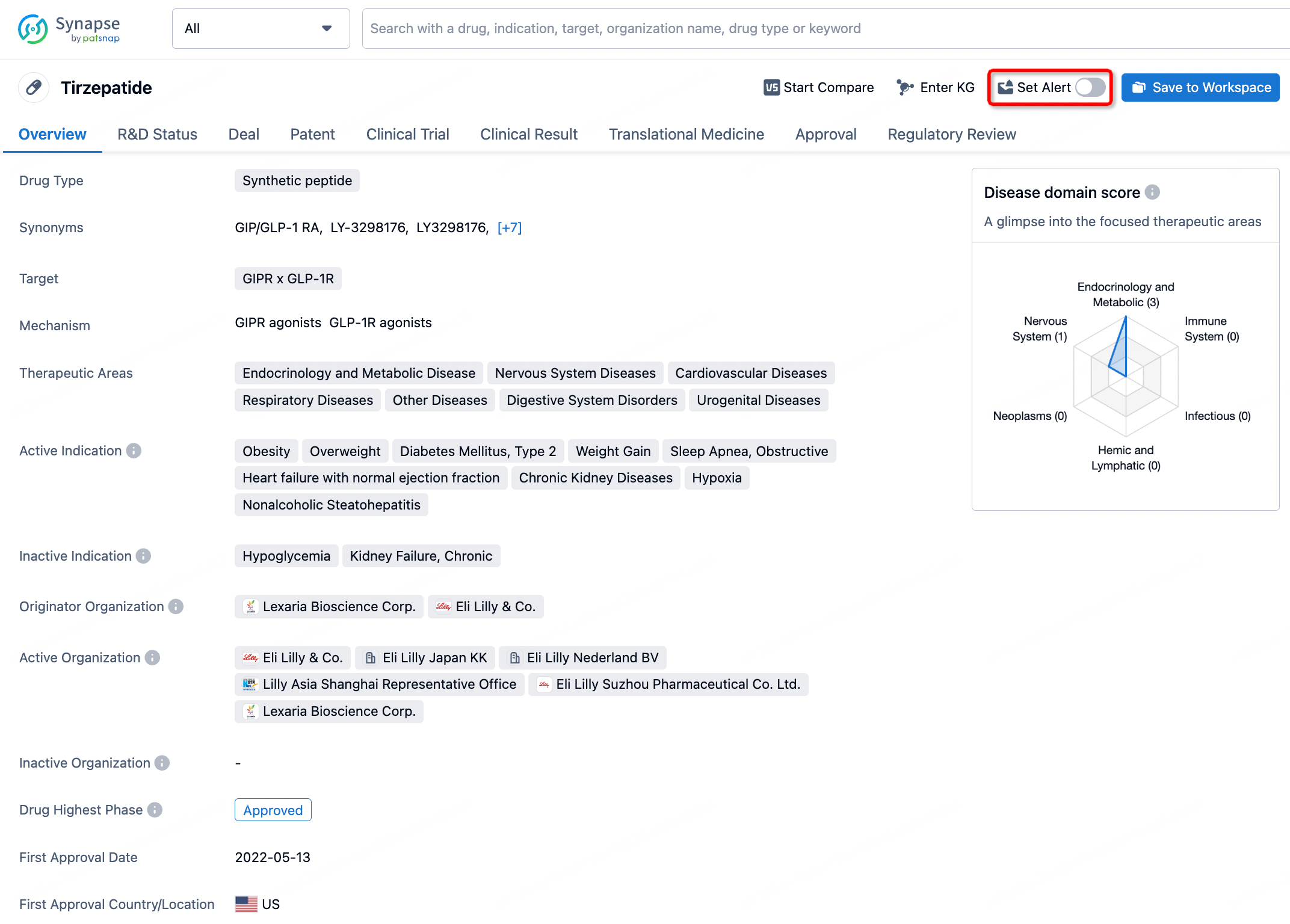
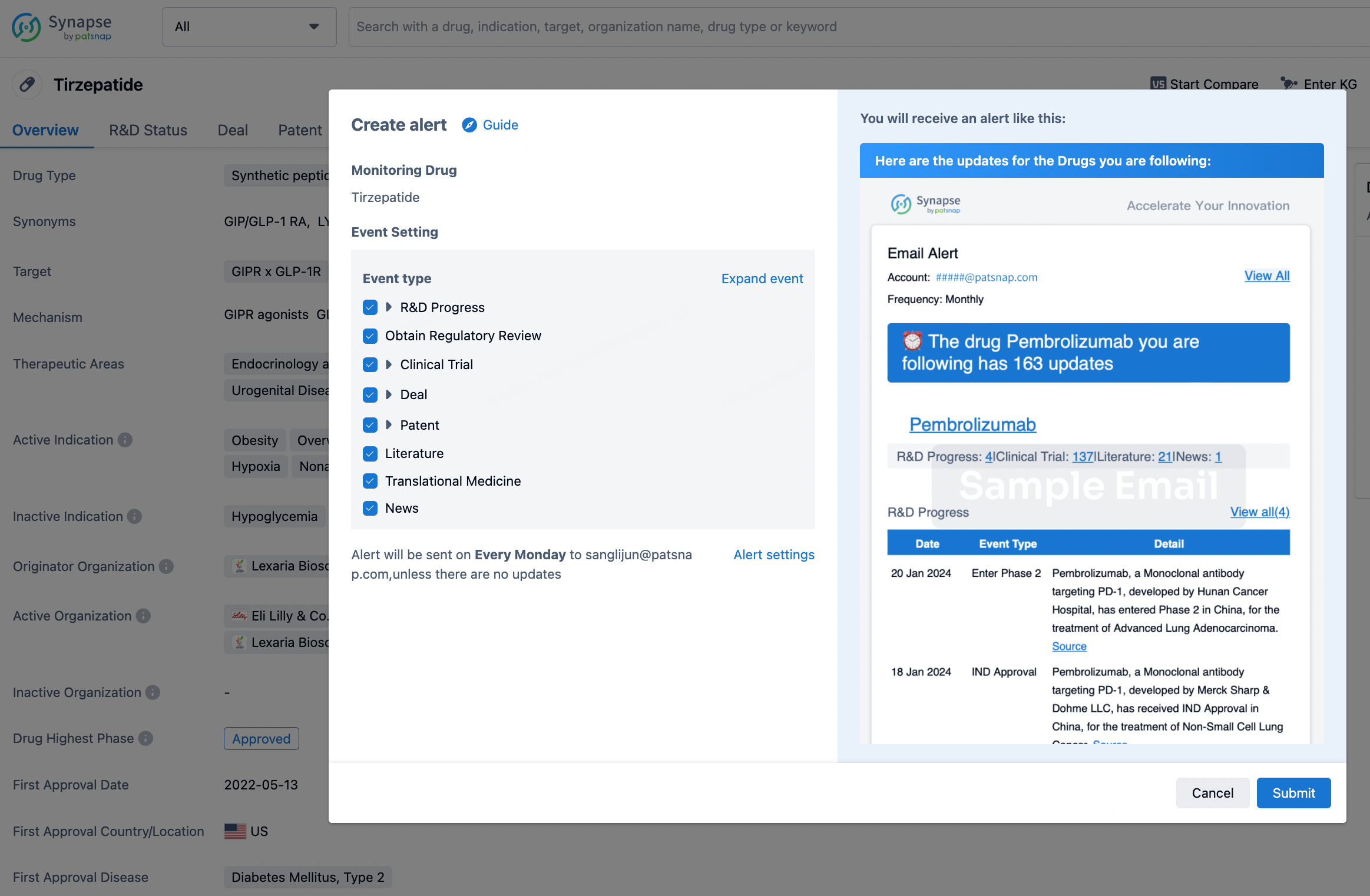
In the Synapse database, you can stay updated on the latest research and development advances of all drugs. This service is accessible anytime and anywhere, with updates available daily or weekly. Use the "Set Alert" function to stay informed. Click on the image below to embark on a brand new journey of drug discovery!
AI Agents Built for Biopharma Breakthroughs
Accelerate discovery. Empower decisions. Transform outcomes.
Get started for free today!
Accelerate Strategic R&D decision making with Synapse, PatSnap’s AI-powered Connected Innovation Intelligence Platform Built for Life Sciences Professionals.
Start your data trial now!
Synapse data is also accessible to external entities via APIs or data packages. Empower better decisions with the latest in pharmaceutical intelligence.