Request Demo
What is Furbenicillin Sodium used for?
15 June 2024
Furbenicillin Sodium is an antibiotic drug known by several trade names and primarily used in the treatment of infections caused by Gram-negative bacteria. It falls under the category of penicillins, which are a group of antibiotics derived from Penicillium fungi. This drug is particularly noteworthy for its efficacy against Pseudomonas aeruginosa, a common bacterium that can cause serious infections, especially in individuals with compromised immune systems.
Developed and researched extensively by various pharmaceutical companies and institutions, Furbenicillin Sodium has been a subject of interest due to its broad-spectrum antibacterial effects and its ability to treat infections resistant to other antibiotics. Initially synthesized as an improvement to earlier penicillin-based treatments, the drug has gone through multiple phases of clinical trials and has been widely studied in both laboratory and clinical settings. Its indications include the treatment of urinary tract infections, respiratory tract infections, septicemia, skin infections, and certain types of bacterial meningitis.
The mechanism of action of Furbenicillin Sodium, like other β-lactam antibiotics, involves the inhibition of bacterial cell wall synthesis. Specifically, Furbenicillin Sodium targets penicillin-binding proteins (PBPs), which are crucial for the construction of the bacterial cell wall. These proteins catalyze the cross-linking of the peptidoglycan layer, an essential component of the cell wall that provides structural integrity to the bacteria.
By binding to these PBPs, Furbenicillin Sodium disrupts the construction and repair of the cell wall, leading to the eventual lysis and death of the bacterial cell. This mechanism is particularly effective against actively dividing bacteria, as they are constantly synthesizing new cell wall material. While Furbenicillin Sodium is potent against Gram-negative bacteria, its efficacy against Gram-positive bacteria is more limited.
Furbenicillin Sodium is typically administered through intramuscular or intravenous injection, given its poor absorption when taken orally. The dosage and frequency of administration depend on the severity and type of infection being treated, as well as the patient’s age, weight, and renal function. For serious infections, high doses are often required, and these are usually given every four to six hours to maintain effective drug levels in the bloodstream.
The onset of action for Furbenicillin Sodium is relatively rapid, with therapeutic effects generally observable within a few hours of administration. However, the complete resolution of symptoms can take several days, depending on the infection's severity and the patient's overall health. In hospital settings, the drug is often administered continuously or in divided doses to ensure a sustained antibacterial effect.
Furbenicillin Sodium, like other antibiotics, can cause a range of side effects. Common side effects include nausea, vomiting, diarrhea, and skin rashes. More severe reactions, although less common, can include anaphylaxis, a life-threatening allergic reaction characterized by difficulty breathing, swelling of the throat, and a drop in blood pressure. Other serious side effects may include pseudomembranous colitis, a severe inflammation of the colon caused by the overgrowth of Clostridioides difficile bacteria, which can occur when the normal gut flora is disrupted by antibiotic treatment.
Contraindications for the use of Furbenicillin Sodium include known hypersensitivity to penicillins or any β-lactam antibiotics, as cross-reactivity can occur. Patients with a history of severe allergic reactions to penicillins should avoid using this drug. Additionally, caution is advised in patients with renal impairment, as the drug is primarily excreted through the kidneys, and dosage adjustments may be necessary to prevent toxicity.
Furbenicillin Sodium can interact with several other medications, potentially altering its effectiveness or increasing the risk of adverse effects. For instance, concomitant use of probenecid, a drug used to treat gout, can increase the levels of Furbenicillin Sodium in the blood by inhibiting its renal excretion. This interaction can enhance the antibiotic's effectiveness but may also raise the risk of toxicity.
Other antibiotics, such as aminoglycosides, can have a synergistic effect when used together with Furbenicillin Sodium, particularly against Pseudomonas aeruginosa. However, the simultaneous use of bacteriostatic antibiotics (such as tetracyclines or chloramphenicol) can antagonize the bactericidal effects of Furbenicillin Sodium, reducing its efficacy.
Nonsteroidal anti-inflammatory drugs (NSAIDs), like ibuprofen and aspirin, can also interact with Furbenicillin Sodium. NSAIDs can compete for renal tubular secretion, potentially leading to increased levels of the antibiotic in the bloodstream and a higher risk of adverse effects. Moreover, patients taking anticoagulants, such as warfarin, should be monitored closely, as Furbenicillin Sodium can enhance the anticoagulant effect and increase the risk of bleeding.
In conclusion, Furbenicillin Sodium is a potent antibiotic with specific indications for treating serious infections caused by Gram-negative bacteria. Its ability to inhibit bacterial cell wall synthesis makes it a valuable tool in the fight against bacterial infections, particularly those resistant to other treatments. However, its use must be carefully managed to avoid side effects, interactions with other drugs, and the development of antibiotic resistance. As with any medication, it is essential for healthcare providers to consider the full clinical picture, including potential contraindications and interactions, to ensure the safe and effective use of Furbenicillin Sodium.
Developed and researched extensively by various pharmaceutical companies and institutions, Furbenicillin Sodium has been a subject of interest due to its broad-spectrum antibacterial effects and its ability to treat infections resistant to other antibiotics. Initially synthesized as an improvement to earlier penicillin-based treatments, the drug has gone through multiple phases of clinical trials and has been widely studied in both laboratory and clinical settings. Its indications include the treatment of urinary tract infections, respiratory tract infections, septicemia, skin infections, and certain types of bacterial meningitis.
The mechanism of action of Furbenicillin Sodium, like other β-lactam antibiotics, involves the inhibition of bacterial cell wall synthesis. Specifically, Furbenicillin Sodium targets penicillin-binding proteins (PBPs), which are crucial for the construction of the bacterial cell wall. These proteins catalyze the cross-linking of the peptidoglycan layer, an essential component of the cell wall that provides structural integrity to the bacteria.
By binding to these PBPs, Furbenicillin Sodium disrupts the construction and repair of the cell wall, leading to the eventual lysis and death of the bacterial cell. This mechanism is particularly effective against actively dividing bacteria, as they are constantly synthesizing new cell wall material. While Furbenicillin Sodium is potent against Gram-negative bacteria, its efficacy against Gram-positive bacteria is more limited.
Furbenicillin Sodium is typically administered through intramuscular or intravenous injection, given its poor absorption when taken orally. The dosage and frequency of administration depend on the severity and type of infection being treated, as well as the patient’s age, weight, and renal function. For serious infections, high doses are often required, and these are usually given every four to six hours to maintain effective drug levels in the bloodstream.
The onset of action for Furbenicillin Sodium is relatively rapid, with therapeutic effects generally observable within a few hours of administration. However, the complete resolution of symptoms can take several days, depending on the infection's severity and the patient's overall health. In hospital settings, the drug is often administered continuously or in divided doses to ensure a sustained antibacterial effect.
Furbenicillin Sodium, like other antibiotics, can cause a range of side effects. Common side effects include nausea, vomiting, diarrhea, and skin rashes. More severe reactions, although less common, can include anaphylaxis, a life-threatening allergic reaction characterized by difficulty breathing, swelling of the throat, and a drop in blood pressure. Other serious side effects may include pseudomembranous colitis, a severe inflammation of the colon caused by the overgrowth of Clostridioides difficile bacteria, which can occur when the normal gut flora is disrupted by antibiotic treatment.
Contraindications for the use of Furbenicillin Sodium include known hypersensitivity to penicillins or any β-lactam antibiotics, as cross-reactivity can occur. Patients with a history of severe allergic reactions to penicillins should avoid using this drug. Additionally, caution is advised in patients with renal impairment, as the drug is primarily excreted through the kidneys, and dosage adjustments may be necessary to prevent toxicity.
Furbenicillin Sodium can interact with several other medications, potentially altering its effectiveness or increasing the risk of adverse effects. For instance, concomitant use of probenecid, a drug used to treat gout, can increase the levels of Furbenicillin Sodium in the blood by inhibiting its renal excretion. This interaction can enhance the antibiotic's effectiveness but may also raise the risk of toxicity.
Other antibiotics, such as aminoglycosides, can have a synergistic effect when used together with Furbenicillin Sodium, particularly against Pseudomonas aeruginosa. However, the simultaneous use of bacteriostatic antibiotics (such as tetracyclines or chloramphenicol) can antagonize the bactericidal effects of Furbenicillin Sodium, reducing its efficacy.
Nonsteroidal anti-inflammatory drugs (NSAIDs), like ibuprofen and aspirin, can also interact with Furbenicillin Sodium. NSAIDs can compete for renal tubular secretion, potentially leading to increased levels of the antibiotic in the bloodstream and a higher risk of adverse effects. Moreover, patients taking anticoagulants, such as warfarin, should be monitored closely, as Furbenicillin Sodium can enhance the anticoagulant effect and increase the risk of bleeding.
In conclusion, Furbenicillin Sodium is a potent antibiotic with specific indications for treating serious infections caused by Gram-negative bacteria. Its ability to inhibit bacterial cell wall synthesis makes it a valuable tool in the fight against bacterial infections, particularly those resistant to other treatments. However, its use must be carefully managed to avoid side effects, interactions with other drugs, and the development of antibiotic resistance. As with any medication, it is essential for healthcare providers to consider the full clinical picture, including potential contraindications and interactions, to ensure the safe and effective use of Furbenicillin Sodium.
How to obtain the latest development progress of all drugs?
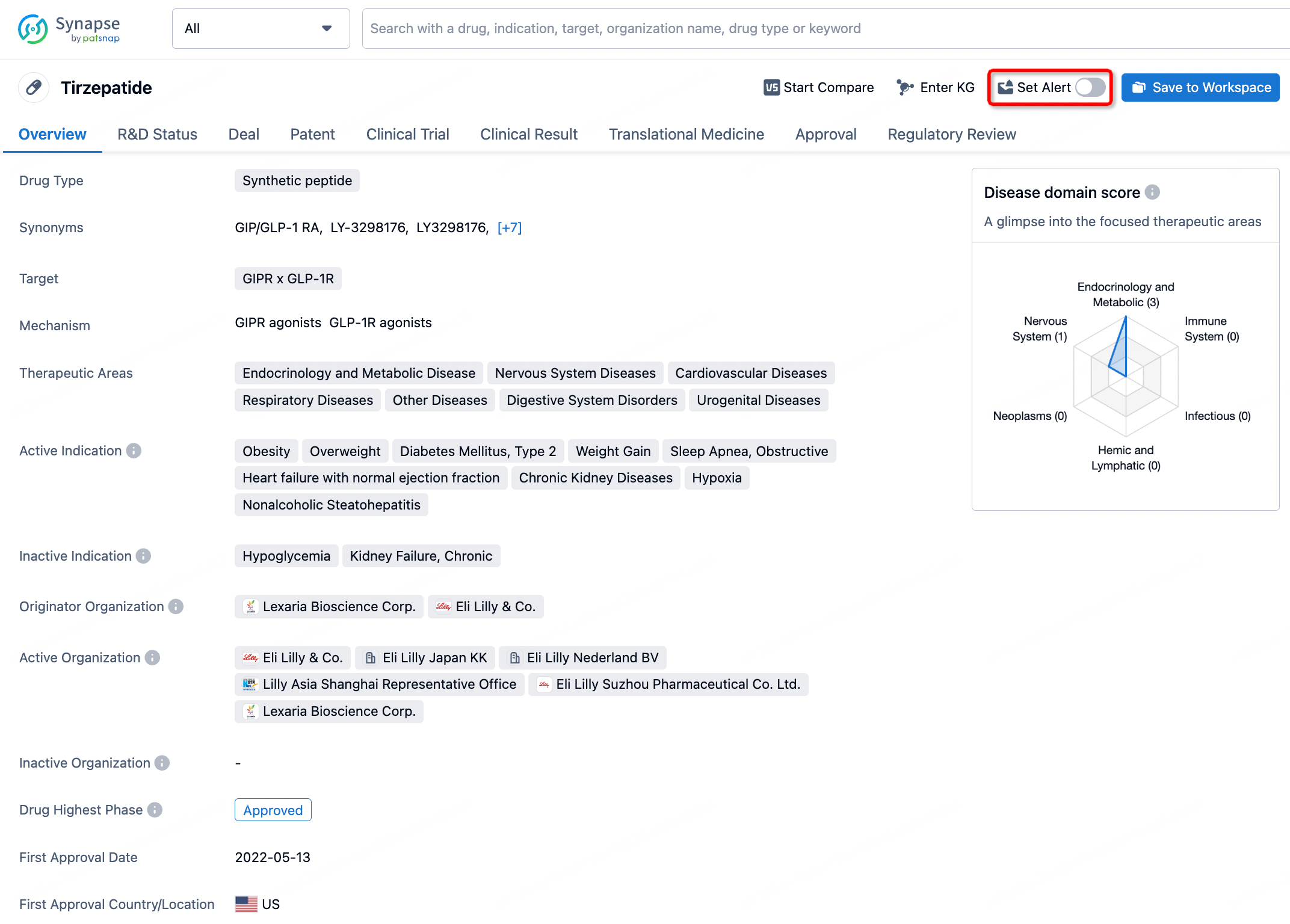
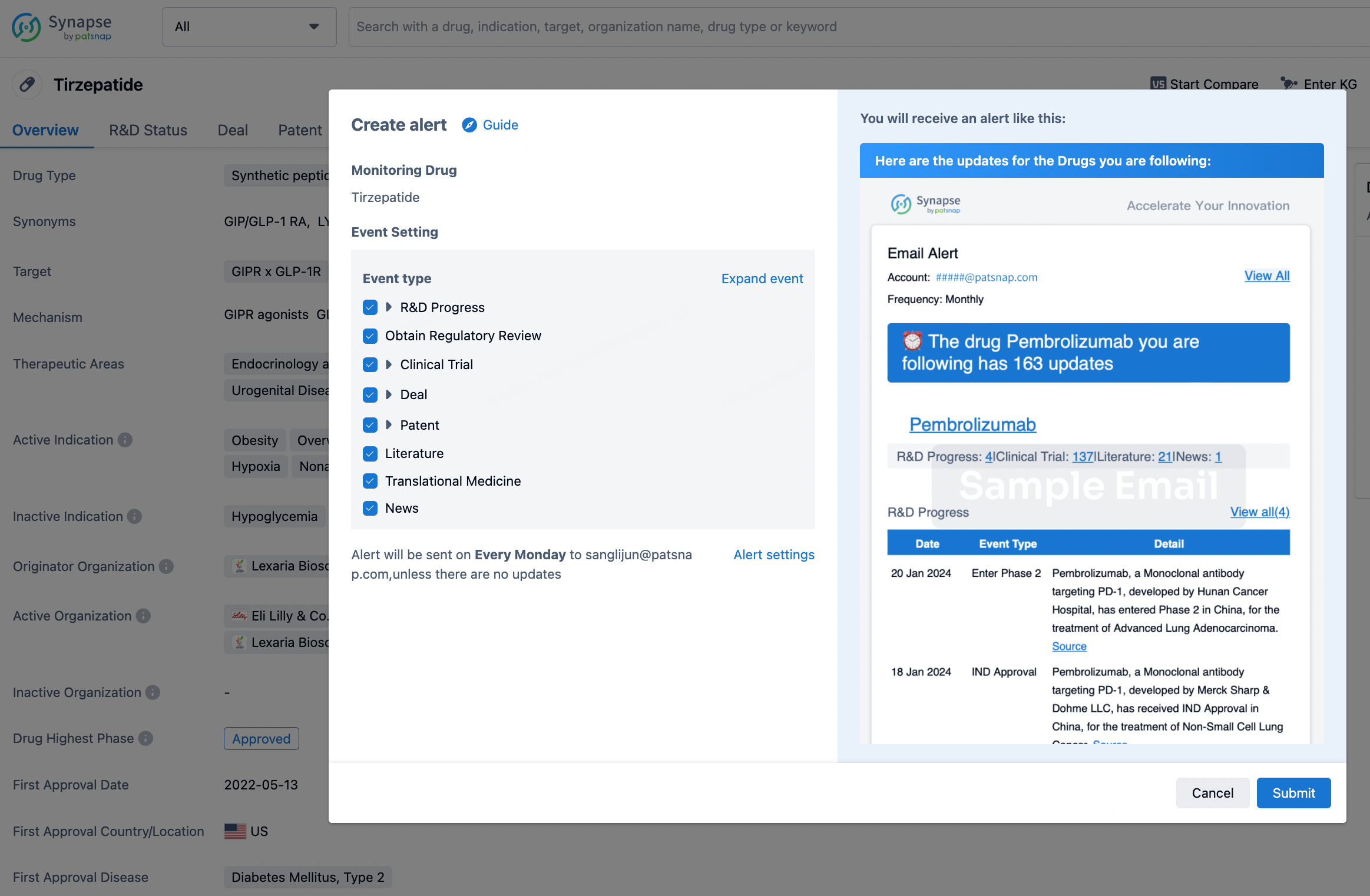
In the Synapse database, you can stay updated on the latest research and development advances of all drugs. This service is accessible anytime and anywhere, with updates available daily or weekly. Use the "Set Alert" function to stay informed. Click on the image below to embark on a brand new journey of drug discovery!

AI Agents Built for Biopharma Breakthroughs
Accelerate discovery. Empower decisions. Transform outcomes.
Get started for free today!
Accelerate Strategic R&D decision making with Synapse, PatSnap’s AI-powered Connected Innovation Intelligence Platform Built for Life Sciences Professionals.
Start your data trial now!
Synapse data is also accessible to external entities via APIs or data packages. Empower better decisions with the latest in pharmaceutical intelligence.