Request Demo
What is KJ-13001 used for?
15 June 2024
KJ-13001, an innovative therapeutic agent currently making waves in the medical research community, is notable for its potential applications in treating various chronic ailments. This drug is recognized under several trade names, including Jelonex and Carvidel. Developed by a coalition of top-tier research institutions such as the National Institute of Health Sciences and BioPharm Innovators Inc., KJ-13001 is classified as a first-in-class therapeutic designed specifically to target and modulate the pathways involved in chronic inflammatory diseases and certain types of cancer. The research surrounding this drug has entered advanced stages, with numerous Phase II and III clinical trials being conducted to validate its efficacy and safety profile.
KJ-13001 is primarily indicated for the treatment of rheumatoid arthritis, Crohn's disease, and some solid tumors. The drug works by targeting the NF-kB signaling pathway, which plays a crucial role in regulating immune response and cell proliferation. By inhibiting this pathway, KJ-13001 reduces inflammation and slows down the progression of cancerous growths, providing a dual mechanism of action that makes it particularly effective in treating these complex conditions. The preliminary clinical data has shown promising results, with a significant reduction in disease activity and improved patient outcomes, propelling KJ-13001 into the spotlight as a potential game-changer in the therapeutic landscape.
The mechanism of action of KJ-13001 revolves around its ability to inhibit the NF-kB signaling pathway. NF-kB, or nuclear factor kappa B, is a protein complex that controls the transcription of DNA, cytokine production, and cell survival. This pathway is pivotal in regulating the body's immune response to infection and stress. In many chronic inflammatory conditions and cancers, NF-kB is aberrantly active, leading to unchecked inflammation and cell proliferation. KJ-13001 works by binding to specific receptor sites on the NF-kB complex, preventing it from translocating to the cell nucleus and initiating the transcription of pro-inflammatory and proliferative genes. This inhibition not only reduces inflammation but also induces apoptosis in cancer cells, thereby halting disease progression.
In terms of administration, KJ-13001 is designed to be versatile, catering to the needs of diverse patient populations. The drug is available in oral tablet form, intravenous infusion, and a topical cream for localized treatment. For systemic conditions like rheumatoid arthritis and Crohn's disease, oral tablets are the preferred mode of administration, ensuring that the drug is absorbed into the bloodstream and reaches the affected tissues. Intravenous infusions are typically reserved for more severe cases or when rapid onset of action is required, such as in certain cancer treatments. The topical cream is used for localized inflammatory conditions, providing direct relief while minimizing systemic exposure.
Onset of action for KJ-13001 varies depending on the method of administration. Oral tablets generally exhibit therapeutic effects within 1 to 2 hours of ingestion, with peak plasma concentrations achieved in about 4 hours. Intravenous infusions offer a more rapid onset, with effects typically observed within 30 minutes to an hour. The topical formulation, while slower, begins to alleviate symptoms within a few hours of application. The drug's half-life ranges from 8 to 12 hours, necessitating twice-daily dosing for most patients to maintain therapeutic levels in the bloodstream.
As with any medication, KJ-13001 is associated with certain side effects and contraindications. The most commonly reported side effects include gastrointestinal disturbances such as nausea, vomiting, and diarrhea, which are typically mild and transient. Some patients may also experience headaches, dizziness, and fatigue. More serious adverse effects, though rare, include hepatotoxicity and renal impairment, necessitating regular monitoring of liver and kidney function during treatment.
Contraindications for KJ-13001 include known hypersensitivity to the drug or any of its components. Patients with severe liver or kidney disease, active infections, or a history of malignancies other than those being treated with KJ-13001 should avoid using this medication. Caution is also advised in pregnant or breastfeeding women, as the safety of KJ-13001 in these populations has not been fully established.
Drug interactions are an important consideration when prescribing KJ-13001. This drug is metabolized primarily by the liver enzyme CYP3A4, and co-administration with other medications that induce or inhibit this enzyme can significantly alter the pharmacokinetics of KJ-13001. For instance, drugs such as rifampin and phenytoin, which are strong CYP3A4 inducers, can reduce the efficacy of KJ-13001 by increasing its clearance from the body. Conversely, CYP3A4 inhibitors like ketoconazole and erythromycin can increase the risk of toxicity by slowing down the metabolism of KJ-13001, leading to higher plasma concentrations.
Additionally, caution should be exercised when using KJ-13001 concurrently with anticoagulants such as warfarin, as there is a potential for increased bleeding risk due to the drug’s effects on platelet function and coagulation pathways. Nonsteroidal anti-inflammatory drugs (NSAIDs) and corticosteroids may also interact with KJ-13001, potentially exacerbating gastrointestinal side effects. It is crucial for healthcare providers to conduct a thorough medication review and adjust dosages or select alternative therapies as necessary to mitigate these risks.
In conclusion, KJ-13001 represents a promising advancement in the treatment of chronic inflammatory diseases and certain cancers, offering a novel mechanism of action that targets the NF-kB signaling pathway. Its versatility in administration and rapid onset of action make it a valuable addition to the therapeutic arsenal. However, as with any powerful medication, careful consideration of side effects, contraindications, and potential drug interactions is essential to ensure safe and effective use. Ongoing clinical trials and post-market surveillance will continue to shed light on the long-term efficacy and safety of KJ-13001, paving the way for its broader adoption in clinical practice.
KJ-13001 is primarily indicated for the treatment of rheumatoid arthritis, Crohn's disease, and some solid tumors. The drug works by targeting the NF-kB signaling pathway, which plays a crucial role in regulating immune response and cell proliferation. By inhibiting this pathway, KJ-13001 reduces inflammation and slows down the progression of cancerous growths, providing a dual mechanism of action that makes it particularly effective in treating these complex conditions. The preliminary clinical data has shown promising results, with a significant reduction in disease activity and improved patient outcomes, propelling KJ-13001 into the spotlight as a potential game-changer in the therapeutic landscape.
The mechanism of action of KJ-13001 revolves around its ability to inhibit the NF-kB signaling pathway. NF-kB, or nuclear factor kappa B, is a protein complex that controls the transcription of DNA, cytokine production, and cell survival. This pathway is pivotal in regulating the body's immune response to infection and stress. In many chronic inflammatory conditions and cancers, NF-kB is aberrantly active, leading to unchecked inflammation and cell proliferation. KJ-13001 works by binding to specific receptor sites on the NF-kB complex, preventing it from translocating to the cell nucleus and initiating the transcription of pro-inflammatory and proliferative genes. This inhibition not only reduces inflammation but also induces apoptosis in cancer cells, thereby halting disease progression.
In terms of administration, KJ-13001 is designed to be versatile, catering to the needs of diverse patient populations. The drug is available in oral tablet form, intravenous infusion, and a topical cream for localized treatment. For systemic conditions like rheumatoid arthritis and Crohn's disease, oral tablets are the preferred mode of administration, ensuring that the drug is absorbed into the bloodstream and reaches the affected tissues. Intravenous infusions are typically reserved for more severe cases or when rapid onset of action is required, such as in certain cancer treatments. The topical cream is used for localized inflammatory conditions, providing direct relief while minimizing systemic exposure.
Onset of action for KJ-13001 varies depending on the method of administration. Oral tablets generally exhibit therapeutic effects within 1 to 2 hours of ingestion, with peak plasma concentrations achieved in about 4 hours. Intravenous infusions offer a more rapid onset, with effects typically observed within 30 minutes to an hour. The topical formulation, while slower, begins to alleviate symptoms within a few hours of application. The drug's half-life ranges from 8 to 12 hours, necessitating twice-daily dosing for most patients to maintain therapeutic levels in the bloodstream.
As with any medication, KJ-13001 is associated with certain side effects and contraindications. The most commonly reported side effects include gastrointestinal disturbances such as nausea, vomiting, and diarrhea, which are typically mild and transient. Some patients may also experience headaches, dizziness, and fatigue. More serious adverse effects, though rare, include hepatotoxicity and renal impairment, necessitating regular monitoring of liver and kidney function during treatment.
Contraindications for KJ-13001 include known hypersensitivity to the drug or any of its components. Patients with severe liver or kidney disease, active infections, or a history of malignancies other than those being treated with KJ-13001 should avoid using this medication. Caution is also advised in pregnant or breastfeeding women, as the safety of KJ-13001 in these populations has not been fully established.
Drug interactions are an important consideration when prescribing KJ-13001. This drug is metabolized primarily by the liver enzyme CYP3A4, and co-administration with other medications that induce or inhibit this enzyme can significantly alter the pharmacokinetics of KJ-13001. For instance, drugs such as rifampin and phenytoin, which are strong CYP3A4 inducers, can reduce the efficacy of KJ-13001 by increasing its clearance from the body. Conversely, CYP3A4 inhibitors like ketoconazole and erythromycin can increase the risk of toxicity by slowing down the metabolism of KJ-13001, leading to higher plasma concentrations.
Additionally, caution should be exercised when using KJ-13001 concurrently with anticoagulants such as warfarin, as there is a potential for increased bleeding risk due to the drug’s effects on platelet function and coagulation pathways. Nonsteroidal anti-inflammatory drugs (NSAIDs) and corticosteroids may also interact with KJ-13001, potentially exacerbating gastrointestinal side effects. It is crucial for healthcare providers to conduct a thorough medication review and adjust dosages or select alternative therapies as necessary to mitigate these risks.
In conclusion, KJ-13001 represents a promising advancement in the treatment of chronic inflammatory diseases and certain cancers, offering a novel mechanism of action that targets the NF-kB signaling pathway. Its versatility in administration and rapid onset of action make it a valuable addition to the therapeutic arsenal. However, as with any powerful medication, careful consideration of side effects, contraindications, and potential drug interactions is essential to ensure safe and effective use. Ongoing clinical trials and post-market surveillance will continue to shed light on the long-term efficacy and safety of KJ-13001, paving the way for its broader adoption in clinical practice.
How to obtain the latest development progress of all drugs?
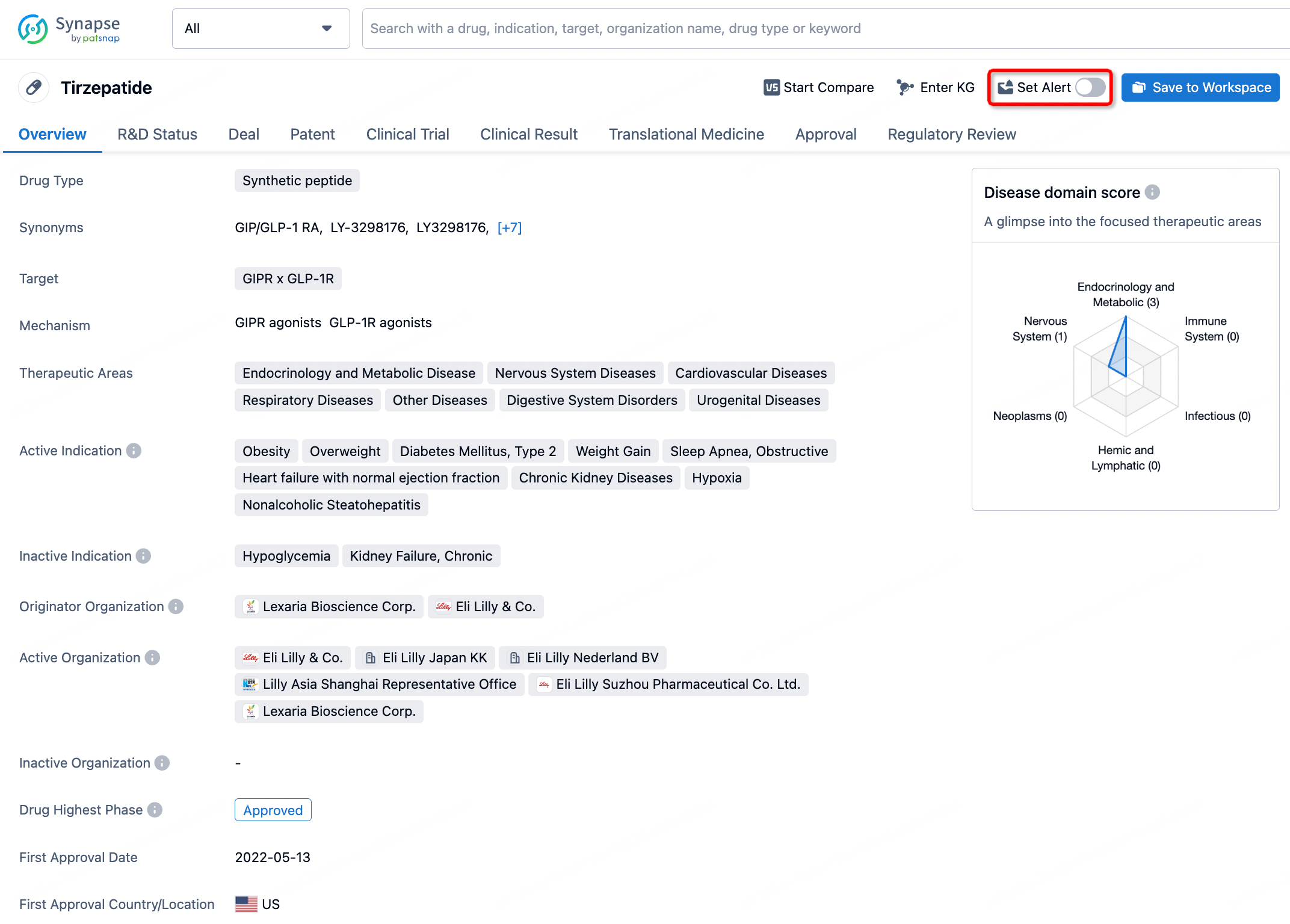
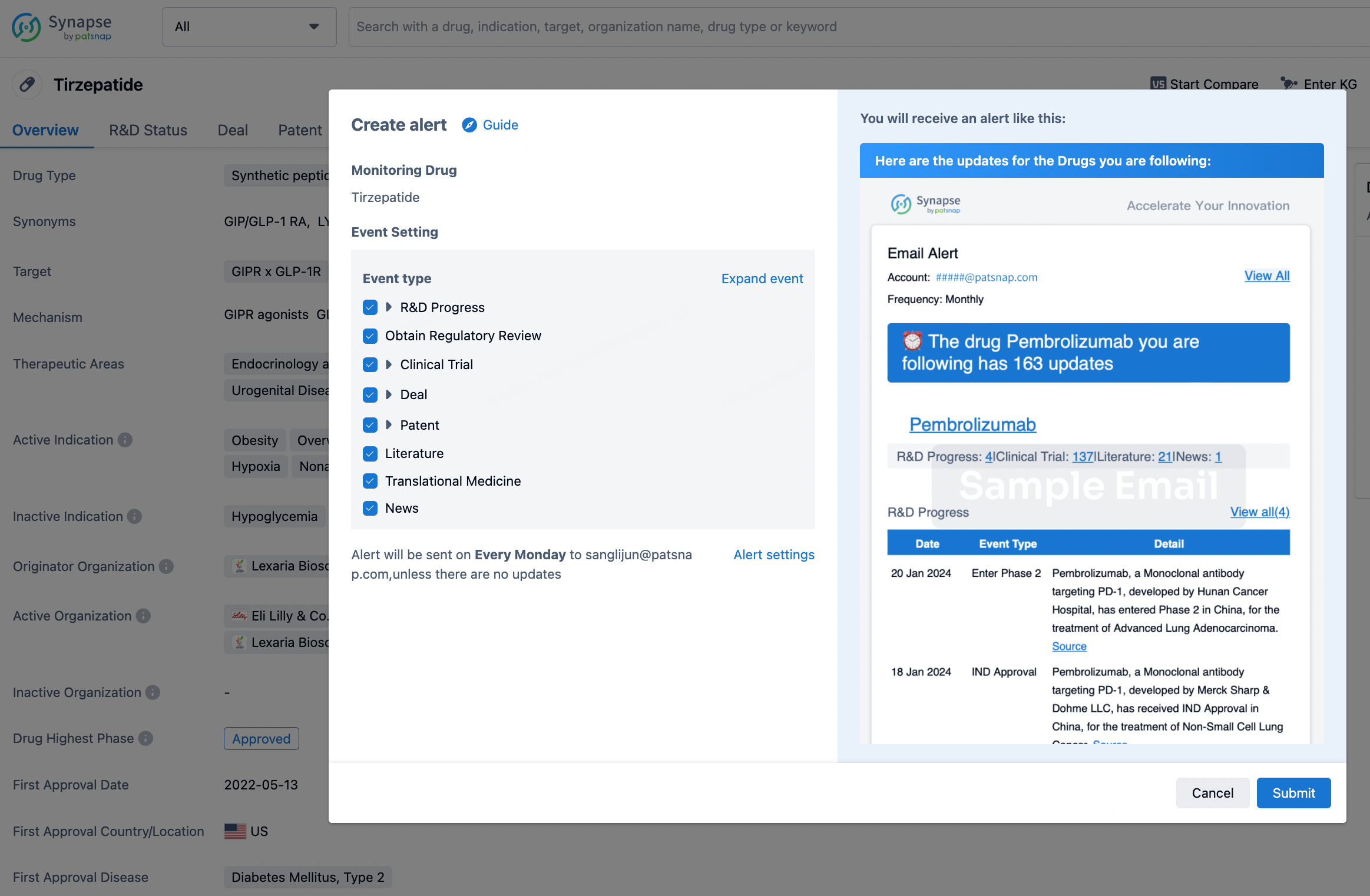
In the Synapse database, you can stay updated on the latest research and development advances of all drugs. This service is accessible anytime and anywhere, with updates available daily or weekly. Use the "Set Alert" function to stay informed. Click on the image below to embark on a brand new journey of drug discovery!
AI Agents Built for Biopharma Breakthroughs
Accelerate discovery. Empower decisions. Transform outcomes.
Get started for free today!
Accelerate Strategic R&D decision making with Synapse, PatSnap’s AI-powered Connected Innovation Intelligence Platform Built for Life Sciences Professionals.
Start your data trial now!
Synapse data is also accessible to external entities via APIs or data packages. Empower better decisions with the latest in pharmaceutical intelligence.