Request Demo
What is Leniolisib phosphate used for?
14 June 2024
Leniolisib phosphate is a promising pharmaceutical agent in the field of immunology and rare diseases. It is a small molecule drug that targets the phosphoinositide 3-kinase delta (PI3Kδ) pathway. This pathway is critical in the regulation of immune cell function and survival. The drug is known under the trade name "Leniolisib" and has been developed by a number of research institutions, including several pharmaceutical companies and academic institutions.
Leniolisib phosphate is being investigated primarily for its potential to treat Activated PI3Kδ Syndrome (APDS), a rare primary immunodeficiency disorder. APDS is characterized by recurrent respiratory infections, airway inflammation, and lymphoproliferation due to mutations in the PIK3CD gene, which encodes the catalytic subunit of PI3Kδ. Research on Leniolisib phosphate has shown that it can effectively reduce the activity of the overactive PI3Kδ pathway, thereby alleviating the symptoms of APDS. Currently, the drug is in advanced stages of clinical development, with several ongoing and completed clinical trials demonstrating its efficacy and safety in affected patients.
Leniolisib phosphate Mechanism of Action
Leniolisib phosphate functions by selectively inhibiting the activity of the PI3Kδ enzyme. PI3Kδ plays a key role in the signaling pathways that govern various cellular processes, including cell growth, proliferation, differentiation, and survival. In the context of immune cells, PI3Kδ is particularly important for the function of B cells, T cells, and other leukocytes.
In patients with APDS, mutations in the PIK3CD gene result in hyperactive PI3Kδ, leading to excessive immune cell proliferation and defective immune responses. By inhibiting PI3Kδ, Leniolisib phosphate helps to restore normal immune function. The inhibition of PI3Kδ results in reduced proliferation and survival of abnormal immune cells, decreased production of inflammatory cytokines, and improved regulation of immune responses. This targeted approach allows Leniolisib phosphate to address the underlying cause of APDS and improve clinical outcomes for patients.
How to Use Leniolisib phosphate
Leniolisib phosphate is typically administered orally in the form of tablets. The exact dosage and administration schedule depend on factors such as the patient's age, weight, and overall health, as well as the severity of the condition being treated. In clinical trials, the drug has been administered in various dosages to determine the optimal therapeutic regimen.
The onset time of Leniolisib phosphate's effects may vary among patients. However, clinical data suggest that some patients may begin to experience improvements in their symptoms within a few weeks of starting treatment. It is important to follow the prescribed dosage regimen and maintain regular follow-up appointments with healthcare providers to monitor the drug's efficacy and adjust the dosage if necessary.
Patients are advised to take Leniolisib phosphate with or without food, and it is important to avoid missing doses to maintain consistent blood levels of the drug. If a dose is missed, patients should take it as soon as they remember, unless it is close to the time for their next dose. In such cases, they should skip the missed dose and resume their regular dosing schedule. It is not recommended to take two doses at the same time to make up for a missed dose.
What are Leniolisib phosphate Side Effects
Like all medications, Leniolisib phosphate may cause side effects, although not everyone will experience them. The most commonly reported side effects in clinical trials include headaches, diarrhea, nausea, and fatigue. These side effects are generally mild to moderate in severity and tend to diminish as the body adjusts to the medication.
However, some patients may experience more serious side effects. These can include an increased risk of infections due to the immunosuppressive effects of PI3Kδ inhibition. Patients should be closely monitored for signs of infection, and any new or worsening symptoms should be promptly reported to their healthcare provider. Other potential side effects include liver enzyme elevations, which may require regular monitoring of liver function tests during treatment.
Leniolisib phosphate is contraindicated in patients with known hypersensitivity to the drug or any of its components. Additionally, caution is advised when prescribing the drug to patients with pre-existing liver disease or those who are pregnant or breastfeeding, as the safety of Leniolisib phosphate in these populations has not been fully established.
What Other Drugs Will Affect Leniolisib phosphate
The concomitant use of Leniolisib phosphate with other medications can potentially lead to drug interactions. These interactions may affect the efficacy of Leniolisib phosphate or increase the risk of adverse side effects. It is important for patients to inform their healthcare providers of all medications, supplements, and herbal products they are currently taking.
One class of drugs that may interact with Leniolisib phosphate is strong inhibitors or inducers of cytochrome P450 enzymes, particularly CYP3A4, which is involved in the metabolism of many drugs. Strong CYP3A4 inhibitors, such as ketoconazole, itraconazole, and ritonavir, may increase the plasma concentration of Leniolisib phosphate, potentially leading to increased side effects. Conversely, strong CYP3A4 inducers, such as rifampin, carbamazepine, and phenytoin, may reduce the plasma concentration of Leniolisib phosphate, potentially decreasing its efficacy.
Additionally, the use of other immunosuppressive agents or biologics that affect the immune system should be carefully considered. The combined use of such agents may increase the risk of infections or other immune-related complications. Healthcare providers should closely monitor patients for any signs of adverse effects and adjust treatment regimens as needed.
In conclusion, Leniolisib phosphate represents a significant advancement in the treatment of APDS and other disorders related to PI3Kδ dysregulation. Its targeted mechanism of action offers the potential for improved clinical outcomes for patients with these challenging conditions. As with any medication, careful consideration of its side effects, contraindications, and potential drug interactions is essential to ensure its safe and effective use. Ongoing research and clinical trials will continue to provide valuable insights into the optimal use of Leniolisib phosphate in clinical practice.
Leniolisib phosphate is being investigated primarily for its potential to treat Activated PI3Kδ Syndrome (APDS), a rare primary immunodeficiency disorder. APDS is characterized by recurrent respiratory infections, airway inflammation, and lymphoproliferation due to mutations in the PIK3CD gene, which encodes the catalytic subunit of PI3Kδ. Research on Leniolisib phosphate has shown that it can effectively reduce the activity of the overactive PI3Kδ pathway, thereby alleviating the symptoms of APDS. Currently, the drug is in advanced stages of clinical development, with several ongoing and completed clinical trials demonstrating its efficacy and safety in affected patients.
Leniolisib phosphate Mechanism of Action
Leniolisib phosphate functions by selectively inhibiting the activity of the PI3Kδ enzyme. PI3Kδ plays a key role in the signaling pathways that govern various cellular processes, including cell growth, proliferation, differentiation, and survival. In the context of immune cells, PI3Kδ is particularly important for the function of B cells, T cells, and other leukocytes.
In patients with APDS, mutations in the PIK3CD gene result in hyperactive PI3Kδ, leading to excessive immune cell proliferation and defective immune responses. By inhibiting PI3Kδ, Leniolisib phosphate helps to restore normal immune function. The inhibition of PI3Kδ results in reduced proliferation and survival of abnormal immune cells, decreased production of inflammatory cytokines, and improved regulation of immune responses. This targeted approach allows Leniolisib phosphate to address the underlying cause of APDS and improve clinical outcomes for patients.
How to Use Leniolisib phosphate
Leniolisib phosphate is typically administered orally in the form of tablets. The exact dosage and administration schedule depend on factors such as the patient's age, weight, and overall health, as well as the severity of the condition being treated. In clinical trials, the drug has been administered in various dosages to determine the optimal therapeutic regimen.
The onset time of Leniolisib phosphate's effects may vary among patients. However, clinical data suggest that some patients may begin to experience improvements in their symptoms within a few weeks of starting treatment. It is important to follow the prescribed dosage regimen and maintain regular follow-up appointments with healthcare providers to monitor the drug's efficacy and adjust the dosage if necessary.
Patients are advised to take Leniolisib phosphate with or without food, and it is important to avoid missing doses to maintain consistent blood levels of the drug. If a dose is missed, patients should take it as soon as they remember, unless it is close to the time for their next dose. In such cases, they should skip the missed dose and resume their regular dosing schedule. It is not recommended to take two doses at the same time to make up for a missed dose.
What are Leniolisib phosphate Side Effects
Like all medications, Leniolisib phosphate may cause side effects, although not everyone will experience them. The most commonly reported side effects in clinical trials include headaches, diarrhea, nausea, and fatigue. These side effects are generally mild to moderate in severity and tend to diminish as the body adjusts to the medication.
However, some patients may experience more serious side effects. These can include an increased risk of infections due to the immunosuppressive effects of PI3Kδ inhibition. Patients should be closely monitored for signs of infection, and any new or worsening symptoms should be promptly reported to their healthcare provider. Other potential side effects include liver enzyme elevations, which may require regular monitoring of liver function tests during treatment.
Leniolisib phosphate is contraindicated in patients with known hypersensitivity to the drug or any of its components. Additionally, caution is advised when prescribing the drug to patients with pre-existing liver disease or those who are pregnant or breastfeeding, as the safety of Leniolisib phosphate in these populations has not been fully established.
What Other Drugs Will Affect Leniolisib phosphate
The concomitant use of Leniolisib phosphate with other medications can potentially lead to drug interactions. These interactions may affect the efficacy of Leniolisib phosphate or increase the risk of adverse side effects. It is important for patients to inform their healthcare providers of all medications, supplements, and herbal products they are currently taking.
One class of drugs that may interact with Leniolisib phosphate is strong inhibitors or inducers of cytochrome P450 enzymes, particularly CYP3A4, which is involved in the metabolism of many drugs. Strong CYP3A4 inhibitors, such as ketoconazole, itraconazole, and ritonavir, may increase the plasma concentration of Leniolisib phosphate, potentially leading to increased side effects. Conversely, strong CYP3A4 inducers, such as rifampin, carbamazepine, and phenytoin, may reduce the plasma concentration of Leniolisib phosphate, potentially decreasing its efficacy.
Additionally, the use of other immunosuppressive agents or biologics that affect the immune system should be carefully considered. The combined use of such agents may increase the risk of infections or other immune-related complications. Healthcare providers should closely monitor patients for any signs of adverse effects and adjust treatment regimens as needed.
In conclusion, Leniolisib phosphate represents a significant advancement in the treatment of APDS and other disorders related to PI3Kδ dysregulation. Its targeted mechanism of action offers the potential for improved clinical outcomes for patients with these challenging conditions. As with any medication, careful consideration of its side effects, contraindications, and potential drug interactions is essential to ensure its safe and effective use. Ongoing research and clinical trials will continue to provide valuable insights into the optimal use of Leniolisib phosphate in clinical practice.
How to obtain the latest development progress of all drugs?
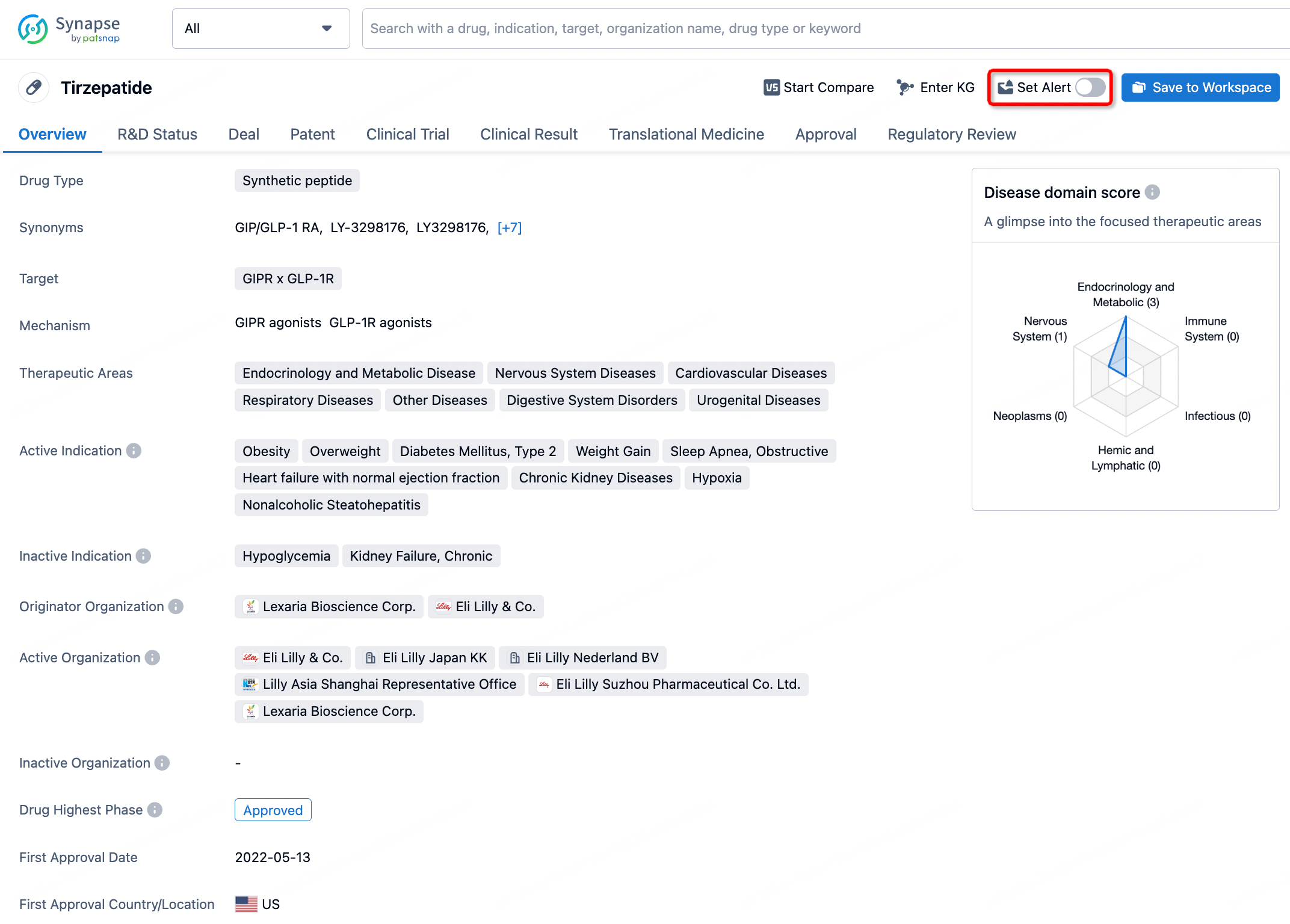
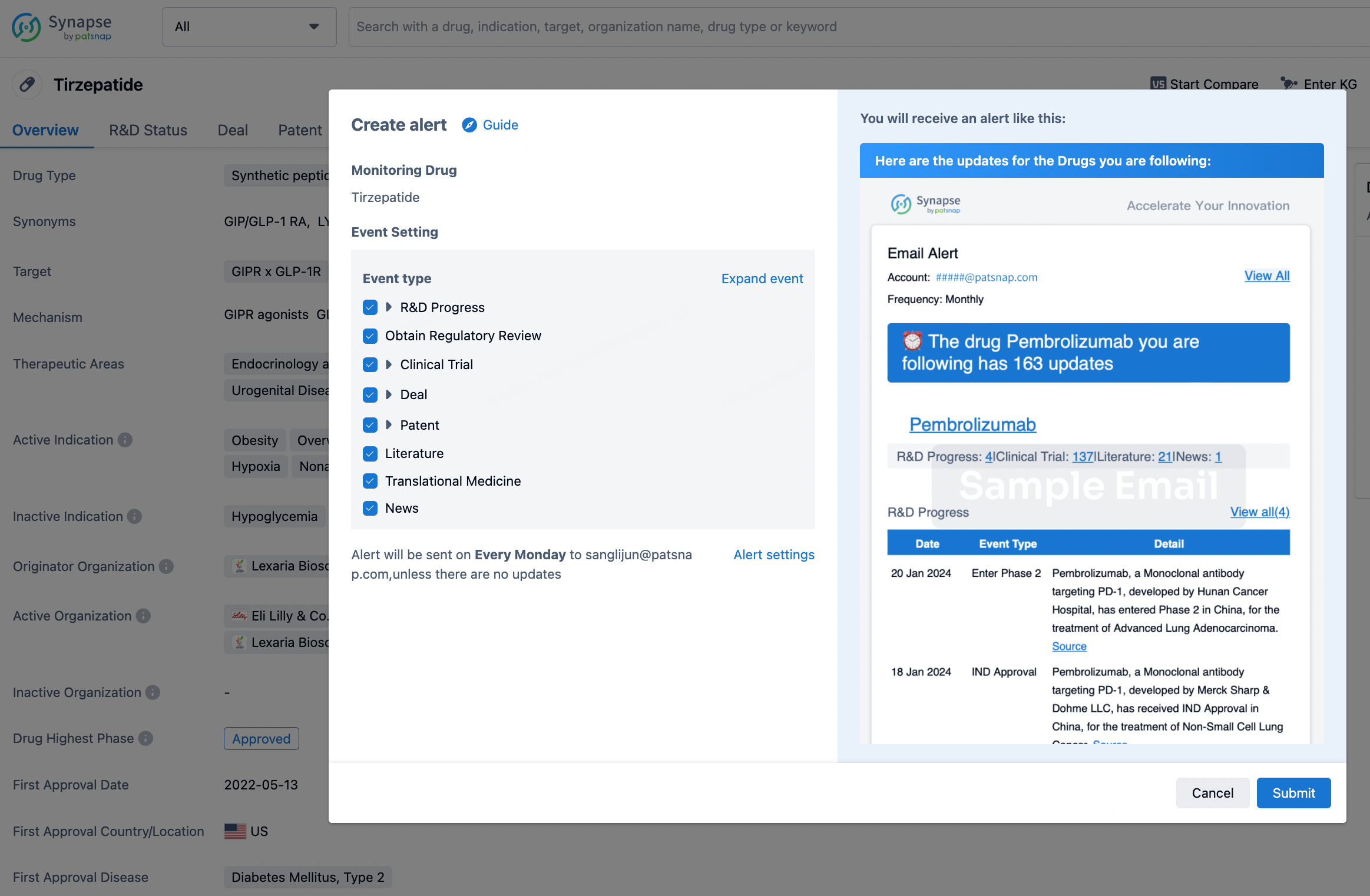
In the Synapse database, you can stay updated on the latest research and development advances of all drugs. This service is accessible anytime and anywhere, with updates available daily or weekly. Use the "Set Alert" function to stay informed. Click on the image below to embark on a brand new journey of drug discovery!

AI Agents Built for Biopharma Breakthroughs
Accelerate discovery. Empower decisions. Transform outcomes.
Get started for free today!
Accelerate Strategic R&D decision making with Synapse, PatSnap’s AI-powered Connected Innovation Intelligence Platform Built for Life Sciences Professionals.
Start your data trial now!
Synapse data is also accessible to external entities via APIs or data packages. Empower better decisions with the latest in pharmaceutical intelligence.